Some garden decorations whisper. Plate flowers, on the other hand, stroll into the yard wearing sunglasses and a feather boa. Made from old plates, bowls, saucers, candleholders, glass gems, and other forgotten cabinet treasures, these cheerful pieces of garden art turn ordinary outdoor spaces into something personal, colorful, and slightly mischievousin the best possible way.
Setting the garden with plate flowers is more than sticking a pretty dish on a pole and hoping the squirrels applaud. It is a creative way to reuse household items, build focal points, add year-round color, and bring structure to flower beds that may look a little sleepy between bloom cycles. Whether your yard is a cottage garden, a patio container jungle, a tidy suburban border, or one enthusiastic pot beside the front steps, plate flowers can make the space feel handmade, welcoming, and alive.
The beauty of plate flowers is that they do not need watering, deadheading, fertilizer, or encouraging words after a rough weather week. They simply stand there, shining in the sun, catching raindrops, and making your neighbors wonder whether you secretly became an outdoor artist over the weekend.
What Are Plate Flowers?
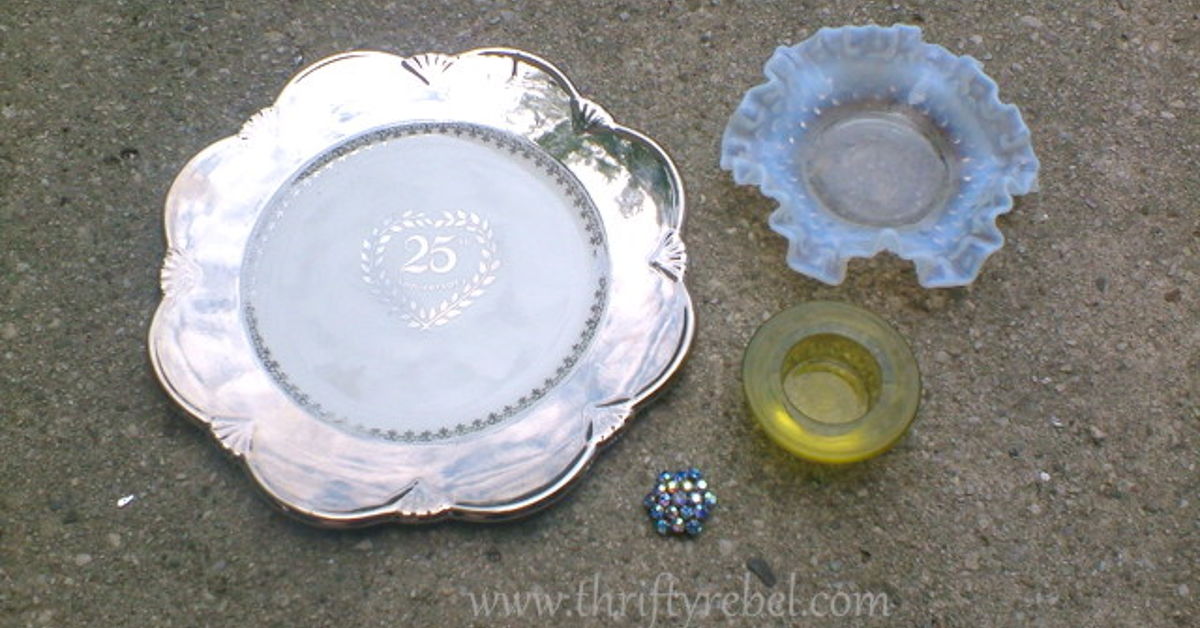
Plate flowers are decorative garden ornaments made by layering plates, saucers, bowls, glass dishes, candle cups, beads, marbles, or small ceramic pieces to resemble flowers. A large dinner plate often becomes the outer “petals,” a smaller salad plate or saucer creates the middle layer, and a bowl, glass knob, or colorful gem forms the flower center. The finished piece is usually mounted on a metal rod, copper pipe, wooden stake, fence post, or garden structure.
They are also known as glass garden flowers, dish flowers, plate garden art, upcycled garden flowers, or recycled plate flowers. The names vary, but the idea is the same: transform retired dishes into outdoor blooms that add color even when the real flowers are taking a snack break.
Most plate flowers are made from thrifted or reused materials. That makes them budget-friendly and eco-conscious. Instead of sending mismatched plates or chipped-but-still-charming dishes to the trash, you give them a second career as garden celebrities. It is basically retirement, but with better lighting.
Why Plate Flowers Work So Well in Garden Design
Great gardens are not only about plants. They are about rhythm, color, height, texture, movement, and places for the eye to land. Landscape design often uses focal pointssuch as sculptures, specimen plants, containers, benches, birdbaths, or ornamentsto guide attention and create visual order. Plate flowers fit beautifully into that role because they combine shape, color, reflection, and height.
They Add Instant Color
Real flowers bloom on their own schedule. Plate flowers bloom whenever you install them. A blue glass plate can brighten a shady corner. A yellow saucer can echo black-eyed Susans. A red ceramic plate can pull attention toward the back of a border. Warm colors like red, orange, and yellow tend to draw the eye forward, while cool colors like blue, green, and purple can feel calmer and more spacious.
They Create Height Without More Plant Maintenance
Many garden beds need vertical accents. Tall perennials, vines, grasses, and shrubs can do the job, but not every space has enough soil depth, sunlight, or room. A plate flower on a stake gives height instantly. It can rise above low-growing herbs, sit behind annuals, or stand near a pathway like a friendly garden sign saying, “Yes, this way to the cute stuff.”
They Offer Year-Round Personality
In many parts of the United States, gardens have quiet seasons. Winter beds may look bare, early spring borders may feel unfinished, and late summer containers may be politely exhausted. Plate flowers provide consistent structure and color through those awkward transitions. Even when the hostas have vanished and the zinnias have called it a season, your plate flowers can keep the garden from looking like it forgot its own password.
Choosing Plates, Bowls, and Decorative Pieces
The best plate flowers begin with smart material choices. You do not need expensive dishes. In fact, thrift stores, yard sales, estate sales, flea markets, and your own kitchen cabinets are perfect hunting grounds. Look for pieces with interesting edges, raised patterns, strong colors, floral motifs, or translucent glass that catches sunlight.
Best Materials for Plate Flowers
Glass, ceramic, china, stoneware, metal trays, and decorative saucers can all work. Glass is especially popular because it sparkles outdoors and creates a stained-glass effect when sunlight passes through it. Ceramic and china pieces bring pattern and charm, especially if they have painted flowers, scalloped edges, or vintage designs.
Choose pieces that are sturdy and not cracked through the center. A tiny chip on the edge can add character, but a deep crack may become a future problem when wind, rain, or temperature changes get involved. Outdoor garden art has to deal with more drama than indoor decor. It faces heat, cold, moisture, gravity, and occasionally a bird with questionable landing skills.
How to Build a Balanced Plate Flower
A successful plate flower usually has three visual layers:
- Back layer: A large dinner plate, platter, shallow bowl, or metal tray that acts as the main petal shape.
- Middle layer: A smaller plate, saucer, bowl, or textured dish that adds depth and contrast.
- Center layer: A candleholder, glass gem, small bowl, knob, marble cluster, or colorful cup that creates the flower’s “eye.”
Try mixing smooth and textured pieces. A clear glass platter behind a patterned saucer can look delicate and layered. A bold ceramic plate with a contrasting glass center can feel playful and modern. Odd numbers often feel natural in garden design, so grouping three, five, or seven plate flowers can look more intentional than placing just two lonely blooms like they are waiting for a bus.
Tools and Supplies You May Need
The exact supplies depend on how you plan to assemble and mount your plate flowers. Some makers glue the pieces together. Others drill holes and attach the pieces with bolts. Both methods can work, but they require patience and the right materials.
Common Supplies
- Thrifted plates, bowls, saucers, glass dishes, or candleholders
- Outdoor-rated adhesive suitable for glass, ceramic, or metal
- Rubbing alcohol for cleaning surfaces
- Painter’s tape or masking tape
- Metal rod, copper pipe, rebar, conduit, or sturdy garden stake
- Small mounting hardware, such as a coupling, washer, bolt, or pipe cap
- Protective gloves and eye protection
- Optional glass gems, beads, knobs, or decorative centers
If you drill glass or ceramic, use the correct bit, work slowly, keep the piece supported, and wear eye protection. Drilling is not a race. Glass does not appreciate enthusiasm without technique. If drilling feels intimidating, adhesive-based construction is often the simpler beginner route.
How to Make Plate Flowers for the Garden
Before you begin, lay out your pieces on a table and experiment with combinations. Take a quick photo of each arrangement you like. This saves you from the classic crafter’s problem: creating a perfect design, moving one plate, and immediately forgetting the whole thing like a magician erased your memory.
Step 1: Clean Every Surface
Wash the dishes with warm, soapy water and dry them completely. Then wipe the bonding areas with rubbing alcohol to remove grease, dust, fingerprints, and thrift-store mystery residue. Clean surfaces help adhesive bond better and reduce the chance of pieces sliding around while drying.
Step 2: Plan the Layers
Place the largest plate face up. Add the medium plate or bowl in the center. Finish with the smallest decorative piece. Check the shape from several angles. If the flower looks too flat, add a shallow bowl for dimension. If it looks too busy, remove one pattern and let a solid color calm things down.
Step 3: Apply Outdoor Adhesive Carefully
Use an adhesive designed for outdoor conditions and compatible with your materials. Apply it to the raised contact points, not randomly across the whole dish. Raised rims, foot rings, and flat-bottom areas usually create the strongest connection. Press the pieces together gently and wiggle them slightly so the adhesive spreads into contact.
Avoid using too much glue. Excess adhesive can ooze out and create cloudy blobs around the center. Nobody wants a plate flower that looks like it sneezed.
Step 4: Let It Cure Fully
Follow the adhesive manufacturer’s cure time. This may take a day or longer depending on the product, humidity, temperature, and thickness of the application. Do not rush this step. A plate flower that falls apart because it was installed too soon is not “rustic.” It is just a tiny garden tragedy.
Step 5: Attach the Mount
For glued plate flowers, many makers attach a small mounting piece to the back, such as a glass candleholder, pipe cap, coupling, or flattened spoon. This creates a sleeve or bracket that can slide onto a stake. For drilled plate flowers, hardware can pass through the center and connect to a rod or mount.
The mount should be strong enough to hold the weight of the dish flower and stable enough to handle wind. A large, heavy platter needs a sturdier support than a small saucer flower. When in doubt, build stronger than you think you need. Wind has no respect for cute crafts.
Where to Place Plate Flowers in the Garden
Setting the garden with plate flowers is about placement, not just production. A beautiful plate flower can disappear if it is hidden behind tall plants or placed where no one sees it. Think of each one as a small focal point.
Along Garden Paths
Place plate flowers near pathways to guide movement through the garden. They can mark a curve, highlight an entrance, or add a surprise beside stepping stones. Keep them slightly back from the walking edge so nobody bumps into them while carrying mulch, groceries, or an iced coffee that is emotionally important.
In Flower Beds
Plate flowers look wonderful tucked among perennials, annuals, and ornamental grasses. Use them to fill gaps before plants mature or to add color after blooms fade. For example, a cobalt-blue plate flower can look stunning behind yellow coreopsis, while a white ceramic plate can glow near lavender, salvia, or purple coneflower.
Near Containers
Container gardens benefit from vertical accents. A plate flower placed behind a pot can act like a permanent “thriller” element, while trailing plants and mounding annuals soften the base. This is especially useful on patios, balconies, and small front porches where planting space is limited.
Against Fences or Walls
A fence can become a gallery wall for plate flowers. Mount them at different heights to create a cheerful outdoor display. This works especially well with mismatched plates in a coordinated color palette, such as blues and whites, warm sunset shades, or clear glass with metallic accents.
Color Ideas for Plate Flower Gardens
The easiest way to make plate flowers look intentional is to choose a color story. You can absolutely use every color you love, but a palette helps the garden feel designed instead of decorated by a very excited raccoon.
Cottage Garden Palette
Use soft pinks, creamy whites, lavender, pale blue, and clear glass. Pair these plate flowers with roses, catmint, foxgloves, daisies, and ornamental grasses for a romantic, layered effect.
Bold Modern Palette
Use black, white, cobalt blue, chartreuse, and bright orange. Set these flowers against simple foliage plants, gravel paths, or contemporary containers. The clean contrast makes the plate flowers feel graphic and fresh.
Vintage Tea Party Palette
Use floral china, scalloped saucers, gold-rimmed plates, and pastel glass. These pieces look charming near herbs, cottage flowers, birdbaths, and seating areas. It is the garden version of inviting your grandmother’s cupboard outside for a very elegant picnic.
Maintenance and Weather Tips
Plate flowers are low-maintenance, but they are not completely maintenance-free. Check them every few weeks during the growing season, especially after storms or high winds. Make sure the stake is still secure, the adhesive is holding, and no pieces have loosened.
In colder climates, consider bringing delicate plate flowers indoors during winter, especially if they are made from thin glass, heirloom china, or pieces with sentimental value. Freezing and thawing can stress materials and weaken mounts. If your plate flowers stay outside year-round, place them where falling branches, snow shovels, and enthusiastic dogs are less likely to cause trouble.
Clean them with a soft cloth and mild soapy water. Avoid harsh scrubbing on painted or decorative surfaces. If mineral spots appear from sprinklers, move the flower out of direct spray or wipe it regularly. A plate flower should sparkle, not look like it has been lightly seasoned with driveway dust.
Safety Considerations
Because plate flowers often use glass or ceramic, safety matters. Avoid placing fragile pieces where children play rough, pets run at full speed, or visitors may trip. If a plate flower breaks, wear gloves when cleaning it up and remove all shards from soil or mulch.
Do not use valuable heirlooms unless you are comfortable with outdoor risk. The garden is lovely, but it is not a museum with climate control. Save precious family pieces for indoor display and use thrifted finds for outdoor projects.
Creative Plate Flower Ideas
Once you understand the basic structure, plate flowers can become wonderfully creative. A clear glass platter with a yellow center can resemble a daisy. A red saucer layered over a black plate can suggest a poppy. A blue bowl center on a white plate can create a cool coastal look. A metal tray behind glass adds shimmer and helps reflect light.
You can also create themed sections in the yard. A “sun garden” might use yellow, orange, and amber glass. A moon garden might use white plates, silver trays, and pale blue accents. A pollinator-inspired display could echo the colors of nearby real flowers without pretending to replace them. Plate flowers are decoration, not habitat, so pair them with living plants that support bees, butterflies, and other beneficial insects.
Budget-Friendly Tips
Plate flowers can be very affordable if you collect materials slowly. Shop thrift stores on discount days. Look for single plates instead of full sets. Ask friends if they have mismatched dishes they no longer use. Check yard sales near the end of the day, when sellers may be more willing to part with odd pieces cheaply.
Before buying a dish, turn it over. Look at the base. A plate with a flat or raised foot ring may be easier to glue or mount than one with an awkward curve. Also consider weight. Heavy pieces look impressive, but they need stronger hardware and deeper stakes.
Do not overlook plain clear glass. It may look boring indoors, but outside it can glow beautifully in sunlight. Add a colored center and suddenly that plain plate becomes the quiet hero of the project.
Common Mistakes to Avoid
Using Indoor Glue
Indoor craft glue is not designed for rain, heat, cold, and sunlight. Choose an adhesive or sealant made for outdoor use and compatible with glass, ceramic, metal, or whatever materials you are bonding.
Skipping Cure Time
Adhesive needs time to reach strength. Installing too early can lead to sliding layers or failed bonds. Let the piece cure flat and undisturbed before mounting it.
Making the Flower Too Heavy
Layering five plates may seem dramatic until the finished piece weighs as much as a small bowling ball. Keep weight in mind, especially for tall stakes or windy locations.
Ignoring the Background
A busy plate flower can vanish against a busy background. Use contrast. Place light plate flowers against dark foliage, bright flowers near green shrubs, and clear glass where sunlight can pass through it.
Experience Notes: What Setting a Garden With Plate Flowers Teaches You
After working with plate flowers, one thing becomes obvious: the garden has a sense of humor. You may begin with a careful design plan, a color palette, and the calm confidence of a person who has watched three tutorials. Then you place the first plate flower outside and realize the “perfect” spot is actually hidden behind a tomato cage, leaning toward the compost bin, or reflecting the least glamorous corner of the garage. The garden will give feedback. Sometimes loudly.
The best experience comes from treating placement as an experiment. Walk around the yard at different times of day. Morning light may make clear glass sparkle, while afternoon sun may make warm-colored plates glow. A flower that looks ordinary near the fence might look magical beside ornamental grass. A blue plate that feels too bold on the patio may become perfect in a shady bed where real blue flowers are rare.
One practical lesson is to start with fewer plate flowers than you think you need. Three well-placed pieces usually look better than twelve scattered ones. Too many plate flowers can turn the garden into a dishware parade, and while that sounds entertaining, it may compete with the plants. Use them like punctuation marks. A bright red plate flower at the end of a path is an exclamation point. A cluster of small clear glass flowers near a bench is a soft comma. A giant platter mounted crookedly in the middle of the lawn is perhaps a question mark.
Another lesson is that real plants make plate flowers look better. The most charming displays usually combine the hard shine of glass or ceramic with the softness of foliage. Lamb’s ear, ferns, hostas, sedum, coleus, lavender, ornamental grasses, and creeping Jenny can soften the base of a stake and make the plate flower feel like it belongs. Without plants around them, plate flowers can look like they are waiting to be returned to the kitchen.
Weather also teaches humility. A light plate flower on a thin stake may wobble in strong wind. A heavy one may need rebar or a deeper support. Rain can reveal whether the adhesive cured properly. Sprinklers can leave mineral spots. None of these issues are disasters; they are simply reminders that outdoor art lives outdoors. It has to be built like it expects weather, because weather is not shy.
The most rewarding part is how personal the project becomes. A plate flower made from a yard-sale saucer, a chipped blue bowl, and a glass candle cup has a story. It is not factory-perfect, and that is the point. Gardens are already full of living changenew leaves, fading blooms, surprise seedlings, and weeds that seem to have personal ambition. Plate flowers add another layer of personality. They say someone cared enough to make the space playful.
Setting the garden with plate flowers is not about creating a flawless outdoor showroom. It is about adding color, reuse, imagination, and a little wink of joy. The finished garden may not look like a magazine spread, but it will look like yours. And honestly, that is better. Magazine gardens rarely include the heroic saga of finding the perfect saucer for fifty cents.
Conclusion
Plate flowers are a joyful blend of garden design, recycling, craft, and personal expression. They bring color to dull corners, create focal points, reuse forgotten dishes, and offer an easy way to decorate outdoor spaces without adding more plant care to your weekend list. With thoughtful materials, strong outdoor mounting, careful placement, and a clear color palette, plate flowers can turn a simple garden into a lively, creative retreat.
Whether you make one sparkling glass bloom for a patio pot or build an entire fence gallery of vintage dish flowers, the goal is the same: give your garden something unexpected. Plants provide the life. Plate flowers provide the grin.