Some accessories politely hold your keys. Others carry your laptop, gym socks, sunscreen, emergency chocolate, and the emotional weight of your last-minute weekend plans. Then there are accessories made from reclaimed sailsbags that have literally battled wind, salt, rain, and the occasional sailor shouting, “That was totally under control!” This is where Save the C enters the story: a Nordic design idea built around turning used sails into sleek, durable, highly covetable bags.
The title “Accessories: Save the C in Denmark” sounds like a postcard from Copenhagen with a design-degree side hustle. The original Save the C concept was tied to Finland’s sail-recycling scene, but its spirit fits beautifully into Denmark’s modern design culture: functional, unfussy, sustainable, and allergic to anything that looks like it tried too hard. Think clean lines, practical materials, and a quiet little wink that says, “Yes, this bag used to have a more exciting life than most of us.”
In a world drowning in disposable fashion, recycled sailcloth accessories offer a refreshing alternative. They are tough, handsome, imperfect in the best way, and rooted in a circular design philosophy: use what already exists, make it better, and keep it moving. Or, in less fancy terms: stop throwing useful stuff away just because it has a few wrinkles. Honestly, if wrinkles disqualified things, most of us would be in trouble by Thursday.
What Is Save the C?
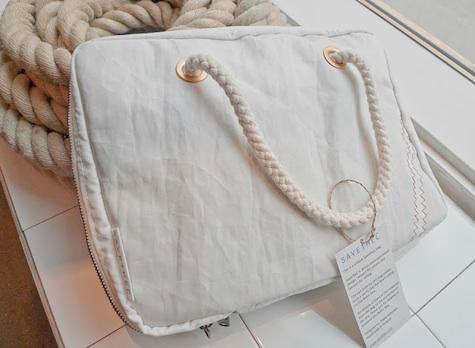
Save the C became known for transforming retired sails into stylish bags and totes. The concept gained attention because it combined three things design lovers rarely see together without a suspiciously high price tag: sustainability, craftsmanship, and genuine visual character. The company collected used sails through a network of sailors, sail makers, and yacht clubs, then turned that material into accessories such as totes, crew bags, and travel-ready carryalls.
The name itself is clever. “C” sounds like “sea,” and the entire idea is built around saving material from marine culture. Instead of letting old sails become waste, Save the C gave them a second life as everyday accessories. The result was not a crunchy craft project that looks like it was assembled during a rainy community-center workshop. These bags were polished, intentional, and very Nordic: minimal, useful, and just mysterious enough to make people ask, “Where did you get that?”
One notable design connection was Harri Koskinen, the Finnish designer known for work that balances simplicity with emotional warmth. That matters because recycled design can easily fall into two traps: looking overly rustic or looking like a guilt trip with handles. Save the C avoided both. Its bags did not scream “eco-friendly” in neon green letters. They whispered it in a cool Scandinavian accent while holding your wallet securely.
Why Reclaimed Sails Make Brilliant Accessories
Sailcloth is not shy, fragile material. It is engineered to survive conditions that would make a cotton tote file a formal complaint. Sails are made to handle tension, wind, moisture, sunlight, and repeated movement. When they retire from the water, they may no longer perform perfectly on a boat, but they still have plenty of strength left for daily life.
Durability With a Built-In Story
Recycled sailcloth bags are naturally appealing because the material has history. Every mark, line, patch, and graphic remnant hints at a previous journey. A pristine mass-produced bag can look good, of course, but a reclaimed sail accessory has something more interesting: evidence. It has lived. It has crossed water. It has probably seen better sunsets than your phone camera roll.
That character is a huge part of the charm. No two sailcloth bags are exactly alike, especially when the original sail numbers, seams, or colored panels remain visible. In fashion language, this means “unique.” In normal human language, it means nobody at brunch will have the exact same bag, and therefore you may enjoy your coffee with quiet superiority.
Lightweight, Practical, and Weather Friendly
A good accessory needs to look good, but it also needs to behave. Sailcloth checks both boxes. It is usually lightweight, easy to wipe down, and well suited for commutes, beach days, markets, and travel. That makes it ideal for people who want style without babying their belongings. A sailcloth tote can handle a little rain, a damp towel, or the accidental explosion of a snack bag. We do not judge. Snacks are unpredictable.
Compared with many delicate fashion accessories, upcycled sail bags feel refreshingly realistic. They are not designed only for being photographed near a latte. They are designed to move through actual life: bike baskets, train platforms, boat decks, grocery aisles, and the chaotic corner of your hallway where bags go to become “temporary storage.”
The Denmark Connection: Why Nordic Design Makes This Idea Shine
Denmark has long been associated with design that is practical, beautiful, and human-centered. Danish and broader Scandinavian design traditions favor clean forms, useful objects, natural restraint, and high-quality materials. In Copenhagen especially, sustainable living is not treated as a weird personality trait. It is part of daily culture, from cycling infrastructure to interior design to fashion conversations.
That is why the Save the C idea feels so at home in a Danish context. A bag made from a reclaimed sail is not just an accessory; it is a compact design argument. It says that beauty does not need virgin material. It says utility can be elegant. It says sustainability is more convincing when it looks like something you actually want to use.
Copenhagen’s fashion and design scene has also helped push circular thinking into the mainstream. Sustainability requirements at major fashion events, growing interest in recycled textiles, and the city’s broader culture of responsible design all make Denmark a natural stage for accessories like these. If Paris makes fashion dramatic and Milan makes it glossy, Copenhagen tends to make it sensible, cool, and somehow better at parallel parking a bicycle.
Accessories as Circular Design, Not Just Decoration
The word “accessory” can sound secondary, like something added after the “real” outfit is finished. But accessories are often the items we use most. Bags, wallets, pouches, belts, and travel cases are touched, opened, carried, dropped, stuffed, cleaned, and relied on every day. That makes them powerful testing grounds for circular design.
A recycled sailcloth bag proves that sustainability does not have to begin with a full wardrobe revolution. It can begin with one object you use constantly. A tote made from reclaimed material can replace a stack of flimsy bags. A durable weekender can last for years. A pouch made from sailcloth can organize all the small things that otherwise migrate to the bottom of your bag like tiny household fugitives.
That is the beauty of circular accessories: they bring environmental thinking into daily behavior without turning life into homework. You do not need to lecture strangers about textile waste. You can simply carry a well-made bag. If they ask about it, wonderful. If they do not, you still have a useful bag and the quiet satisfaction of choosing better.
Why Upcycled Sail Bags Stand Out in Sustainable Fashion
Sustainable fashion can sometimes feel vague. Terms like “green,” “eco,” and “conscious” are tossed around so often they risk becoming decorative confetti. Upcycled sailcloth is different because the material story is visible and understandable. A sail used to power a boat. Now it powers your errands. Simple. Elegant. No marketing fog machine required.
The environmental logic is also straightforward. Textile waste remains a major problem, and recycling rates for textiles are still low compared with the amount produced and discarded. Upcycling does not solve the whole system, but it offers an immediate way to extend the life of existing materials. It is especially compelling when the source material is strong, attractive, and difficult to replace with something equally durable.
Unlike some recycled products that feel compromised, sailcloth bags often feel enhanced by their origin. The seams, grommet marks, numbers, and panels become design elements. The past life of the material is not hidden; it is celebrated. That is a smart lesson for any brand trying to make sustainable accessories: do not erase the story. Make the story useful.
Design Details That Make Save the C-Style Accessories Work
The best recycled sail accessories succeed because they pay attention to proportion, structure, and finish. A big rectangle with handles is technically a bag, but so is a pillowcase if you are determined enough. What separates a great sailcloth tote from a charming experiment is thoughtful construction.
Strong Handles and Reinforced Stress Points
Any bag intended for real use needs strong handles, clean stitching, and reinforced corners. Reclaimed sailcloth may be tough, but design still matters. The best examples use webbing, lined interiors, and carefully placed seams to ensure the bag can carry actual weight. A sustainable accessory that falls apart after two months is not sustainable. It is just trash with better branding.
Smart Interior Space
A great tote or crew bag should be roomy without becoming a black hole. Interior pockets, zip compartments, and structured bases make a huge difference. For commuters, a sailcloth bag can hold a laptop sleeve, water bottle, keys, and notebook. For travelers, it can manage toiletries, chargers, and the mysterious collection of receipts that appears whenever humans enter airports.
Graphics and Imperfections
The most memorable bags often use fragments of sail graphics. Numbers, stripes, logos, and color blocks create bold compositions that feel modern but not manufactured. These details give the accessory personality. One bag might look crisp and minimal; another might have a flash of red or a partial numeral that looks like contemporary art had a nautical weekend.
How to Style Recycled Sailcloth Accessories
The good news: sailcloth accessories are surprisingly easy to style. Their clean lines pair well with casual, coastal, minimalist, and even urban outfits. A white or off-white sail tote looks sharp with denim, linen, navy, black, olive, or beige. Add sneakers and you have Copenhagen weekend energy. Add a trench coat and you have “I read design magazines but still know how to buy groceries.”
For travel, a larger recycled sail bag works well as a weekender because it feels relaxed without looking sloppy. For work, choose a more structured version with fewer loud graphics. For beach days, go bold. Salt, sand, sunscreen, and sailcloth are already old friends. They can handle the reunion.
Inside the home, smaller sailcloth pouches and bins can work as storage accessories. Use them for cords, craft supplies, toiletries, or entryway clutter. The nautical texture adds interest without turning your house into a seafood restaurant. That distinction is important. One sailcloth pouch is chic. Twelve anchors, a rope lamp, and a sign that says “Beach Vibes Only” may require an intervention.
What to Consider Before Buying an Upcycled Sail Bag
Because reclaimed sail accessories depend on available material, variation is part of the deal. That is exciting, but it also means buyers should pay attention to details. Look for clear product photos, dimensions, handle length, lining information, closure type, and care instructions. If you need a laptop bag, make sure the size and structure actually support that use. If you need a beach tote, prioritize easy cleaning and roomy capacity.
Price is another factor. Upcycled does not always mean cheap. In fact, responsibly made recycled accessories can cost more than mass-produced bags because they require collection, sorting, cleaning, cutting, and skilled sewing. You are not just paying for leftover material; you are paying for the work required to turn that material into something desirable and durable.
That said, a well-made sailcloth accessory can deliver excellent long-term value. If it replaces several flimsy bags, survives years of use, and still looks interesting as it ages, it earns its keep. The best sustainable purchase is not the one with the loudest eco-label. It is the one you actually use, repair, and keep.
Care Tips for Recycled Sailcloth Bags
Most sailcloth bags are fairly low maintenance, which is part of their appeal. Wipe them with a damp cloth, avoid harsh chemicals, and let them air dry. If the bag has leather trim, metal hardware, or special lining, follow the maker’s care guidance. Do not throw a structured sailcloth bag into a washing machine unless the brand specifically says it is safe. Washing machines are wonderful for socks and deeply suspicious around design objects.
Store the bag dry, avoid crushing it under heavy objects for long periods, and treat stains early. A few marks can add character, but mystery sludge from the bottom of a train station is not “patina.” It is a cry for help.
Experience Notes: Living With the Save the C Idea in Denmark
To understand why “Save the C in Denmark” feels so right, picture a day in Copenhagen with a recycled sailcloth bag over your shoulder. The morning begins with a bike ride, because in Denmark the bicycle is not a hobby; it is practically a national handshake. The bag sits in the front basket, light but sturdy, holding a notebook, scarf, reusable bottle, and maybe a pastry that was absolutely necessary for cultural research.
At a café, the bag does not look precious. That is important. Danish style often works because it avoids fuss. People dress well, but rarely as if they are being chased by a fashion editor. A sailcloth accessory fits that mood. It is clean, useful, and quietly distinctive. The material has texture. The shape is practical. The story is there, but it does not shout across the room and interrupt everyone’s coffee.
Later, you walk through a design shop where every chair looks simple until you see the price and suddenly need a moment of silence. The bag still makes sense. It belongs among objects built around form, function, and longevity. It does not need seasonal trends to justify itself. A good sailcloth tote looks current because it is honest. It is made from a material that already proved its worth before becoming an accessory.
By afternoon, the weather changes, because Nordic skies enjoy plot twists. A little rain lands on the bag, and nobody panics. This is where sailcloth earns its applause. It was born for worse conditions than a moody drizzle near the harbor. You wipe it down, keep moving, and feel mildly smug about not carrying something delicate and suede. Sustainable design is nice; sustainable design that survives weather is even nicer.
In the evening, the same bag goes to dinner, then back to the hotel, carrying souvenirs, receipts, and the undeniable proof that you bought one more design object than planned. That is the daily magic of a well-made accessory: it becomes part of the rhythm. You stop thinking about it as a statement and start experiencing it as a companion. It holds your things, improves with age, and reminds you that materials can have more than one chapter.
This is the deeper lesson behind Save the C-style accessories. Sustainability is most powerful when it becomes normal, attractive, and easy to live with. A recycled sail bag does not ask you to become perfect. It simply invites you to choose an object with a longer story and a better ending. In Denmark, where design often celebrates usefulness with grace, that idea feels less like a trend and more like common sense wearing very good shoes.
Conclusion: Saving the Sea, One Smart Accessory at a Time
Accessories: Save the C in Denmark is more than a clever title. It captures a larger movement toward upcycled accessories, circular fashion, and Nordic design values that prize usefulness, restraint, and material intelligence. Reclaimed sailcloth bags prove that sustainable design does not have to be bland, preachy, or awkward. It can be sleek, durable, witty, and ready for everyday life.
The appeal lies in the balance: old sails become new bags, marine history becomes urban utility, and waste becomes style. Whether used as a tote, travel bag, pouch, or home accessory, recycled sailcloth carries a message without turning into a billboard. It says we can make beautiful things from what already exists. It says durability is fashionable. It says the sea deserves fewer leftovers and better ideas.
And perhaps most importantly, it proves that the best accessory is not always the newest material on the shelf. Sometimes it is the one that has already crossed the water, caught the wind, and come back with a better job.