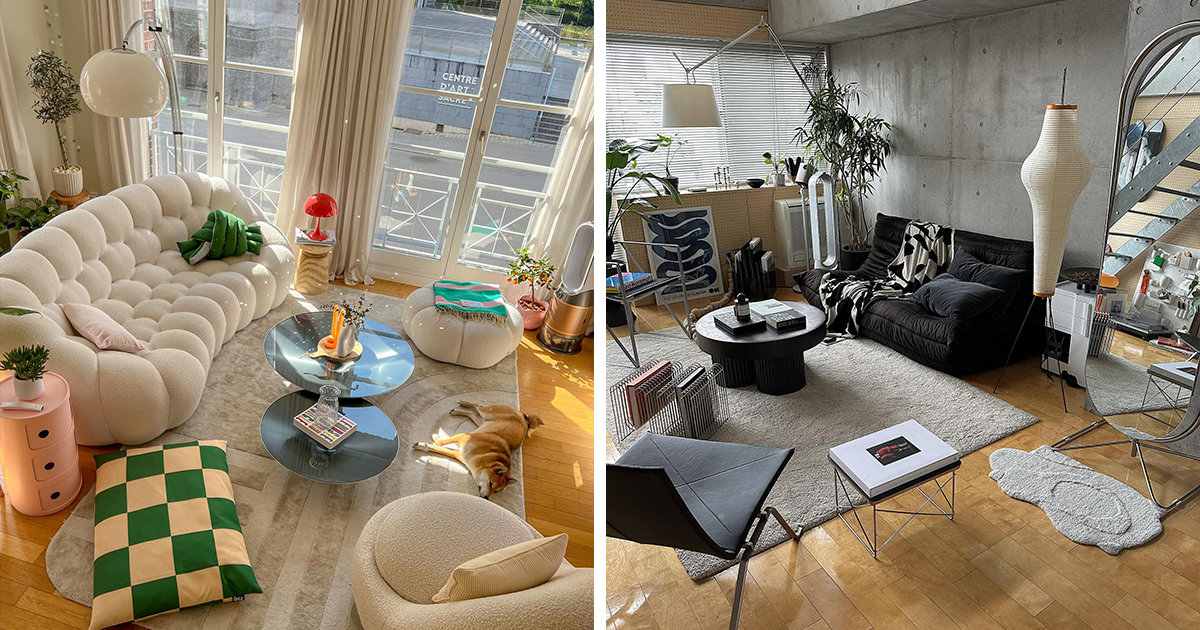
Your living room is the home’s unofficial headquarters. It hosts movie nights, family debates about where the remote went, lazy Sunday naps, snack emergencies, and the occasional guest who says, “Oh, I love what you’ve done with the place,” even when you only fluffed one pillow. That is the magic of a well-refreshed living room: it does not always require a full renovation, a designer budget, or a dramatic HGTV-style wall demolition. Sometimes, the right rug, better lighting, warmer colors, smarter furniture placement, and a few personal touches can make the room feel brand new.
Today’s best living room ideas are moving away from cold, overly perfect showrooms and toward spaces that feel comfortable, collected, and genuinely lived in. Designers are embracing warmth, layered textures, expressive colors, natural materials, vintage accents, and layouts that support real life. Translation: your living room is allowed to have personality. It can be polished without looking like nobody is allowed to sit down.
Below, you’ll find practical living room ideas and designer insights that can help refresh your interior with style, comfort, and common sense. No velvet rope required.
Start With the Room’s Real Purpose
Before choosing paint, buying a sofa, or ordering a coffee table large enough to land a helicopter on, ask one simple question: what does this room need to do? A living room for a family with kids and pets has different priorities than a formal sitting room used mostly for entertaining. A small apartment living room may need hidden storage and flexible furniture, while a large open-concept space may need zones for conversation, reading, TV, and working from home.
Interior designers often begin by defining the function of the space. Do you want a cozy lounge, a stylish hosting area, a media room, a reading retreat, or a multipurpose hub? Once the purpose is clear, every decision becomes easier. The sofa size, rug placement, lighting plan, color palette, and storage choices should all support the way you actually live.
Create a Layout That Encourages Conversation
One of the biggest living room mistakes is pushing every piece of furniture against the wall as if the sofa and chairs are waiting for a school dance to begin. While this may seem like it creates more space, it often makes the room feel awkward and disconnected. Designers frequently recommend pulling furniture inward to create a more intimate conversation zone.
Try placing the sofa and chairs so they face each other or angle toward a shared focal point. This might be a fireplace, a large window, a beautiful piece of art, or yes, the television. The goal is to create a layout where people can talk without shouting across the room like they are negotiating a peace treaty.
Leave clear walkways, especially between entrances, seating, and tables. A good living room layout should feel easy to move through. If guests have to shimmy sideways past the coffee table while holding a drink, the room is asking for help.
Use Rugs to Anchor the Space
A rug can completely change the mood of a living room. It adds softness, defines the seating area, introduces color or pattern, and makes furniture feel connected rather than randomly dropped into place. Designers often point out that many homeowners choose rugs that are too small. A tiny rug floating under a coffee table can make the entire room feel visually chopped up.
As a general rule, at least the front legs of the sofa and chairs should sit on the rug. In larger rooms, all furniture legs can sit on the rug for a more luxurious, grounded effect. If your living room is open-concept, rugs are also excellent tools for creating micro-zones. One rug can define the conversation area, while another can mark a reading nook or game table.
Refresh With Color, Not Chaos
Living room color trends are becoming warmer, deeper, and more personal. Soft whites and grays are still useful, but they are no longer the only safe choices. Earthy browns, muted greens, warm taupes, terracotta, deep navy, dusty plum, and rich beige can make a room feel inviting and current.
If you are nervous about bold color, start small. Paint one accent wall, update the trim, add colorful pillows, or introduce artwork with stronger tones. For a calm and timeless living room, use warm neutrals as the base and layer in color through textiles, ceramics, books, and plants. For a moodier space, consider deeper wall colors balanced with lighter upholstery and reflective accents.
Designer Tip: Test Paint in Real Light
Paint is a tiny magician. It can look creamy in the store, gray in the morning, yellow at noon, and suspiciously green at night. Always test paint samples on the wall and observe them during different times of day. Natural light, artificial light, flooring, and furniture all affect how color appears.
Layer Lighting Like a Designer
Overhead lighting alone rarely creates a beautiful living room. It can make the space feel flat, harsh, or oddly similar to a waiting room. A better approach is layered lighting: ambient, task, and accent lighting working together.
Ambient lighting provides general brightness through ceiling fixtures or recessed lights. Task lighting helps with reading, working, or playing games. Accent lighting adds mood and highlights art, shelves, plants, or architectural features. Use floor lamps, table lamps, sconces, picture lights, and dimmers to control the atmosphere.
Statement lighting is also having a major moment. A sculptural chandelier, oversized pendant, or unexpected lamp can become a design feature rather than just a practical object. Think of lighting as jewelry for the room. The right piece can make even a simple living room look dressed up.
Add Texture for Warmth and Depth
A room with only smooth surfaces can feel flat, even if the furniture is expensive. Texture is what makes a living room feel layered and inviting. Mix materials like linen, wool, velvet, leather, rattan, jute, wood, stone, ceramic, and metal. The combination creates visual interest without needing loud patterns or too many colors.
For example, pair a clean-lined sofa with a chunky knit throw, a jute rug, a marble or wood coffee table, linen curtains, and a ceramic lamp. The room will feel collected and cozy, not cluttered. Texture is especially important in neutral living rooms because it keeps beige from becoming boring. Beige is innocent; it just needs friends.
Choose Furniture With the Right Scale
Scale can make or break a living room. A huge sectional in a tiny room can feel like a furniture takeover. Tiny chairs in a large room can look like they wandered in from a dollhouse. Measure before buying and consider how each piece relates to the room, the rug, and the other furniture.
In small living rooms, consider large but streamlined anchor pieces rather than many small items. A well-proportioned sofa, one flexible accent chair, nesting tables, and wall-mounted storage can work better than a crowded collection of furniture. In large living rooms, use multiple seating zones, larger rugs, and substantial pieces to make the space feel comfortable instead of empty.
Make Storage Stylish
Clutter is the villain in many living room stories. The good news is that storage can be beautiful. Built-in shelves, media cabinets, storage ottomans, woven baskets, closed-door consoles, and coffee tables with drawers can hide everyday items while keeping the room functional.
If you have open shelving, style it with intention. Mix books, art, small sculptures, boxes, framed photos, and plants. Leave some empty space so the shelves can breathe. A shelf packed edge to edge with random objects can quickly go from “curated” to “yard sale with ambition.”
Bring in Natural Materials
Natural materials are a reliable way to make a living room feel relaxed, elevated, and timeless. Wood, stone, rattan, bamboo, linen, cotton, wool, jute, and clay add warmth and character. They also pair well with many styles, from modern farmhouse to coastal, organic modern, traditional, and contemporary.
Try a wood coffee table, woven shades, a stone side table, linen curtains, or ceramic accessories. Even one or two natural elements can soften a room filled with hard edges or synthetic finishes. The result feels more grounded and less like it was assembled entirely from a catalog in one frantic afternoon.
Use Art and Personal Objects to Tell a Story
The most memorable living rooms feel personal. They include items that say something about the people who live there: travel finds, family photos, vintage pieces, favorite books, handmade ceramics, local art, heirlooms, or quirky objects with a story. A room without personal touches can look stylish but forgettable.
Designers often recommend mixing old and new pieces instead of buying a complete matching set. A vintage chair beside a modern sofa, an antique mirror above a sleek console, or a handmade bowl on a contemporary coffee table can give the room depth. The goal is not perfection. The goal is personality with balance.
Refresh the Walls Without Remodeling
Walls are full of design potential. If your living room feels plain, consider adding visual interest with paint, wallpaper, molding, paneling, picture-frame trim, or a gallery wall. Wall treatments can make a basic room feel custom without changing the architecture.
For a subtle refresh, paint the walls and trim in slightly different tones. For a bolder update, use wallpaper on one wall or install simple molding to create dimension. If you rent, removable wallpaper and peel-and-stick molding can provide style without causing landlord panic.
Don’t Let the TV Boss the Whole Room Around
The television is important in many living rooms, but it does not have to dominate the design. Instead of making every chair point directly at the screen, consider placing the TV off to the side, hiding it in a media cabinet, surrounding it with art, or using a frame-style TV that looks more integrated.
If the TV is the main focal point, balance it with attractive storage, warm lighting, and layered decor. A media wall can look intentional when it includes shelves, books, art, plants, and closed storage. The trick is to make the TV part of the room, not the room’s elected ruler.
Try Micro-Zoning in Open Spaces
Open-concept living rooms are popular, but they can feel confusing when every activity happens in one large area. Micro-zoning solves this by creating smaller functional areas without building walls. A sofa can divide the living area from the dining space. A rug can define a reading corner. A console table behind the sofa can create a transition zone.
Use lighting, rugs, furniture placement, and color to give each area a purpose. For example, place a floor lamp and accent chair near a window for reading, then use a sectional and large rug for the main seating area. The room remains open but feels more organized and useful.
Refresh on a Budget
You do not need to replace everything to refresh your interior. Start by rearranging the furniture. Move a chair to a better corner, pull the sofa away from the wall, swap lamps between rooms, or restyle the coffee table. Sometimes the best shopping trip is a walk through your own house.
Next, update high-impact, low-cost elements. New pillow covers, throws, lampshades, curtains, art prints, plants, and hardware can change the room quickly. Paint is another budget-friendly powerhouse. A fresh wall color or painted bookshelf can make a major difference for less than the cost of a new sofa.
Seasonal Swaps Keep the Room Fresh
A living room does not have to look the same all year. Seasonal swaps are an easy way to keep the space feeling current. In spring and summer, use lighter textiles, fresh greenery, breezy curtains, and brighter accents. In fall and winter, bring in warmer throws, deeper colors, candles, and textured pillows.
This approach keeps your living room flexible and prevents design fatigue. It also gives you an excuse to own multiple throw blankets, which is not a problem. It is a lifestyle.
Designer Insights for a More Polished Living Room
Repeat Materials and Colors
Repeating colors and materials creates flow. If you have brass in a lamp, repeat it in a picture frame or side table detail. If your rug includes blue, echo that blue in pillows or artwork. Repetition makes a room feel intentional.
Balance Soft and Structured Pieces
A living room should not be all straight lines or all fluffy shapes. Pair a boxy sofa with round tables, a curved chair, or an arched mirror. Curves soften the room and make it feel more welcoming.
Leave Breathing Room
Not every corner needs furniture. Not every table needs five accessories. Negative space helps the eye rest and makes the pieces you do choose feel more important.
Invest Where It Matters
Spend more on items you use daily, such as the sofa, rug, and lighting. Save on accessories that you may want to change seasonally. A good sofa is a long-term relationship. A trendy pillow is more of a weekend fling.
Experience-Based Ideas: What Really Works When Refreshing a Living Room
After looking at countless living room makeovers, one lesson becomes obvious: the most successful refreshes usually start with editing, not buying. Before adding anything new, remove what no longer works. Take out tired decor, extra side tables, unused baskets, old magazines, and accessories that are only there because they have always been there. Once the room is simplified, it becomes easier to see what is missing.
A practical refresh often begins with the sofa wall. This is usually the largest visual area in the room, so improving it can change the whole space. If the wall is blank, add one large piece of art, a balanced gallery arrangement, or simple molding. If the sofa looks lonely, add side tables and lamps. If the room feels low or flat, hang curtains closer to the ceiling to draw the eye upward. This one adjustment can make the living room feel taller and more finished.
Another real-world trick is to check the room from the entrance. Designers often evaluate how a space feels the moment someone walks in. What is the first thing you see? A beautiful chair and lamp? A pile of shoes? The back of a sofa? A wall of cords having a nervous breakdown? Improving the first view can make the entire living room feel more intentional.
Comfort should also be tested, not assumed. Sit in every chair. Can you reach a table? Is there a lamp nearby? Can you put down a drink? Can two people have a conversation without twisting their necks? A living room may look great in photos but fail in daily life if it does not support basic comfort. The best rooms make relaxing feel effortless.
Lighting is another area where small changes deliver big results. Replacing a cold bulb with a warmer one can instantly soften the mood. Adding a table lamp to a dark corner can make the room feel larger and more inviting. Installing dimmers can turn the same living room from homework zone to dinner-party lounge with one tiny slide of a switch. It is basically mood magic, but with electricity.
For families, pets, or busy households, performance fabrics and washable textiles are worth considering. A beautiful living room should not require everyone to hover nervously above the furniture. Choose durable upholstery, forgiving patterns, and rugs that can handle real life. Style is wonderful, but so is not panicking every time someone opens a juice box.
Finally, the best living room refreshes happen gradually. A collected room feels better than a room bought all at once. Add pieces over time. Wait for art you truly love. Choose a vintage table with character. Frame a meaningful photo. Bring home a plant that makes the corner feel alive. A living room should evolve with you, not freeze into a showroom pose.
Conclusion
Refreshing your interior does not require starting from scratch. The best living room ideas combine smart layout, comfortable furniture, layered lighting, warm color, natural materials, useful storage, and personal details. A designer-worthy space is not about copying a trend perfectly; it is about creating a room that supports your life and makes you happy to come home.
Start with purpose. Improve the layout. Choose the right rug. Add texture, lighting, and color. Edit what feels tired and bring in pieces that tell your story. Whether your style is modern, traditional, coastal, eclectic, organic, or somewhere between “quiet luxury” and “my dog owns this sofa,” your living room can feel refreshed, beautiful, and completely yours.