Some cookware whispers, “Let’s make dinner.” La Cintura di Orione from Alessi walks into the kitchen wearing polished stainless steel, clears its throat, and says, “Tonight, we are reducing a sauce with dignity.” This famous Alessi pots and pans collection is not just another pretty set of kitchen tools. It is a design-led cookware family created for serious home cooks who want professional behavior from their pans without turning the kitchen into a restaurant line where everyone is yelling “Behind!” every seven seconds.
The name La Cintura di Orione means Orion’s Belt, a fitting title for cookware that feels celestial, structured, and slightly dramatic in the best way. Designed by Richard Sapper for Alessi, the series began in 1986 and was developed with the insight of celebrated chefs, including names associated with French and Italian haute cuisine. The goal was ambitious: build cookware for the “private gourmet,” the passionate home cook who reads recipes like bedtime stories and owns at least one utensil that scares guests.
Today, the La Cintura di Orione pots and pans remain one of Alessi’s most interesting kitchen collections because they sit at the intersection of design, metallurgy, cooking technique, and everyday usability. They are elegant enough to display, sturdy enough to use, and expensive enough to make you politely ask houseguests not to scrape the pan with a fork as if they are mining for fossils.
What Is La Cintura di Orione by Alessi?
La Cintura di Orione is a premium cookware line from Alessi, the Italian design house known for turning ordinary household objects into collectible, functional sculptures. Alessi has long collaborated with architects, industrial designers, and chefs, and this collection follows that tradition with unusual seriousness. Instead of designing one universal pan and hoping it could do everything, the line was conceived as a group of specialized cooking vessels, each shaped and built for particular culinary tasks.
The collection includes items such as a frying pan, saucepan, stockpot, low casserole, two-handle casserole, oval cocotte, sauteuse, and matching lids. Depending on the model, materials may include multiply stainless steel with an aluminum core, magnetic steel suitable for induction cooking, or copper paired with stainless steel for heat performance and durability.
That material variety is important. La Cintura di Orione was not designed as cookware wallpaper. It was designed to match cooking jobs. A tall stockpot needs different behavior than a frying pan. A casserole for braising benefits from heat retention and distribution. A sauteuse should help with controlled reduction and movement. In other words, the collection has culinary logic baked into the metal.
The Design Story: Richard Sapper Meets the Private Gourmet
Richard Sapper was one of the great industrial designers of the twentieth century, known for creating objects that balanced technical intelligence with clean, memorable form. His work for Alessi includes the famous 9090 espresso maker, a design object that helped connect kitchen equipment with museum-worthy industrial design. With La Cintura di Orione, Sapper approached cookware as a technical system, not just a product category.
The collection was developed with advice from renowned chefs, including figures such as Pierre and Michel Troisgros, Gualtiero Marchesi, Alain Chapel, Raymond Thuilier, Roger Vergé, and Angelo Paracucchi, with gastronomic coordination connected to Alberto Gozzi. That matters because chef input helps explain why the line feels so task-specific. The frying pan is not simply a round shiny thing. The casserole is not merely a pot with two ears. The forms, proportions, and materials all point toward specific results: searing, simmering, braising, steaming, reducing, and finishing dishes with more control.
Alessi describes the project as dedicated to passionate home cooks who often reach for near-professional tools because cooking is not just a chore for them. It is a ritual, hobby, craft, and occasionally a mild obsession. If you have ever bought special salt for one recipe and then defended that purchase like a courtroom attorney, congratulations: you understand the target audience.
Materials and Construction: Why These Pots and Pans Matter
Multiply Stainless Steel with Aluminum
Many current La Cintura di Orione pieces use multiply construction, often described as layers of steel, aluminum, and 18/10 stainless steel. The purpose is practical. Stainless steel is strong, hygienic, and resistant to corrosion, but it is not the most enthusiastic heat conductor at the party. Aluminum conducts heat more quickly, helping spread heat across the cooking surface. By combining these materials, the pan gains durability from stainless steel and more responsive heat behavior from aluminum.
This layered construction is especially useful for everyday cooking. It helps reduce severe hot spots, supports more predictable browning, and gives the cook more control when moving from a hard sear to a gentle simmer. You still need techniqueno pan can save a steak from being flipped every eight seconds by an anxious cookbut good construction gives you a better starting point.
Magnetic Steel for Induction Cooking
Several current pieces in the collection are compatible with induction cooktops because they include a magnetic steel bottom. Induction cooking requires cookware that can interact with a magnetic field. Copper and aluminum alone generally will not work on induction, which is why induction-ready cookware usually needs a magnetic stainless steel layer or base.
For modern kitchens, this is a major advantage. More American homeowners are considering induction because it offers fast heating, precise control, easier cleanup, and improved indoor air quality compared with gas cooking. A premium cookware line that looks timeless but still works on induction has a real edge. It means the pan can move from a traditional gas burner to a sleek glass induction surface without having an identity crisis.
Copper and Stainless Steel Pieces
Some La Cintura di Orione pieces use copper with 18/10 stainless steel. Copper is prized because it responds quickly to changes in heat, which makes it excellent for delicate sauces, controlled reductions, and precise cooking. Stainless steel adds a practical cooking surface that is easier to live with than bare copper inside the pan. This combination brings performance and durability together, though copper pieces require more care if you want the exterior to stay bright and glamorous instead of developing the moody patina of an old pirate coin.
Key Pieces in the La Cintura di Orione Collection
Frying Pan
The La Cintura di Orione frying pan is designed for tasks such as browning, sautéing, and searing. Its multiply construction helps distribute heat, while the stainless steel cooking surface supports the development of fondthe browned bits that cling to the pan and later become the foundation of a pan sauce. Fond is basically flavor confetti, and stainless steel is very good at making it happen.
This pan is best for cooks who enjoy control. Unlike nonstick cookware, stainless steel asks you to preheat properly, add enough fat, and let proteins release naturally. Rush the process and your chicken may cling like it has separation anxiety. Use the pan correctly and you get better browning, stronger flavor, and a more satisfying cooking experience.
Saucepan
The saucepan is one of the most useful everyday pieces. It is suitable for sauces, grains, reheating soups, melting butter, making custards, and cooking small portions. In the La Cintura di Orione line, the saucepan’s multiply construction and induction compatibility make it a refined workhorse. It is the kind of pan you reach for constantly, which is exactly why buying a good one makes sense.
Stockpot
The stockpot is made for boiling, simmering, and steaming. Think pasta, broth, beans, shellfish, corn, and big-batch soups. A good stockpot should heat evenly enough to avoid aggressive scorching at the base while maintaining enough volume for long cooking. The Alessi stockpot’s cylindrical form and layered metal construction make it a practical piece for cooks who like big flavors and large portions.
Two-Handle Casserole
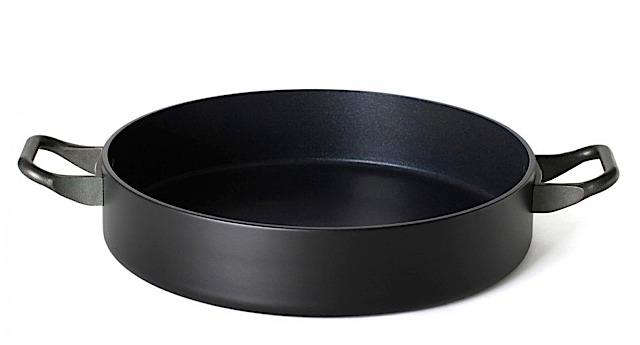
The casserole with two handles is one of the collection’s most chef-minded pieces. It is suited to braising, stewing, roasting, and risotto. The two handles make it easier to move when full, which is important because hot liquid and optimism are not a safe combination. Copper-and-steel versions emphasize heat conduction and strength, making this piece especially appealing for slow, controlled cooking.
Low Casserole and Sauteuse
The low casserole and sauteuse are excellent for dishes that need surface area: risotto, shallow braises, vegetable preparations, reductions, and finishing pasta with sauce. The lower sides encourage evaporation, which helps concentrate flavor. This is the cookware equivalent of turning up the drama but keeping the dialogue crisp.
Oval Cocotte
The oval cocotte is the piece that makes you want to cook something with herbs, wine, and a backstory. Oval shapes are useful for longer cuts of meat, whole fish, poultry, and slow-cooked dishes that benefit from even heat around the ingredients. It is a visually impressive vessel, but it is not just decoration. Its shape gives it a real role in the kitchen.
Performance in the Kitchen: What to Expect
La Cintura di Orione cookware is built for cooks who pay attention. That does not mean it is difficult to use, but it does reward proper technique. With stainless steel, preheating matters. A common approach is to warm the pan over medium heat, add oil after the pan is hot, and wait until the oil shimmers before adding food. If the pan is too cold, food sticks. If it is too hot, oil smokes and dinner begins its journey toward “learning experience.”
Once you learn the rhythm, stainless steel cookware becomes extremely versatile. You can sear meat, sauté vegetables, build sauces, deglaze with wine or stock, and transfer some pieces from stovetop to oven if the model allows. Always check the manufacturer’s care instructions for specific temperature limits, especially with lids or handles.
Compared with basic cookware, the biggest advantage of a premium line like La Cintura di Orione is consistency. You are paying for design, materials, construction, and a particular cooking philosophy. This is not a bargain-bin pan that warps after a few dramatic encounters with high heat. It is cookware meant to be used, maintained, and enjoyed for years.
Who Should Buy La Cintura di Orione Pots and Pans?
This cookware is best for serious home cooks, design collectors, and anyone building a long-term kitchen around fewer, better tools. It is also a strong choice for people who care about how objects look in the kitchen. Let’s be honest: some cookware performs well but looks like it was designed during a committee meeting in a storage closet. La Cintura di Orione has presence.
It may not be the right first cookware purchase for a beginner on a tight budget. If you mostly boil instant noodles, scramble eggs in a hurry, and use pans as temporary mail storage, this collection may be more cookware than you need. However, if you cook regularly and want pieces that combine function with design heritage, it becomes much easier to justify.
The best strategy is not necessarily to buy every piece. Start with the item that matches your cooking style. If you make sauces and grains often, begin with the saucepan. If you sear fish, chicken, or vegetables, consider the frying pan. If you love soups, beans, or pasta, the stockpot will earn its cabinet space. If your weekend personality involves braising short ribs while pretending you are in a rustic Italian farmhouse, the casserole or cocotte is calling your name.
Care and Maintenance Tips
To keep La Cintura di Orione cookware looking and performing its best, treat it like a high-quality tool, not a disposable kitchen prop. Let pans cool before washing to reduce the risk of thermal shock. Use warm water, mild dish soap, and a non-abrasive sponge for daily cleaning. For stuck-on food, soak the pan or simmer a little water in it to loosen residue.
Stainless steel discoloration can happen, especially from overheating or mineral deposits. A small amount of vinegar or a stainless steel-safe cleanser can help restore brightness. Avoid steel wool or harsh abrasive pads, which can scratch polished surfaces. For copper exterior pieces, expect patina unless you polish them regularly. Patina is not failure; it is character. Still, if you want mirror-bright copper, prepare for polishing. Copper beauty is not lazy beauty.
Also, avoid adding salt to cold water in stainless steel cookware and letting it sit undissolved at the bottom. Add salt once the water is boiling and stir. This simple habit can help reduce the risk of pitting. It is a tiny step, but cookware appreciates manners.
Design Value: More Than Just a Pot
One reason Alessi cookware attracts attention is that it treats kitchen objects as part of daily culture. A pot is not merely a container for soup. It is something you touch, lift, clean, store, display, and maybe pass down. La Cintura di Orione reflects the idea that everyday objects deserve thoughtful design because everyday life is where design matters most.
The collection’s polished surfaces, clean lines, and purposeful forms make it feel modern without chasing trends. It does not rely on flashy colors or gimmicks. Instead, it uses proportion, material contrast, and technical clarity. That restraint is why the line still feels relevant decades after its original launch.
Practical Cooking Examples
Use the frying pan for chicken thighs with lemon and capers. Sear the chicken skin-side down until crisp, remove it, then deglaze the pan with white wine or stock. The browned bits dissolve into the sauce, and suddenly you look like you know what you are doing. Add butter at the end and accept applause from anyone within smelling distance.
Use the saucepan for risotto-style farro, custard, oatmeal, or a small tomato sauce. The controlled heat helps prevent scorching, while the stainless steel interior makes it easy to monitor color and texture. Use the stockpot for Sunday broth, pasta water, steamed vegetables, or seafood boils. Use the casserole for short ribs, mushroom ragù, lamb stew, or risotto Milanese. The cookware encourages slow, attentive cookingthe kind where you taste, adjust, and maybe talk to the pot a little. No judgment.
Buying Advice: How to Choose the Right Piece
Before buying, think about your cooktop, storage, cooking habits, and cleaning tolerance. If you use induction, confirm the exact piece is induction compatible. If you want low-maintenance cookware, stainless multiply pieces are easier than copper exterior pieces. If you have limited cabinet space, choose one versatile pan rather than a full collection. A beautiful pan you use weekly is better than five beautiful pans stacked in a cabinet like luxury pancakes.
Also consider weight and handle style. Premium cookware often feels more substantial than budget cookware. That can be good for stability and performance, but it matters if you frequently lift pans when full. A stockpot full of soup is already a small workout; no need to accidentally join a strength-training program during dinner.
Experiences with La Cintura di Orione in a Real Kitchen
Cooking with La Cintura di Orione feels different from using ordinary cookware because the pieces ask you to slow down a little. The first experience many cooks notice is visual: the pan looks serious before anything even hits the burner. The polished steel catches the light, the silhouette feels precise, and the whole object gives the impression that dinner should involve fresh herbs instead of a packet labeled “cheese flavor.”
The second experience is heat control. With a quality stainless or multiply pan, you learn quickly that medium heat is often enough. Many home cooks blast stainless steel pans on high because they assume more heat equals better browning. Then the kitchen fills with smoke, the chicken sticks, and the smoke alarm contributes a solo. La Cintura di Orione rewards patience. Preheat gently, add oil, wait for the surface to be ready, and the pan behaves beautifully.
A practical example is searing salmon. In a cheap thin pan, the center may scorch while the edges lag behind, leaving you with fish that is both overcooked and somehow still pale. In a better-constructed frying pan, heat spreads more evenly, giving the fish a cleaner sear. You still need to dry the fish, season it, and resist poking it every ten seconds. The pan is excellent, not magical. But it does make good technique easier to repeat.
The saucepan experience is more subtle but equally satisfying. When making béchamel, custard, or chocolate sauce, even heat and responsiveness matter. A well-built saucepan gives you time to react. It does not punish a half-second of distraction as brutally as a thin pan. You can whisk, adjust the heat, and watch the texture change gradually. That makes cooking feel less like emergency management and more like craft.
The stockpot is the piece that quietly earns respect over time. It may not be as glamorous as the frying pan, but it becomes essential when making broth, pasta, beans, or soup. A good stockpot feels stable on the burner and offers enough capacity without turning into a kitchen cauldron. When simmering chicken stock, the steady heat helps maintain a gentle bubble rather than a rolling boil that turns the broth cloudy and aggressive. Soup should comfort people, not threaten them.
Cleaning is part of the experience, too. Stainless steel cookware tells the truth. If you overheat oil, it shows. If minerals leave cloudy marks, it shows. But that honesty is manageable. A soak, a non-abrasive sponge, vinegar for discoloration, and occasional stainless cleaner can bring the pan back to form. Over time, small marks may appear, and that is not a tragedy. Cookware that is actually used develops a life. A flawless pan that never cooks is just expensive wall art.
Guests also notice La Cintura di Orione. Not always by name, of course. Most people will not stroll into your kitchen and say, “Ah yes, Richard Sapper’s cookware developed with chef consultation.” If they do, marry them or at least invite them to dinner again. But people notice the shine, the proportions, and the sense that the kitchen is cared for. The cookware becomes part of the room’s personality.
The best experience, however, is the confidence it creates. Good cookware does not make you a great cook overnight, but it removes excuses. It gives you better heat, better control, and better feedback. You begin to understand why chefs care so much about pans. A pan is not just the thing beneath the food; it is an active partner in the result. La Cintura di Orione makes that partnership feel intentional, elegant, and a little cinematic.
Conclusion
La Cintura di Orione pots and pans from Alessi are not ordinary kitchen tools. They are design objects with culinary purpose, created for home cooks who care about performance, materials, and beauty. With Richard Sapper’s industrial design intelligence, chef-informed development, and Alessi’s commitment to expressive household objects, the collection remains a standout in premium cookware.
For the right cook, this line offers more than heat and metal. It offers a way of thinking about the kitchen as a place where function and pleasure belong together. The pans can sear, simmer, braise, boil, reduce, and serve as a daily reminder that cooking is better when your tools feel as considered as your ingredients. And if they make your kitchen look slightly more sophisticated than your actual weeknight menu, well, that is between you and the saucepan.