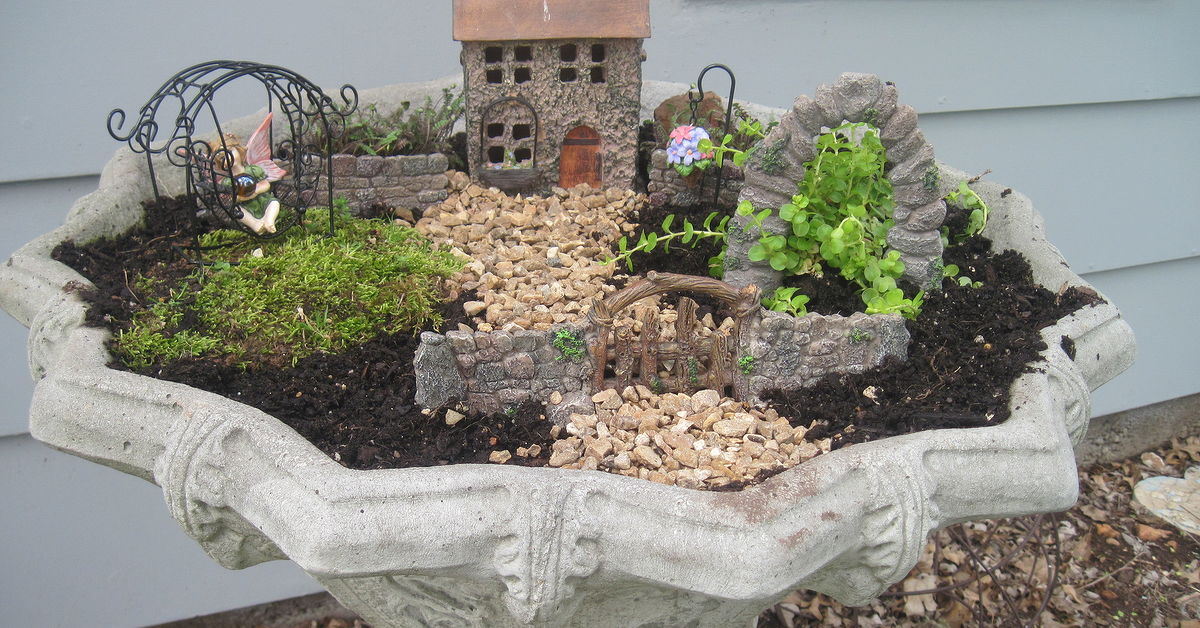
A fairy garden is proof that a garden does not need to be huge to feel magical. In fact, the smaller it is, the more charming it often becomes. A teacup, a broken clay pot, a wooden crate, a shady corner under a tree, or even an old wheelbarrow can turn into a tiny world with winding pebble paths, miniature doors, mossy lawns, and plants that look like they were personally approved by a council of very picky woodland fairies.
At its heart, a fairy garden is a miniature landscape designed with small plants, natural materials, tiny accessories, and a generous splash of imagination. It may be whimsical, rustic, elegant, child-friendly, spooky, cottage-style, beach-themed, or modern enough that the fairies look like they have excellent Wi-Fi. The best part? You do not need a professional landscaping budget. You need a container, the right plants, good drainage, a theme, and a willingness to treat a pebble like a boulder.
This guide explains how to design, plant, decorate, and care for a fairy garden that looks enchanting without becoming a soggy bowl of regrets. Whether you want an indoor fairy garden, an outdoor miniature garden, a succulent fairy garden, or a DIY fairy garden project for kids, the steps below will help you build a tiny world that actually lasts.
What Is a Fairy Garden?
A fairy garden is a small-scale decorative garden that combines living plants with miniature objects to create the illusion of a tiny inhabited world. Think of it as landscape design, but with fewer zoning permits and more mushrooms. Instead of full-size shrubs, trees, and pathways, a fairy garden uses dwarf plants, moss, stones, shells, bark, twigs, miniature furniture, tiny houses, and fairy figurines.
Some fairy gardens are planted in containers, while others are tucked into outdoor beds near tree roots, patios, porches, or garden borders. Indoor fairy gardens often use terrariums, shallow bowls, glass jars, or ceramic pots. Outdoor fairy gardens may use hardy groundcovers, small perennials, dwarf conifers, and weather-resistant accessories.
The secret is scale. A tiny bench beside a small-leafed plant suddenly looks like a bench under a tree. A flat stone becomes a patio. Blue glass pebbles become a pond. A curved twig becomes an archway. Once your brain switches into miniature mode, everything in the junk drawer starts looking suspiciously useful.
Why Fairy Gardens Are So Popular
Fairy gardens appeal to both gardeners and non-gardeners because they are creative, flexible, and forgiving. A traditional garden can take months or years to mature. A fairy garden can be built in an afternoon. It is also a great project for small spaces, apartments, balconies, classrooms, porches, and family craft days.
For children, fairy gardens encourage storytelling, observation, and hands-on learning. For adults, they offer a relaxing creative outlet that combines gardening, design, crafting, and nostalgia. There is something deeply satisfying about arranging a miniature path and thinking, “Yes, this is exactly where a fairy would park her acorn scooter.”
Fairy gardens are also easy to personalize. A beach lover can use sand, shells, driftwood, and blue glass. A woodland fan can use moss, bark, pinecones, and tiny mushrooms. A book lover can build a little reading nook. A Halloween enthusiast can create a gothic fairy garden with dark foliage, crooked fences, and a tiny sign that says “Trespassers Will Be Turned Into Toads.”
Best Places to Build a Fairy Garden
Indoor Fairy Garden
An indoor fairy garden works well in a bright windowsill, tabletop terrarium, kitchen counter, office desk, or child’s room. Choose plants that tolerate indoor conditions, such as small peperomia, pilea, baby tears, polka-dot plant, fittonia, miniature ferns, or air plants. If you prefer a low-maintenance design, succulents can work beautifully as long as they receive strong light and are planted in a fast-draining mix.
Indoor gardens should be easy to water and clean. Avoid containers that trap excess water unless you use a removable nursery pot inside the decorative container. Fairy furniture is adorable; root rot is not.
Outdoor Fairy Garden
An outdoor fairy garden can be placed near a tree, under shrubs, along a walkway, on a porch, or in a garden bed. Outdoor designs should use plants suited to your climate, light conditions, and seasonal weather. Dwarf thyme, sedum, ajuga, Irish moss, miniature hosta, hens and chicks, creeping Jenny, and dwarf conifers can all create convincing miniature landscapes when matched to the right location.
Outdoor accessories should be weather-resistant. Resin, stone, sealed wood, terra-cotta, metal, and natural materials usually perform better than thin plastic or paper decorations. If your area gets heavy rain, strong sun, snow, or enthusiastic squirrels, secure tiny pieces so your fairy garden does not relocate itself during the night.
Container Fairy Garden
A container fairy garden is the most beginner-friendly option. You can use a shallow bowl, ceramic pot, wooden box, galvanized tub, broken clay pot, basket with a liner, or vintage container. The container should have drainage holes, especially if you are using live plants. Without drainage, water can collect around the roots and cause rot.
Broken pot fairy gardens are especially popular because the cracked pieces can become terraces, stairs, or retaining walls. This is the rare moment in life when breaking a flowerpot can be called “design development.”
How to Make a Fairy Garden Step by Step
Step 1: Choose a Theme
Before buying plants or accessories, decide what kind of tiny world you want to create. A clear theme keeps the design from looking like a craft store exploded in a planter.
Popular fairy garden themes include woodland cottage, beach vacation, enchanted forest, mushroom village, tea party, farm garden, desert fairy garden, secret reading nook, holiday fairy garden, butterfly garden, and miniature herb garden. Your theme does not need to be complicated. Even “tiny cozy house with a path” is enough to guide your choices.
Step 2: Pick the Right Container
Choose a container that fits your space and plant choices. Shallow containers are great for succulents and small-rooted plants. Deeper pots work better for plants that need more soil volume. Wide containers give you more room for paths, furniture, and layered scenes.
Make sure the container has at least one drainage hole. If it does not, use the two-pot method: plant in a smaller nursery pot with drainage, then place that pot inside the decorative container. Remove it for watering and let it drain before putting it back.
Step 3: Use the Right Potting Mix
Do not use heavy garden soil in a container fairy garden. It can compact, drain poorly, and make roots unhappy. Use a quality potting mix suited to your plants. For tropical miniature plants and ferns, choose a general indoor potting mix that holds some moisture but still drains well. For succulents and cacti, use a cactus or succulent mix with excellent drainage.
If you combine plants in one fairy garden, choose plants with similar water and light needs. A fern that loves steady moisture and a cactus that likes dry soil are not roommates; they are a future argument.
Step 4: Arrange the Largest Pieces First
Place the largest items first, such as the fairy house, small tree-like plant, rock, bridge, or focal accessory. This creates the structure of your miniature landscape. Then add paths, patios, smaller plants, and decorative details.
A good fairy garden usually has a focal point, a path, and a sense of movement. The viewer’s eye should travel from the entrance to the house, from the house to a tiny bench, or from a pebble path to a miniature pond. Even in a tiny garden, design flow matters.
Step 5: Plant in Layers
Use taller plants in the back or center, medium plants around the focal point, and low-growing plants along edges or paths. This creates depth and makes the garden look more natural. Plants with small leaves work best because they stay in scale with the miniature accessories.
For a woodland effect, try baby tears, moss, miniature ferns, fittonia, and small ivy. For a sunny succulent fairy garden, try echeveria, sedum, haworthia, hens and chicks, and small crassula. For an herb-themed fairy garden, use creeping thyme, oregano, or dwarf rosemary in an outdoor sunny spot.
Step 6: Add Paths, Patios, and Tiny Details
Miniature hardscaping turns a pot of plants into a scene. Use pea gravel, small flat stones, aquarium gravel, sand, bark chips, glass pebbles, or crushed shells to create paths and sitting areas. A tiny patio can be made from broken tile, slate chips, or smooth stones.
Then add accessories with restraint. A fairy door, bench, ladder, birdbath, signpost, mushroom, lantern, and tiny fence can all be charming, but using every accessory at once may make the garden look like a fairy yard sale. Leave some open space so the plants and story can breathe.
Best Plants for a Fairy Garden
The best fairy garden plants are small, slow-growing, and easy to maintain. Look for miniature leaves, compact growth habits, and textures that resemble full-size trees, shrubs, grass, or groundcovers.
Good Indoor Fairy Garden Plants
- Baby tears for a lush, mossy carpet effect
- Fittonia for colorful veined leaves
- Polka-dot plant for cheerful foliage
- Miniature peperomia for compact indoor greenery
- Small ferns for a woodland look
- Pilea varieties for round, playful leaves
- Air plants for glass containers and low-soil displays
Good Outdoor Fairy Garden Plants
- Creeping thyme for sunny miniature lawns
- Sedum for dry, sunny containers
- Hens and chicks for tiny rosette “shrubs”
- Irish moss for a soft green carpet in cool, moist spots
- Ajuga for low-growing foliage and seasonal flowers
- Miniature hosta for shaded fairy gardens
- Dwarf conifers for year-round structure
When selecting plants, always match the plant to the environment. A shade-loving plant placed in blazing afternoon sun will not become magical; it will become crispy. A succulent in a dark room will stretch and sulk. Light, water, and soil are still the rules, even when fairies are involved.
Fairy Garden Design Ideas
Woodland Fairy Garden
Use moss, bark, pinecones, stones, twigs, and small ferns to create a natural forest floor. Add a tiny door at the base of a tree or place a small cottage under a dwarf conifer. This style looks best when the accessories seem slightly hidden, as if you discovered the fairy village by accident.
Succulent Fairy Garden
A succulent fairy garden is ideal for sunny windowsills, patios, and dry climates. Use echeveria as rosette shrubs, sedum as groundcover, and haworthia as sculptural accents. Add gravel paths, tiny clay pots, and a miniature bench for a desert-cottage feeling.
Broken Pot Fairy Garden
A broken terra-cotta pot can become a tiered fairy village. Use the broken pieces to form steps or terraces, then plant small succulents or creeping plants in each level. It looks complicated, but the secret is simply stacking the shards securely and filling around them with soil.
Beach Fairy Garden
Use sand, shells, driftwood, blue glass stones, and miniature beach chairs. Choose drought-tolerant plants or air plants if the design is mostly decorative. A tiny “ocean” made from blue glass pebbles can add sparkle without requiring actual water.
Kids’ Fairy Garden
For children, keep the design sturdy and interactive. Use larger accessories, washable stones, durable plants, and a container that can handle a little creative rearranging. Let kids name the fairy village, build signs, and make furniture from craft sticks or twigs. The goal is not perfection. The goal is delight, plus maybe five quiet minutes.
How to Care for a Fairy Garden
Fairy gardens are small, which means conditions change quickly. Soil can dry out faster in shallow containers, while closed terrariums can hold too much moisture. Check the soil before watering. If the top layer feels dry and the plants need moisture, water gently at the base. Avoid blasting the garden with a watering can like you are putting out a fairy house fire.
Use a small watering can, squeeze bottle, turkey baster, or spray bottle depending on the plants. Succulents prefer deeper but less frequent watering. Tropical plants may need more consistent moisture. Moss often likes humidity and shade but can brown in dry indoor air.
Prune plants when they outgrow the scene. Trim creeping plants, pinch leggy stems, and remove dead leaves. If one plant becomes too large, replace it. Miniature gardening is part planting, part editing.
Clean accessories occasionally. Outdoor pieces can collect soil, algae, or mineral deposits. Indoor pieces can gather dust. A soft brush or damp cloth usually does the job. During harsh winter weather, bring delicate accessories indoors or store them until spring.
Common Fairy Garden Mistakes to Avoid
Using Plants With Different Needs
Mixing moisture-loving ferns with drought-loving succulents is one of the fastest ways to create drama, and not the charming kind. Group plants by light and water requirements.
Forgetting Drainage
Drainage is essential for most live fairy gardens. A cute container without drainage can still work if you use a removable inner pot, but planting directly into a sealed container requires very careful watering.
Overdecorating
Miniature accessories are addictive. One tiny chair leads to a tiny table, then a tiny mailbox, then suddenly there is a tiny real estate crisis. Choose a few meaningful pieces and let the plants do some of the storytelling.
Ignoring Scale
Scale makes the magic believable. Pair tiny furniture with small-leafed plants and fine-textured materials. Large leaves can make a fairy bench look like it has been abandoned in a jungle.
Placing It in the Wrong Light
Read plant labels and place the garden accordingly. Most succulents need bright light. Many ferns and mosses prefer shade or filtered light. Matching the garden to the location is easier than forcing the location to behave.
Budget-Friendly Fairy Garden Tips
You do not need expensive miniatures to create a beautiful fairy garden. Some of the best materials are free or nearly free. Twigs can become fences, bark can become roofs, acorn caps can become bowls, pebbles can become stepping stones, and bottle caps can become tiny planters. Craft sticks, corks, buttons, beads, and broken jewelry can also be repurposed.
Thrift stores are excellent places to find small containers, teacups, bowls, trays, and decorative objects. Garden centers often sell small starter plants that are perfect for miniature landscapes. You can also divide larger plants, root small cuttings, or use natural objects collected from your yard.
The most charming fairy gardens often look handmade rather than store-bought. A crooked twig fence has more personality than a perfect plastic one. Fairies, according to absolutely no scientific study but strong emotional evidence, prefer character.
Seasonal Fairy Garden Ideas
A fairy garden can change with the seasons. In spring, add tiny flowers, pastel stones, and fresh moss. In summer, use beach themes, bright accessories, and drought-tolerant plants. In fall, decorate with miniature pumpkins, acorns, dried leaves, and warm colors. In winter, add tiny evergreen branches, pinecones, white stones, and weatherproof lights.
Seasonal updates keep the garden interesting without requiring a full redesign. Swap a sign, add a new path material, move a bench, or change the focal point. Small changes feel big in a miniature garden.
Fairy Garden Experiences: What Building One Actually Teaches You
Building a fairy garden sounds simple until you are kneeling beside a pot, holding three pebbles, and seriously debating which one looks most like a front porch. That is when the experience becomes more than a craft project. It becomes a small lesson in patience, scale, creativity, and plant care.
One of the first things many people notice is how quickly a fairy garden changes the way they look at ordinary objects. A twig is no longer just a twig. It might be a fence post, a ladder, a bridge, or the support beam for a fairy cottage with questionable building permits. A smooth stone becomes a walkway. A seedpod becomes a basket. A broken pot becomes a hillside village. This shift in perspective is one of the most enjoyable parts of the process.
Another experience is learning that small gardens still require real gardening decisions. The tiny size can trick beginners into thinking anything will work anywhere. Then the fern wilts in full sun, the succulent stretches in shade, or the moss turns brown beside a hot window. A fairy garden teaches plant matching in a low-risk way. You learn to ask practical questions: How much light does this spot get? Does the container drain? Do these plants like the same moisture level? The answers matter, even when the garden is small enough to fit on a dinner plate.
Fairy gardens also teach restraint. At first, it is tempting to add every adorable miniature you find: a cottage, bridge, pond, chair, table, mushroom, bicycle, lantern, fence, mailbox, and possibly a fairy-sized espresso machine. But the best designs usually leave breathing room. Empty space makes the path feel real. A single bench under a plant can say more than ten accessories competing for attention.
For families, the experience can become a shared story. Children often give the fairies names, invent rules for the village, and rearrange the scene based on dramatic events no adult fully understands. Maybe the pebble path moved because “the fairies had a parade.” Maybe the tiny chair is upside down because “a dragon visited.” Instead of correcting every detail, let the story grow. A fairy garden is one of the rare home projects where imagination is not just allowed; it is the main ingredient.
For adults, the experience can be surprisingly calming. Working at miniature scale slows the mind. You focus on textures, placement, balance, and tiny details. It feels playful without needing to be childish. In a world full of giant screens, loud schedules, and never-ending notifications, arranging moss around a tiny stone cottage can feel wonderfully quiet.
The most rewarding moment comes a few weeks later, when the plants begin to settle in. The thyme creeps over the path. The sedum fills a corner. The moss softens the edges. The garden starts to look less assembled and more discovered. That is when a fairy garden becomes truly magicalnot because fairies definitely moved in, but because you created a little place that invites people to pause, smile, and look closer.
Conclusion
A fairy garden is a miniature landscape with a big personality. It can be simple or elaborate, indoor or outdoor, rustic or polished, living or partly decorative. The key is to choose the right location, use plants with similar needs, provide proper drainage, keep the scale believable, and decorate with intention.
Whether you build a woodland cottage in a broken pot, a succulent village on a sunny windowsill, or a mossy fairy path under a backyard tree, the process is as enjoyable as the finished garden. A fairy garden invites creativity, storytelling, and a little botanical mischief. And if anyone asks why you are carefully arranging pebbles with tweezers, simply tell them you are working on infrastructure for very small residents.
Note: This article is written for web publication and synthesizes practical gardening guidance from reputable U.S. gardening, horticulture, home, and extension-style resources without copying source text.