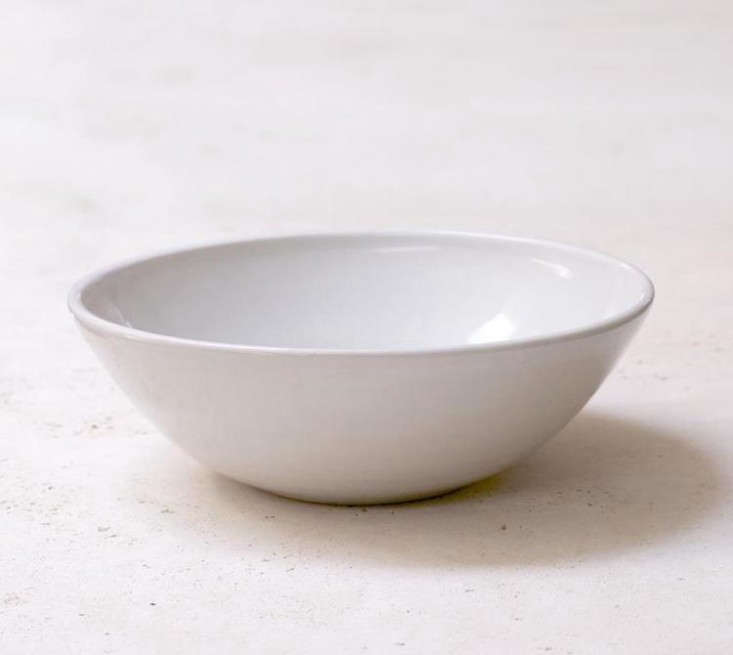
The Irving Place Studio Porcelain Serving Bowl is the kind of tableware that quietly walks into a room, sets down a salad, and makes everyone wonder whether your dinner party has a stylist hiding in the pantry. It is simple, handmade, and intentionally understatedthree qualities that sound modest until you realize they are exactly what make a serving bowl useful for years instead of one season.
At its core, this bowl belongs to Irving Place Studio’s porcelain series: glazed porcelain bowls and plates that are hand thrown on the potter’s wheel and handmade in Los Angeles, California. That matters because this is not mass-market dinnerware pretending to have a soul. It is functional ceramic work shaped by craft tradition, studio discipline, and the legacy of Dora De Larios, the celebrated Los Angeles ceramic artist whose influence stretches from handmade dinnerware to major public art commissions.
For anyone searching for a handmade porcelain serving bowl, a minimalist white serving dish, or artisan tableware with a real story behind it, the Irving Place Studio Porcelain Serving Bowl deserves attention. It is not loud. It does not need a flamingo pattern, gold handles, or a motivational quote about brunch. Its beauty comes from proportion, material, surface, and the small irregularities that remind you a human hand was involved.
What Is the Irving Place Studio Porcelain Serving Bowl?
The Irving Place Studio Porcelain Serving Bowl is a handcrafted serving piece designed for everyday meals, relaxed entertaining, and thoughtful table settings. It is part of a broader collection of porcelain bowls and plates from Irving Place Studio, a small family business known for handmade ceramic tableware created with traditional methods and durable materials.
The bowl’s appeal is rooted in its restraint. The porcelain body gives it a refined look, while the white glazed surface keeps it flexible enough for nearly any table style. It can hold roasted vegetables on a weeknight, a composed grain salad at lunch, citrus and herbs for a spring dinner, or pasta when the host believes in generosity and carbohydrates in equal measure.
Because each piece is hand thrown, no two bowls are exactly identical. That is not a flaw; it is the point. Handmade ceramics often carry small variations in curve, glaze, weight, and finish. These differences give the piece character without making it feel fussy. In a world full of identical objects, a bowl with subtle individuality feels almost rebelliousin a very polite, dinner-party-safe way.
The Story Behind Irving Place Studio
Irving Place Studio was founded in 2012 by Dora De Larios, her daughter Sabrina Judge, and her son-in-law Aaron Glascock. The studio focuses on finely crafted handmade bowls, plates, and vessels for everyday use. Its work combines traditional ceramic techniques with a contemporary design sensibility, creating pieces that feel both modern and deeply connected to craft history.
Dora De Larios was a Los Angeles-born ceramicist and sculptor known for clean lines, distinctive glazes, narrative forms, and architectural ceramic work. She studied ceramics at the University of Southern California and became one of the most respected clay artists associated with Southern California’s postwar ceramics movement. Her work was shaped by Mexican heritage, global art traditions, mythology, nature, and the multicultural environment of Los Angeles.
One of the most fascinating parts of the Irving Place Studio story is its connection to the White House. In 1977, De Larios was among a small group of ceramic artists selected to create dinnerware for a White House luncheon honoring senators’ wives. Those pieces later became part of a broader story about American craft, public recognition, and the place of ceramics at formal tables. That history gives Irving Place Studio tableware an unusual depth: it is not simply “pretty pottery.” It comes from an artist whose functional work and sculptural practice spoke to each other.
Why Porcelain Works So Well for a Serving Bowl
Porcelain has long been prized in dinnerware because it offers a rare balance of elegance and strength. Made from fine-particle clay and fired at high temperatures, porcelain becomes dense, durable, and nonporous. That means it resists staining and does not absorb flavors or odors the way more porous materials can. Translation: your garlic-heavy pasta salad should not haunt tomorrow’s fruit bowl like a culinary ghost.
Porcelain also has a visual lightness that works beautifully at the table. It can look formal without feeling stiff and casual without looking plain. The Irving Place Studio Porcelain Serving Bowl uses that balance well. Its white glaze allows food to take center stage, which is helpful whether you are serving heirloom tomatoes, roasted carrots, leafy greens, or a very enthusiastic pile of mashed potatoes.
Compared with heavier rustic stoneware, porcelain often feels more refined. Compared with delicate decorative china, it can feel more relaxed and usable. That middle ground makes it especially valuable for homes where the “good dishes” are not locked away waiting for a holiday, a promotion, or the arrival of guests who know which fork is which.
Design: Minimal, Handmade, and Quietly Sophisticated
The best serving bowls do not fight the food. They frame it. The Irving Place Studio Porcelain Serving Bowl has the sort of minimal design that lets ingredients look brighter and more intentional. A white porcelain bowl can turn a simple salad into a centerpiece, which is good news for anyone whose cooking style is “fresh ingredients plus panic.”
The hand-thrown form gives the bowl warmth that factory-made pieces often lack. Even when the design is spare, the object does not feel sterile. The rim, curve, and glaze create a soft presence on the table. It fits naturally into modern, rustic, Scandinavian, California casual, farmhouse, Japanese-inspired, and minimalist interiors.
Its versatility is one of its strongest SEO-worthy features: white porcelain serving bowl, artisan ceramic bowl, handmade serving dish, and minimalist tableware all describe the same core appeal. This is the rare object that can sit next to linen napkins and taper candles one night, then serve chips during a movie marathon the next. True elegance is being able to handle both risotto and salsa.
How to Use the Irving Place Studio Porcelain Serving Bowl
For everyday meals
A good serving bowl should earn its cabinet space. This one can be used for simple family-style meals: green salads, pasta, roasted Brussels sprouts, rice dishes, steamed vegetables, fruit, bread rolls, or grain bowls. Its neutral finish works with colorful food, which means you do not need to rethink the table every time a beet enters the room.
For entertaining
When hosting, the bowl can act as a quiet anchor for the table. Place it in the center with a seasonal dishsummer peaches and burrata, autumn squash, winter citrus, or spring peas and herbsand it instantly looks intentional. Add wood serving utensils, linen napkins, and a few small ceramic plates, and suddenly your table says “effortless host,” even if you were frantically wiping the counter seven minutes ago.
As a decorative accent
When not in use, the bowl can live on an open shelf, sideboard, kitchen island, or dining table. Fill it with lemons, pears, cloth napkins, or nothing at all. Handmade porcelain often looks best when allowed to breathe. You do not have to overstyle it. In fact, please resist the urge to fill every beautiful bowl with decorative balls. The bowl has done nothing to deserve that.
Who Should Buy This Bowl?
The Irving Place Studio Porcelain Serving Bowl is ideal for people who appreciate craftsmanship, clean design, and objects with a story. It is especially suited to buyers who prefer one beautiful, well-made item over a cabinet full of mismatched emergency bowls inherited from takeout containers and questionable college-era purchases.
It is also a thoughtful gift for weddings, housewarmings, anniversaries, or milestone birthdays. Unlike highly patterned dinnerware, a white porcelain serving bowl is easy to integrate into many homes. It does not demand that the recipient redesign the dining room around it. It simply arrives, looks elegant, and starts working.
Collectors of American studio ceramics may appreciate the Dora De Larios connection, while practical home cooks may appreciate the bowl’s everyday usefulness. That combinationartistic lineage plus actual functionis what makes the piece stand out. It is not just an object to admire. It is meant to be used.
Care and Maintenance Tips
Because porcelain is dense and nonporous, it is generally easier to care for than more absorbent ceramic materials. Still, handmade ceramics deserve thoughtful handling. Always follow the studio’s specific care guidance when available, especially for dishwasher, microwave, and oven use. Handmade pieces can vary based on glaze, firing, and finish.
To keep the bowl looking its best, avoid sudden temperature changes. Do not take a cold bowl from the refrigerator and immediately expose it to extreme heat. This kind of thermal shock can stress ceramic materials. Wash with a soft sponge rather than abrasive scrubbers, especially if you want the glaze to remain smooth and luminous over time.
If metal utensils leave light gray marks on the surface, they are often surface-level marks rather than scratches in the ceramic itself. A gentle ceramic cleaner or baking soda paste may help, but test carefully and avoid harsh chemicals. The main rule is simple: treat the bowl like a useful piece of art, not like a mixing bowl you found at the back of a garage.
How It Compares With Other Serving Bowls
Compared with mass-produced porcelain bowls, the Irving Place Studio version offers individuality and craft value. Mass-market bowls can be practical, affordable, and consistent, but they rarely carry the texture of a small studio practice. The hand-thrown quality gives this bowl a more personal presence.
Compared with stoneware serving bowls, porcelain tends to look lighter and more refined. Stoneware can be wonderfully sturdy and earthy, but porcelain offers a cleaner, more elegant presentation. If your style leans toward crisp white dinnerware, modern interiors, or food-focused styling, porcelain is often the better match.
Compared with decorative heirloom china, the Irving Place Studio Porcelain Serving Bowl feels more relaxed. It has heritage without fragility, beauty without fuss, and enough simplicity to work across seasons. That is the sweet spot for modern tableware: pieces that look special but do not require a written invitation to leave the cabinet.
Styling Ideas for a Beautiful Table
California casual
Pair the bowl with natural linen napkins, olive wood utensils, clear glassware, and fresh herbs. Serve grilled vegetables, citrus salad, or sourdough bread. The result feels warm, relaxed, and very “I just tossed this together,” even if you arranged the parsley with tweezers.
Modern minimalist
Use the bowl with white plates, matte flatware, and a simple table runner. Keep the palette soft: ivory, cream, pale gray, and natural wood. Let the shape of the bowl and the color of the food provide visual interest.
Rustic dinner party
Set the porcelain bowl next to hand-thrown mugs, stoneware plates, candles, and seasonal flowers. The contrast between refined porcelain and rustic textures gives the table depth. It says “thoughtful,” not “theme restaurant.”
Why Handmade Tableware Still Matters
Handmade tableware has become increasingly meaningful in homes that are tired of disposable trends and overly polished sameness. People want pieces that feel personal, lasting, and connected to real materials. A handmade bowl carries evidence of time, skill, and touch. That is difficult to replicate with factory-perfect dinnerware.
The Irving Place Studio Porcelain Serving Bowl fits into this wider interest in future heirloomsobjects made for use today but meaningful enough to keep. It is not an antique, yet it has the potential to become part of family routines: the bowl used for birthday pasta, holiday salad, Sunday fruit, or the one dish everyone asks about at dinner.
This is where the bowl’s value becomes more than decorative. A well-made serving bowl participates in the life of a household. It appears in photos, carries favorite recipes, survives ordinary Tuesdays, and somehow becomes attached to memory. Not bad for something that also has to hold quinoa.
Buying Considerations Before You Choose
Before buying the Irving Place Studio Porcelain Serving Bowl, consider how you plan to use it. If you entertain often, a medium-to-large serving bowl is one of the most practical pieces you can own. If you cook mostly for one or two people, it can still be useful for fruit, side dishes, or display, but you may want to think about storage space.
Also consider your existing dinnerware. White porcelain pairs easily with most materials, including wood, glass, stainless steel, linen, stoneware, and colored ceramics. If your current plates are patterned, a simple white serving bowl can calm the table. If your dinnerware is already minimal, it will blend in seamlessly.
Finally, remember that handmade ceramics are not about machine-level sameness. Expect subtle variations. If you want every curve to be mathematically identical, handmade pottery may not be your soulmate. If you appreciate quiet individuality, this bowl will likely feel right at home.
Personal Experience: Living With a Bowl Like This
Using a handmade porcelain serving bowl changes the way a meal feels. That may sound dramatic, but anyone who has ever served salad from a plastic mixing bowl knows the truth: presentation affects mood. Food does not need a stage worthy of Broadway, but it does appreciate a decent entrance.
A bowl like the Irving Place Studio Porcelain Serving Bowl works especially well because it does not demand perfection from the cook. Toss arugula, shaved Parmesan, lemon, olive oil, and cracked pepper into it, and suddenly dinner looks intentional. Add roasted carrots with yogurt sauce and herbs, and the white porcelain makes the orange, green, and cream tones pop. Even a pile of clementines looks cheerful and composed. The bowl performs the quiet magic of making simple things look cared for.
In everyday use, the biggest advantage is flexibility. You can bring it to the table for a weeknight meal without feeling ridiculous, then use it again for guests without feeling underdressed. Some serving pieces are too formal for regular use; others are too casual for entertaining. This one occupies the middle beautifully. It feels special, but not so precious that everyone at the table becomes afraid to pass the potatoes.
There is also something satisfying about the weight and feel of handmade porcelain. The surface is smooth, but the form carries life. You can sense that it was shaped rather than stamped into existence. That tactility matters. In a kitchen full of appliances, screens, timers, and stainless steel, a hand-thrown bowl brings back a little softness.
For gatherings, the bowl naturally becomes part of the table conversation. Guests may notice the shape, the glaze, or the handmade quality. That opens the door to talking about American studio ceramics, Los Angeles craft, Dora De Larios, or simply the pleasure of owning fewer but better things. And if no one notices, that is fine too. Good design does not always need applause. Sometimes it just quietly holds the pasta.
One of the best uses for a porcelain serving bowl is seasonal cooking. In spring, it can hold peas, asparagus, mint, and ricotta. In summer, it is perfect for tomato salad, peaches, corn, or chilled noodles. In fall, it suits roasted squash, farro, apples, and walnuts. In winter, it can serve citrus, braised greens, or warm potatoes. The white glaze never competes with the food, which makes it useful all year.
The bowl also encourages family-style serving, which can make meals feel more generous and connected. Instead of plating everything in the kitchen like a tiny restaurant with worse lighting, you bring one beautiful bowl to the table and let people serve themselves. It slows the meal down slightly. People reach, pass, comment, and take seconds. A serving bowl becomes a small social object, which is exactly what tableware should be.
Over time, a piece like this can become associated with specific recipes. Maybe it becomes the salad bowl. Maybe it is the pasta bowl. Maybe it holds fruit on weekdays and stuffing on Thanksgiving. The more it is used, the more it belongs. That is the real charm of handmade tableware: it becomes meaningful through repetition, not display.
If there is one practical lesson from living with a handmade porcelain bowl, it is this: do not save it too carefully. Use it. Wash it gently. Put it back where you can reach it. The point of a beautiful serving bowl is not to impress the cabinet. The cabinet has no taste. The people at your table, however, might appreciate it very much.
Conclusion
The Irving Place Studio Porcelain Serving Bowl is more than a simple white bowl. It is a handmade porcelain serving piece shaped by Los Angeles craft, the legacy of Dora De Larios, and a design philosophy that values usefulness as much as beauty. Its clean form, glazed porcelain finish, and artisan character make it suitable for everyday meals, dinner parties, thoughtful gifting, and long-term collecting.
For homeowners who want tableware that feels elegant but not uptight, handmade but not overly rustic, and timeless without being boring, this serving bowl is a strong choice. It proves that good design does not have to shout. Sometimes it just sits in the middle of the table, holds something delicious, and makes the whole meal look like you planned everythingeven the parts you absolutely did not.
Note: This HTML body is prepared for web publishing and contains no external source links, citation placeholders, or unnecessary reference artifacts.