Move over, ordinary highlights. Step aside, basic balayage. In 2017, hair decided it was tired of behaving like hair and wanted to become a magical prism, a mermaid’s mood board, and the inside of a soap bubble all at once. Enter holographic hair, the shimmering, pastel-powered color trend that made Instagram feeds look like they had been sprinkled with unicorn glitter and salon-grade ambition.
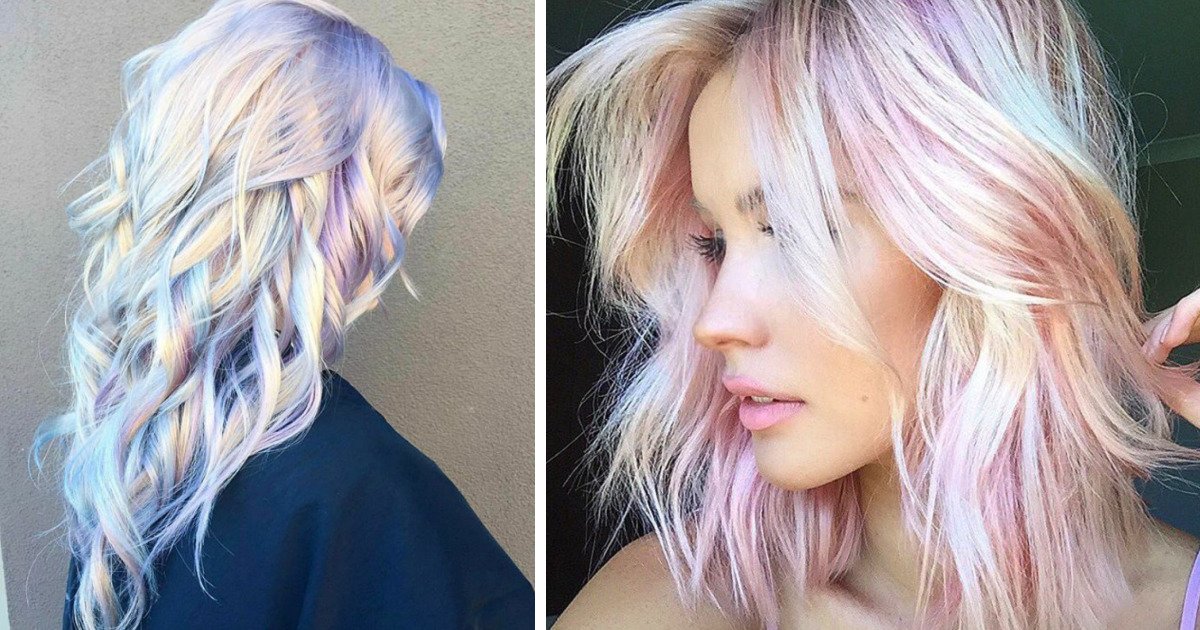
Holographic hair is not just “rainbow hair with better lighting.” It is a carefully blended hair color technique that mixes cool blondes, silvers, lavenders, baby pinks, icy blues, minty greens, and sometimes soft peach tones to create an iridescent, multi-dimensional finish. The goal is movement. When the hair shifts, the color appears to change, almost like a holographic sticker, opal shell, or futuristic highlighter compact. In other words, it is hair color with main-character energy.
The trend exploded in 2017 as beauty lovers became obsessed with everything prismatic: holographic makeup, metallic nails, unicorn-inspired accessories, rainbow roots, pastel ombré, and pearly hair color. Holographic hair fit perfectly into that world. It was bold, photogenic, playful, and just unusual enough to make people ask, “Wait, is that real?” Yes, it was real. And yes, it probably required more toner than your average bathroom shelf could emotionally handle.
What Is Holographic Hair?
Holographic hair color is a pastel, metallic, multi-tonal hair trend designed to mimic the reflective effect of a hologram. Instead of one flat shade, the stylist layers several soft colors over a very light blonde, silver, or platinum base. The result is a glowing blend of lavender, blue, pink, pearl, and sometimes mint or peach. It can be subtle and misty, or vivid enough to make a unicorn file a copyright complaint.
The magic comes from placement. A skilled colorist does not simply paint random stripes and hope for fairy dust. They consider the haircut, natural movement, part line, curl pattern, and how the client typically styles their hair. Colors may be applied in panels, ribbons, hidden layers, shadowed roots, or soft melts so the finished look has dimension rather than a “box of sidewalk chalk” effect.
Most holographic hair begins with a pale blonde or pre-lightened base because pastel shades need a bright canvas to show up. Think of it like painting with watercolors: if the paper is dark, the soft shades disappear. The lighter the hair, the more luminous the final result can be. This is why people with naturally dark hair usually need a more gradual salon plan, especially if they want to protect the strength and texture of their strands.
Why Holographic Hair Became the Hottest Hair Trend of 2017
In 2017, beauty culture was having a very shiny moment. Makeup bags were filled with metallic lipsticks, duochrome highlighters, glitter shadows, and chrome powders. Social media rewarded anything that looked magical in a photo, and holographic hair was practically built for the camera. It shimmered under salon lights, looked dreamy in natural sunlight, and turned a simple hair flip into a full production.
The trend also arrived at the perfect time in the evolution of fantasy hair. Before holographic hair, we had already seen pastel hair, mermaid hair, galaxy hair, oil-slick hair, rose gold hair, rainbow roots, and silver-gray dye jobs. Holographic hair borrowed from all of them but softened the effect. It was more ethereal than neon rainbow hair, cooler than rose gold, and more wearable than full galaxy color. It felt futuristic but still pretty.
Another reason it caught fire: it gave people a way to be bold without choosing only one color. Why commit to lavender when you can have lavender, blue, pink, pearl, and silver all holding hands on your head? Holographic hair said, “Decision fatigue? Never heard of her.”
The Signature Shades Behind the Look
The most recognizable holographic hair palette includes pastel lavender, icy blue, soft pink, silver blonde, and pearl white. These tones work together because they sit in a cool, dreamy color family. The blend creates the illusion of light bouncing off the hair, even when the finish is soft rather than metallic.
Lavender and Violet
Lavender is one of the key tones in holographic hair. It adds that misty, magical quality and helps balance yellow warmth in blonde hair. A soft violet glaze can also make the overall look feel cooler and more polished.
Baby Pink
Pink adds sweetness and warmth. In holographic hair, it is usually not hot pink or bubblegum-bright. Instead, it appears as a sheer blush, like the color of cotton candy if cotton candy had a luxury skincare routine.
Icy Blue
Blue gives holographic hair its futuristic edge. When paired with silver or platinum, pale blue can create a moonlit effect. Used too heavily, however, it may overpower the softer shades, so placement matters.
Pearl, Silver, and Platinum
These shades are the backbone of the trend. Pearl and silver tones create shine, reflection, and contrast. They also help separate holographic hair from ordinary pastel rainbow hair. Without that icy, luminous base, the look can become more candy-colored than holographic.
How Stylists Create Holographic Hair
Creating holographic hair is a professional-level color service, especially for anyone who is not already very blonde. The process usually starts with consultation. A colorist checks the current hair color, previous dye history, texture, porosity, scalp sensitivity, and overall hair condition. This step matters because pastel fantasy color is only as beautiful as the canvas underneath.
Next comes lightening, which may take one session or several appointments. Dark brunette or previously colored hair cannot always jump safely to platinum in one day. Trying to force it can lead to dryness, breakage, uneven color, and the kind of regret usually reserved for texting an ex at midnight.
Once the hair is light enough, the stylist tones it to remove unwanted warmth. Then the pastel shades are applied in a planned pattern. Some stylists use foils for clean separation. Others use hand-painting or color melting techniques for a softer effect. The colors may be placed around the face for visibility, underneath layers for a hidden surprise, or throughout the hair for full holographic drama.
The final step is styling. Waves and loose curls show off the multi-dimensional effect beautifully because every bend in the hair catches light differently. Straight styles can look sleek and futuristic, while braids reveal ribbons of color in a way that feels almost too pretty to be legal.
Who Can Wear Holographic Hair?
Anyone can enjoy the idea of holographic hair, but the best version depends on hair type, starting color, lifestyle, and maintenance tolerance. For naturally blonde or lightened hair, the trend is easier to achieve because the pastel tones can show up clearly. For brunettes, black hair, or heavily dyed hair, a stylist may recommend a softer version, such as holographic highlights, peekaboo panels, or pastel ends.
Short hair can look amazing with holographic color because the shades appear concentrated and edgy. A bob with pearl-lavender panels can look editorial without trying too hard. Long hair gives more room for color melting and blended movement. Curly hair can be especially stunning because the colors shift through spirals, although curls need extra care during any bleaching process.
Skin tone also plays a role, but not in a limiting way. Cooler pastel shades often flatter cool undertones, while peach-pink accents can soften the look for warmer undertones. A good colorist can customize the palette so the hair brightens the face instead of washing it out.
Holographic Hair vs. Mermaid Hair vs. Unicorn Hair
These trends are cousins, but they are not identical. Mermaid hair usually leans into ocean-inspired blues, greens, aquas, and purples. It can be bright, tropical, and dramatic. Unicorn hair often uses candy-like pastels, including pink, lilac, mint, and baby blue. It tends to feel playful and fantasy-forward.
Holographic hair is more about reflection and dimension. It usually has a cooler, shinier, pearl-like finish. The shades are often softer, more translucent, and layered to look like they are changing with the light. If mermaid hair is a beach party and unicorn hair is a birthday cake, holographic hair is the chic alien who arrived late and somehow became the best-dressed guest.
How to Maintain Holographic Hair Without Crying in the Shower
Pastel hair is beautiful, but it is not low maintenance. Soft shades fade faster than deeper colors because they contain less pigment. Holographic hair may start changing after only a few washes, especially if the hair is porous or washed frequently with hot water. This does not mean the trend is impossible. It simply means your aftercare routine matters.
Use Color-Safe Shampoo
Choose a sulfate-free or color-safe shampoo designed for dyed hair. Harsh cleansers can strip pastel pigment quickly. Wash less often when possible, and let dry shampoo become your new best friend. It may not text back, but it will help your color last longer.
Turn Down the Water Temperature
Hot water opens the hair cuticle and encourages color to fade. Cooler water helps preserve tone and shine. You do not need to shower inside an iceberg, but lukewarm water is your friend.
Protect Hair From Heat
Flat irons, curling wands, and blow dryers can fade delicate shades and dry out lightened hair. Use heat protectant and lower temperatures when styling. Better yet, experiment with heatless waves to show off the holographic movement.
Deep Condition Regularly
Because most holographic hair requires lightening, moisture and strength are essential. Deep conditioners, bond-building treatments, leave-in conditioners, and gentle detangling can help keep the hair soft and reflective.
Plan for Glosses and Refresh Appointments
Holographic hair is not a “see you next year” salon service. The color may need refreshing every few weeks, depending on how fast it fades and how vibrant you want it to remain. Some people enjoy the fade-out because pastel shades often soften into silvery, pearly tones. Others prefer regular glosses to keep the color photo-ready.
Can You Get Holographic Hair at Home?
Technically, you can buy pastel dyes and try a DIY version, but true holographic hair is difficult to master at home. The challenge is not only applying color. It is lifting the hair safely, toning it evenly, choosing shades that work together, preventing muddy overlap, and placing colors so they move beautifully.
If your hair is already light blonde, you may be able to experiment with temporary color masks, pastel conditioners, or wash-out sprays. This is a safer way to test the vibe before committing. However, if your hair is dark, previously colored, damaged, curly, fragile, or chemically treated, a salon appointment is the smarter path.
Also, always follow product instructions and perform a patch test before using hair dye. Allergic reactions can happen, even with trendy colors. Your scalp deserves glamour, not drama.
Best Holographic Hair Ideas to Try
1. Pearl Blonde With Lavender Shine
This is the softest version of holographic hair. A platinum or pearl blonde base gets a veil of lavender and silver. It is elegant, dreamy, and wearable enough for someone who wants magic without looking like they lost a fight with a rainbow.
2. Pastel Prism Waves
This look blends pink, blue, mint, and violet through loose waves. It is the most recognizable version of the 2017 trend and works best on medium to long hair.
3. Hidden Holographic Panels
For a more subtle approach, pastel panels can be placed underneath the top layer of hair. When the hair moves, the color appears like a secret. It is business on top, fairy tale underneath.
4. Holographic Bob
A blunt bob with icy pastel tones looks modern and sharp. The shorter length makes the color feel intentional and fashion-forward rather than overly sweet.
5. Silver Blue Melt
This version leans cooler, blending silver roots into pale blue and lavender ends. It gives a futuristic, wintery effect that looks especially striking on straight or softly waved hair.
What to Ask Your Stylist Before Going Holographic
Before booking, ask whether your hair can safely reach the level needed for pastel color. Ask how many sessions it may take, what the maintenance schedule will look like, and what products are recommended for home care. Bring photos, but be realistic. Lighting, filters, extensions, and editing can make online hair inspiration look more effortless than it is.
You should also ask about fade-out. Pastel colors change over time, and some tones fade faster than others. Blue may linger. Pink may soften quickly. Lavender may turn silvery. Knowing the fade pattern helps you decide whether the color fits your lifestyle.
Experiences and Real-Life Lessons From the Holographic Hair Trend
One of the most interesting things about holographic hair is how different it looks in real life compared with a still photo. In a salon chair, the finished result can look soft and pearly under indoor lighting. Step outside, and suddenly the blue catches sunlight, the lavender becomes brighter, and the pink appears in places you did not notice before. That shifting quality is exactly why people fell in love with the trend in 2017. It felt alive.
Many people who tried holographic hair discovered that styling made a huge difference. Straight hair showed off the sleek, metallic side of the color, while waves created a more dimensional effect. Braids became especially popular because they revealed every hidden shade. A simple three-strand braid could suddenly look like a pastel rope from a fantasy movie. Even a messy bun became more interesting, with flashes of lavender and blue peeking through like the hair was keeping tiny secrets.
The salon experience itself could be long, especially for clients starting with darker hair. Holographic hair often required lightening, toning, color placement, processing time, rinsing, conditioning, drying, and styling. It was not unusual for the appointment to feel like a half-day event. Snacks were not just welcome; they were emotionally necessary. But for many clients, the final mirror reveal made the time worth it. There is a special kind of joy in seeing your hair reflect colors you normally associate with gemstones, opals, and expensive phone cases.
Maintenance was the biggest reality check. People quickly learned that pastel hair is delicate. A few hot showers, a clarifying shampoo, or too much heat styling could fade the color faster than expected. The best results came from treating the hair gently: cooler water, fewer washes, color-safe products, and regular conditioning. Holographic hair rewarded patience and punished laziness, which is rude but fair.
Another common experience was public attention. Holographic hair was not quiet. People noticed it in coffee shops, classrooms, offices, and grocery store aisles. Some compliments were elegant. Others sounded like, “Your hair looks like a magical oil spill,” which, honestly, was usually meant as praise. The trend became a conversation starter because it was unusual without being harsh. It looked creative, optimistic, and slightly rebellious, but still soft enough to feel approachable.
For some, holographic hair became a form of personal expression during a year when beauty trends were becoming more experimental and social-media-driven. It gave people permission to treat hair as art, not just a routine. Even those who did not keep the color forever often remembered the experience fondly because it represented a playful chapter: a moment when they let their hair become louder, brighter, and more imaginative.
In the end, the biggest lesson from holographic hair was simple: fantasy color works best when creativity and care go together. The dreamiest results came from strong consultation, realistic expectations, healthy lightening, thoughtful color placement, and consistent aftercare. Holographic hair may have been one of the hottest trends of 2017, but its appeal lasted because it captured something timeless: the desire to look in the mirror and see a little magic staring back.
Conclusion
Holographic hair became one of 2017’s most exciting beauty trends because it combined everything people loved that year: pastel color, metallic shine, social-media sparkle, and a healthy dose of “why not?” It was not the easiest hair color to achieve or maintain, but that was part of its charm. Holographic hair was not basic, and it never pretended to be.
Whether worn as full pastel prism waves, hidden panels, a pearl-lavender bob, or soft silver-blue highlights, holographic hair proved that fantasy color could be artistic, wearable, and surprisingly elegant. It turned hair into a moving light show and gave beauty lovers a fresh way to experiment with color. Trends come and go, but a great holographic hair moment still has the power to stop the scroll.
Note: This article is original, publication-ready content based on real beauty trend context, salon color practices, and practical color-treated hair care guidance.