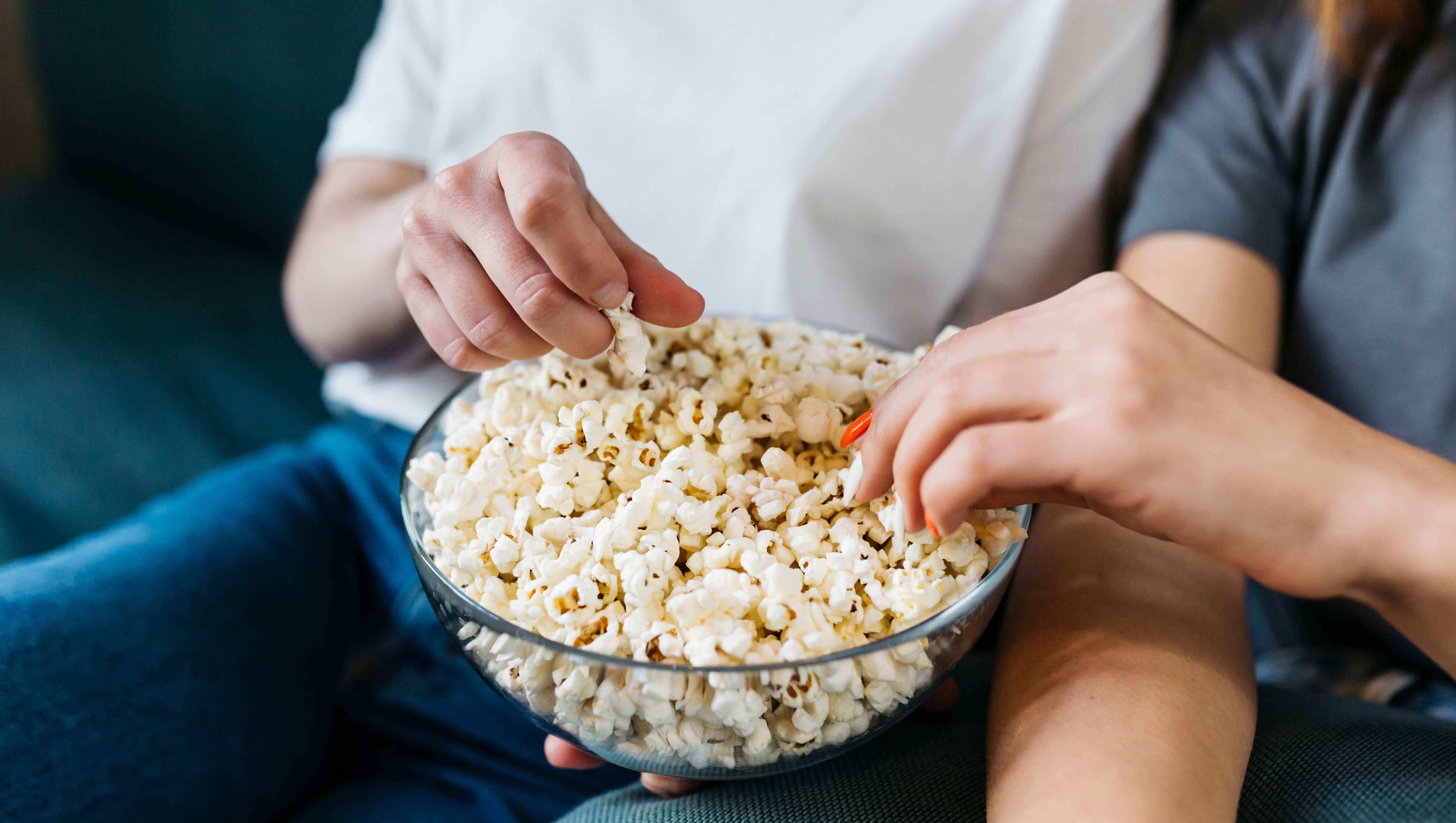
Popcorn has a suspiciously dramatic reputation for such a tiny food. One minute it is the cozy hero of movie night, and the next, someone with gallstones is staring at the bowl like it might file a formal complaint with their gallbladder. So, is it okay to eat popcorn when you have gallstones? In many cases, yesplain, air-popped popcorn can fit into a gallstone-friendly diet because it is naturally low in fat and provides whole-grain fiber. The catch is that popcorn’s “personality” changes fast once butter, oil, cheese powder, caramel, or movie-theater-style toppings enter the chat.
Gallstones do not automatically mean you must live a joyless snack life. However, they do mean your gallbladder may be more sensitive to high-fat meals and oversized portions. Since fat triggers the gallbladder to contract and release bile, greasy foods may provoke symptoms in some people with gallstones. Popcorn itself is not usually the problem. The extras are often the troublemakers wearing tiny buttery disguises.
This guide explains how popcorn affects gallstones, which versions are safest, what toppings to avoid, how much to eat, and when to call a healthcare professional. Think of it as your popcorn peace treaty: crunchy, practical, and hopefully less confusing than reading a microwave popcorn label at 11 p.m.
Understanding Gallstones: Why Food Choices Matter
Gallstones are hardened pieces of material that form in the gallbladder, a small organ under the liver that stores bile. Bile helps digest fat. Many gallstones are made mostly of cholesterol, although pigment stones can also form. Some people have gallstones and never know it. Others experience symptoms when a stone blocks the flow of bile, causing pain in the upper right abdomen, nausea, vomiting, bloating, or discomfort after eating.
Diet does not work like a magic eraser for gallstones. A bowl of kale will not politely dissolve a stone and send it on its way. Still, food choices can influence symptoms and may help reduce the risk of forming new stones. Medical nutrition guidance commonly emphasizes a balanced eating pattern with more fiber-rich foods, whole grains, fruits, vegetables, beans, lean proteins, and healthy fats, while limiting fried foods, heavy saturated fats, refined carbohydrates, and excess sugar.
That is where popcorn becomes interesting. Popcorn is a whole grain, and whole grains are generally encouraged in gallbladder-supportive eating plans. But popcorn can also become a high-fat snack depending on how it is prepared. A plain bowl and a movie-theater bucket may technically share the same family tree, but nutritionally, they are distant cousins who do not speak at reunions.
So, Can You Eat Popcorn When You Have Gallstones?
For many people with gallstones, plain air-popped popcorn is okay in moderate portions. It is low in fat, relatively low in calories, and provides fiber. A cup of air-popped popcorn has about 31 calories, less than half a gram of fat, and roughly 1.2 grams of fiber. That makes it very different from chips, fried snacks, buttery crackers, or heavily dressed popcorn.
The key word is plain. Air-popped popcorn without butter is usually the most gallbladder-friendly choice. If you add large amounts of butter, coconut oil, palm oil, cheese coating, bacon bits, or sugary caramel, the snack can become harder to tolerate. High-fat foods stimulate stronger gallbladder contractions, and for someone with symptomatic gallstones, that can mean pain, nausea, or a digestive grumble loud enough to interrupt the movie.
If you have never had symptoms from popcorn, you may be able to enjoy it occasionally. If you notice pain after eating popcorn, consider whether the culprit was the popcorn itself, the portion size, the toppings, or what you ate with it. A small bowl of air-popped popcorn after a light dinner is not the same as eating a giant tub with “extra butter” after nachos and a hot dog. Your gallbladder can tell the difference, even if your taste buds pretend not to.
Why Plain Popcorn Can Fit a Gallstone-Friendly Diet
It Is Naturally Low in Fat
A low-fat approach is often recommended for people who have gallstone symptoms, especially while waiting for medical evaluation or surgery. Plain air-popped popcorn contains very little fat, which means it is less likely to strongly stimulate the gallbladder compared with fried snacks or buttery foods. This makes it a better option when you want something crunchy but do not want to poke the gallbladder bear.
It Provides Whole-Grain Fiber
Popcorn is a whole grain. Fiber-rich foods are commonly recommended for gallbladder health because they support digestion, help with regular bowel movements, and may play a role in healthier cholesterol balance. Since many gallstones are cholesterol-based, an overall eating pattern that includes fiber-rich whole grains can be a smart long-term move.
It Can Replace Higher-Fat Snacks
When prepared simply, popcorn can satisfy the need for crunch without delivering the fat load of potato chips, fried tortilla chips, buttery snack mixes, or cheese puffs. This matters because many gallstone-friendly eating plans are not only about what you remove, but what you use as a realistic replacement. Nobody wants a diet that says, “For snacks, enjoy one sad celery stick and your memories.”
When Popcorn May Trigger Gallstone Symptoms
Popcorn may be a problem if it is loaded with fat, eaten in large portions, or consumed during an active gallbladder flare. Some people are also sensitive to high-fiber foods when their digestive system is irritated. While fiber is generally beneficial, suddenly eating a huge amount can lead to gas, bloating, and discomfort. Your digestive tract appreciates enthusiasm, but it prefers a slow introduction.
You may want to avoid popcorn temporarily if you are currently having gallbladder pain, nausea, vomiting, fever, chills, yellowing of the skin or eyes, pale stools, dark urine, or severe abdominal pain. These symptoms deserve medical attention, not snack experimentation. Popcorn can wait. Your bile ducts cannot always afford to.
People with additional digestive conditions may also need different guidance. For example, someone with gastroparesis, inflammatory bowel disease, diverticular complications, or a recent abdominal surgery may be told to limit fiber for a period of time. In that case, follow your clinician’s advice rather than general popcorn rules.
The Best Popcorn for Gallstones
Choose Air-Popped Popcorn
Air-popped popcorn is the best starting point because it needs no oil. You can make it in an air popper or use a microwave-safe bowl with a vented lid. This keeps the fat content low and gives you full control over toppings.
Keep Portions Sensible
A good starting portion is 2 to 3 cups of air-popped popcorn. That gives you volume and crunch without turning snack time into a competitive eating event. If you tolerate that well, you can adjust based on your appetite and your healthcare provider’s advice.
Season Without Heavy Fat
Flavor does not require a butter waterfall. Try herbs, spices, or low-fat seasonings such as garlic powder, onion powder, smoked paprika, cinnamon, nutritional yeast, Italian seasoning, or a small sprinkle of Parmesan if tolerated. Use salt lightly, especially if you are watching blood pressure or fluid retention.
Popcorn Types to Limit or Avoid With Gallstones
Movie-Theater Popcorn
Movie-theater popcorn is the dramatic villain in this story. It is often prepared with oil and topped with buttery flavoring, which can make it high in fat and calories. If you have gallstone symptoms, this version is more likely to cause trouble than plain popcorn. Also, the portion sizes are enormous. A “small” movie popcorn sometimes looks like it could feed a committee.
Extra-Butter Microwave Popcorn
Microwave popcorn varies widely. Some plain or light versions may be reasonable, but extra-butter varieties can contain more saturated fat and sodium. Always read the Nutrition Facts label. Look for lower-fat options and avoid products where butter, palm oil, or similar fats dominate the ingredient list.
Caramel Corn and Kettle Corn
Caramel corn and kettle corn are often high in added sugar and may also contain added fat. Gallstone prevention guidance often recommends limiting refined carbohydrates and excess sugar. These sweet popcorn styles are more dessert than daily snack. Enjoying a small amount occasionally may be fine for some people, but they are not the best choice if you are trying to calm gallbladder symptoms.
Cheese-Coated Popcorn
Cheese popcorn can be salty and may contain added fats. If cheese is a trigger for you, this snack can be a double problem. Choose a lighter seasoning instead, or use a small amount of nutritional yeast for a cheesy flavor without the same fat load.
How to Eat Popcorn Safely When You Have Gallstones
Start small. If you are unsure how popcorn affects you, try 1 to 2 cups of plain air-popped popcorn and see how you feel over the next several hours. Eat slowly and chew well. Popcorn is crunchy, and your digestive system does not own a paper shredder. The better you chew, the easier the job becomes downstream.
Avoid eating popcorn alongside a high-fat meal. For example, air-popped popcorn after a grilled chicken salad is very different from popcorn after pizza, wings, and creamy dip. If symptoms appear, it may be the total fat load of the meal rather than the popcorn alone.
Keep a simple food-and-symptom log if you have frequent gallbladder discomfort. Write down what you ate, how much, how it was prepared, and what symptoms happened. Patterns are often more helpful than guesses. “Popcorn hurts me” may become “buttered popcorn hurts me,” which is much better news for snack lovers.
Gallstone-Friendly Popcorn Ideas
Herby Lemon Popcorn
Air-pop 3 cups of popcorn. Add a light mist of olive oil spray if tolerated, then toss with dried parsley, garlic powder, black pepper, and a tiny pinch of lemon zest. The result tastes fresh without needing melted butter.
Smoky Paprika Popcorn
Use smoked paprika, onion powder, and a small pinch of salt. This gives popcorn a savory barbecue-style flavor without turning it into a greasy snack.
Cinnamon Popcorn
For a sweet option, toss air-popped popcorn with cinnamon and a very small amount of sugar or a sugar-free seasoning blend. This can satisfy a dessert craving while keeping fat low.
Nutritional Yeast Popcorn
Nutritional yeast gives a cheesy, nutty taste and pairs well with garlic powder. It is a popular option for people who want flavor without butter or heavy cheese toppings.
What Else Should You Eat With Gallstones?
A gallstone-friendly diet is not built on popcorn alone, no matter how charming the bowl looks. Aim for a balanced pattern that includes fruits, vegetables, beans, lentils, oats, brown rice, whole wheat bread, lean fish, skinless poultry, tofu, low-fat dairy if tolerated, and small amounts of healthy fats such as olive oil. Healthy fats are not the enemy, but portions matter. Completely avoiding fat can make meals unsatisfying and is not always ideal for long-term nutrition.
Limit fried foods, greasy meats, cream sauces, pastries, high-fat desserts, and large portions of cheese. Also be cautious with rapid weight loss or crash dieting, which can increase gallstone risk. Slow, steady weight management is usually safer than trying to lose weight at superhero speed. Your gallbladder does not need a plot twist.
When to Talk to a Doctor
Talk with a healthcare professional if you have repeated upper abdominal pain, pain after high-fat meals, nausea, vomiting, fever, chills, jaundice, dark urine, or pale stools. Gallstones can sometimes lead to serious complications, including blocked bile ducts, infection, or pancreatitis. Diet can help manage symptoms, but it is not a replacement for medical evaluation.
If your doctor has recommended gallbladder removal, ask what to eat before and after surgery. Many people are advised to eat lower-fat meals shortly after surgery and gradually reintroduce fiber. Your personal plan may depend on your symptoms, medical history, and how your digestion responds.
Practical Experiences: Living With Gallstones and Popcorn Cravings
Many people with gallstones discover that snack tolerance is less about one single food and more about preparation, timing, and portion size. Someone may say, “I can eat popcorn with no problem,” while another person says, “Popcorn made me miserable.” Both can be true. The difference may be that one person ate two cups of air-popped popcorn with herbs, while the other ate a giant buttered bucket at the movies after a cheeseburger. Same snack family, very different gallbladder workload.
A common experience is that symptoms show up after “stacked” fat intake. For example, imagine a person who eats creamy pasta for dinner, then adds buttered popcorn while watching a show. If pain happens later, popcorn may get blamed because it was the last thing eaten. But the bigger issue may have been the entire evening’s fat content. That is why tracking meals can be surprisingly useful. It turns vague food fear into detective work, minus the trench coat.
Another real-life pattern is portion creep. Air-popped popcorn seems light, so it is easy to keep reaching into the bowl until “a snack” becomes “a popcorn excavation project.” Even low-fat foods can cause bloating or discomfort when eaten in very large amounts, especially if your body is not used to much fiber. A smaller bowl can help you enjoy the crunch without overwhelming your digestive system.
People also report better tolerance when they eat popcorn slowly and pair it with water. Fiber works best when fluids are part of the picture. If you suddenly increase fiber and forget hydration, your gut may respond with gas, bloating, or constipation. That discomfort is not always gallstone pain, but it can still make you feel uneasy. Drinking water and increasing fiber gradually can help.
Social situations can be tricky. At the movies, the smell of buttered popcorn is basically a legal form of persuasion. One practical strategy is to eat a light, gallbladder-friendly meal beforehand and bring or choose a smaller, plain popcorn option if available. If theater popcorn is your only choice, skip extra butter, share the bag, and stop before your stomach starts negotiating terms.
At home, many people do best when they control the recipe. An air popper, plain kernels, and a few seasonings can turn popcorn into a reliable snack. This also avoids the mystery-fat problem of packaged versions. You know exactly what went into the bowl, which is comforting when your gallbladder has become a picky roommate.
The biggest lesson from everyday experience is simple: do not judge popcorn by its most dramatic version. Plain popcorn can be a smart, crunchy, whole-grain snack for many people with gallstones. Butter-soaked, cheese-dusted, caramel-coated popcorn is a different story. Start plain, keep portions modest, watch your symptoms, and personalize from there.
Conclusion: Is Popcorn Okay for Gallstones?
Yes, popcorn can be okay when you have gallstonesespecially if it is air-popped, plain, lightly seasoned, and eaten in moderate portions. Because popcorn is a whole grain and naturally low in fat, it can fit well into a gallstone-friendly diet. The main problem is not the popcorn kernel itself; it is what people often add to it. Butter, heavy oil, cheese coatings, caramel, and huge servings can turn a smart snack into a gallbladder challenge.
If you are actively having gallbladder symptoms, keep meals lower in fat and talk with your healthcare provider. If popcorn causes pain even when plain, avoid it and ask for personalized guidance. But if you tolerate it well, popcorn does not need to be banished from your pantry. Give it a simple seasoning glow-up, keep the bowl reasonable, and let your snack be crunchy without being chaotic.