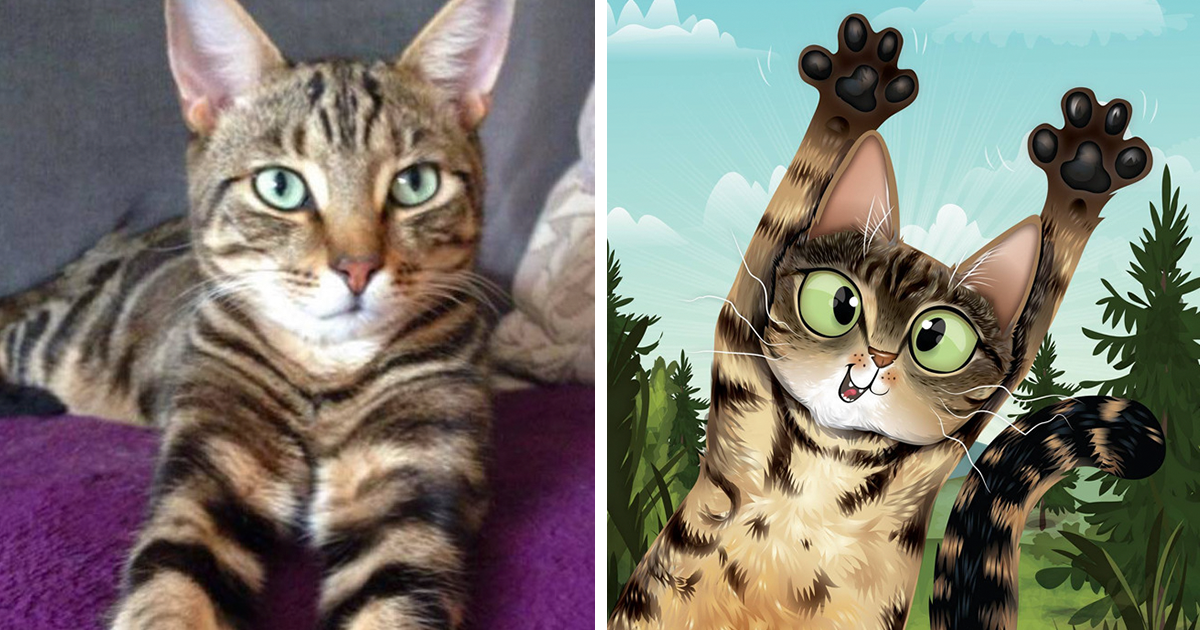
Every pet has a face. That part is easy. A Labrador has soft eyes, a tabby has dramatic whiskers, a parrot has a look that says, “I know your secrets,” and a pug has the permanent expression of someone who just heard the Wi-Fi password changed. But a truly memorable pet portrait should capture more than fur, feathers, scales, or a perfectly boopable nose. It should capture the personality behind the face.
That is the heart of what I do: I make portraits of people’s pets inspired by their personalities. Not just “Here is Bella, a golden retriever,” but “Here is Bella, the backyard mayor, snack investigator, thunderstorm negotiator, and part-time sock thief.” The best custom pet portraits are not simply decorative wall art. They are little biographies in color, line, texture, and expression.
Pet owners already know this truth. Their animals are not accessories. They are family members, emotional support comedians, routine managers, alarm clocks, exercise partners, and occasionally tiny chaos machines with paws. A personality-based pet portrait turns that bond into a keepsake that feels personal, funny, affectionate, and deeply recognizable.
Why Personality Matters in a Pet Portrait
A traditional pet portrait focuses on accuracy: the right eye color, the right ear shape, the unique white patch on the chest, the little freckle near the nose. Those details matter. If the portrait does not look like the pet, we have a problemand probably a very polite but concerned email from the owner.
But personality is what makes the artwork come alive. Two black cats may look nearly identical in a photograph, but one might be a mysterious midnight philosopher while the other is a curtain-climbing goblin with Olympic confidence. A portrait that treats them the same misses the magic.
That is why I start each commission by asking owners to tell me stories. What does your pet do when guests arrive? What is their favorite toy? Are they brave, dramatic, sneaky, regal, clingy, goofy, bossy, gentle, suspicious, or convinced they are human? The answer usually arrives in a flood of stories, and that is where the portrait begins.
The Real Inspiration: The Stories Owners Tell
Photos show me what a pet looks like. Stories show me who the pet is.
An owner might send five beautiful pictures of a cat sitting calmly in sunlight, but then mention, almost casually, that the cat steals hair ties and hides them in a shoe like a tiny dragon guarding treasure. Suddenly, the portrait has direction. Maybe the cat becomes a jewel thief. Maybe the background includes a secret stash. Maybe the expression gets a little more suspicious, as if the subject knows the evidence is nearby.
A dog might have the noble face of a royal hound but the personality of a toddler in a fur coat. That contrast is gold. A dignified portrait with one ridiculous detaila tennis ball crown, a trail of biscuits, a heroic capecan say more than a perfectly serious painting ever could.
Questions That Reveal a Pet’s Character
Before creating a custom pet portrait, I like to ask questions such as:
- What three words best describe your pet?
- What is their funniest habit?
- Do they have a favorite toy, blanket, chair, window, or forbidden object?
- Are they calm, chaotic, cuddly, independent, dramatic, or secretly in charge?
- What story do you always tell people about them?
These answers help shape the portrait’s mood. A shy rescue dog might need soft colors, gentle posture, and a quiet background. A bold orange cat might demand dramatic lighting and the confidence of a tiny emperor. A senior dog may call for warmth, tenderness, and details that honor a long life of loyalty. A young puppy may need movement, bright color, and the artistic equivalent of zoomies.
Reading Pet Body Language Like an Artist
Pet portrait artists are part observer, part storyteller, and part detective. Animals communicate through body language, and those signals can help guide artistic choices. A relaxed dog may have soft eyes, loose posture, and an open expression. A curious cat may lean forward with alert ears. A confident pet often seems to take up space, while a nervous one may look smaller, tucked, or cautious.
These cues matter because expression is everything. A portrait with stiff posture may accidentally make a playful dog look tense. A cat’s ears, eyes, and tail can completely change the emotional tone. A tiny adjustment in eyebrow shape, head tilt, or mouth line can turn “sweet companion” into “judgmental roommate who saw what you ordered online.”
Of course, I am not diagnosing behavior. I am translating personality into visual language. The goal is to make the owner look at the portrait and say, “That is exactly him.” Not just because the markings are right, but because the attitude is right.
Choosing the Right Style for Each Pet
Not every personality belongs in the same artistic style. Some pets feel made for elegant realism. Others practically beg to be drawn like a movie poster, comic book hero, vintage oil painting, royal portrait, or tiny villain in a velvet cape.
Playful Pets
For playful pets, I often lean into movement, brighter colors, rounded shapes, and expressive details. A dog who lives for fetch might be surrounded by tennis balls. A ferret might be shown mid-mischief. A kitten may get exaggerated eyes and a paw reaching toward something breakable, because honesty is important in art.
Regal Pets
Some pets walk into a room as if they own the deed. These animals need structure, symmetry, rich tones, and a bit of drama. A cat with a royal attitude might sit against a deep background with a soft glow around the face. A Great Dane may look perfect in a formal, almost antique style. Add a tiny crown? Sometimes yes. Always tasteful. Mostly.
Gentle Souls
For gentle pets, softness matters. Warm palettes, delicate line work, and relaxed compositions can capture kindness better than exaggerated humor. These portraits often become memorial pieces, gifts, or emotional keepsakes, so the goal is tenderness rather than comedy.
Chaos Specialists
Then there are the chaos specialists: the cats who knock things off shelves with scientific precision, the dogs who greet guests like confetti cannons, the birds who scream at bananas, and the rabbits who redesign baseboards without permission. These portraits need wit. A raised eyebrow, a tilted background, a suspicious object nearbysmall choices can make the artwork feel alive.
From Photo to Personality-Based Portrait
The process usually begins with reference photos. Clear, well-lit images are ideal, especially photos that show the pet’s eyes and face shape. But I also look for less polished pictures: the blurry one where the dog is mid-bark, the cat loafing like bread, the guinea pig looking offended, the parrot standing on someone’s head like a pirate captain.
Those imperfect photos often reveal the best personality clues. A professional-looking image may show the coat pattern beautifully, while a casual snapshot shows the pet’s soul. Both are useful.
Step 1: Understand the Pet
I begin by reading the owner’s description. I pay attention to repeated words. If the owner says “dramatic” three times, the portrait probably needs theatrical energy. If they say “gentle,” “loyal,” and “old soul,” the artwork should feel peaceful and affectionate.
Step 2: Build the Concept
Next comes the concept. This might include pose, background, color palette, props, clothing, or symbolic details. A rescue dog who learned to trust again might be shown with warm light. A cat who rules the household might sit on a throne-shaped chair. A rabbit who loves parsley might get a botanical border. The goal is not to overload the portrait with gimmicks, but to choose meaningful details.
Step 3: Create the Expression
The eyes are usually the emotional center. Bright, wide eyes can suggest curiosity. Soft eyes can suggest affection. Narrowed eyes can add comedy or sass. The mouth, ears, and head angle support the story. A tiny head tilt can make a pet look inquisitive. A straight-on stare can feel bold. A side glance can say, “I absolutely did it, and I regret nothing.”
Step 4: Refine the Details
Finally, I refine the markings, fur texture, whiskers, collar, favorite toy, and any background elements. This is where likeness and storytelling meet. Too much detail can make the portrait feel busy. Too little can make it feel generic. The balance is the art.
Why Custom Pet Portraits Make Meaningful Gifts
A personalized pet portrait is one of those gifts that feels instantly thoughtful. It says, “I know this animal matters to you.” That is powerful. People may forget another mug, candle, or pair of socks, but they rarely forget the moment they unwrap artwork of their beloved pet.
These portraits are popular for birthdays, holidays, adoption anniversaries, housewarming gifts, and memorial keepsakes. They also work beautifully for people who already have everythingexcept, apparently, enough wall space dedicated to their dog. There is no such thing as too much dog wall space. Science may not have confirmed this, but pet owners have.
For many people, pets are tied to daily routines and emotional memories. A portrait can preserve the way a dog waited by the door, the way a cat claimed one chair, or the way a senior pet looked at their person with years of trust. It is art, but it is also memory made visible.
Examples of Personality-Inspired Pet Portrait Ideas
Here are a few examples of how personality can shape a portrait:
- The Snack Detective: A beagle with a magnifying glass, standing near suspicious crumbs.
- The Window Philosopher: A cat gazing through soft light, looking wise and mildly disappointed in humanity.
- The Backyard Athlete: A border collie in motion, framed by grass, sky, and a beloved frisbee.
- The Tiny Monarch: A Chihuahua posed like royalty, complete with velvet textures and a serious expression.
- The Gentle Guardian: A senior dog painted in warm tones with a calm, loyal gaze.
- The Mischief Manager: A parrot surrounded by colorful objects it may or may not have stolen.
These ideas work because they start with personality first. The portrait becomes more than a likeness. It becomes a story the owner recognizes immediately.
What Makes a Great Pet Portrait Commission?
A great pet portrait commission depends on communication. The artist needs strong references, but also context. The owner should share the pet’s quirks, habits, favorite things, and emotional role in the family. The more specific, the better.
Instead of saying, “He is funny,” say, “He sleeps upside down with one paw in the air and barks at the vacuum like it owes him money.” Instead of “She is sweet,” say, “She sits beside my mother every morning and rests her chin on her knee.” Those details give the artwork emotional direction.
Good custom pet art also respects the pet’s identity. Humor is wonderful, but it should feel affectionate, not mocking. A silly portrait can still be full of love. In fact, the funniest portraits often come from the deepest affection, because only someone who truly knows an animal can appreciate their ridiculous little habits.
My Experience Making Portraits Inspired by Pet Personalities
The most rewarding part of making personality-based pet portraits is watching owners recognize their pet in the artwork before they even notice all the details. They might see the eyes first, or the posture, or the tiny prop tucked into the corner. Then comes the message: “That is so him.” For an artist, that sentence is better than applause, coffee, and a perfectly sharpened pencil combined.
I have learned that every pet has a visual rhythm. Some animals feel round and soft, like they should be drawn with gentle curves and warm colors. Others feel angular, quick, and alert, like every line should have energy. A lazy cat who melts into furniture needs a different composition than a terrier who appears to be powered by batteries and neighborhood gossip. The trick is not forcing one style onto every animal. The trick is listening to the pet’s story until the style becomes obvious.
One of my favorite experiences involved a dog whose owner described him as “a retired pirate with separation anxiety.” That phrase alone was a gift. The dog had one cloudy eye, a scruffy coat, and a heroic devotion to his stuffed duck. A realistic portrait would have been lovely, but the personality called for something more cinematic. I imagined him as a brave little captain, not fierce, but loyal and slightly dramatic. The final portrait included subtle nautical colors, his stuffed duck as first mate, and a proud expression that made him look ready to defend the couch from all enemies, including delivery drivers.
Another memorable portrait was for a cat who hated everyone except one person. The owner sent beautiful photos and then wrote, “She loves me deeply and judges everyone else as unworthy.” That sentence shaped the entire piece. I gave the cat a calm, elegant pose, but kept the eyes sharp and knowing. The background was simple, almost royal. No crown was needed; the cat had clearly issued one to herself years ago.
I have also worked on memorial portraits, and those require a different kind of care. Humor may still belong there, especially if the pet was a clown, but the emotional weight is stronger. Owners often want to remember not just how their pet looked, but how it felt to live beside them. A favorite blanket, a worn collar, a soft patch of sunlight, or a gentle expression can carry enormous meaning. In those pieces, restraint matters. The portrait should comfort, not overwhelm.
Over time, I have realized that pet portraits are really portraits of relationships. The animal is the subject, but the bond is the story. A good portrait says, “This creature was known. This personality mattered. This love had details.” That is why I never treat the owner’s stories as extra information. They are the blueprint. Without them, I can draw a pet’s face. With them, I can draw a little piece of their life.
Conclusion: A Pet Portrait Should Feel Like a Memory
Making portraits of people’s pets inspired by their personalities is about honoring the full character of an animal, not just copying a photograph. The best pet portraits capture the sparkle, mischief, softness, dignity, stubbornness, and love that make each companion unforgettable.
Whether the subject is a noble dog, a suspicious cat, a cheerful rabbit, a dramatic bird, or a hamster with the confidence of a CEO, the goal is the same: create artwork that feels personal. A portrait should make the owner smile, laugh, tear up, or immediately point at it and say, “That is exactly what she looks like when she wants dinner.”
Because pets are never just pets. They are family members with habits, moods, rituals, preferences, and comedic timing. A personality-inspired pet portrait gives all of that a place to liveon the wall, in the heart, and sometimes directly above the couch where the pet already believes it belongs.