Editor’s note: This guide synthesizes practical styling, denim-fit, boot-fit, and comfort guidance from established American fashion publications, apparel brands, and outdoor footwear specialists.
Tucking jeans into boots sounds like a five-second fashion move. Put on jeans, insert jeans into boots, leave house looking effortlessly stylish. Easy, right?
Then reality arrives. One pant leg stays perfectly smooth while the other develops a mysterious denim balloon above the ankle. The hems creep upward. A thick ridge presses against your shin. By lunchtime, your carefully arranged outfit looks as though your boots have been slowly eating your pants.
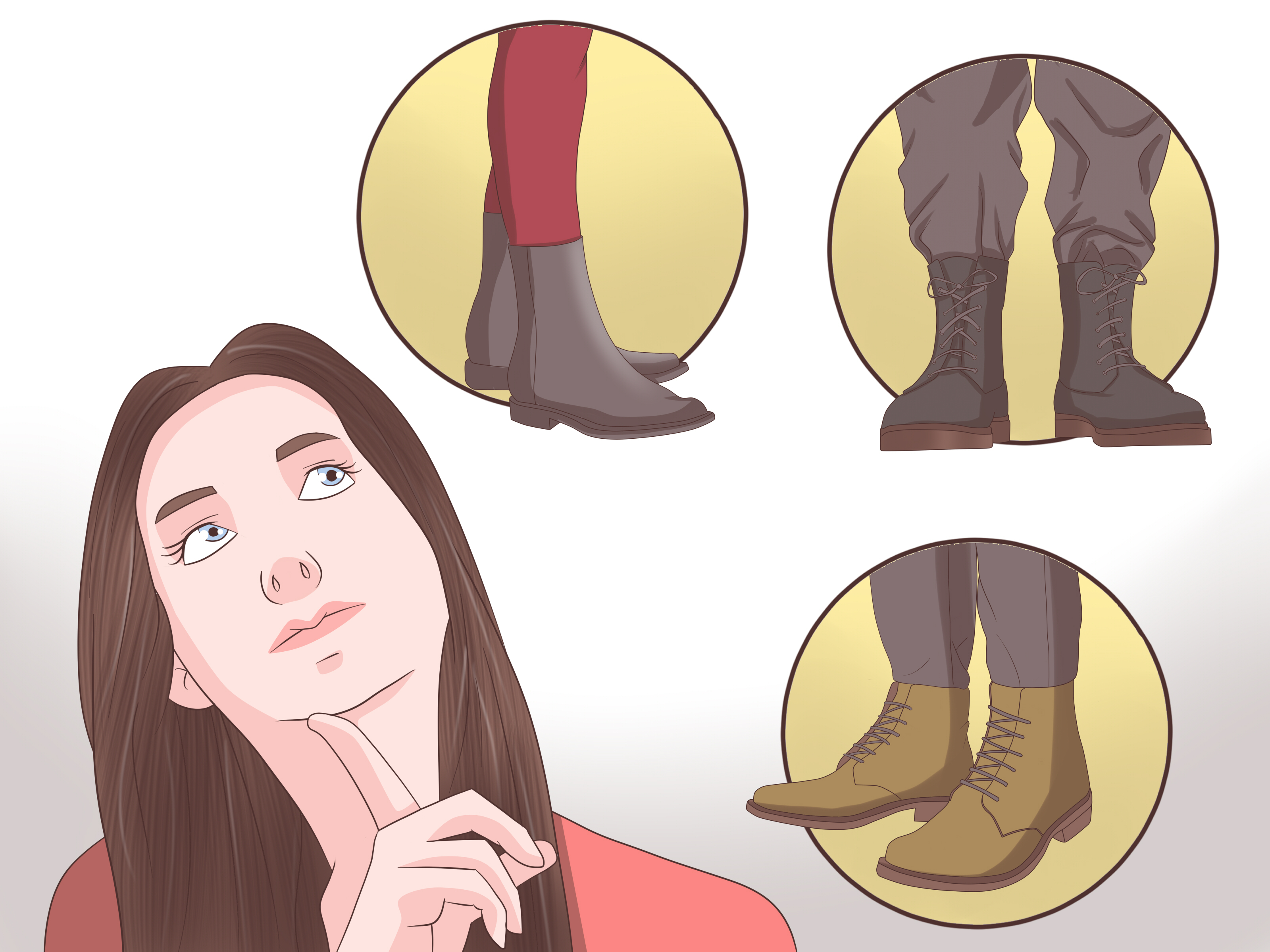
Fortunately, learning how to tuck jeans into boots is less about owning a magical pair of jeans and more about using the right technique. Skinny jeans can usually be tucked in directly. Straight-leg denim benefits from a neat pinch-and-fold method. Relaxed or baggy jeans often require a cuff and a pair of tall socks to keep everything under control.
This guide explains the three best methods, which jeans and boots work with each one, how to prevent bunching, and what to do when your denim refuses to cooperate. No advanced tailoring skills are required. You only need jeans, boots, socks, and a healthy willingness to negotiate with fabric.
Why Tuck Jeans into Boots?
A well-executed boot tuck can create a cleaner silhouette, highlight decorative footwear, and protect long hems from rain, snow, mud, and sidewalk puddles. It is especially useful with riding boots, knee-high boots, rain boots, snow boots, combat boots, and some roomy Western styles.
Tucked denim has also returned as a deliberate styling choice rather than merely a bad-weather solution. Recent fashion coverage has shown slim, straight, and even relaxed jeans tucked into structured tall boots for a balance of practical and polished style.
That does not mean every pair of jeans belongs inside every pair of boots. Bootcut and flared jeans are generally designed to fall over footwear, while close-fitting denim naturally creates less bulk inside a boot shaft. Choosing compatible pieces is half the battle. The other half is keeping the left leg from doing something completely different from the right.
What You Need Before You Start
Choose jeans with a manageable leg opening
Skinny, cigarette, tapered, and slim-straight jeans are the easiest styles to tuck. Their narrow hems fit inside most boot shafts without producing thick folds.
Regular straight-leg jeans can also work, particularly with tall boots that have a generous opening. Relaxed, boyfriend, barrel, bootcut, and wide-leg jeans require more manipulation and may feel uncomfortable inside narrow boots. Denim and Western-wear guides generally recommend slim silhouettes for tucking, while bootcut jeans are specifically shaped to fit over boots.
Check the boot shaft
The shaft is the section of the boot that rises above your ankle. Before tucking in your jeans, make sure there is enough room for your calf, socks, and denim.
Your boots should feel secure, not restrictive. If zipping them requires a deep breath, two hands, and inspirational music, adding folded denim is not a sensible next step. A wider or stretch-paneled shaft will handle thicker jeans more comfortably.
Wear smooth, properly fitted socks
Mid-calf or knee-high socks can hold denim in place and protect your skin from seams. Choose socks that fit smoothly without wrinkles. Oversized socks can bunch and rub, while undersized socks may create pressure and slip downward.
For everyday fashion boots, lightweight or medium-weight socks usually work better than extremely thick hiking socks. Too many layers can turn a comfortable boot into a small denim pressure cooker.
Method 1: The Direct Tuck for Skinny or Tapered Jeans
The direct tuck is the fastest and cleanest method. It is ideal for skinny jeans, jeggings, cigarette jeans, tapered denim, and slim-straight jeans with narrow hems.
How to do the direct tuck
- Put on your jeans and smooth the fabric from the knees down.
- Pull the hem straight so it sits flat against your ankle.
- Put on a smooth pair of tall socks if you need extra hold.
- Slide your foot into the boot while keeping the denim flat.
- Zip or fasten the boot, then gently pull the jeans upward at the thigh to remove tension around the knee.
- Walk, sit, and bend each knee to check for pinching or slipping.
Do not force excess fabric toward the front of the ankle. Spread any minor fullness evenly around the leg. A small amount of soft gathering above the boot can look intentional; a dense wad behind the ankle will feel like you smuggled a washcloth into your shoe.
Best boots for the direct tuck
- Knee-high riding boots
- Tall leather or suede boots
- Roomy cowboy or cowgirl boots
- Rain boots
- Mid-calf moto boots
- Snow boots with adjustable openings
Close-fitting jeans are commonly recommended for tall boots because they minimize ankle bunching and allow the boot’s shape to remain visible.
When this method does not work
If the hem repeatedly rides upward, the jeans may be too short. If the boot will not close, the combined layers are too thick. If you feel a hard ridge against your ankle, remove the boot and smooth the denim rather than hoping your leg eventually stops noticing.
Method 2: The Pinch-and-Fold Method for Straight-Leg Jeans
The pinch-and-fold method, sometimes informally called a military-style tuck, turns a wider jean hem into a temporary tapered shape. It works well with straight-leg jeans, slim boyfriend jeans, and slightly relaxed denim.
How to make a clean ankle fold
- Put on your jeans and stand with the hem fully extended.
- At the inside of one ankle, pinch the excess denim vertically.
- Pull the pinched fabric backward until the front of the jeans lies smooth.
- Fold the excess flat against the side or back of your ankle.
- Hold the fold in place while pulling a tall sock over it.
- Repeat on the other leg, matching the size and direction of the fold.
- Slide your feet carefully into the boots so the folds remain flat.
The goal is one flat fold, not several tiny pleats. Multiple folds create unnecessary thickness and may leave visible lumps along the boot shaft.
For a softer, fashion-forward shape, do not pull every inch of denim drum-tight. A little controlled volume near the knee can create the gently bloused look often seen with straight or relaxed jeans tucked into riding and Western boots. The key is balancing the fabric rather than allowing it to collect randomly.
Where to position the fold
The inside ankle is usually the least noticeable location. Positioning the fold directly over the shin may create a visible ridge. Placing it behind the ankle can become uncomfortable when you walk or drive.
If your boots have side zippers, place the denim fold away from the zipper track. A trapped fold can make fastening the boot difficult and may put unnecessary strain on the zipper.
Best jeans and boots for this method
Use the pinch-and-fold technique with medium-weight straight jeans and boots that have a structured but reasonably roomy shaft. Riding boots, tall moto boots, rain boots, and wide-shaft knee-high boots are excellent candidates.
Very rigid denim may resist the fold, while highly distressed hems may feel bulky. In either case, the third method usually provides better control.
Method 3: The Cuff-and-Sock Method for Loose Jeans
The cuff-and-sock method is the most dependable option when you need to tuck wider or longer jeans into boots. It combines two tricks: shortening the hem with a cuff and securing the remaining fabric beneath a tall sock.
How to use socks as a denim anchor
- Put on your jeans and fold each hem upward once or twice.
- Position the cuff just above the ankle bone or near the narrowest part of your lower leg.
- Gather the remaining fabric evenly around the ankle.
- For especially wide jeans, add a small vertical pinch-and-fold.
- Pull a snug mid-calf or knee-high sock over the cuff and folded denim.
- Smooth the sock so there are no wrinkles or twisted seams.
- Insert your foot into the boot slowly, holding the top of the sock if necessary.
- Adjust the fabric above the boot until both legs look balanced.
The sock acts like a gentle sleeve, preventing the cuff from unfolding and stopping loose fabric from sliding toward your foot. It is particularly useful with rain boots, snow boots, work boots, and tall boots with wide shafts.
How high should you cuff the jeans?
The ideal cuff height depends on the boot. For mid-calf boots, keep the cuff low enough that it remains covered. For knee-high boots, you can fold the jeans slightly higher to reduce material around the ankle.
Avoid making a thick, four-layer cuff. Two compact folds are usually better than one enormous roll resembling a denim doughnut.
When to skip this method
Do not use a heavy cuff inside close-fitting fashion boots. The added bulk can create pressure and distort the boot’s shape. Wide-leg and strongly flared jeans are often more comfortable worn over ankle boots rather than forced inside a narrow shaft.
Which Tucking Method Should You Choose?
| Jeans Style | Recommended Method | Best Boot Match |
|---|---|---|
| Skinny or jegging | Direct tuck | Riding, knee-high, rain, or moto boots |
| Cigarette or tapered | Direct tuck | Tall leather, Western, or mid-calf boots |
| Slim-straight | Direct tuck or pinch-and-fold | Riding or wide-shaft boots |
| Regular straight-leg | Pinch-and-fold | Structured tall boots |
| Boyfriend or relaxed | Cuff-and-sock | Roomy rain, snow, or Western boots |
| Bootcut or flare | Usually wear over boots | Cowboy or ankle boots |
| Wide-leg | Wear over boots unless shaft is very roomy | Ankle, platform, or pointed-toe boots |
How to Prevent Bunching and Slipping
Remove excess length
Long inseams create more fabric that must go somewhere. If your jeans stack heavily at the ankle, cuff them first or choose a shorter pair. Ankle-length denim may be easier to tuck than full-length jeans.
Secure the hem, not the entire calf
Your socks only need to stabilize the lower section of the jeans. Pulling an extremely tight sock over thick denim from ankle to knee may feel restrictive and create visible lines.
Adjust after sitting
Sitting pulls denim upward toward the knee. When you stand, smooth the jeans downward and redistribute any gathering above the boot. This ten-second reset prevents minor bunching from becoming a full-scale fabric uprising.
Keep both legs symmetrical
Match the height of the cuffs and the placement of the folds before putting on your boots. Taking a quick mirror photo can reveal unevenness that is surprisingly difficult to notice while looking straight down.
Common Mistakes to Avoid
- Stuffing fabric into the boot randomly: This creates painful ridges and uneven bulk.
- Forcing wide jeans into narrow boots: The boots may feel tight, and the denim can distort the shaft.
- Using loose ankle socks: They rarely hold a fold and may slide down with the jeans.
- Ignoring discomfort: Pressure, rubbing, numbness, or restricted movement means the combination is too tight.
- Overtightening the tuck: You need enough ease to bend your knees and walk naturally.
- Choosing the wrong boot height: Very short ankle boots often cannot conceal a bulky tuck.
Outfit Ideas for Tucked Jeans and Boots
Polished everyday outfit
Tuck dark slim-straight jeans into brown riding boots. Add a fitted turtleneck, a tailored coat, and a structured shoulder bag. The clean denim line keeps the outfit polished without making it overly formal.
Relaxed weekend outfit
Pair skinny jeans with mid-calf moto boots, an oversized sweater, and a crossbody bag. The narrow jeans balance the volume of the knit, creating an outfit that looks relaxed rather than shapeless.
Modern Western outfit
Use dark tapered jeans, tall Western boots, a simple T-shirt, and a suede or denim jacket. Let decorative stitching or an interesting boot color provide the focal point. Tucking or cuffing denim can reveal details that would otherwise remain hidden.
Rainy-day outfit
Secure straight-leg jeans with the cuff-and-sock method, then add waterproof rain boots, a lightweight sweater, and a trench coat. Your hems remain dry, and you avoid arriving indoors with denim that has absorbed half the sidewalk.
Frequently Asked Questions
Can men tuck jeans into boots?
Yes. The technique is useful for rain boots, work boots, snow boots, and outdoor activities. In traditional Western styling, men commonly wear bootcut or straight jeans over cowboy boots, although tucking may be practical for demanding work or severe weather.
Can bootcut jeans be tucked into boots?
They can, but the flared opening creates extra bulk. Use a cuff-and-sock method only when the boot shaft is roomy. For ordinary styling, bootcut jeans generally look and feel better worn over boots.
Should jeans bunch above knee-high boots?
A small amount of soft gathering can look relaxed and intentional. Large, uneven bunches usually indicate that the jeans are too long, too wide, or insufficiently secured.
Can you tuck jeans into ankle boots?
You can tuck skinny jeans into close-fitting Chelsea or ankle boots, but the boot opening must cover the hem. Straight and wider jeans usually look cleaner cuffed above ankle boots or worn over them.
How do you keep tucked jeans from coming out?
Use tall fitted socks, shorten the hem with a cuff, or create a flat ankle fold. After sitting, smooth the jeans and check that the sock remains in place.
Experience Notes: What Happens During a Full Day of Wear
The real test of any boot-tucking method does not happen in front of a bedroom mirror. It happens after walking several blocks, climbing stairs, sitting in a car, and discovering that one boot must be removed at airport security while a line of impatient travelers observes your denim engineering project.
In a typical daylong wear test, the direct tuck is clearly the easiest method. Skinny and tapered jeans usually remain smooth because there is very little loose fabric to migrate downward. The outfit feels normal after a few minutes, particularly when the boots have soft lining and a comfortable shaft. The main problem appears when the jeans are too short. Each time the knee bends, the hem can inch upward until it forms a small ring above the ankle. Taller socks reduce the problem, but properly fitting jeans solve it more effectively.
The pinch-and-fold method requires more preparation but produces a cleaner result with straight-leg denim. At first, it is tempting to make the fold extremely tight. That looks sleek while standing still, yet it can pull at the knee when sitting. A slightly looser fold performs better because the denim has room to move. Position also matters. A fold placed behind the ankle becomes noticeable during driving, while one placed along the inner leg usually remains comfortable and hidden.
The cuff-and-sock technique is the strongest performer in wet or messy conditions. Once the sock covers the cuff, the jeans stay elevated and the hems remain protected. However, sock choice makes a major difference. Thin, tall socks create a smooth result. Thick socks combined with heavy denim can make an otherwise comfortable boot feel one size too small. That combination is best reserved for wide rain or snow boots.
Another practical lesson is that appearance changes throughout the day. Jeans that look perfectly smooth in the morning will develop some creasing around the knees and upper boot shaft. That is normal. Trying to preserve a completely wrinkle-free tuck is unrealistic unless you plan to remain upright and motionless like a department-store mannequin.
A quick adjustment after sitting usually restores the shape. Pull gently at the upper thigh rather than yanking fabric from inside the boot. This redistributes tension without destroying the ankle fold. When wearing relaxed jeans, lightly blouse the fabric above each boot so both sides have similar volume.
Comfort should always outrank symmetry. If one calf is slightly larger, one boot may naturally look different from the other. Do not compensate by tightening the larger side until it hurts. A successful tuck should survive ordinary movement without numbness, sharp pressure, or repeated readjustment.
The most reliable takeaway is simple: match the technique to the denim. Directly tuck narrow jeans, fold straight jeans, and secure loose jeans with cuffs and socks. When a combination still feels bulky after two attempts, wear the jeans over the boots. Fashion should occasionally require creativity, but it should not require a rescue team.
Conclusion
The best way to tuck jeans into boots depends on the cut of the denim and the width of the boot shaft. Skinny and tapered jeans work best with a direct tuck. Straight-leg jeans become smoother with a vertical pinch-and-fold. Relaxed jeans stay under control when you cuff the hems and secure them beneath tall socks.
Whichever method you use, keep the fabric flat, avoid excessive layers, and test the outfit while walking and sitting. A neat tuck should look intentional and feel comfortable. When your ankles resemble overpacked luggage, that is your sign to start againor simply let the jeans fall over the boots and declare it a creative decision.