Pea protein powder has gone from “that mysterious beige scoop in gym bags” to a pantry staple for smoothie lovers, busy vegans, and anyone trying to sneak more plant-based protein into breakfast without chewing through a brick of tofu at 7 a.m. The good news? You can make a simple homemade version using dried split peas and basic kitchen tools.
The honest news? Homemade pea protein powder is not exactly the same as commercial pea protein isolate. Store-bought pea protein is usually processed with industrial equipment that separates much of the starch and fiber from the protein. Your homemade powder will be closer to finely milled pea flour: nutritious, affordable, vegan, and useful in smoothies, soups, pancakes, energy bites, and baked goodsbut not as protein-concentrated as a laboratory-level isolate.
Still, if you want a clean, budget-friendly, plant-based protein powder with ingredients you can pronounce without sounding like a chemistry professor, this guide is for you. Let’s turn humble split peas into a useful kitchen powderno dairy, no mystery fillers, no blender drama if we can help it.
What Is Pea Protein Powder?
Pea protein powder is made from dried peas, most often yellow split peas. Commercial versions are typically sold as pea protein concentrate or pea protein isolate. A concentrate contains protein along with some starch and fiber, while an isolate is processed further to raise the protein percentage.
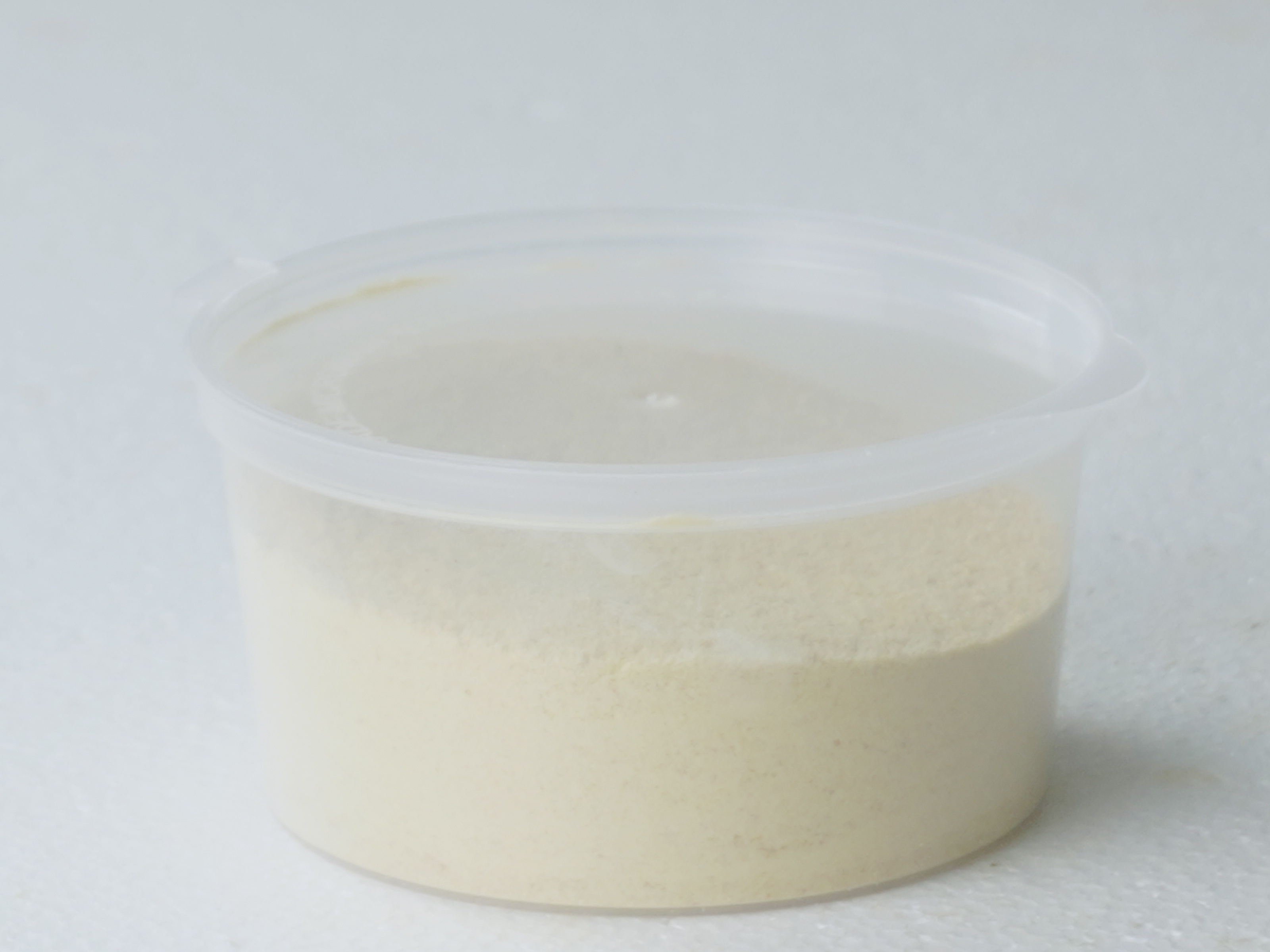
Homemade pea protein powder is best understood as a whole-food pea powder. It contains plant protein, complex carbohydrates, fiber, minerals, and naturally occurring compounds from the pea. That makes it wholesome, but it also means one tablespoon will not deliver the same protein punch as a scoop of commercial isolate. Think of it as a practical vegan protein booster rather than a bodybuilder’s magic dust.
Why Make Pea Protein Powder at Home?
There are plenty of reasons to make your own pea protein powder. First, it is inexpensive. A bag of dried split peas usually costs far less than a tub of premium protein powder with a label that looks like it was designed by a spaceship company.
Second, homemade powder gives you control. You choose the peas, skip added sugar, avoid artificial flavors, and decide whether to keep it plain or blend it with extras like vanilla powder, cinnamon, cocoa, or ground flaxseed.
Third, it is vegan and naturally dairy-free. For people who avoid whey because of lactose, dairy allergies, ethical reasons, or simple personal preference, pea-based protein is a useful alternative. Peas are legumes, and legumes are known for providing plant protein, fiber, and complex carbohydrates in one affordable package.
Homemade Pea Powder vs. Commercial Pea Protein Isolate
Before we start, let’s clear up the biggest kitchen myth: grinding peas does not magically create pure protein isolate. Commercial pea protein is usually made through dry or wet fractionation. Dry fractionation uses milling and air classification to separate protein-rich particles from starch-rich particles. Wet extraction often involves mixing pea flour with water, separating protein, and drying it into powder.
At home, you can soak, cook, dry, and grind peas into a fine powder. This improves digestibility and makes the peas easier to use, but it does not remove most of the starch. That is not a failure; it is simply food science being food science. Your result is a nutritious pea powder that works beautifully in recipes, especially when you want extra protein and fiber without buying a commercial supplement.
Ingredients You Need
Main Ingredient
2 cups dried yellow split peas are ideal because they have a mild flavor, light color, and smooth texture when ground. Green split peas also work, but they taste more “pea-forward,” which is delightful in soup and slightly suspicious in a vanilla smoothie.
Optional Flavor Add-Ins
Once your powder is finished, you can customize it. Try a teaspoon of cinnamon for breakfast blends, unsweetened cocoa powder for chocolate smoothies, vanilla bean powder for a dessert-style shake, or a pinch of salt if you plan to use it in savory recipes.
Kitchen Tools You Need
You do not need a commercial mill to make homemade pea protein powder, but a few tools help:
- Fine mesh strainer
- Large bowl for soaking
- Medium saucepan
- Baking sheet or dehydrator trays
- Parchment paper
- High-speed blender, spice grinder, or grain mill
- Fine sieve for sifting
- Airtight glass jar or food-safe container
How to Make Pea Protein Powder at Home
Step 1: Sort and Rinse the Split Peas
Pour the dried split peas onto a clean tray or plate. Pick out any small stones, shriveled pieces, or debris. Rinse the peas under cool running water until the water looks clear. This step is not glamorous, but neither is biting into a tiny rock in your smoothie. Choose your adventure wisely.
Step 2: Soak the Peas
Place the rinsed peas in a large bowl and cover them with several inches of water. Let them soak for 8 to 12 hours. Soaking helps soften the peas, shortens cooking time, and may reduce some gas-producing carbohydrates. After soaking, drain the water and rinse the peas again.
If you are short on time, you can use a quick-soak method: cover the peas with water, bring them to a boil for 2 minutes, turn off the heat, cover the pot, and let them sit for about 1 hour. Then drain and rinse.
Step 3: Cook Until Tender
Add the soaked peas to a pot and cover them with fresh water. Bring to a boil, reduce the heat, and simmer until the peas are tender. This may take about 20 to 40 minutes depending on the age and size of the peas. Avoid adding too much salt during cooking because it can affect texture and flavor in the final powder.
The peas should be soft enough to mash with a fork. Cooking matters because raw legume flour can be harder to digest and may have a stronger grassy flavor. Cooked peas create a gentler, more versatile powder.
Step 4: Drain and Spread Thinly
Drain the cooked peas very well. Spread them in a thin, even layer on parchment-lined baking sheets or dehydrator trays. The thinner the layer, the faster and more evenly they dry. Thick piles trap moisture, and trapped moisture is the villain in any homemade powder story.
Step 5: Dry Completely
You can dry the peas in a food dehydrator or in a low-temperature oven. A dehydrator set around 135°F works well. If using an oven, set it to the lowest temperature, usually around 170°F, and leave the door slightly cracked if your oven allows it safely. Stir or break up the peas occasionally so they dry evenly.
The peas are ready when they are fully dry, brittle, and no longer soft in the center. This may take several hours. Do not rush this step. If the peas are even slightly damp, the powder may clump or spoil faster in storage.
Step 6: Grind Into Powder
Once the peas are completely cool and dry, grind them in small batches using a high-speed blender, spice grinder, or grain mill. Do not overfill the machine. Small batches produce a finer texture and give your appliance a better chance of surviving the experience with dignity.
Blend until the peas become a powder. Pause occasionally to prevent overheating. If the powder feels warm, let it cool before storing.
Step 7: Sift for a Finer Texture
Pour the ground powder through a fine mesh sieve. Re-grind any larger pieces left behind. Sifting makes the powder smoother and easier to mix into drinks and batters. It also helps reduce the “sand at the bottom of the smoothie” effect, which nobody requested.
Step 8: Store Properly
Transfer the pea powder to an airtight jar. Store it in a cool, dry, dark place. For longer storage, keep it in the refrigerator or freezer. Always use a clean, dry spoon to scoop it. Moisture is the enemy of homemade powders, so keep the lid tightly closed.
How Much Protein Is in Homemade Pea Powder?
Dried split peas are a good source of plant protein, but homemade powder is not pure protein. Since it still contains starch and fiber, the exact protein content depends on the peas you use and how dry the final powder becomes. As a general kitchen estimate, homemade split pea powder may contain roughly 20 to 25 grams of protein per 100 grams, similar to dried peas.
Commercial pea protein isolate may contain around 75 to 85 grams of protein per 100 grams, depending on the brand and processing method. That means homemade powder is better for everyday food enrichment, while commercial isolate is better when you need a concentrated protein supplement.
How to Use Homemade Pea Protein Powder
In Smoothies
Add 1 to 2 tablespoons to a smoothie with banana, berries, peanut butter, oat milk, or cocoa powder. Because pea powder has an earthy flavor, it pairs best with bold ingredients. Banana is especially helpful because it adds sweetness and creaminess, like a tiny fruit diplomat smoothing over negotiations.
In Pancakes and Waffles
Replace 2 to 4 tablespoons of flour with homemade pea powder in pancake or waffle batter. It adds protein and fiber while giving the batter a slightly hearty texture. Start small so the flavor does not take over brunch like an uninvited motivational speaker.
In Soups and Stews
Pea powder works beautifully in savory dishes. Stir it into vegetable soup, lentil stew, curry, or chili to thicken the texture and add plant-based protein. Mix it with a little cold water first to prevent lumps.
In Energy Bites
Combine pea powder with oats, nut butter, maple syrup, chia seeds, and cocoa powder. Roll into small balls and refrigerate. This is one of the easiest ways to use homemade pea powder because the nut butter and cocoa balance the flavor.
In Bread and Muffins
Add a few tablespoons to bread, muffins, or savory biscuits. Do not replace all the flour with pea powder because it does not behave like wheat flour. Too much can make baked goods dense. A little is useful; a lot can turn muffins into doorstops with nutritional ambition.
Flavor Tips: How to Make Pea Powder Taste Better
Plain pea powder has a mild earthy flavor. Some people like it; others describe it as “green, but make it beige.” To make it more enjoyable, blend it with complementary ingredients.
For sweet recipes, use cocoa, cinnamon, vanilla, banana, dates, maple syrup, berries, or peanut butter. For savory recipes, use garlic powder, onion powder, smoked paprika, cumin, black pepper, nutritional yeast, or vegetable broth.
If you plan to use the powder mainly in smoothies, consider making a flavored blend. Mix 1 cup pea powder with 2 tablespoons cocoa powder, 1 tablespoon ground flaxseed, 1 teaspoon cinnamon, and a pinch of salt. Store it in an airtight jar and shake well before using.
Is Homemade Pea Protein Powder Healthy?
Homemade pea powder can be a healthy addition to a balanced diet. It provides plant protein, fiber, and slow-digesting carbohydrates. It is naturally vegan, dairy-free, and gluten-free when made with uncontaminated peas. It can help make meals more filling, especially when added to smoothies, soups, and snacks.
However, it should not replace a varied diet. Pea protein is rich in some amino acids, including lysine, but like many legumes, it is relatively lower in methionine. You can balance this by eating a variety of plant foods throughout the day, such as grains, seeds, nuts, soy foods, vegetables, and other legumes.
Safety Notes Before You Start
Keep homemade pea powder dry. Cool the dried peas completely before grinding, and never store warm powder in a sealed jar because condensation can form. If the powder develops mold, off smells, unusual clumping, or moisture, throw it away.
If you have a pea allergy, peanut allergy, soy allergy, or a history of legume reactions, speak with a healthcare professional before using pea protein. Peas are not one of the major allergens that must always be highlighted the same way as milk, eggs, fish, shellfish, tree nuts, peanuts, wheat, sesame, and soy on U.S. labels, but allergic reactions to peas can occur.
Also remember that protein powdershomemade or commercialare not automatically necessary. Many people can meet their protein needs through regular meals. Use pea powder as a convenience, not as a personality trait.
Common Mistakes to Avoid
Not Drying the Peas Completely
This is the biggest mistake. Damp peas create damp powder, and damp powder spoils faster. Dry until the peas are brittle.
Grinding Too Much at Once
Overloading the blender creates uneven powder and stresses the motor. Work in small batches for the smoothest result.
Expecting It to Dissolve Like Commercial Protein
Homemade pea powder contains fiber and starch, so it will not dissolve completely in water. It blends best into thick smoothies, batters, soups, and energy bites.
Using It Like Flour in Every Recipe
Pea powder can replace a small amount of flour, but it cannot fully replace wheat flour in recipes that rely on gluten structure. Start with small amounts and adjust.
Easy Homemade Pea Protein Smoothie Recipe
Try this beginner-friendly smoothie:
- 1 frozen banana
- 1 cup unsweetened oat milk or almond milk
- 1 to 2 tablespoons homemade pea powder
- 1 tablespoon peanut butter
- 1 tablespoon cocoa powder
- 1 teaspoon maple syrup, optional
- Ice, as needed
Blend until smooth. If the texture is too thick, add more milk. If the pea flavor is too strong, add more cocoa or a few berries. This smoothie tastes rich, filling, and far more exciting than drinking plain powder in water, which is technically possible but emotionally questionable.
of Real-Life Experience: What Making Pea Protein Powder Is Actually Like
The first thing you notice when making homemade pea protein powder is that split peas are tougher than they look. They sit in the bag looking tiny and harmless, like little yellow buttons. Then you try to grind them dry without soaking or cooking, and suddenly your blender sounds like it is filing a complaint with management. That is why soaking, cooking, drying, and then grinding is the friendlier route for most home kitchens.
In practice, the process feels less like making a supplement and more like doing a small weekend food project. It is simple, but it rewards patience. The soaking step is easy because the peas do the work while you sleep. Cooking them is straightforward, though you should keep an eye on the pot because split peas can foam and thicken. Drying is where the real waiting begins. If you use a dehydrator, the process is calm and predictable. If you use an oven, you may need to stir more often and check for hot spots.
The biggest lesson is that dryness matters more than speed. The peas may look dry on the surface while still holding moisture inside. Break a few pieces between your fingers. They should feel crisp and brittle, not leathery or soft. If they bend, keep drying. If they snap, you are in business.
The second lesson is that homemade pea powder tastes best when it has a job. It is not the kind of powder most people want to shake with water and drink plain. It shines when blended into foods that already have flavor and texture. Chocolate smoothies, peanut butter oat balls, savory soups, veggie burgers, and pancake batter are all better homes for it than a lonely shaker bottle.
Texture is another learning curve. Even after grinding and sifting, homemade powder can be slightly grainier than commercial protein powder. That is normal. A high-speed blender makes a big difference, but sifting is the secret finishing step. Re-grinding the larger bits can turn a rustic powder into something much more usable.
Storage also becomes part of the routine. A glass jar with a tight lid works well, but the powder should be kept away from steam, wet spoons, and sunny countertops. If you cook often, store a small jar in the pantry and keep the rest in the freezer. That way, the main batch stays fresh longer, and you do not have to worry every time your kitchen gets humid.
After a few batches, you will probably start customizing. A chocolate version is great for smoothies. A savory version with garlic, onion, paprika, and nutritional yeast is excellent for soups and sauces. A plain version is the most flexible for baking. The project becomes less about copying commercial pea protein and more about creating a useful, affordable, plant-based ingredient that fits your cooking style.
And yes, there is something satisfying about making your own protein powder. It feels practical, slightly nerdy, and surprisingly empoweringlike meal prep wearing a tiny lab coat. You know exactly what went into it, you can adjust the flavor, and you can use it in real food instead of letting another giant tub expire in the back of the pantry.
Conclusion
Learning how to make pea protein powder at home is simple, affordable, and surprisingly rewarding. With dried split peas, water, heat, patience, and a good grinder, you can create a vegan powder that adds plant-based protein, fiber, and heartiness to everyday recipes.
Just remember the key distinction: homemade pea powder is not the same as commercial pea protein isolate. It is a whole-food powder, which means it contains protein along with starch and fiber. That makes it less concentrated but more kitchen-friendly in many recipes. Use it in smoothies, pancakes, soups, stews, baked goods, and energy bites for a practical nutrition boost.
Dry it thoroughly, grind it finely, store it safely, and season it wisely. Your blender may not send you a thank-you card, but your pantry just became a little more powerful.