Note: Publish-ready body content only. SEO tags are included at the end in JSON format.
Weekday lunch has a branding problem. Somewhere between “quick bite” and “whatever is lurking in the office fridge,” it became the least glamorous meal of the day. Breakfast gets motivational speeches. Dinner gets candles. Lunch gets eaten over a keyboard while answering an email no one wanted in the first place.
But according to registered dietitians, lunch deserves better. To build this roundup, we synthesized advice and lunch ideas shared by U.S.-based registered dietitians across major nutrition, health, and lifestyle publications. And after looking at what these experts actually eat on busy weekdays, a clear pattern showed up faster than a sad desk salad at 12:07 p.m.
Their lunches may look different on the surface. Some are bowls. Some are wraps. Some are snack plates. One is basically a smoothie wearing a productivity badge. But they all follow the same smart formula: protein plus fiber, with produce and often healthy fats. In other words, these lunches are built to do more than merely exist. They are designed to keep you full, focused, and much less likely to rummage through your pantry like a raccoon at 3 p.m.
If you have been hunting for healthy weekday lunches that are realistic, satisfying, and not wildly complicated, these dietitian lunch ideas are full of clues. Here is what the pros keep coming back to, why it works, and how to copy the strategy without turning your kitchen into a meal-prep war zone.
The One Thing They All Have in Common
Let’s not overcomplicate the mystery. The common denominator is balance, but not the vague, wellness-influencer kind of balance that sounds nice and explains nothing. Dietitians consistently build lunch around a dependable structure: a solid protein source, fiber-rich carbohydrates or vegetables, and a little healthy fat for staying power and flavor.
That combination matters for a few reasons. Protein helps support fullness. Fiber slows things down in a good way, helping lunch feel like a real meal instead of a brief emotional event. Healthy fats add satisfaction and help meals taste like something you would willingly eat again. And when whole grains, beans, fruit, or vegetables join the party, lunch starts pulling its weight nutritionally, too.
This also happens to line up with broader healthy eating guidance in the U.S. Think vegetables and fruits, whole grains, healthy protein, and practical fats from foods like avocado, nuts, seeds, olive oil, or yogurt. Fancy? Not necessarily. Effective? Very.
10 Go-To Weekday Lunches Dietitians Actually Love
1. Spicy Tuna Bowl
One dietitian’s no-cook favorite combines canned tuna, cucumber, edamame, microwavable quinoa, and a spicy sauce. It is quick, portable, and pleasantly punchy. More importantly, it nails the weekday lunch formula. Tuna brings lean protein, edamame adds both plant protein and fiber, and quinoa helps the meal feel substantial enough to power an afternoon instead of politely waving goodbye after 20 minutes.
This is a great reminder that a healthy lunch idea for work does not have to involve actual cooking. It just needs a smart protein base and a few strategic upgrades.
2. Cold Pasta Salad
Another dietitian keeps things simple with a batch-made pasta salad using whole-grain pasta, canned chicken, kale, broccoli, and a modest amount of dressing. This is the anti-deli-counter pasta salad. It still gives you the comfort of pasta, but it behaves like a grown-up meal. Whole grains boost fiber, chicken adds protein, and vegetables keep the bowl from turning into a beige carb conference.
The genius here is not culinary drama. It is repeatability. You make it once, and lunch more or less takes care of itself for a few days.
3. Cottage Cheese Snack Plate
Dietitians are not above a snack plate, and frankly, that is excellent news for the rest of us. Cottage cheese paired with berries or pineapple, plus almonds or whole-grain crackers, creates a lunch that is refreshing, balanced, and almost suspiciously easy. Cottage cheese delivers high-quality protein, fruit contributes fiber and natural sweetness, and nuts or crackers bring texture and staying power.
This is proof that “easy lunch” does not have to mean “nutritionally flimsy.” It can mean “assembled in under five minutes while coffee is still hot.”
4. Grain Bowl
If weekday lunches had an overachiever, it would be the grain bowl. One registered dietitian recommends starting with quinoa or brown rice, then layering on beans, tuna, salmon, or rotisserie chicken, plus roasted vegetables, fruit, cheese, seeds, and a simple vinaigrette. Yes, it sounds like a lot. No, it is not complicated if you prep components ahead of time.
The beauty of the grain bowl is flexibility. It lets leftovers become intentional. It also makes it very easy to include protein, fiber, color, crunch, and flavor without feeling like you are eating “health food” in the joyless sense of the term.
5. Turkey, Avocado, and Veggie Wrap
This is the lunch equivalent of a reliable friend who always texts back. Sliced turkey breast, avocado, spinach, shredded carrots, hummus, and a whole-grain tortilla hit nearly every mark. Lean protein? Check. Healthy fat? Check. Fiber from veggies and whole grains? Check. Portable and practical? Also check.
Wraps work because they are forgiving. If you have cucumbers instead of carrots, great. If you use leftover chicken instead of turkey, also great. The structure is what matters.
6. Greek Snack Plate
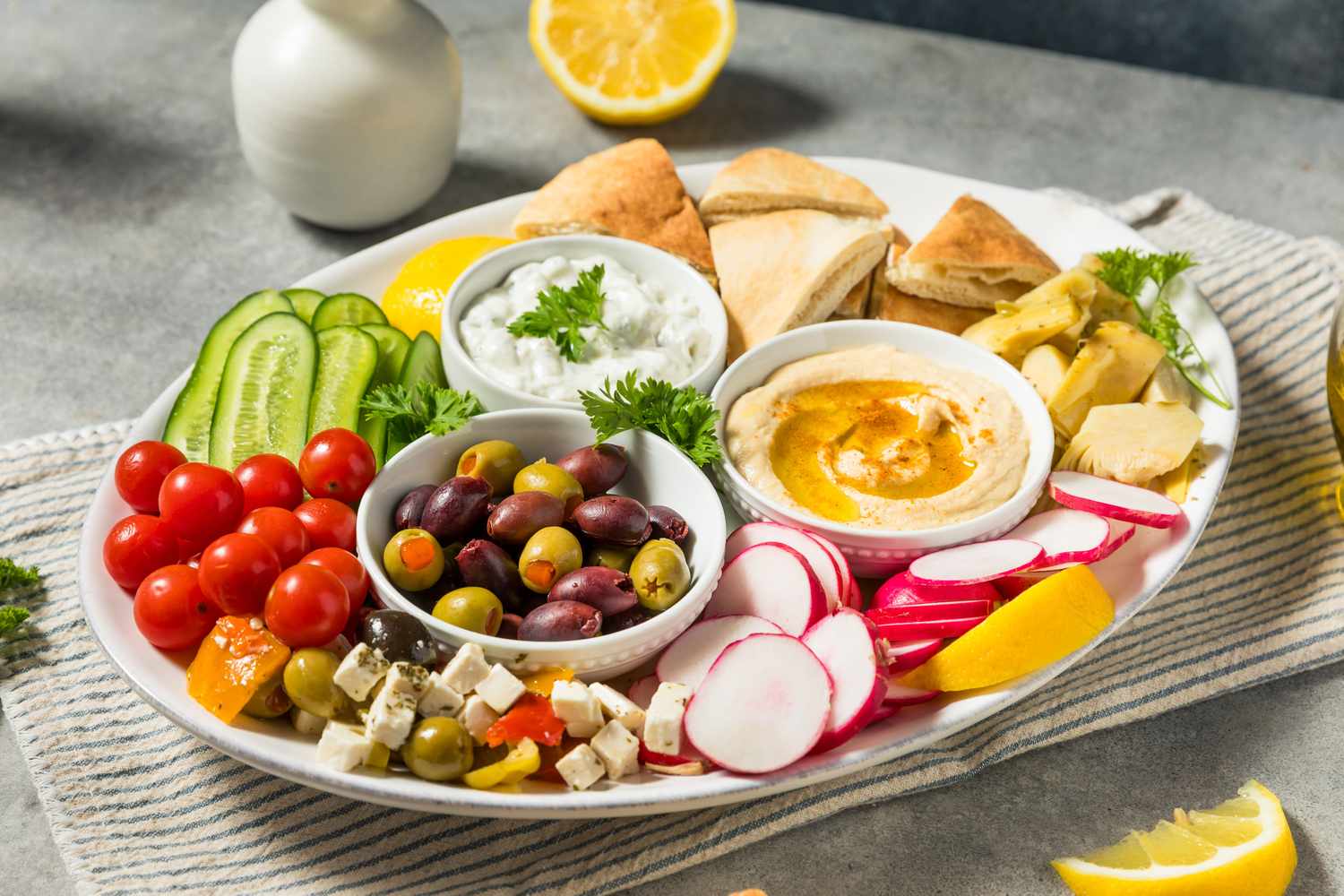
A Mediterranean-style snack plate built with hummus, tzatziki, feta, olives, and crunchy vegetables may sound more like something you would order on a sunny patio than pack on a Tuesday morning. But that is exactly why it works. It feels fresh, flavorful, and satisfying. The protein comes from the dips and cheese, while the vegetables add fiber and volume.
It is also a handy strategy for people who hate reheated lunches with the passion of a thousand microwaved fish disasters.
7. Greek Yogurt Bowl
Another dietitian relies on a Greek yogurt bowl topped with chia seeds and berries, with nuts and raw vegetables on the side. This is a smart “all three macronutrients” meal that comes together fast and can be eaten in stages between meetings. Greek yogurt adds protein, chia seeds and berries contribute fiber, and nuts bring healthy fat and crunch.
It is a practical answer for busy days when you do not want lunch to feel like a separate project with its own timeline and budget meeting.
8. Egg and Hummus Wrap
Hard-boiled eggs, hummus, baby spinach, hot sauce, fruit, and a whole-wheat tortilla make for a lunch that is easy, filling, and surprisingly flavorful. Eggs are one of the most convenient proteins around, and when paired with hummus and greens, they create a wrap that feels more substantial than its humble ingredients suggest.
This is also a fantastic make-ahead option. Boil eggs once, and suddenly lunch gets dramatically less chaotic for the rest of the week.
9. Berry Protein Smoothie
For on-the-go days, one women’s health dietitian leans on a smoothie made with frozen berries, protein powder, chia seeds, spinach, and milk. A smoothie lunch can go wrong when it is basically a fruit milkshake with a wellness sticker on it. But when it contains real protein, fiber, and a bit of fat, it becomes a legitimate meal.
This is especially useful on days when appetite is weird, schedule is messy, or chewing feels like an ambitious personal goal.
10. Loaded Baked Potato
The humble baked potato makes a surprisingly excellent balanced lunch when topped with greens, vegetables, beans, cottage cheese, or rotisserie chicken, then finished with olive oil or balsamic. Potatoes often get unfairly typecast, but paired with protein and vegetables, they become a hearty, affordable, and very satisfying base.
It is warm, comforting, and far more nutritious than the potato’s reputation sometimes suggests. Think less steakhouse side dish, more complete meal with range.
Why These Healthy Weekday Lunches Work So Well
They Keep Energy Steadier
The most obvious benefit is that balanced lunches are less likely to leave you sleepy, ravenous, or plotting a dramatic breakup with your afternoon calendar. Meals built around protein and fiber generally digest more gradually than lunches dominated by refined carbs alone. That means fewer sharp crashes and a better chance of staying focused through the workday.
They Are Easy to Prep Without Being Boring
These lunches are not built on perfection. They are built on convenience. Canned tuna, rotisserie chicken, hard-boiled eggs, yogurt, beans, microwavable grains, frozen berries, and chopped vegetables appear over and over because they are fast and flexible. Dietitians do not seem overly interested in elaborate lunch theater. They want meals that work on Wednesday when motivation is low and the fridge is looking emotionally unavailable.
They Travel Well
Wraps, bowls, snack plates, pasta salads, and smoothies are all office-friendly and lunchbox-friendly. Most can be made ahead, packed quickly, or eaten cold. That matters because the healthiest lunch in theory is not very useful if it requires a chef’s knife, a sauté pan, and a pep talk at noon.
How to Build Your Own Dietitian-Approved Lunch
If you do not want to follow someone else’s lunch idea exactly, steal the formula instead.
Start with Protein
Choose one dependable anchor: chicken, turkey, tuna, salmon, tofu, eggs, Greek yogurt, cottage cheese, beans, lentils, edamame, or hummus. This is the part that helps your lunch stick.
Add Fiber-Rich Carbs or Produce
Think whole-grain bread, brown rice, quinoa, whole-wheat pasta, potatoes, beans, berries, apples, leafy greens, broccoli, carrots, cucumbers, or bell peppers. Fiber is the quiet hero of lunch. It supports fullness, digestion, and a meal that actually feels finished.
Bring in a Healthy Fat
Avocado, nuts, seeds, olives, olive oil, feta, or nut butter can round things out. You do not need much. A little goes a long way in both taste and satisfaction.
Make It Taste Good Enough to Repeat
This part is non-negotiable. A healthy lunch you hate is just a moral lecture in a container. Use herbs, hot sauce, salsa, pickled onions, lemon juice, vinaigrette, or seasoning blends so your lunch tastes like food, not punishment.
Common Lunch Mistakes That Backfire
Mistake one: eating only carbs and calling it balance. A plain bagel, a granola bar, or crackers alone may be quick, but they usually do not hold you for long.
Mistake two: relying on a tiny salad with almost no protein. If your lunch is mostly lettuce and optimism, it may not get you very far.
Mistake three: forgetting texture and flavor. Crunch, creaminess, salt, acid, and spice make healthy lunches much more appealing, which means you are more likely to keep eating them.
Mistake four: making lunch too complicated. You do not need seven containers, an advanced prep spreadsheet, and a degree in refrigeration engineering. You need a system that works on ordinary days.
Five Smart Shortcuts for Better Work Lunches
Keep canned tuna, salmon, or beans in the pantry. Buy pre-washed greens. Use microwavable grains. Prep a few proteins ahead of time. Stock one flavorful spread or dressing you genuinely enjoy. Those tiny decisions can make healthy lunch ideas for work feel dramatically more doable.
Also, embrace leftovers without shame. A grain bowl made from last night’s roasted vegetables and chicken is not lazy. It is efficient, and efficiency is beautiful at 12:30 p.m.
The Real-World Experience of Eating Like This on Weekdays
What actually changes when you start eating lunches like the ones dietitians recommend? First, the day feels less chaotic. That may sound dramatic for something as ordinary as lunch, but it is true. When lunch includes protein, fiber, produce, and a little healthy fat, you stop spending the entire afternoon negotiating with your hunger. You are not distracted by cravings an hour later, and you are not eyeing a vending machine like it personally promised to fix your life.
There is also a surprising psychological benefit: you feel more prepared. A balanced lunch creates a small sense of order in the middle of a busy day. Maybe breakfast was rushed and dinner is still a mystery, but lunch becomes one thing that is handled. It is a tiny pocket of competence between meetings, errands, traffic, school pickup, deadlines, and the fifth notification you did not need.
Another big shift is that healthy eating starts to feel less theatrical. You stop chasing complicated “perfect” lunches and start repeating simple combinations that work. A wrap with turkey, hummus, and vegetables. A grain bowl with leftover chicken and roasted broccoli. Greek yogurt with berries, chia, nuts, and a side salad. None of these meals are flashy, but that is exactly the point. They are realistic enough to survive an average Tuesday.
People also tend to notice that dinner gets easier. When lunch is balanced, you usually arrive at the evening meal hungry but not feral. That means you are more likely to make sensible choices, less likely to snack your way through the kitchen while deciding what to cook, and less tempted to order the kind of takeout that sounds amazing in the moment and confusing 45 minutes later.
There is a budget benefit, too. Many of these go-to weekday lunches rely on practical staples: eggs, beans, potatoes, canned fish, yogurt, grains, greens, and leftover proteins. Once you stop treating lunch like an emergency purchase and start treating it like a planned meal, your wallet gets to exhale a little. Even one or two packed lunches a week can make a noticeable difference over time.
And then there is the energy piece. No, a balanced lunch will not turn you into a productivity robot who suddenly loves spreadsheets and answers every email with joy. But it can make the afternoon feel smoother. You may think more clearly, snack less impulsively, and have more consistent stamina. That is not magic. It is just what often happens when your lunch finally contains enough substance to count as lunch.
Perhaps the best part is how adaptable the whole system is. Whether you eat meat, prefer plant-based proteins, need grab-and-go options, want high-protein lunch ideas, or simply need healthy lunch ideas that are not boring, the formula still works. The specifics can change. The structure does not have to. And that is what makes it sustainable.
Final Takeaway
When you strip away the fancy language and trendy plating, the best dietitian lunch ideas are refreshingly simple. They are balanced, practical, flavorful, and built from ingredients that stand a fighting chance of already being in your kitchen. The real secret is not a single superfood or a perfect meal-prep routine. It is combining protein, fiber-rich foods, produce, and healthy fats in a way that makes lunch satisfying enough to carry you through real life.
So no, you do not need to become the kind of person who hand-rolls lunch in a linen apron before sunrise. You just need a few reliable combinations, a little planning, and the willingness to stop pretending crackers alone are a personality trait. Your weekday lunches can be healthy, easy, and genuinely enjoyable. The dietitians have spoken, and thankfully, they did not say anything about surviving on plain celery.