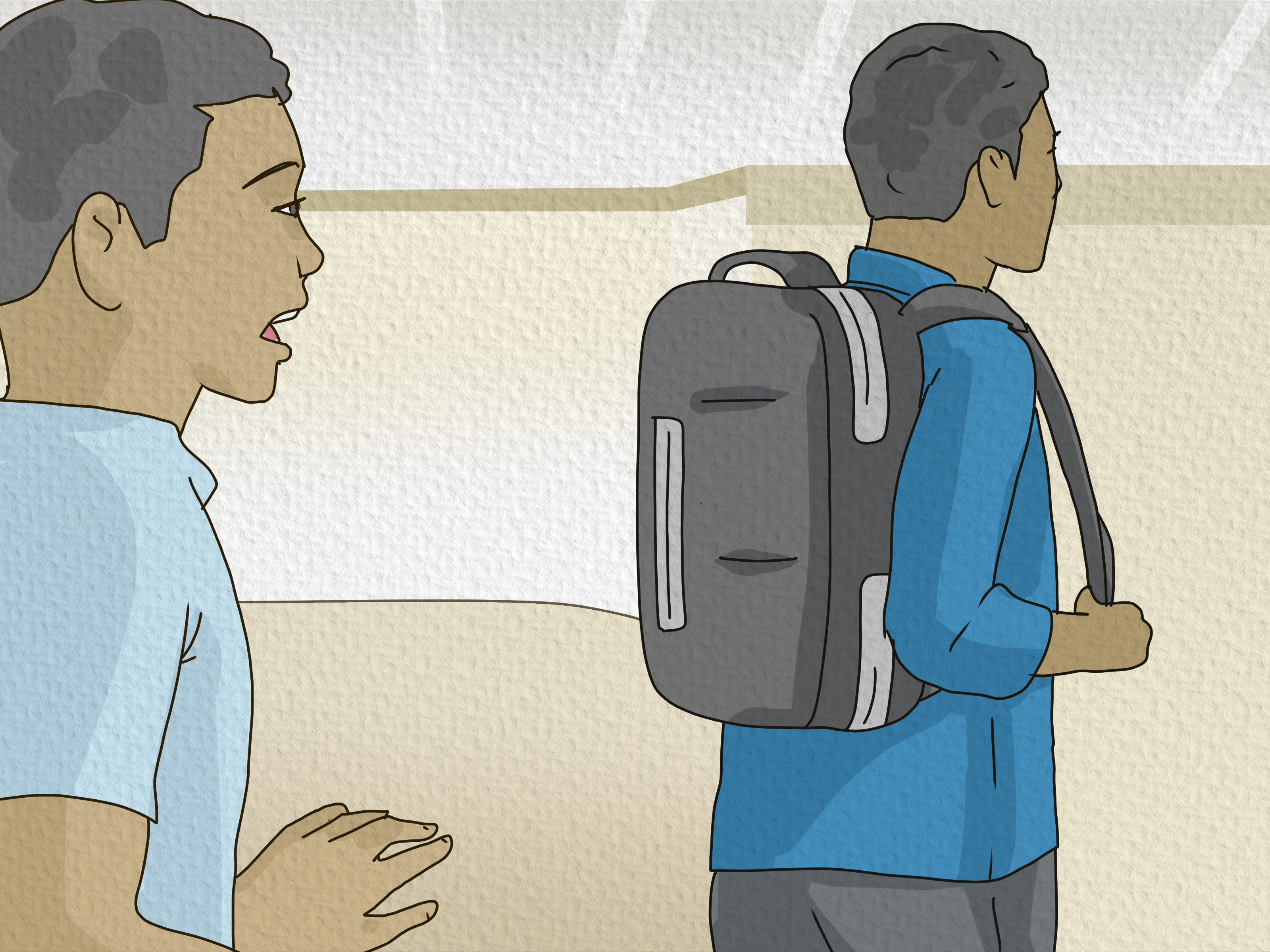
Emotional neglect in marriage does not always arrive wearing a dramatic cape. More often, it slips in quietly between unread texts, distracted dinners, one-word answers, and the mysterious disappearance of “How was your day?” It is not always about yelling, betrayal, or one big blowup. Sometimes, the hurt comes from what is missing: warmth, curiosity, comfort, appreciation, emotional presence, and the feeling that your spouse still wants to know the person behind your grocery list.
A marriage can look perfectly functional from the outside. Bills get paid. Kids get picked up. The dishwasher is loaded with the strategic precision of a military operation. Yet inside, one or both partners may feel deeply lonely. That loneliness inside a relationship can be confusing because marriage is supposed to be the place where you are not alone. When emotional neglect becomes a pattern, the home may feel less like a safe harbor and more like a shared office with better snacks.
The good news is that emotional neglect in marriage is often repairable, especially when both partners are willing to recognize it, talk honestly, and rebuild emotional intimacy through small, steady changes. This article explains what emotional neglect is, how to spot it, why it happens, how it affects a relationship, and what couples can do to cope in a healthier way.
What Is Emotional Neglect in Marriage?
Emotional neglect in marriage happens when one partner repeatedly fails to notice, respond to, or care for the other partner’s emotional needs. It is not simply forgetting an anniversary once or being tired after a rough week. Everyone has distracted days. Emotional neglect is a pattern of disconnection where emotional bids, vulnerabilities, needs, and feelings are ignored, minimized, dismissed, or avoided over time.
In a healthy marriage, partners do not need to be mind readers. Thank goodness, because most of us would rather not have our snack-related thoughts broadcast in high definition. But spouses do need to pay attention. They ask questions. They offer comfort. They celebrate wins. They notice sadness. They respond when their partner reaches for connection, even in small ways.
Emotional neglect may sound like:
- “You’re too sensitive.”
- “I don’t want to talk about this.”
- “Why are you making a big deal out of nothing?”
- “I’m busy.”
- Silence, eye-rolling, or changing the subject whenever feelings come up.
It may also be completely silent. A partner may stop asking about your inner world. They may rarely show affection, avoid difficult conversations, dismiss your stress, or treat emotional closeness as optional decoration rather than structural support. Over time, this lack of responsiveness can make a spouse feel unseen, unwanted, or emotionally abandoned.
Emotional Neglect vs. Normal Relationship Distance
Every couple goes through seasons of distance. New jobs, parenting, illness, grief, money pressure, and plain old exhaustion can temporarily reduce emotional bandwidth. A marriage does not need constant candlelit conversations to be healthy. Sometimes intimacy is two people silently eating cereal at 10 p.m. and agreeing that tomorrow’s problems can remain tomorrow’s problems.
The difference is whether emotional distance becomes the default. Normal distance usually improves when partners rest, reconnect, and talk. Emotional neglect continues even when one spouse clearly expresses a need for attention, comfort, or connection. It is not the occasional lack of romance; it is the repeated absence of emotional care.
For example, a busy spouse who says, “I’m overwhelmed tonight, but I want to hear about this tomorrow,” is setting a limit while still showing care. A neglectful pattern sounds more like, “Not this again,” followed by weeks of avoidance. One says, “You matter, but I need a minute.” The other says, “Your feelings are inconvenient.” That difference matters.
Common Signs of Emotional Neglect in Marriage
1. You Feel Lonely Even When You Are Together
One of the clearest signs of emotional neglect is feeling lonely beside the person who is supposed to be your closest companion. You may sit in the same room, share the same bed, and coordinate the same errands, yet feel emotionally miles apart. The relationship may function on logistics but starve on intimacy.
2. Your Partner Rarely Shows Interest in Your Feelings
A spouse who emotionally neglects the marriage may not ask deeper questions. They may know what time your meeting starts but not how you feel about it. They may hear that you are stressed but never follow up. This lack of curiosity can make you feel like a household manager instead of a loved partner.
3. Serious Conversations Are Avoided
Some partners shut down whenever emotional topics appear. They may leave the room, joke, scroll their phone, become defensive, or insist everything is fine. Avoidance can seem peaceful at first because it prevents arguments. But in the long run, it turns unresolved feelings into emotional clutter. And unlike physical clutter, you cannot shove it into a closet before guests arrive.
4. Affection Has Faded
Emotional neglect often includes a decline in warmth, touch, compliments, gratitude, and affection. This does not mean couples must act like honeymooners forever. However, when affection disappears completely, the relationship can start to feel cold and transactional.
5. Your Needs Are Minimized or Mocked
When you ask for more quality time, reassurance, or communication, your spouse may call you needy, dramatic, or impossible to satisfy. This response can train you to stop asking. Eventually, silence may feel safer than vulnerability, but that silence comes at a cost.
6. Conflict Never Gets Repaired
Healthy couples argue, but they also repair. They apologize, clarify, soften, and return to each other. In emotionally neglectful marriages, conflict may end only because someone gives up. The issue is not resolved; it is buried. Unfortunately, buried issues have a habit of growing roots.
Why Emotional Neglect Happens in Marriage
Emotional neglect does not always mean a partner is cruel or intentionally withholding love. Sometimes it grows from learned habits, stress, emotional immaturity, mental health struggles, family-of-origin patterns, or unresolved resentment. Understanding the cause does not excuse the behavior, but it can help couples choose the right solution.
Childhood Emotional Patterns
People who grew up in families where emotions were ignored, punished, or mocked may never have learned how to respond to feelings with comfort. As adults, they may freeze when a spouse cries or become defensive when asked for emotional closeness. They are not necessarily heartless; they may be under-skilled. Marriage, however, is not a great place to run permanently on emotional dial-up.
Chronic Stress and Burnout
Work pressure, caregiving, financial strain, parenting, and health problems can drain emotional energy. A burned-out partner may become withdrawn, irritable, or numb. While stress explains some distance, it does not remove the need for repair. Even overwhelmed couples need small rituals of connection to keep the relationship alive.
Fear of Vulnerability
Some people avoid emotional intimacy because closeness feels risky. If being vulnerable once led to rejection, criticism, or shame, a spouse may protect themselves by staying distant. The problem is that emotional armor may prevent pain, but it also blocks love.
Unresolved Resentment
A partner may withdraw emotionally because they feel hurt, unappreciated, or angry. Instead of saying, “I am still upset about what happened,” they become cold. This passive distance can punish both people. The neglected spouse feels abandoned, while the resentful spouse remains stuck in unspoken pain.
Digital Distraction
Phones are wonderful tools. They help us navigate, bank, work, shop, and watch videos of raccoons making suspiciously intelligent decisions. But constant scrolling can quietly replace face-to-face attention. When a spouse gives more eye contact to a screen than to their partner, emotional neglect can grow one notification at a time.
How Emotional Neglect Affects a Marriage
Emotional neglect can damage trust, intimacy, self-esteem, and relationship satisfaction. The neglected partner may begin to question their worth: “Am I asking too much? Am I boring? Am I hard to love?” These doubts can become heavy, especially when emotional needs are repeatedly dismissed.
Neglect can also create a pursue-withdraw cycle. One partner asks for connection more urgently, while the other retreats further. The more one chases, the more the other feels pressured. The more one withdraws, the more the other panics. Soon the couple is not solving the original issue; they are stuck in a dance where both people keep stepping on each other’s emotional toes.
Over time, emotional neglect may reduce physical intimacy as well. Many people need emotional safety to feel sexually close. When warmth, trust, and tenderness disappear, sex may become rare, mechanical, tense, or avoided. The issue is not always attraction. Sometimes the body is simply voting against emotional disconnection.
Emotional neglect can also affect mental health. Feeling unseen in a primary relationship may contribute to sadness, anxiety, anger, sleep problems, and a sense of isolation. If emotional neglect is paired with intimidation, control, humiliation, threats, or fear, it may be part of a broader abusive pattern and should be taken seriously.
Is Emotional Neglect the Same as Emotional Abuse?
Emotional neglect and emotional abuse can overlap, but they are not always the same. Emotional neglect is often about absence: lack of attention, lack of support, lack of empathy, lack of responsiveness. Emotional abuse is more active and may include manipulation, threats, insults, humiliation, isolation, gaslighting, coercive control, or repeated attacks on a person’s self-worth.
That said, chronic neglect can become deeply harmful, especially when one partner refuses to acknowledge the pain or uses withdrawal as punishment. If you feel afraid of your spouse, controlled by them, or unsafe expressing basic needs, the priority is not “better communication.” The priority is safety, support, and professional help.
If there is danger, threats, violence, stalking, coercive control, or fear in the relationship, consider reaching out to a trusted person, a licensed therapist, local emergency services, or a domestic violence support organization. A marriage can survive many things, but safety is not negotiable.
How to Cope With Emotional Neglect in Marriage
1. Name the Pattern Clearly
Before you can change emotional neglect, you need to name it. Try writing down specific patterns instead of global accusations. “You never care about me” may be emotionally true, but it can trigger defensiveness. A more workable statement is: “When I talk about something stressful and you look at your phone or change the subject, I feel alone.”
Specific examples help move the conversation from character attack to relationship repair. The goal is not to win a courtroom drama. The goal is to help your spouse understand the emotional impact of their behavior.
2. Use “I” Statements Without Watering Down the Truth
An “I” statement is not a magic spell, but it can reduce blame. Try: “I feel disconnected when we go several days without a real conversation. I need us to spend time checking in.” This is clearer than “You are emotionally unavailable,” even if that phrase is currently waving a tiny flag in your mind.
Be honest and calm, but do not minimize your need. Wanting emotional connection in marriage is not needy. It is part of the job description.
3. Ask for Specific Behaviors
Many couples get stuck because one partner asks for “more effort,” while the other has no idea what that means. Define the behavior. Do you want a 15-minute check-in after dinner? A hug when you come home? A weekly date? A follow-up question when you share something hard? More appreciation? Less phone use during meals?
Specific requests are easier to practice and measure. “Please ask me how therapy went on Thursdays” is more actionable than “Be emotionally present,” although both are valid desires.
4. Create Daily Rituals of Connection
Emotional intimacy is often rebuilt through small habits, not grand speeches. Try a daily ten-minute check-in where each person answers: What felt hard today? What felt good? What do you need from me tonight? Keep it simple. This is not the time to bring a 47-slide presentation titled “Everything You Have Done Wrong Since 2019.”
Small rituals may include morning coffee together, a goodbye kiss, a no-phone dinner, a walk after work, or a bedtime gratitude exchange. Repeated moments of attention tell the nervous system, “We are still here. We still choose each other.”
5. Respond to Bids for Connection
A bid for connection is any attempt to get attention, affection, humor, help, or emotional response from a partner. It can be as small as “Look at this funny thing,” or as vulnerable as “I’m scared about my appointment.” Turning toward these bids builds closeness. Ignoring them builds distance.
If your spouse makes a bid, pause and respond. If you cannot respond fully, acknowledge it: “I want to hear this, but I need ten minutes to finish something.” If you are the neglected partner, notice how often your bids are missed and bring that pattern into conversation.
6. Rebuild Emotional Safety
Emotional safety means both partners can share feelings without being mocked, punished, dismissed, or ignored. To rebuild it, practice listening without immediately defending yourself. Validate before problem-solving. Try saying, “That makes sense,” “I can see why that hurt,” or “I did not realize it landed that way.”
Validation does not mean you agree with every detail. It means you care that your partner is having an emotional experience. In marriage, that one skill can prevent many conversations from turning into verbal dodgeball.
7. Set Boundaries Around Avoidance
If your spouse routinely refuses to talk, you can set a boundary. For example: “I will not chase you around the house to discuss this, but I do need us to choose a time within the next 24 hours.” Boundaries are not threats. They clarify what you need and what you will do to protect your well-being.
If your partner keeps avoiding every serious conversation, that is important information. A marriage cannot heal if only one person is willing to look at the wound.
8. Consider Couples Therapy
Couples therapy can help partners identify patterns, improve communication, repair injuries, and rebuild emotional intimacy. A therapist can slow the conversation down, translate emotional needs, and prevent the same argument from performing its greatest hits every Tuesday night.
Therapy is not only for couples on the edge of divorce. It can be a practical space to learn skills many people were never taught: how to listen, how to repair, how to ask for needs, how to disagree without emotional demolition, and how to reconnect after distance.
9. Get Individual Support Too
If emotional neglect has affected your confidence, mood, or sense of identity, individual therapy can help. You can explore why the neglect hurts, what you need, what boundaries are healthy, and whether the relationship is improving or simply repeating the same cycle with better vocabulary.
Support from trusted friends, family, support groups, or a counselor can also reduce isolation. Your spouse should not be your only source of emotional oxygen. Healthy outside support can help you think clearly and care for yourself.
What If Your Spouse Refuses to Change?
This is the hard part. You can communicate beautifully, use calm language, suggest therapy, set boundaries, and offer repair. But you cannot single-handedly create a connected marriage with someone determined to remain emotionally absent. A relationship takes two participants, not one participant and one decorative houseplant.
If your spouse refuses to acknowledge the problem, mocks your needs, breaks promises repeatedly, or only improves for a few days after each painful conversation, pay attention to the pattern rather than the apology. Real change is consistent, observable, and accountable. It does not require perfection, but it does require effort.
You may need to ask yourself difficult questions: Is this relationship emotionally safe? Are my needs treated as legitimate? Is my partner willing to learn? Do I feel more like myself in this marriage or less? What would need to change for me to stay healthy here?
These questions do not mean divorce is the only answer. Many couples repair emotional neglect. But honest reflection can help you stop confusing hope with evidence. Hope is important; evidence is what tells you whether the relationship is actually changing.
How to Rebuild Emotional Intimacy After Neglect
Repair begins with accountability. The emotionally distant partner needs to acknowledge the hurt without turning the conversation into a debate about intent. “I didn’t mean to hurt you” may be true, but it should not erase “I did hurt you.” A stronger repair sounds like: “I see that I have been dismissive. I understand why you felt alone. I want to work on this with you.”
The neglected partner also needs room to heal. Trust may not return instantly. If someone has felt unseen for years, a week of good behavior will not magically fix everything. Rebuilding intimacy requires patience, consistency, and repeated emotional responsiveness.
Couples can start with simple practices:
- Schedule a weekly relationship check-in.
- Practice listening for five minutes without interrupting.
- Share one appreciation every day.
- Put phones away during meals or bedtime conversations.
- Ask, “Do you want comfort, advice, or help solving this?”
- Apologize quickly when you dismiss or ignore a bid for connection.
None of these habits are flashy. There are no fireworks, unless someone accidentally microwaves foil. But emotional intimacy is often rebuilt through ordinary moments handled with care.
Personal Experiences and Real-Life Examples of Emotional Neglect in Marriage
Emotional neglect often becomes easier to understand through everyday examples. Imagine a wife who comes home after a difficult meeting and says, “I felt embarrassed today.” Her husband, without looking up from his laptop, says, “Well, everyone has bad days.” He does not mean to be cruel. In his mind, he has responded. But she was not asking for a weather report on the human condition. She was asking to be met emotionally. A more connected response would be, “That sounds awful. What happened?”
Now imagine a husband who tells his spouse, “I feel like we barely talk anymore.” His partner replies, “We talk all the time. We talked about the electric bill this morning.” Technically, yes. Emotionally, no. Logistics are not intimacy. A marriage cannot live on calendar reminders alone. This husband may not need a dramatic date night in a helicopter. He may simply need his spouse to ask what he has been thinking about lately and then stay present long enough to hear the answer.
Another common experience involves parenting. A couple may become excellent co-managers of children and terrible caretakers of each other. They discuss homework, dentist appointments, permission slips, and why one child has developed a passionate objection to socks. But they stop discussing fears, dreams, attraction, loneliness, or gratitude. Years later, they may look across the kitchen and feel like business partners in a demanding startup called “Family, Inc.”
Emotional neglect can also appear during illness or grief. One spouse may be going through depression, loss, infertility, job loss, or a major life transition. The other partner may feel helpless and respond by avoiding the topic. Unfortunately, silence can feel like abandonment to the person suffering. Even imperfect support is usually better than no support. A simple “I don’t know what to say, but I’m here” can be deeply comforting.
Some people describe emotional neglect as “death by a thousand tiny disconnections.” There is no single moment that explains the pain. It is the missed hug, the forgotten follow-up, the blank stare, the lack of celebration, the emotional absence during hard days, and the feeling that vulnerability has nowhere to land. The neglected partner may become quieter, more self-protective, or more irritable. They may stop sharing because sharing has started to feel like knocking on a door nobody opens.
However, repair stories are real too. A couple may begin with one honest conversation: “I miss us.” They may start walking together after dinner. They may agree to stop problem-solving every feeling and simply listen first. They may learn to say, “I can see why that hurt,” instead of “That’s not what I meant.” Slowly, the emotional climate changes. The home feels warmer. The marriage becomes less about surviving the schedule and more about knowing each other again.
One of the most powerful coping experiences is learning that emotional needs are not embarrassing. Wanting tenderness, attention, curiosity, and comfort does not make someone weak. It makes them married. Emotional connection is not a luxury upgrade, like heated seats in a car. It is part of the engine. Without it, the relationship may still move, but it will not run well for long.
For the partner who has been emotionally neglectful, the experience of change can feel awkward at first. Asking deeper questions, offering affection, or sitting with tears may feel unfamiliar. That is normal. New emotional skills often feel clumsy before they feel natural. The key is consistency. A spouse does not need perfect words. They need presence, effort, humility, and follow-through.
For the partner who has felt neglected, coping may involve both reaching toward the marriage and returning to yourself. Rebuild friendships. Keep meaningful routines. Journal. Exercise. Rest. Seek counseling if needed. Practice saying what you feel without apologizing for having feelings. Whether the marriage heals or not, your emotional life deserves care.
Emotional neglect in marriage is painful because it turns love into guesswork. But it can also become a turning point. When couples are brave enough to name the distance and gentle enough to repair it, they can build a relationship that feels alive again. Not perfect. Not movie-perfect. Real-perfect: two imperfect people choosing to pay attention, tell the truth, and keep reaching for each other.
Conclusion
Emotional neglect in marriage is the quiet absence of emotional attention, empathy, affection, and responsiveness. It can leave a spouse feeling lonely, rejected, and unsure of their worth, even when the relationship appears stable from the outside. The signs often show up in small patterns: ignored feelings, avoided conversations, lack of affection, missed bids for connection, and unresolved conflict.
Coping begins with clarity. Name the pattern, use specific examples, ask for concrete changes, and create daily rituals of connection. If both partners are willing, emotional intimacy can be rebuilt through listening, validation, affection, accountability, and professional support. If one partner refuses to engage or the relationship includes fear, control, or abuse, outside help and safety planning become essential.
Marriage is not just about sharing a home, a last name, a Netflix account, or a suspiciously large collection of coffee mugs. It is about emotional partnership. When both people choose to notice, respond, and care, a neglected relationship can begin to feel like a marriage again.
Note: This article is for educational purposes only and is not a substitute for professional mental health care, couples therapy, legal advice, or emergency support. If you feel unsafe, threatened, controlled, or at risk of harming yourself, contact local emergency services or a qualified crisis-support resource immediately.