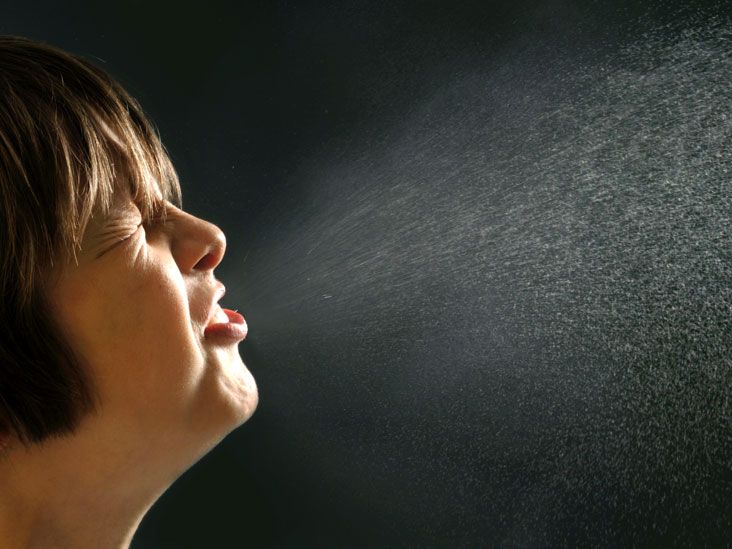
Germs do not own tiny cars, yet they are remarkably good at traveling. Some move straight from one person to another through skin contact, saliva, blood, or other body fluids. Others take the scenic route, hitching a ride on towels, phones, doorknobs, medical equipment, kitchen utensils, and other contaminated objects.
Understanding disease transmission through direct contact versus indirect contact makes infection prevention far less mysterious. It also helps people focus on precautions that match the actual route of exposure instead of disinfecting every cereal box while ignoring the sick roommate coughing two feet away.
What Is Disease Transmission?
Disease transmission is the process by which an infectious agent moves from its source to a person who can become infected. The agent may be a virus, bacterium, fungus, parasite, or another disease-causing organism.
For an infection to occur, several links usually must line up:
- A pathogen must be present in a human, animal, food, object, or part of the environment.
- The pathogen must leave that source through a route such as saliva, respiratory secretions, blood, feces, skin lesions, or drainage from a wound.
- It must survive long enough to reach another person.
- It must enter through a suitable portal, such as the eyes, nose, mouth, broken skin, respiratory tract, or digestive tract.
- The exposed person must be susceptible to infection.
This sequence is often called the chain of infection. Prevention works by breaking one or more links. Handwashing removes germs before they reach the face. Covering a draining wound blocks their exit. Cleaning shared equipment removes an indirect route. Vaccination can reduce the host’s susceptibility.
The Centers for Disease Control and Prevention distinguishes direct transmission, in which microorganisms move without a contaminated intermediary, from indirect transmission involving objects, equipment, hands, food, water, vectors, or other intermediate pathways.
What Is Direct Contact Transmission?
Direct contact transmission occurs when an infectious organism passes immediately from an infected or colonized person, animal, or environmental source to another person. There is no contaminated object serving as the middleman.
Common forms of direct contact
Direct transmission may occur through:
- Skin-to-skin contact
- Kissing or intimate contact
- Sexual contact
- Bites and scratches
- Contact with blood, saliva, mucus, wound drainage, or other body fluids
- Touching an infected skin lesion
- Contact between broken skin and contaminated soil
- Transmission from a pregnant person to a fetus or baby
The exact kind of contact required depends on the organism. A quick handshake is not equally risky for every condition. Some infections require prolonged skin contact, access to broken skin, intimate exposure, or contact with a particular body fluid.
Examples of diseases spread through direct contact
Ringworm can spread when skin touches infected skin or an infected animal. Despite the name, no worm is involved; fungi are responsible. The name has nevertheless survived, presumably because “circular fungal rash” lacked marketing sparkle.
Scabies usually spreads through prolonged, direct skin-to-skin contact. Brief contact, such as a quick handshake, is generally less likely to transmit ordinary scabies, although crusted scabies is much more contagious.
Monkeypox can spread during close contact with lesions, scabs, body fluids, or contaminated materials. Intimate contact, kissing, massage, and prolonged close physical interaction may create opportunities for exposure.
Other infections associated with direct contact include certain forms of herpes, impetigo, conjunctivitis, sexually transmitted infections, and infections transmitted through blood exposure. However, the dominant route varies by organism, and many diseases can spread in more than one way.
Current CDC guidance confirms that ringworm spreads through infected skin, animals, shared objects, and contaminated surfaces; scabies primarily spreads through prolonged skin contact; and monkeypox commonly spreads through close contact, with contaminated materials also presenting a possible route.
What Is Indirect Contact Transmission?
Indirect contact transmission occurs when pathogens reach a person through an intermediate object, material, surface, person, or substance. In everyday infection-control discussions, the contaminated object is often called a fomite.
A fomite can be almost any object capable of carrying infectious material:
- Phones, keyboards, tablets, and remote controls
- Doorknobs, faucet handles, railings, and elevator buttons
- Towels, clothing, sheets, and blankets
- Sports gear, helmets, mats, and shared protective equipment
- Medical instruments and patient-care equipment
- Toys and classroom supplies
- Plates, cups, utensils, and cutting boards
- Razors, combs, makeup tools, and personal-care items
How fomite transmission happens
Imagine that a person with a contagious infection touches a faucet after coughing into a hand. Germs are deposited on the handle. Another person touches it, picks up some of those organisms, and then rubs an eye or eats without washing. The faucet has acted as the intermediate vehicle.
That example sounds simple, but successful transmission is not guaranteed. The organism must remain viable, transfer from the surface to the hand, survive on the hand, reach an entry point, and arrive in a sufficient amount to cause infection.
Finding genetic material or microorganisms on a surface does not automatically prove that the surface will make someone sick. A contaminated surface may present a meaningful risk, a minor risk, or practically no risk, depending on the pathogen and circumstances.
Examples of indirect transmission
Ringworm fungi may spread through shared towels, bedding, clothing, athletic gear, shower floors, or locker-room surfaces. Scabies can sometimes spread through recently used bedding or clothing, particularly when crusted scabies is involved.
Foodborne pathogens may move from raw meat to a cutting board, from the board to a knife, and from the knife to ready-to-eat food. This is known as cross-contamination. The utensil is not infected in the way a person is, but it can carry enough organisms to create exposure.
Norovirus can spread through contaminated hands, food, water, objects, and surfaces. Because it is highly contagious and hand sanitizer alone does not work well against it, careful washing with soap and water is especially important.
Research on fomites shows that indirect transmission depends on pathogen stability, surface characteristics, environmental conditions, touch behavior, cleaning practices, and the frequency with which people touch their faces.
Direct Contact vs. Indirect Contact: The Main Differences
| Feature | Direct Contact | Indirect Contact |
|---|---|---|
| Path taken | Moves immediately from the source to another person | Moves through an intermediate object, material, or vehicle |
| Typical exposure | Touching skin, lesions, blood, saliva, or body fluids | Touching contaminated surfaces, equipment, clothing, food, or utensils |
| Common settings | Households, intimate relationships, contact sports, healthcare | Kitchens, schools, gyms, hospitals, childcare centers, shared workplaces |
| Primary controls | Avoid risky contact, cover lesions, use barriers and personal protective equipment | Wash hands, clean shared items, disinfect when appropriate, prevent cross-contamination |
| Example | Touching an infectious skin lesion | Using a towel contaminated by that lesion |
The categories sometimes overlap in real life. A caregiver may acquire germs directly while helping a sick person and then spread them indirectly by touching medical equipment without cleaning their hands. Hands can therefore be both the point of direct exposure and the vehicle for indirect transmission.
Contact Transmission Is Not the Same as Airborne Transmission
Direct and indirect contact are only part of the disease-transmission picture. Infectious diseases may also spread through respiratory particles, droplets, food, water, blood, insects, ticks, or animal exposure.
Respiratory terminology can be confusing because classification systems do not always use identical boundaries. In practical infection control, three routes are commonly discussed:
- Contact transmission: Exposure through people, body fluids, surfaces, or objects.
- Droplet or spray transmission: Respiratory secretions reach nearby eyes, noses, or mouths.
- Airborne transmission: Smaller infectious particles remain suspended and can be inhaled.
Cleaning doorknobs will not control a predominantly airborne hazard by itself. Likewise, opening a window does not replace handwashing after changing a diaper or handling raw chicken. Prevention should match the route instead of relying on one favorite precaution for everything.
OSHA describes contact, droplet, airborne, and bloodborne exposure as distinct but sometimes overlapping routes requiring controls selected for the suspected disease.
What Determines Whether Contact Leads to Infection?
The type of pathogen
Some organisms tolerate drying and environmental exposure better than others. Certain bacteria, fungi, viruses, spores, and parasite stages can remain viable on surfaces longer than fragile organisms that quickly lose infectivity outside the body.
The amount of contamination
A heavily contaminated wound dressing may present a different risk from a briefly touched, dry surface. More organisms at the source can increase the amount available for transfer.
The surface involved
Surface material, moisture, temperature, humidity, sunlight, and cleanliness can influence survival. Laboratory survival times should not be treated as a countdown clock for real-world infection because laboratory conditions may differ substantially from homes, schools, or offices.
The duration and intimacy of contact
Prolonged skin contact generally creates more opportunity for transfer than a passing touch. Contact involving lesions, mucus membranes, broken skin, or body fluids may be especially important for certain infections.
Hand-to-face behavior
Hands frequently connect contaminated surfaces with the eyes, nose, and mouth. A person may touch a phone, shopping-cart handle, or shared pen and then unknowingly deliver organisms to a portal of entry.
The health of the exposed person
Age, vaccination status, immune function, chronic illness, skin integrity, and other factors can affect susceptibility. The same exposure may produce no illness in one person but significant infection in another.
How to Prevent Direct Contact Transmission
Avoid contact with infectious areas
Do not touch unexplained rashes, open sores, draining wounds, or contaminated dressings without appropriate protection. Avoid skin-to-skin or intimate contact when a contagious skin condition is suspected until medical guidance is obtained.
Cover wounds and lesions
Clean, dry bandages can help contain drainage and reduce the chance that infectious material reaches people or shared surfaces. Seek medical care for worsening redness, swelling, pain, pus, fever, or rapidly spreading skin changes.
Use personal protective equipment correctly
Healthcare workers and caregivers may need gloves, gowns, masks, eye protection, or respirators depending on the task and transmission route. Gloves reduce exposure but do not replace hand hygiene. Contaminated gloves can spread germs with impressive efficiency when worn from room to room like tiny microbial taxis.
Practice safer intimate contact
Barrier methods, testing, vaccination where available, honest communication, and avoiding contact during active symptoms can reduce the risk of sexually transmitted and close-contact infections.
Handle animals carefully
Wash after handling animals, their waste, food, bedding, or enclosures. Avoid bites and scratches, supervise children around animals, and consult a veterinarian when a pet develops suspicious skin lesions or illness.
How to Prevent Indirect Contact Transmission
Wash hands at the moments that matter
Wash with soap and running water before preparing or eating food, after using the restroom, after changing diapers, after handling animals, after blowing the nose, and after caring for someone who is ill. Scrub all hand surfaces for at least 20 seconds and dry them thoroughly.
When soap and water are unavailable, an alcohol-based sanitizer containing at least 60% alcohol can reduce many germs. However, sanitizer is less effective when hands are dirty or greasy and is not equally effective against every organism. Soap and water are preferred for norovirus and certain other hardy pathogens.
Clean before disinfecting
Cleaning removes dirt and many germs from a surface. Disinfecting uses an appropriate product to kill specified microorganisms. Dirt and organic material can interfere with some disinfectants, so cleaning usually comes first.
Follow the product label, including dilution, ventilation, safety precautions, and the required contact time. A disinfectant wiped away immediately may not have enough time to work. Never mix cleaning chemicals unless the label specifically permits it.
Target high-risk surfaces
Routine cleaning is generally more useful than panic-cleaning every object in sight. Give priority to surfaces touched frequently, areas contaminated by body fluids, food-contact surfaces, shared equipment, and items used by a sick household member.
Do not share personal items
Avoid sharing towels, razors, washcloths, toothbrushes, clothing, bedding, makeup tools, protective sports equipment, or other items that contact skin and body fluids.
Prevent kitchen cross-contamination
Keep raw meat, poultry, seafood, and eggs separate from ready-to-eat foods. Wash cutting boards, counters, dishes, and utensils after each food-preparation step. Do not place cooked food back onto a plate that held raw meat unless the plate has been washed.
FDA guidance emphasizes washing hands and surfaces, separating raw and cooked foods, cooking to safe temperatures, and refrigerating promptly to reduce foodborne disease.
Common Myths About Contact Transmission
Myth: Every contaminated surface is highly dangerous
Reality: Contamination is only one step. The pathogen must survive, transfer, reach an entry point, and remain capable of causing infection.
Myth: Hand sanitizer replaces handwashing
Reality: Sanitizer is convenient and effective against many germs, but it does not remove dirt and is not the best option for every pathogen.
Myth: Gloves make hand hygiene unnecessary
Reality: Gloves can tear, become contaminated during removal, or spread germs between tasks. Hands should be cleaned at the appropriate times before and after glove use.
Myth: If a disease spreads by contact, it spreads only by contact
Reality: Many infections use multiple routes. A pathogen may spread through skin contact, contaminated objects, respiratory secretions, or another pathway depending on the setting.
Myth: More disinfectant always means better protection
Reality: Misusing disinfectants can irritate the skin, eyes, or lungs without improving protection. Correct product selection and label-directed use matter more than creating a chemical fog worthy of a low-budget science-fiction movie.
Experience-Based Lessons from Homes, Schools, Gyms, and Workplaces
Real-world infection-control experience repeatedly shows that the obvious exposure is not always the only one that matters. Consider a household in which one child develops ringworm. The family may correctly avoid touching the rash but continue sharing towels, blankets, and a sofa throw. Direct contact has been reduced, yet the indirect route remains open. The useful lesson is to look beyond the infected person and identify everything that regularly touches the affected area.
Childcare settings offer another practical example. A caregiver may wash after changing a diaper but touch the changing-table latch, a cabinet handle, and a toy before reaching the sink. If those surfaces are not included in the cleaning routine, the room develops a trail of indirect contact points. Successful prevention comes from designing the workflow so dirty and clean tasks remain separated, supplies are within reach, and handwashing happens before the caregiver returns to shared activities.
Gyms demonstrate how direct and indirect contact can operate together. Wrestlers, football players, and other athletes experience close skin contact, minor abrasions, sweat, and shared equipment. A contagious skin condition may move directly between athletes, while towels, mats, pads, razors, or benches provide additional routes. Teams that normalize showering after practice, covering wounds, cleaning equipment, and reporting suspicious rashes tend to manage risk better than teams that treat hygiene as optional paperwork.
Kitchens provide perhaps the clearest lesson in indirect transmission. Someone can handle raw chicken, rinse a hand quickly, touch the spice container, adjust a phone, and then assemble a salad. The raw chicken never touches the salad, but hands and objects create a chain between them. Experienced cooks reduce this risk by preparing ingredients in an organized sequence, washing hands thoroughly, using separate boards, and cleaning touched containers after raw-food preparation.
Caregiving also teaches that protective equipment works only when behavior supports it. A person may wear gloves while cleaning vomit, then use the gloved hand to answer a phone or open a door. The gloves protected the skin but contaminated the environment. A better routine is to gather supplies first, keep clean and dirty areas distinct, remove gloves without touching the contaminated exterior, dispose of them safely, and immediately perform hand hygiene.
Offices illustrate a different problem: people often focus on visible cleanliness instead of transmission opportunities. A polished conference table may look reassuring, while the shared touchscreen, refrigerator handle, coffee-machine buttons, and restroom door receive constant contact. Strategic cleaning of high-touch areas is usually more valuable than attempting to disinfect every wall, window, and decorative plant.
These experiences point to one broad principle: infection prevention works best when it is built into normal behavior. Supplies should be easy to reach. Cleaning responsibilities should be clear. Sick people should be supported in staying home. Shared personal items should actually remain personal. The goal is not to fear every handshake or doorknob. It is to notice how pathogens can move and interrupt the most realistic route before the chain reaches its next host.
Conclusion: Break the Route, Not Your Peace of Mind
The essential difference between direct and indirect contact transmission is the presence of an intermediary. Direct transmission moves from the source straight to another person through contact with skin, lesions, blood, saliva, or other infectious material. Indirect transmission uses a bridge such as a hand, towel, utensil, phone, medical device, or contaminated surface.
That distinction guides practical prevention. Avoid risky physical contact, cover infectious lesions, use protective barriers appropriately, wash hands at key times, keep personal items separate, prevent kitchen cross-contamination, and clean or disinfect surfaces according to the actual hazard.
No home, classroom, hospital, gym, or workplace can become completely germ-free. Fortunately, it does not need to. Consistent, targeted precautions can break the chain of infection without turning everyday life into a hazmat rehearsal.