Note: This article is based on publicly reported information, official responses, and broader workplace-culture research. It discusses workplace mental health in a responsible, non-graphic way.
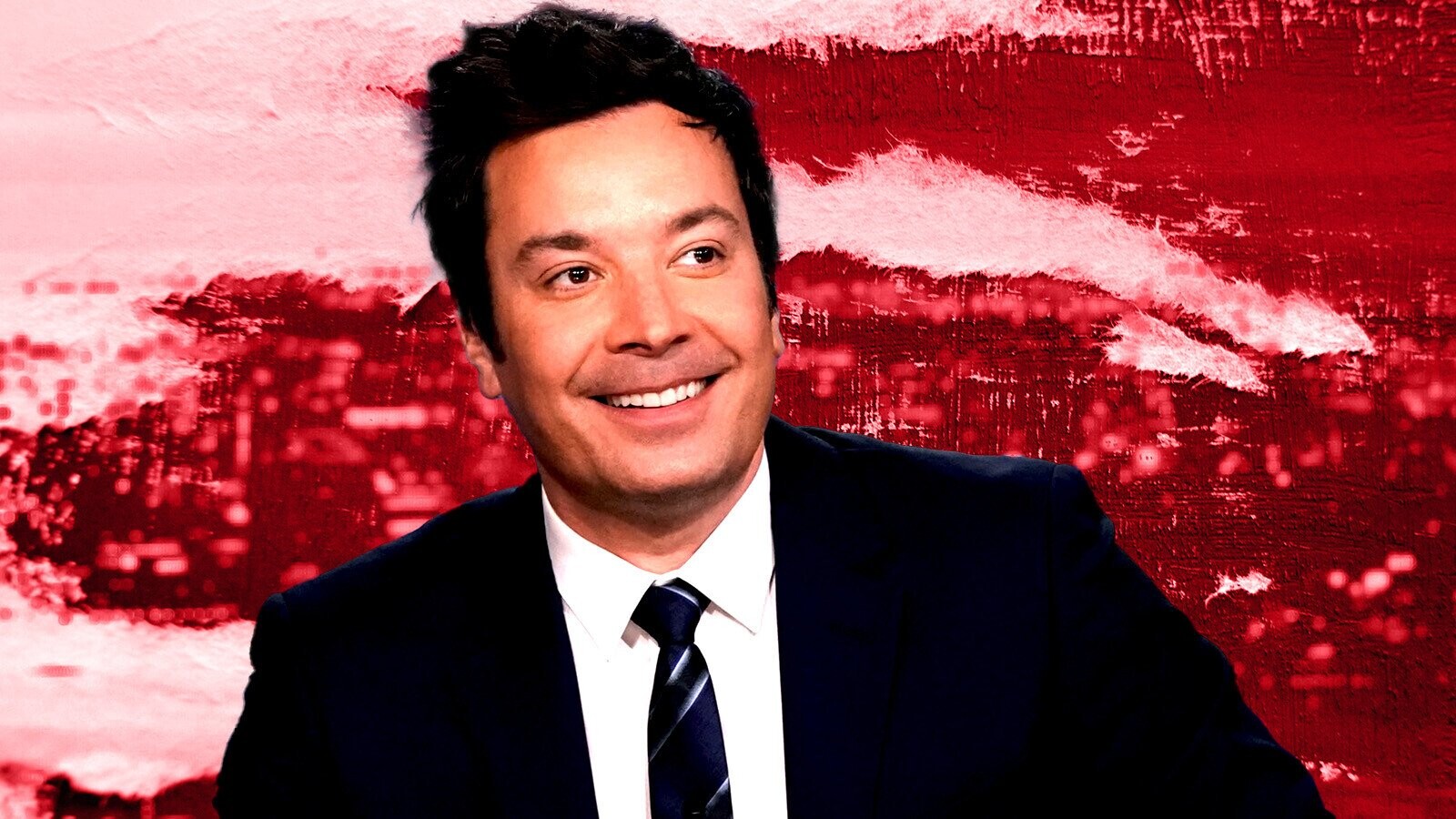
Late-night television sells an irresistible fantasy: bright lights, celebrity games, desk-side banter, perfectly timed jokes, and a host who seems to be having the best night of his life five nights a week. But behind the curtain, the machinery of comedy can be anything but light. That contrast became painfully public when current and former employees of The Tonight Show Starring Jimmy Fallon described a workplace that, according to their accounts, felt unpredictable, tense, and emotionally exhausting.
The headline quote“You never knew which Jimmy we were going to get”captures the center of the controversy. It is not simply about whether a famous host had bad days. Everyone has bad days; television just adds makeup, cue cards, and millions of viewers. The larger question is what happens when a workplace depends heavily on one powerful personality, when leadership turnover becomes routine, and when employees believe that speaking up will not meaningfully change anything.
The Public Image Versus the Reported Reality
Jimmy Fallon built his modern late-night brand on warmth. His version of The Tonight Show, which he took over in 2014 after Jay Leno, leaned into games, music, celebrity silliness, and viral clips. Fallon’s on-air persona has often been described as enthusiastic, approachable, and eager to make guests look good. In an entertainment landscape full of sharp political monologues and cultural takedowns, his show frequently positioned itself as the friendly house party where famous people lip-sync, dance badly, and somehow still look glamorous.
That image made the workplace allegations especially jarring. Staffers who spoke to reporters alleged that the atmosphere behind the scenes could swing sharply depending on Fallon’s mood. Several accounts described “good” days and “bad” days, with employees saying they felt they had to read the room carefully before interacting with the host or making creative decisions. In a normal office, this might look like avoiding the boss before coffee. In late-night TV, where decisions move fast and mistakes are expensive, that tension can spread through an entire production floor.
What Staffers Alleged
The most widely reported allegations came from two current and 14 former employees, including production workers and office staff. They claimed that the show had developed a toxic workplace culture over several years. Their descriptions included emotional pressure, belittling feedback, fear of outbursts, and a sense that the chain of command did not consistently protect employees from unhealthy behavior.
Some staffers reportedly connected the problem not only to Fallon himself but also to management instability. Since the show’s 2014 premiere, reports noted a striking number of showrunner changes. In television, a showrunner is more than a manager. The showrunner sets the tone, translates network expectations into daily workflow, and often serves as the buffer between star talent and staff. When that role changes repeatedly, the office can begin to feel like a ship replacing its captain every time the weather gets rough.
The staff accounts also described a culture where people learned to adjust their behavior around the star’s perceived mood. That kind of workplace rhythm can be quietly damaging. Employees stop asking creative questions. They stop taking smart risks. They stop telling the truth early, which is exactly when truth is most useful. Comedy needs trust; fear is not a great writing partner.
NBC’s Response and Fallon’s Reported Apology
NBC responded by emphasizing that a respectful work environment is a top priority and that employee concerns had been investigated when raised. The network also encouraged employees who experienced or observed behavior inconsistent with company policies to report their concerns. That kind of statement is standard corporate crisis language, but standard language does not automatically mean meaningless language. It signals that the company wanted to frame the controversy as a workplace issue with formal reporting channels, not merely a celebrity gossip storm.
Fallon reportedly apologized to staff during a Zoom meeting after the story gained attention. According to multiple reports, he said he felt embarrassed and bad about the situation, and that he did not intend to create that type of atmosphere. He also reportedly said he wanted the show to be fun, inclusive, and the best it could be. The apology mattered because it acknowledged that staff morale had become a public issue. But apologies are only the opening act. In workplace culture, the real test is what changes after the apology, when the cameras are not rolling and the headlines have moved on.
Not Everyone Described the Same Workplace
The story also included a competing perspective. Some current employees defended Fallon and the current version of the show, saying the workplace had improved, especially under showrunner Chris Miller. Several defenders described the environment as collaborative and positive. One current staff perspective suggested that earlier complaints reflected older leadership problems more than the current culture.
This does not automatically cancel out the accounts of former staffers. Workplaces are experienced differently depending on department, job level, timing, manager, race, gender, seniority, and proximity to power. A producer who interacts comfortably with leadership may experience the same organization very differently from a junior employee trying not to become “the problem.” In a healthy investigation, the goal is not to pick the most convenient version of reality. The goal is to understand why different versions existed in the first place.
Why Leadership Turnover Matters
One of the most important details in the controversy is leadership turnover. A workplace with frequent leadership changes often struggles to maintain consistent standards. Rules become personal instead of institutional. Employees start asking, “Who is in charge this month?” instead of “What is our process?” That uncertainty can create space for avoidable conflict.
In creative industries, this problem gets extra spicylike adding hot sauce to a fire alarm. Television production already runs on pressure: deadlines, revisions, ratings, celebrity schedules, union rules, network notes, audience reactions, and last-minute changes. A stable leader can keep that chaos productive. An unstable leadership structure can turn ordinary pressure into emotional whiplash.
When people say “toxic workplace,” they often imagine one villain sitting in a swivel chair, stroking a cat and rejecting vacation requests. Real toxicity is usually more boring and more systemic. It looks like unclear expectations, inconsistent feedback, fear of retaliation, weak HR follow-through, and managers who reward silence because silence is easier to schedule than accountability.
The Bigger Lesson: A Nice Brand Is Not the Same as a Healthy Culture
The Fallon controversy fits a broader entertainment-industry pattern. In recent years, several beloved TV brands have faced accusations that their public messages of kindness, fun, or family did not always match employee experiences behind the scenes. That gap can feel especially painful because employees often join these shows with genuine excitement. Working for a famous comedy program is supposed to be a dream job. When a dream job becomes emotionally harmful, it can feel uniquely disorienting.
A public-facing brand can be cheerful while the internal culture is strained. A host can be talented and still need accountability. A show can produce joyful segments while some employees feel unsupported. These truths can coexist, even if public debate prefers simpler teams: hero or villain, fake news or total collapse, cancel or defend. Real workplace analysis requires more patience than a comment section usually provides.
What Makes a Workplace Feel Unsafe?
A psychologically unsafe workplace is not always one where people scream every day. Sometimes it is one where employees constantly edit themselves to avoid consequences. They do not ask for clarification. They do not report problems. They do not challenge bad ideas. They become experts in survival instead of contribution.
Warning signs include unpredictable management, public humiliation, unclear reporting channels, inconsistent rules, favoritism, retaliation fears, and a culture where people joke about stress because admitting the truth feels too risky. Humor can be a survival tool, especially in comedy workplaces, but it can also become a mask. When everyone is “just joking” about burnout, someone in leadership should probably stop laughing long enough to ask why.
Why HR Alone Cannot Fix Culture
Many workplace controversies raise the same question: where was HR? Human Resources can investigate complaints, document patterns, recommend action, and support policy enforcement. But HR cannot single-handedly create psychological safety if senior leaders reward the opposite. If employees believe that reporting problems will damage their careers, the reporting system may exist on paper while failing in practice.
For employees, trust depends on visible outcomes. If concerns are raised and nothing appears to change, people stop using official channels. They whisper. They leave. Or, when enough people have had enough, they talk to journalists. At that point, the company no longer controls the story. The story has already been outsourced to public accountability.
How Celebrity Power Complicates Accountability
Celebrity-led workplaces have a built-in challenge: the person with the most influence may not have the official management title. A host may not approve timesheets or write HR policies, but their mood, preferences, and reactions can shape the entire environment. If everyone believes the star must be pleased at all costs, the organization can slowly rearrange itself around emotional weather patterns.
This is why strong executive producers matter. Their job is not only to deliver the show; it is to protect the people making it. That means telling the star “no” when needed, setting boundaries, and making sure urgency does not become an excuse for disrespect. Creativity can thrive under pressure, but it rarely thrives under fear.
What The Tonight Show Controversy Teaches Other Workplaces
Most workplaces are not late-night shows. Your office probably does not have celebrity guests, house bands, or someone whose job is to make cue cards readable from space. But the lessons travel well. Any company can fall into the same traps when one powerful person dominates the culture.
1. Culture Is What Employees Experience, Not What Leaders Announce
A company can say it values respect, inclusion, and well-being. Those values matter only when employees experience them during stressful moments. Culture is not the poster in the break room. Culture is what happens when a deadline is missed, when a boss is annoyed, or when a junior employee raises a concern that makes leadership uncomfortable.
2. Inconsistency Creates Anxiety
Employees can handle demanding work when expectations are clear. What drains people is unpredictability. If praise and criticism feel random, workers spend their energy decoding personalities instead of doing excellent work. That is bad for morale and bad for the product.
3. Apologies Need Systems Behind Them
A sincere apology can help, but it should be followed by structural changes: clearer reporting channels, leadership training, manager accountability, anonymous feedback tools, and regular culture audits. “I’m sorry” is human. “Here is what will change by Friday” is management.
4. Creative Work Still Needs Professional Boundaries
Entertainment jobs are famous for long hours and intense emotions. That does not mean disrespect is part of the magic. The myth of the tortured creative workplace is overdue for retirement. Great comedy does not require scared employees. It requires sharp writers, trusted crews, good leadership, and enough emotional oxygen for people to do their best work.
Experience-Based Reflections: What This Story Feels Like From Inside a High-Pressure Workplace
Anyone who has worked in a fast-moving office, newsroom, studio, restaurant, agency, or startup can recognize parts of this story. Maybe the names are different. Maybe there is no famous host, no NBC badge, and no audience applause. But the emotional math can feel familiar: one powerful person has a mood, and suddenly everyone else adjusts their breathing.
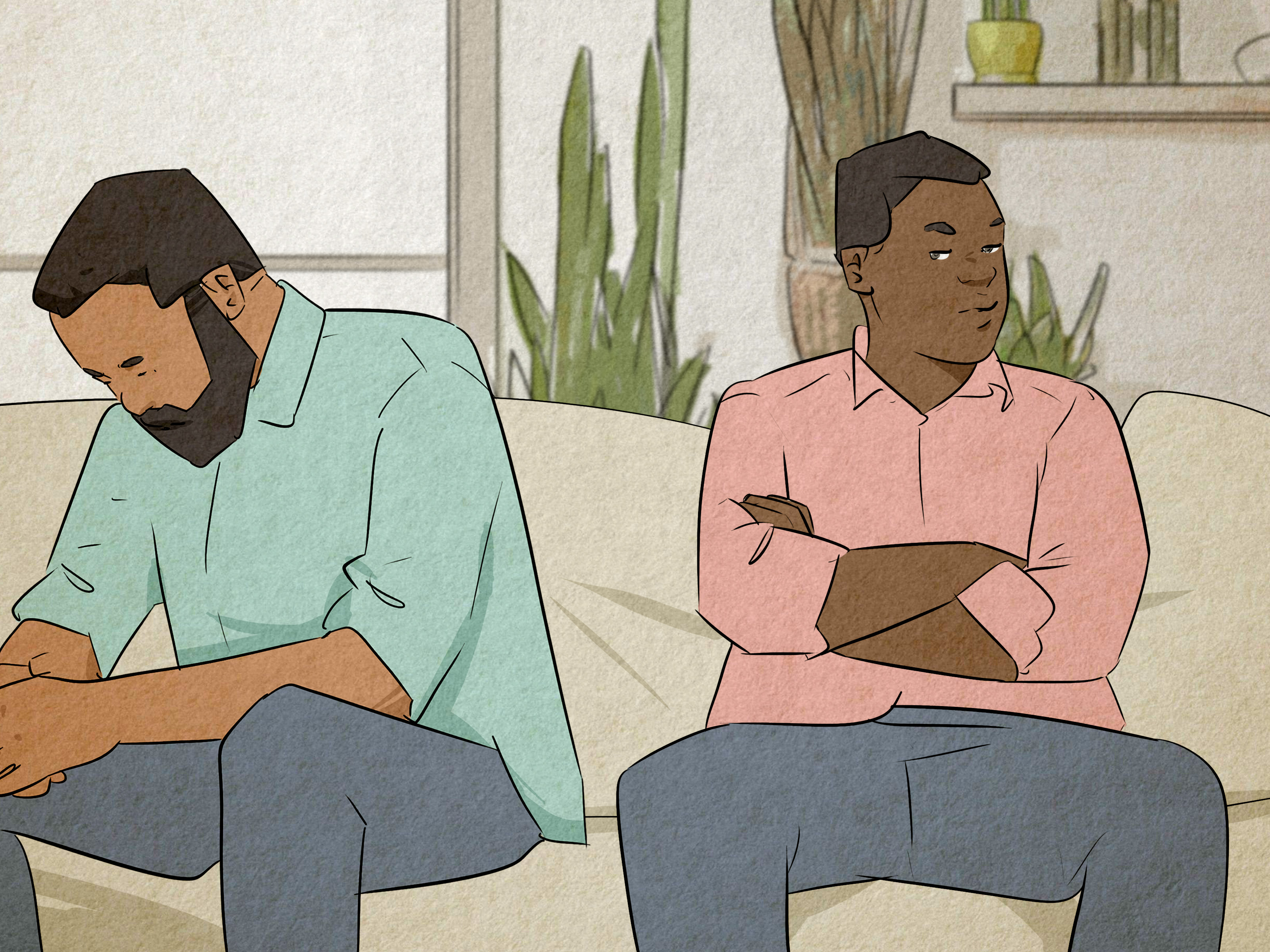
In high-pressure workplaces, employees often become amateur meteorologists. They learn the manager’s footsteps. They study email punctuation. They know whether “Can we talk?” means a quick update or a professional thunderstorm. They know who can deliver bad news safely and who will be blamed for the weather. Over time, this constant scanning becomes exhausting. It is not the same as doing hard work. It is doing hard work while also managing invisible risk.
A common experience in toxic cultures is the slow shrinking of personality. New employees arrive with ideas, energy, and optimism. They ask questions. They suggest improvements. They laugh in meetings. Then they notice which comments get punished, which people are ignored, and which problems everyone pretends not to see. Little by little, they become quieter. Not because they have nothing to say, but because silence feels safer than honesty.
Another familiar pattern is the “dream job trap.” When someone lands a role at a famous company or beloved show, outsiders may assume they should feel grateful no matter what. That makes it harder to admit the job is hurting them. The employee may think, “People would do anything to be here, so why am I struggling?” This is one reason glamorous workplaces can hide unhealthy dynamics for a long time. Prestige can become emotional duct tape: shiny on the outside, barely holding things together underneath.
There is also the problem of mixed signals. A workplace can offer wonderful moments and still be unhealthy. A boss can be charming on Monday and cutting on Wednesday. A team can produce brilliant work while quietly burning out. That inconsistency makes employees doubt themselves. They wonder whether they are overreacting, whether yesterday’s kindness cancels out today’s humiliation, whether the good days prove the bad days are somehow their fault. They do not.
For leaders, the practical lesson is simple but uncomfortable: your mood has a blast radius. The more power you have, the wider it gets. A frustrated comment from a peer may sting for an hour. A frustrated comment from the person who controls opportunities can change how someone feels about their entire career. Leaders do not need to be emotionless robots. Nobody wants to work for a spreadsheet wearing shoes. But leaders do need self-awareness, repair skills, and people around them who can say, “That landed badly. Fix it.”
For employees, the lesson is not to tough out harmful environments forever. Document patterns. Seek trusted support. Use formal reporting channels when safe and appropriate. Talk to mentors outside the organization. Pay attention to what your body and mind are telling you. A job can be meaningful, exciting, and impressive without being worth your well-being. The applause at the end of the show should not come at the cost of the people who made the show possible.
Conclusion
The allegations surrounding The Tonight Show Starring Jimmy Fallon are more than celebrity scandal material. They are a case study in how public charm and private workplace experience can diverge, especially when power is concentrated around a beloved star. The reporting does not erase Fallon’s talent, the show’s cultural footprint, or the employees who say the current environment is better. But it does remind every organization that reputation is not culture. Culture is built in daily interactions, hard conversations, and the willingness to protect people even when the most powerful person in the room is uncomfortable.
Late-night television depends on timing. So does workplace accountability. The best time to fix a toxic culture is before employees feel forced to tell the world. The second-best time is right after they do.