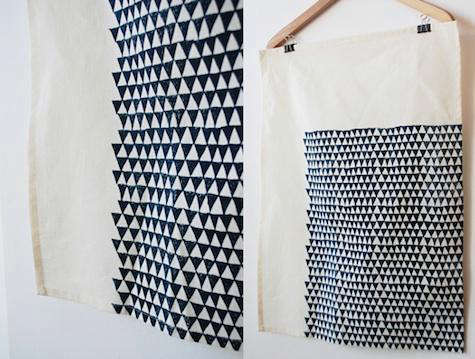
Some textile studios shout for attention with neon prints, trend-chasing patterns, and fabrics that look like they were designed during a caffeine emergency. Bookhou, the Toronto-based studio founded by Arounna Khounnoraj and John Booth, takes the opposite route. Its fabrics, linen-inspired goods, cotton-linen blends, bags, pouches, and home textiles speak softlybut they have the kind of quiet confidence that makes a plain sofa suddenly look like it has a degree in architecture.
Bookhou has become beloved by makers, slow-design fans, home decorators, sewists, and anyone who has ever touched a good piece of linen and whispered, “I deserve better curtains.” The studio’s world is built around natural materials, handwork, small-batch production, botanical forms, simple shapes, and useful objects that feel personal without being precious. This is not fast décor. This is the good stuff: textiles with texture, personality, and a sense of place.
The phrase “Fabrics & Linen: New Textiles from Bookhou in Toronto” captures more than a product category. It describes a design philosophy: fabric as art, linen as lifestyle, and handmade objects as a small rebellion against disposable everything.
What Is Bookhou?
Bookhou is a multidisciplinary design studio based in Toronto, Canada. It was co-founded in 2002 by artist and maker Arounna Khounnoraj and artist, furniture designer, and woodworker John Booth. The name itself blends the founders’ surnames, which feels perfectly on-brand: thoughtful, personal, and refreshingly uncorporate.
From its downtown Toronto studio, Bookhou creates handmade goods that include textile art, fabric bags, pouches, home accessories, ceramics, wood objects, books, craft tools, and original pieces. The common threadyes, textile pun fully intendedis a commitment to natural materials, small production, and the kind of hand-finished detail that makes each item feel alive.
Unlike mass-produced home goods that arrive looking identical by the thousands, Bookhou pieces often carry the subtle evidence of the hand: a printed line, a stitched edge, a fabric texture, a slightly organic rhythm in the pattern. These are not flaws. They are the reason people fall in love with the work.
Why Bookhou Textiles Stand Out
Bookhou textiles are instantly recognizable because they balance simplicity and warmth. The designs often feature botanical shapes, abstract forms, circles, leaves, flowers, patchwork-inspired geometry, and earthy compositions. They feel modern without becoming cold, handmade without becoming overly rustic, and artistic without demanding that your living room behave like a gallery opening.
Natural Materials With Everyday Purpose
One of the strongest appeals of Bookhou fabrics and linen-inspired goods is their usefulness. These textiles are not meant to sit untouched in a drawer while you wait for “the right project,” which, let’s be honest, is how many fabric stashes become soft little museums of good intentions. Bookhou’s cotton-linen blend canvas fabrics are especially suited for practical projects such as tote bags, pouches, pillows, quilts, tool rolls, wall hangings, table accents, and home décor pieces.
Cotton-linen blends are popular for good reason. Cotton brings softness and flexibility, while linen adds body, texture, and that relaxed, slightly rumpled charm that says, “I am elegant, but I also know how to make soup.” Together, they create a fabric that can feel structured enough for bags but still natural enough for the home.
Patterns Inspired by Nature
Arounna Khounnoraj’s textile language often draws from the botanical world. Leaves, flowers, seeds, stems, stones, circles, and organic shapes appear throughout Bookhou’s visual identity. Instead of looking like literal garden illustrations, the motifs feel distilled. A flower becomes a gesture. A leaf becomes a rhythm. A circle becomes a quiet pause on fabric.
This nature-inspired design approach gives Bookhou textiles their timelessness. Trends come and goremember when everything had to be gray? We survivedbut botanical and organic patterns have staying power because they connect to something familiar. They work in minimalist interiors, cottage-style homes, creative studios, Scandinavian-inspired spaces, and even the humble apartment corner where laundry occasionally becomes a “textile installation.”
The Bookhou x Kokka Fabric Connection
One of the most exciting developments for fabric lovers has been Bookhou’s collaboration with Kokka, a well-known Japanese textile company respected by sewists and makers. The Bookhou fabric collections with Kokka have brought Arounna’s designs to cotton-linen canvas, making the studio’s signature aesthetic more accessible to people who want to sew their own Bookhou-inspired goods.
Designs such as geometric patterns, floral motifs, and circle-based compositions translate beautifully to fabric by the yard. The result is a collection that feels both artistic and highly usable. These are fabrics you can imagine becoming a tote bag for the farmers market, a pillow on a reading chair, a small quilt, a zipped pouch for tools, or a wall piece that makes guests ask, “Where did you get that?”which is the highest form of home décor success.
Why Cotton-Linen Canvas Works So Well
Cotton-linen canvas has a satisfying weight. It is not flimsy, not fussy, and not the kind of fabric that collapses the moment you ask it to hold a pair of scissors. For handmade bags and home items, structure matters. A tote needs to stand up to keys, books, snacks, and the mysterious receipt collection that somehow forms in every bag. A pillow needs enough body to hold its shape. A tool roll needs fabric that can handle repeated use.
Bookhou-style patterns on cotton-linen canvas hit that sweet spot: sturdy enough for functional sewing projects, beautiful enough for visible surfaces, and natural enough to age with grace. Over time, cotton-linen blends can soften slightly while keeping their character. That means the fabric does not just decorate your life; it joins it.
Bookhou and the Slow Design Movement
Bookhou fits naturally into the slow design movement, a creative approach that values quality, process, sustainability, usefulness, and emotional connection over speed and volume. In a world where many products are designed to be replaced before you have even learned how to pronounce the brand name, slow design asks a better question: What if we made fewer things, but made them better?
That question runs through Bookhou’s work. The studio’s handmade goods, small-batch textiles, visible mending philosophy, and craft education all point toward a more thoughtful relationship with objects. A bag is not just a bag. It is something made by a person, used by a person, repaired by a person, and maybe passed along to another person. That may sound romantic, but it is also practical. Good materials and thoughtful construction simply last longer.
Handmade Does Not Mean Old-Fashioned
One of Bookhou’s strengths is proving that handmade design can feel modern. The studio does not lean on nostalgia alone. Its textiles are clean, graphic, and contemporary, often using neutral palettes, natural tones, abstract shapes, and balanced layouts. The result is a look that feels current without being trapped in a trend cycle.
Think of it as the difference between “crafty” and crafted. Crafty can sometimes feel cluttered or overly cute. Crafted feels intentional. Bookhou belongs firmly in the crafted category. Its textiles have warmth, but they also have restraint. They invite touch without shouting across the room.
How to Use Bookhou Fabrics in the Home
Bookhou fabrics and linen-inspired textiles are especially useful because they can move easily between rooms. Their organic patterns and natural textures pair well with wood, stone, ceramics, rattan, simple upholstery, white walls, warm neutrals, and even bolder color accents.
1. Make Statement Pillows Without Starting a Pillow Empire
A single Bookhou-style pillow can transform a sofa, bench, or bed. Because the patterns are often graphic but gentle, they add interest without turning the room into a fabric parade. Pair one patterned cotton-linen pillow with solid linen pillows in cream, oatmeal, clay, charcoal, or muted blue for an effortless look.
2. Sew a Tote Bag You Will Actually Use
A cotton-linen canvas tote made with Bookhou fabric is the kind of bag that can handle errands, library trips, groceries, craft supplies, and the emotional burden of pretending you only came into the store for one thing. Choose a simple pattern to let the fabric shine. Add a lining if you want more durability, or keep it unlined for a soft, relaxed structure.
3. Create Pouches for Tools, Travel, or Everyday Chaos
Small pouches are one of the best ways to use special fabric. They require less yardage, make excellent gifts, and help organize life’s tiny objects: pens, chargers, sewing notions, makeup, receipts, earbuds, and that one key nobody can identify but everyone is afraid to throw away.
4. Use Fabric as Wall Art
Bookhou’s patterns often have enough visual strength to work as wall art. Stretch a piece over a wooden frame, hang it from a dowel, or frame a favorite textile under glass. This is a smart option for renters, collectors, and anyone who wants art with texture instead of another generic print that says “Gather” in aggressive cursive.
5. Add Linen Texture to the Table
Cotton-linen fabrics can make beautiful table runners, placemats, napkins, or small cloths. Bookhou-inspired patterns work especially well in informal dining spaces because they bring character without feeling too formal. They say, “Yes, I thought about the table,” but not, “Please use the correct shrimp fork.”
Bookhou, Visible Mending, and the Beauty of Repair
Arounna Khounnoraj is also widely known for her work in visible mending, embroidery, punch needle, and textile education. Her books and workshops encourage makers to repair, reuse, and reimagine textiles instead of discarding them at the first sign of wear.
This matters because fabrics are not disposable decorations. A well-loved linen cloth, cotton shirt, canvas bag, or quilt can become more meaningful after repair. Visible mending celebrates that history. Instead of hiding every patch, it turns repair into design. A tear becomes a stitched detail. A worn area becomes a little field of color. A damaged object becomes more personal, not less valuable.
That philosophy blends beautifully with Bookhou’s textiles. When you start with natural, durable fabrics, you have materials worth repairing. A cotton-linen pouch with a worn corner can be patched. A tote bag can gain a new layer of stitching. A pillow cover can be refreshed with embroidery. The object evolves, which is much more interesting than tossing it into the donation pile and buying another anonymous replacement.
Why Designers and Makers Love the Bookhou Aesthetic
Bookhou appeals to both professional designers and casual makers because its work sits at the intersection of art and usability. It is beautiful, but not intimidating. It is handmade, but not messy. It is refined, but not sterile. That balance is surprisingly hard to achieve.
For interior decorators, Bookhou textiles offer a way to add texture and authenticity to a room. For sewists, the fabrics provide a strong design foundation for practical projects. For craft lovers, the studio’s books and tutorials make traditional techniques feel approachable. For shoppers, the finished goods provide a way to support handmade production without needing to thread a needle.
A Toronto Studio With Global Appeal
Although Bookhou is rooted in Toronto, its influence reaches far beyond Canada. Through online sales, social media, books, collaborations, and fabric collections, Bookhou has built an international community of people who care about making, mending, and living with meaningful objects. The studio’s Instagram presence, craft books, and textile designs have introduced many people to a slower, more tactile way of thinking about home.
That global appeal makes sense. The desire for better materials is not local. The pleasure of a good linen texture does not require a passport. And the satisfaction of making something useful with your hands is universaleven if the first attempt looks like it had a disagreement with the sewing machine.
Buying and Choosing Bookhou Textiles
When choosing Bookhou fabrics or finished textile goods, start with how you plan to use them. For bags, pouches, and home accessories, cotton-linen canvas is a smart choice because it has structure and durability. For decorative pieces, choose patterns that complement your existing room palette. Bookhou designs often work best when they are given breathing room, so pair them with solids, natural fibers, and simple shapes.
Pay attention to scale. Larger patterns can look stunning on tote bags, wall hangings, and pillows. Smaller motifs may be better for pouches, patchwork, and detail work. If you are sewing, consider stabilizers, lining, interfacing, and seam finishing depending on the project. Natural fabrics deserve good construction. They do not need perfection, but they do appreciate a little respect.
Care Tips for Linen and Cotton-Linen Textiles
Natural fabrics are not difficult to care for, but they do have opinions. Linen and cotton-linen blends often become softer with use, yet they can wrinkle. This is not a problem. This is linen’s personality. Asking linen not to wrinkle is like asking a cat to respect your personal space: admirable, but unrealistic.
For most cotton-linen home textiles, gentle washing, mild detergent, and air drying are wise choices. Avoid harsh bleach unless the care instructions specifically allow it. Press with steam if you want a crisp look, or embrace the relaxed texture if you prefer a lived-in style. For bags and structured pieces, spot cleaning may be safer, especially if the item includes linings, leather details, hardware, or embroidery.
Experience Section: Living With Bookhou-Inspired Fabrics and Linen
Using Bookhou-inspired fabrics in real life changes how you think about home textiles. At first, you may notice the pattern: a soft botanical form, a field of circles, a quiet geometric repeat. But after a few days, the texture becomes the star. Cotton-linen canvas has a grounding quality. It feels honest in the handneither slick nor flimsy. It makes everyday objects feel calmer, warmer, and more considered.
One of the best experiences is sewing a simple pouch or tote from a cotton-linen fabric with a Bookhou-style print. The project does not need to be complicated. In fact, simple shapes often work best. A basic rectangle pouch with a zipper suddenly feels special when the fabric has an organic pattern and a natural hand. A tote bag becomes more than an errand bag; it becomes the thing you reach for because it feels good, looks good, and quietly improves your outfit even when the outfit is “laundry day, but make it public.”
In the home, these textiles have a similar effect. A pillow made from a muted botanical print can soften a modern chair. A small wall hanging can warm up a blank hallway. A fabric basket can make craft supplies look intentional instead of mildly chaotic. The beauty of Bookhou’s textile language is that it does not demand a full room makeover. It works in small doses. One pouch, one pillow, one runner, one framed fabric paneleach can shift the mood of a space.
Another rewarding experience is pairing Bookhou-style fabrics with older textiles. A linen napkin with a patched corner, a worn cotton quilt, or a repaired canvas bag can sit beautifully beside newer fabric. This mix creates a layered home, where objects feel collected and used rather than staged for a catalog photo shoot. It also encourages a healthier relationship with wear. When a textile starts to show age, the first thought becomes “How can I repair this?” instead of “Where is the trash?”
For makers, the biggest lesson is restraint. Because the patterns already have personality, the best projects often use clean lines and practical forms. Let the fabric do the talking. Add thoughtful details: a contrasting zipper, a hand-stitched patch, a simple lining, a sturdy strap, a visible mend. The goal is not to overdecorate. The goal is to create something useful that carries the quiet charm of the material.
Living with natural textiles also makes you more attentive. You notice how fabric softens after washing, how linen catches light, how a handmade pouch becomes smoother with use, how a repaired seam tells a tiny story. That attention is the real luxury. Bookhou’s work reminds us that fabric is not just background material. It is part of daily life: held, washed, folded, carried, repaired, admired, and used again.
Conclusion
Fabrics & Linen: New Textiles from Bookhou in Toronto is more than a design headline. It is an invitation to slow down and look closely at the materials around us. Bookhou’s textiles show how cotton, linen, canvas, stitching, and printmaking can turn everyday objects into meaningful companions. From handmade bags and pouches to cotton-linen fabric collections and mending-inspired home projects, Bookhou offers a thoughtful alternative to disposable décor.
The studio’s work feels especially relevant now because people want homes that look personal, not algorithm-generated. Bookhou gives us textiles with soul: natural, useful, artful, and quietly beautiful. Whether you buy a finished piece, sew with a cotton-linen print, mend an old favorite, or simply use fabric more intentionally, the Bookhou approach proves that good design does not need to shout. Sometimes it just needs a needle, a natural fiber, and a little Toronto magic.