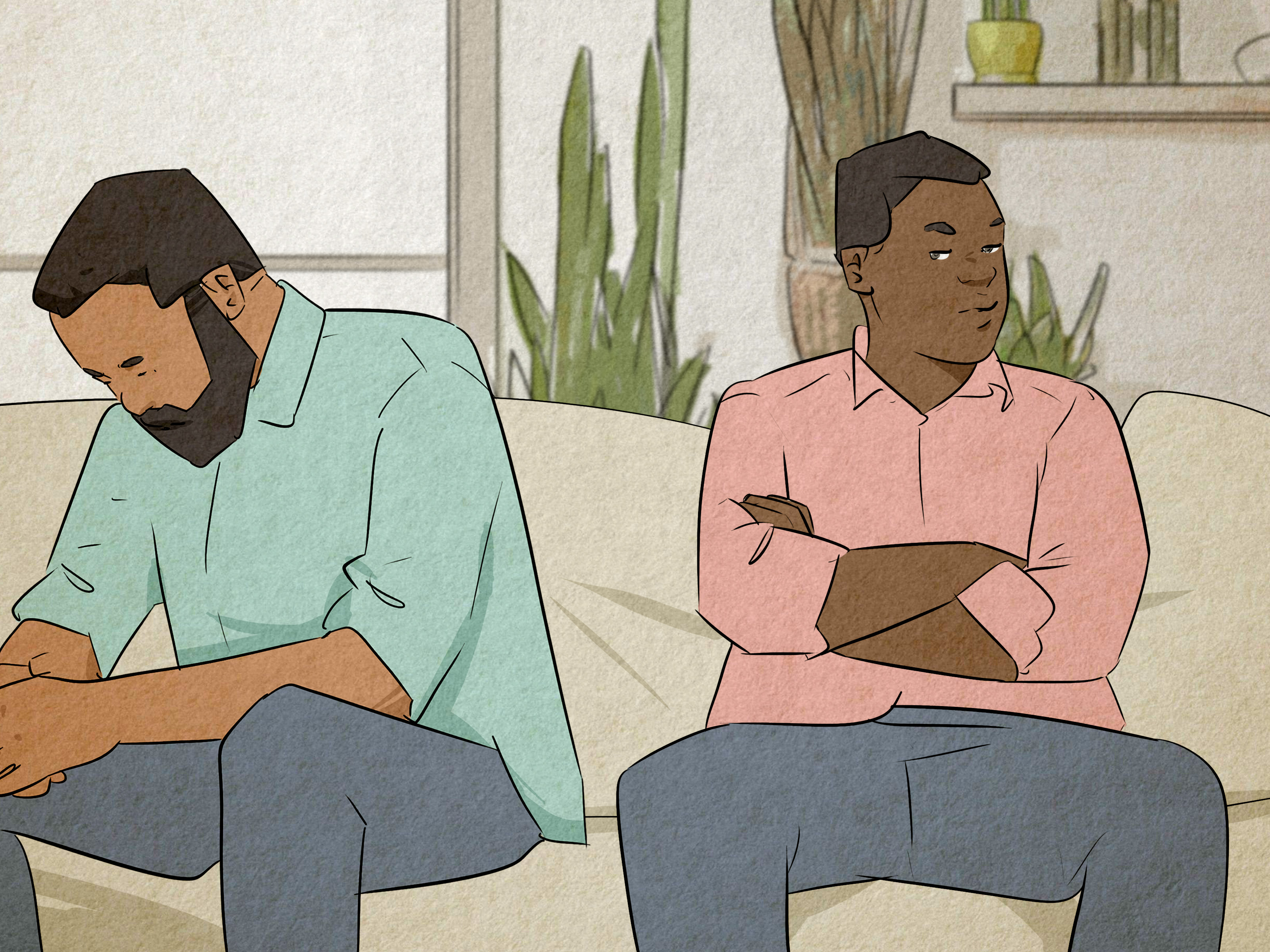
Note: This article uses “negative energy” as a practical, everyday phrase for patterns such as chronic pessimism, emotional exhaustion, poor boundaries, rumination, hostility, and draining social behavior. It is not a diagnosis, and it should not be used to label someone unfairly. Everyone has bad days; the real concern is a repeated pattern that affects relationships, health, work, and peace of mind.
What Does “Negative Energy” Really Mean?
We have all met someone who seems to walk into a room and turn the emotional temperature down by ten degrees. The coffee tastes weaker, the lights feel dimmer, and suddenly everyone remembers an urgent appointment with their laundry. That is what many people casually call “negative energy.”
In real-life terms, negative energy in a person usually shows up as repeated attitudes and behaviors that create stress, tension, discouragement, or emotional fatigue. It may look like constant complaining, harsh judgment, envy, gossip, resentment, emotional dumping, or a habit of seeing disaster in every situation. Sometimes it comes from pain, burnout, anxiety, trauma, or chronic stress. Other times, it is simply an unchecked behavior pattern that has become a personality “default setting.”
Psychology and health research show that stress, negative self-talk, social disconnection, anger, poor sleep, and emotional distress can affect both the mind and body. Chronic stress can influence mood, concentration, sleep, relationships, and physical health. Social connection, healthy boundaries, movement, gratitude, mindfulness, and supportive relationships can help people manage emotional strain more effectively.
The key is balance. You do not need to become a human sunshine poster. Nobody is cheerful 24/7 unless they are either pretending or selling motivational mugs. But when negativity becomes a lifestyle, it can drain the person carrying it and everyone standing nearby.
10 Signs of Negative Energy in a Person
1. They Complain About Almost Everything
One of the clearest signs of negative energy in a person is constant complaining. Not occasional venting after a tough day. That is normal. We are humans, not decorative houseplants. The issue is when someone finds a problem in every plan, every person, every meal, every job, and every silver lining.
A person stuck in this pattern may complain about traffic, then complain about the quiet road. They dislike being invited, then feel offended when they are not invited. They may treat dissatisfaction like a hobby. Over time, this habit can train the brain to scan for what is wrong before noticing what is workable, pleasant, or funny.
Constant complaining can also wear down relationships. Friends and coworkers may begin to avoid conversations because they already know the episode title: “Everything Is Terrible, Season 14.” If the person is open to growth, a helpful shift is to pair complaints with solutions. For example, instead of saying, “This meeting is pointless,” they might say, “Can we make this meeting shorter and focus on decisions?” That small change turns negative energy into useful feedback.
2. They Drain You Emotionally
Some people leave you feeling calm, seen, and recharged. Others leave you feeling like your emotional battery has been unplugged and chewed by raccoons. Emotional exhaustion is one of the most common signs you are dealing with negative energy.
This can happen when someone repeatedly unloads their problems without asking how you are doing, turns every conversation back to their crisis, or expects you to be available whenever their mood dips. They may not mean harm, but the relationship becomes one-sided. You become the therapist, motivational speaker, crisis hotline, and emotional storage unitwithout pay, benefits, or lunch breaks.
Healthy relationships include mutual support. If you notice that you feel tense before seeing someone and depleted afterward, pay attention. Your body may be sending a polite but firm memo: “Boundaries, please.” A simple boundary could sound like, “I care about you, but I do not have the energy to talk through this right now. Can we check in tomorrow?”
3. They Always Expect the Worst
Another sign of negative energy is chronic pessimism. This person may assume the worst before anything actually happens. A new opportunity becomes “probably a scam.” A kind message becomes “they must want something.” A small mistake becomes “everything is ruined.”
This kind of thinking may be tied to anxiety, past disappointment, or repeated stress. The mind tries to protect itself by predicting danger. Unfortunately, when worst-case thinking becomes constant, it can make life feel smaller and more threatening than it really is.
Negative self-talk often follows patterns such as filtering out positives, personalizing problems, catastrophizing outcomes, or blaming others. A person who expects the worst may need practice asking better questions: “What evidence do I have?” “What is another possible explanation?” “What is one thing I can control?” These questions do not erase reality; they simply stop the brain from turning every puddle into the Atlantic Ocean.
4. They Gossip and Create Drama
Gossip can feel entertaining in the moment, especially when delivered with dramatic eyebrows. But frequent gossip is a major sign of negative energy because it creates distrust. If someone constantly talks badly about people who are not in the room, it is reasonable to wonder what they say when you leave the room.
Drama-driven people may exaggerate conflicts, spread half-truths, collect secrets, or turn small misunderstandings into full courtroom productions. They often feel energized by tension because conflict gives them attention, control, or a sense of importance.
In workplaces, families, and friend groups, gossip damages psychological safety. People become guarded. Honest communication disappears. Everyone starts speaking like a politician near a microphone. A healthier response is direct communication: “I am not comfortable discussing someone who is not here. Have you talked to them about it?” This sentence is simple, calm, and surprisingly powerful.
5. They Struggle to Celebrate Other People’s Success
A person with negative energy may find it difficult to be happy for others. Someone gets promoted, engaged, healthier, wealthier, or happier, and instead of celebrating, they minimize it. “Must be nice.” “They got lucky.” “It probably will not last.”
This reaction often comes from insecurity, comparison, or a scarcity mindsetthe belief that someone else’s win somehow reduces their own chances. But joy is not pizza. Someone else getting a slice does not mean you are doomed to chew the box.
People with this pattern may constantly compare themselves to friends, coworkers, siblings, or strangers online. Social media can make this worse because it turns everyone’s highlight reel into a measuring stick. A healthier mindset is to see success as proof of possibility, not proof of personal failure. When another person wins, the emotionally generous response is, “Good for themand what can I learn?”
6. They Refuse Accountability
Negative energy often shows up as blame. Nothing is ever their fault. Their boss is unfair, their partner is too sensitive, their friends are disloyal, their family “made them this way,” and the universe is apparently running a personal vendetta.
Of course, unfair things happen. People can be mistreated. Systems can be broken. But when someone never takes responsibility for their choices, apologies, reactions, or growth, relationships become exhausting. Accountability is not self-attack. It is emotional adulthood.
A person who refuses accountability may use excuses, defensiveness, silent treatment, or counterattacks. If you say, “That comment hurt me,” they may respond, “Well, you are too sensitive,” instead of, “I am sorry. I did not realize it landed that way.” The first response protects the ego. The second protects the relationship.
7. They Are Frequently Angry, Irritable, or Hostile
Everyone gets angry. Anger is a normal emotion, and sometimes it points to a real boundary violation or injustice. But frequent hostility, explosive reactions, sarcasm, intimidation, or constant irritability can create a heavy emotional atmosphere.
Chronic anger can affect the body as well as relationships. Stress and anger may increase physical tension, disrupt sleep, contribute to unhealthy coping habits, and make communication harder. When someone is always on edge, people around them may start walking on eggshells. Eventually, the whole room becomes an omelet.
A person with this kind of negative energy may benefit from learning emotional regulation skills: pausing before responding, breathing slowly, taking a short walk, naming the feeling, or seeking counseling if anger feels uncontrollable. The goal is not to “never be angry.” The goal is to express anger without turning it into emotional shrapnel.
8. They Dismiss Boundaries
Negative energy becomes especially harmful when a person ignores other people’s limits. They may pressure you to answer immediately, overshare after you ask for space, guilt-trip you for saying no, or act offended when you protect your time.
Boundary-pushing can sound like, “Wow, I guess you do not care,” “You are being dramatic,” or “I was just joking.” The message underneath is: “My need matters more than your comfort.” That is not connection; that is emotional trespassing.
Healthy boundaries are not walls. They are doors with locks, windows, and reasonable visiting hours. A boundary might be, “I cannot discuss this while you are yelling,” or “I am not available after 9 p.m.” A respectful person may feel disappointed, but they will adjust. A negative-energy pattern often reveals itself when the person punishes you for having limits.
9. They Focus on Problems but Avoid Solutions
Some people genuinely need empathy before advice. That is normal. But another sign of negative energy is repeatedly rejecting every possible solution while continuing to circle the same problem.
You suggest rest; they say they cannot. You suggest a conversation; they say it will not work. You suggest professional support; they say nobody can help. After a while, the issue is no longer only the problemit is the commitment to staying stuck.
This pattern may come from fear, helplessness, depression, burnout, or a lack of problem-solving skills. Still, it can drain everyone involved. A useful question is, “Do you want comfort, solutions, or help making a plan?” This gives the person dignity while protecting you from becoming trapped in an endless loop of “yes, but.”
10. They Leave a Pattern of Broken Relationships
The strongest sign of negative energy is not one bad mood or one awkward conversation. It is a pattern. If someone repeatedly falls out with friends, burns bridges at work, cuts people off dramatically, or describes every former partner, friend, boss, and roommate as “toxic,” pause.
Sometimes people truly have been surrounded by unhealthy relationships. But when every story has the same villain and the storyteller is always innocent, there may be more to examine. Repeated conflict can point to poor communication, emotional reactivity, unresolved resentment, jealousy, control issues, or a lack of accountability.
Patterns matter because they reveal what isolated incidents hide. A person may say the right words once. Their repeated behavior tells the fuller story. If their presence consistently brings confusion, guilt, anxiety, or self-doubt, it may be time to step back and evaluate the relationship honestly.
Why Negative Energy Spreads So Easily
Negative energy can feel contagious because emotions influence social environments. A tense person can make a room tense. A calm person can help others settle. A chronically critical person can train a group to become defensive, while a supportive person can make honesty feel safer.
This does not mean you are responsible for managing everyone’s mood. It means emotional patterns are social. Humans naturally read facial expressions, tone of voice, posture, and behavior. When someone sighs dramatically, snaps at others, complains nonstop, or radiates resentment, the people nearby often adjust. They may become quieter, more anxious, more irritable, or more guarded.
That is why emotional hygiene matters. Just as we wash our hands to avoid spreading germs, we can practice emotional hygiene by pausing before reacting, apologizing when we cause harm, getting enough rest, limiting doom-scrolling, and seeking help when we feel overwhelmed. Nobody gets it perfect. The goal is not perfection; it is responsibility.
How to Deal With a Negative Person Without Becoming One
Stay Kind, But Do Not Become Their Emotional Dumpster
You can be compassionate without absorbing everything. Listen with care, but notice when the conversation becomes repetitive, manipulative, or harmful. A useful phrase is, “I hear that this is hard. What do you think your next step is?” This gently moves the conversation from complaint to agency.
Use Clear Boundaries
Boundaries work best when they are specific. Instead of saying, “Stop being negative,” try, “I do not want to gossip about coworkers,” or “I can talk for 15 minutes, then I need to get back to work.” Clear boundaries are easier to respect and harder to twist.
Do Not Argue With Every Negative Thought
Some people are not looking for a new perspective; they are looking for someone to wrestle with their mood. You do not have to attend every argument you are invited to. Sometimes the healthiest response is, “That sounds frustrating,” followed by a graceful subject change or exit.
Protect Your Own Energy
Spend time with people who restore you. Move your body. Get outside. Keep a journal. Practice gratitude without forcing fake cheerfulness. Reduce unnecessary exposure to people, media, or environments that keep you tense. Protecting your peace is not selfish; it is maintenance.
Know When to Seek Help
If someone’s negativity includes threats, intimidation, emotional abuse, substance misuse, self-harm comments, or major changes in sleep, appetite, mood, or functioning, encourage professional support. If you are the one feeling constantly angry, hopeless, anxious, or emotionally exhausted, reaching out to a therapist, doctor, or trusted support person is a strong and practical step.
Real-Life Experiences: What Negative Energy Feels Like in Everyday Life
Negative energy is easiest to understand through ordinary moments. Imagine you are excited to share good news: you finally got an interview, started exercising again, launched a project, or saved money for something meaningful. A supportive person might ask questions, smile, or celebrate with you. A negative person might immediately point out everything that could go wrong. “That company probably underpays.” “You will get bored of the gym.” “Most small businesses fail.” “Why buy that? It is a waste.” Suddenly, your excitement feels like it has been escorted out of the building.
Another common experience happens in group settings. One person arrives irritated and begins making sharp comments. At first, everyone laughs politely. Then the jokes become personal. Someone gets quiet. Someone else starts defending themselves. The room shifts. The negative energy is not floating around like a cartoon ghost; it is being created through tone, timing, criticism, and tension.
In families, negative energy may show up as repeated guilt. A parent, sibling, or relative may say, “After everything I have done for you,” whenever you make an independent choice. Instead of feeling loved, you feel indebted. Instead of visiting because you want connection, you visit because you fear punishment. That kind of emotional pressure can make even simple conversations feel heavy.
In friendships, negative energy often looks like one-sided emotional labor. You may notice that your friend calls only during a crisis. They talk for an hour about their problems, then suddenly need to go when you mention yours. You may care about them deeply, but after months of this pattern, you feel invisible. The friendship becomes a subscription service for their stress, and somehow you are the unpaid premium plan.
At work, negative energy can come from chronic criticism, gossip, or defeatist thinking. A coworker may reject every new idea before it has a chance to breathe. “Management will never approve it.” “Customers will hate it.” “Why bother?” A realistic concern can improve a project. Constant negativity, however, can kill creativity before the first draft. Healthy teams need honest feedback, but they also need curiosity, respect, and solution-focused thinking.
Romantic relationships can be especially affected. If one partner regularly uses sarcasm, blame, jealousy, or silent treatment, the other may begin to shrink. They may stop sharing feelings, avoid certain topics, or over-explain harmless choices. Love starts to feel like a test with surprise questions and no answer key. Over time, this can create anxiety, resentment, and emotional distance.
Personal experience with negative energy also teaches an important lesson: sometimes the “negative person” is us. Maybe we are exhausted, disappointed, under-supported, or stuck in a season where everything feels harder than it should. Noticing our own negativity is uncomfortable, but it is also powerful. We can pause, apologize, rest, ask for help, change our self-talk, and choose different behavior. That is where growth beginsnot in pretending to be positive, but in becoming honest enough to change.
Final Thoughts on the 10 Signs of Negative Energy in a Person
The 10 signs of negative energy in a person are not meant to turn you into a full-time personality detective. They are meant to help you recognize patterns that affect emotional health, relationships, and daily peace. Constant complaining, pessimism, gossip, envy, blame, anger, poor boundaries, solution avoidance, and repeated relationship conflict can all create a draining atmosphere.
Still, it is important to stay fair. A person may be negative because they are hurting, stressed, grieving, anxious, or overwhelmed. Compassion matters. But compassion does not require you to abandon your own well-being. You can care about someone and still limit access to your time, attention, and emotional energy.
The healthiest approach is simple: notice patterns, communicate clearly, set boundaries, protect your peace, and choose growth where possible. Positive energy is not about being cheerful every minute. It is about being responsible for the emotional footprint you leave behind.