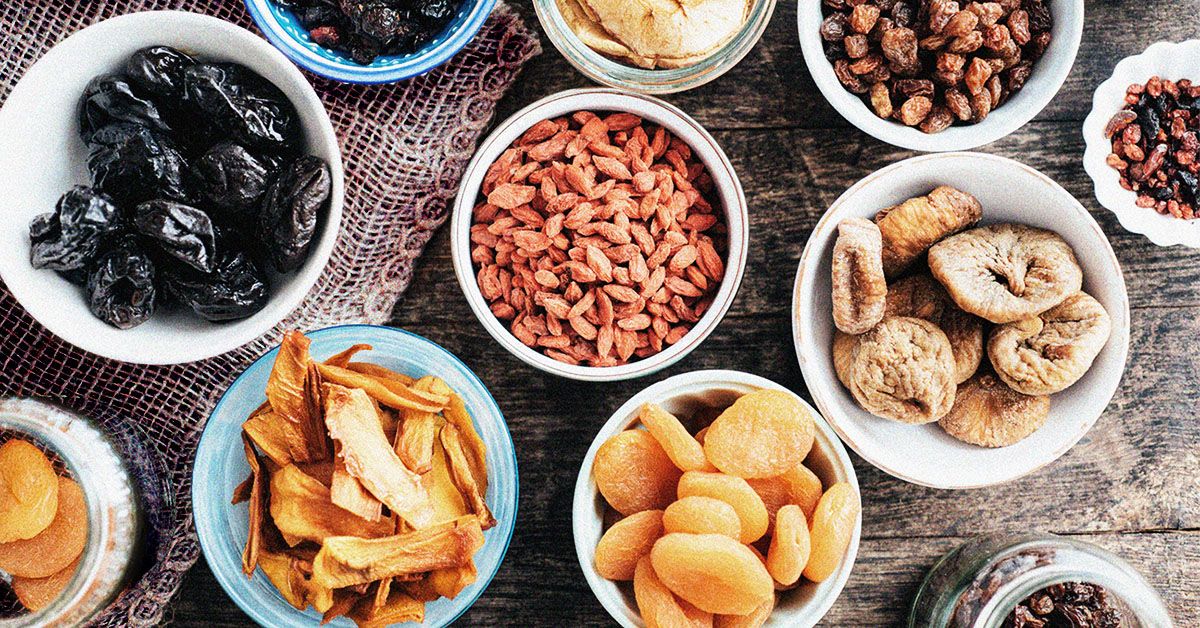
Dried fruit has a public relations problem. One minute it is being praised as a convenient, fiber-rich snack; the next, someone is side-eyeing a raisin like it just robbed a candy store. The truth is more interesting than either extreme. While dried fruit is naturally concentrated in sugar and calories, emerging research suggests that eating the right kinds, in the right portions, may fit into a healthy eating pattern that supports better blood sugar control and may even help lower type 2 diabetes risk.
That does not mean a giant bag of sweetened dried mango is suddenly a diabetes-prevention program. Nice try, snack drawer. But unsweetened dried fruits such as prunes, raisins, dates, figs, apricots, and dried apples bring more to the table than natural sweetness. They contain dietary fiber, minerals, antioxidants, and plant compounds that may influence digestion, insulin sensitivity, inflammation, gut health, and appetite regulation.
So, why might dried fruit consumption help lower type 2 diabetes risk? The answer comes down to the difference between sugar in a whole-food package and sugar stripped of its nutritional teammates. In dried fruit, natural carbohydrates arrive with fiber, potassium, magnesium, polyphenols, and other compounds that may help the body handle glucose more steadily. In other words, dried fruit is not magic. It is food chemistry wearing a chewy little jacket.
Dried Fruit and Type 2 Diabetes Risk: What Recent Research Suggests
Recent research has sparked interest in the possible connection between dried fruit intake and a lower risk of type 2 diabetes. A 2024 Mendelian randomization study published in a peer-reviewed scientific journal examined genetic data related to dried fruit consumption and type 2 diabetes. The study suggested that higher dried fruit intake may be associated with reduced type 2 diabetes risk. Because Mendelian randomization uses genetic variants as tools to explore potential causal relationships, it can help reduce some of the confusion caused by lifestyle factors in traditional observational studies.
Still, this type of research should be interpreted carefully. It does not mean dried fruit is a guaranteed shield against type 2 diabetes, and it does not replace proven prevention strategies such as regular physical activity, weight management, eating more fiber-rich foods, and reducing added sugars. Instead, it gives researchers another clue: dried fruit may belong in the “possibly helpful when eaten wisely” category rather than the “avoid at all costs” category.
Why Dried Fruit Is Different From Candy
At first glance, dried fruit and candy may look suspiciously similar on a nutrition label because both can contain plenty of sugar. But food quality is about more than one number. Candy typically delivers added sugar with little fiber, few vitamins, and minimal minerals. Unsweetened dried fruit, by contrast, is a concentrated form of whole fruit. When water is removed, many nutrients remain, including fiber and plant compounds.
This matters because the body responds differently to a food matrix than it does to isolated sugar. A handful of raisins is not metabolically identical to a handful of jelly beans, even if both taste sweet. The raisins bring fiber, potassium, and polyphenols to the party. The jelly beans mostly bring sugar and a strong desire to eat 37 more jelly beans.
The Fiber Factor: A Big Reason Dried Fruit May Support Blood Sugar Health
Dietary fiber is one of the strongest reasons dried fruit may help with type 2 diabetes prevention. Fiber slows digestion, helps reduce rapid glucose spikes after meals, and supports fullness. Soluble fiber, in particular, forms a gel-like substance in the digestive tract, which can slow the movement of food and the absorption of glucose.
Many dried fruits provide meaningful amounts of fiber. Prunes, figs, dried apricots, dates, and raisins all contain fiber that can help make a snack more satisfying. A snack that keeps you full is not just a snack; it is a tiny peace treaty between you and the vending machine.
How Fiber May Lower Diabetes Risk
Higher fiber intake has been associated with a lower risk of type 2 diabetes in multiple studies. Fiber may help improve insulin sensitivity, support healthy body weight, feed beneficial gut bacteria, and reduce blood sugar swings. It also helps replace lower-quality snack choices. If a person swaps cookies or chips for a small serving of unsweetened dried fruit paired with nuts, that change may improve overall diet quality.
Of course, portion size still matters. Dried fruit is smaller than fresh fruit because the water has been removed. That makes it easy to eat several servings without noticing. Fresh grapes ask you to chew and hydrate. Raisins whisper, “Just one more handful,” like a very tiny snack villain.
Antioxidants and Polyphenols: Small Compounds With Big Potential
Dried fruits contain bioactive compounds such as polyphenols, flavonoids, carotenoids, and other antioxidants. These compounds may help protect cells from oxidative stress, a process linked to chronic inflammation and insulin resistance. Since insulin resistance is a key driver of type 2 diabetes, foods that help reduce oxidative stress may support long-term metabolic health.
Different dried fruits offer different compounds. Prunes contain phenolic compounds and are known for their digestive benefits. Raisins contain polyphenols and minerals. Dates provide fiber and antioxidants. Dried apricots contribute potassium and carotenoids. Figs offer fiber, minerals, and a naturally rich sweetness that makes them feel like dessert without needing frosting, sprinkles, or a dramatic bakery box.
Minerals in Dried Fruit May Support Metabolic Health
Dried fruit can provide minerals that play roles in blood pressure, muscle function, and glucose metabolism. Potassium is commonly found in dried fruits such as apricots, prunes, raisins, and dates. Magnesium, found in some dried fruits, is involved in hundreds of processes in the body, including those related to glucose regulation and insulin function.
A healthy diabetes-prevention diet is not built from one superstar nutrient. It works more like a well-run kitchen crew. Fiber slows digestion. Minerals support body systems. Antioxidants reduce oxidative stress. Protein and healthy fats help stabilize meals. No single ingredient does everything, but together they make the plate much more useful.
Low to Moderate Glycemic Impact: Not All Sweet Foods Act the Same
Some dried fruits have a low to moderate glycemic index, meaning they may raise blood glucose more gradually than high-glycemic refined carbohydrates. Research comparing dried fruits such as dates, raisins, apricots, and sultanas found that they can produce a lower glycemic response than refined carbohydrate foods when used to replace part of the carbohydrate in a meal.
This does not mean everyone will respond the same way. Blood sugar response depends on the type of dried fruit, the portion, what it is eaten with, the person’s activity level, and whether they have diabetes, prediabetes, insulin resistance, or other medical conditions. Still, it helps explain why dried fruit should not automatically be lumped together with refined sweets.
Dried Fruit May Help Replace Less Healthy Snacks
One practical reason dried fruit may support lower type 2 diabetes risk is substitution. People do not eat nutrients in isolation; they eat snacks, meals, cravings, convenience, boredom, and whatever is sitting in the office break room looking emotionally available.
If a person replaces highly processed sweets, pastries, or sugar-sweetened snacks with a small portion of unsweetened dried fruit, that swap can improve diet quality. Dried fruit can satisfy a sweet craving while adding fiber and micronutrients. For example, chopped dates can sweeten oatmeal, raisins can add flavor to plain yogurt, and diced dried apricots can make a salad more exciting without turning lunch into a nutrition lecture.
Portion Control Is the Secret Sauce
Dried fruit is nutrient-dense, but it is also energy-dense. That means a small amount carries more calories and carbohydrates than the same volume of fresh fruit. The American Diabetes Association notes that a small serving of dried fruit can contain about 15 grams of carbohydrate, so portions should be measured rather than guessed.
For many people, a reasonable serving is about two tablespoons of raisins or dried cherries, or around one-quarter cup of many dried fruits. USDA MyPlate guidance also recognizes dried fruit as part of the fruit group, with one-half cup of dried fruit generally counting as one cup of fruit. But for blood sugar management, smaller servings are often more practical.
Smart Portion Examples
Try one tablespoon of raisins stirred into oatmeal with walnuts. Add two chopped dried apricots to a bowl of plain Greek yogurt. Pair one or two dates with peanut butter for a satisfying snack. Toss a few sliced prunes into a grain bowl with greens and grilled chicken. The goal is not to eat dried fruit by the fistful; the goal is to use it like a flavor-packed ingredient.
Choose Unsweetened Dried Fruit Whenever Possible
Not all dried fruit products are equal. Some are simply fruit with the water removed. Others are sweetened, candied, glazed, or mixed with extra oils. Dried cranberries, pineapple, banana chips, and mango are common examples that may contain added sugars or added fats. These products can still taste great, but they move closer to dessert territory.
For type 2 diabetes prevention, look for labels that say “unsweetened” or list only the fruit as the ingredient. Be cautious with words such as “juice-infused,” “sweetened,” “candied,” or “yogurt covered.” Yogurt-covered raisins may sound wholesome, but so does “running late cardio,” and neither is always what it appears to be.
How to Eat Dried Fruit for Better Blood Sugar Balance
One of the best ways to enjoy dried fruit is to pair it with protein, healthy fat, or additional fiber. This helps slow digestion and may reduce the likelihood of a sharp blood sugar rise. For example, dried fruit with nuts is usually a better choice than dried fruit alone. Dried fruit in plain yogurt is better balanced than dried fruit eaten straight from the bag while standing in front of the pantry wondering what life means.
Balanced Snack Ideas
Mix raisins with almonds and pumpkin seeds for a simple trail mix. Add chopped dates to oatmeal with cinnamon and chia seeds. Combine dried figs with cottage cheese. Pair dried apricots with pistachios. Add a small amount of dried cranberries to a salad with leafy greens, grilled chicken, and olive oil vinaigrette. These combinations turn dried fruit from a quick sugar hit into part of a more balanced eating pattern.
Who Should Be More Careful With Dried Fruit?
People with diabetes, prediabetes, kidney disease, digestive conditions, or specific carbohydrate goals should be more careful with dried fruit portions. Those who monitor blood glucose may want to check how different dried fruits affect their own readings. Personal response matters. One person may tolerate a small portion of raisins in oatmeal very well, while another may see a bigger glucose rise.
People taking medications that affect potassium levels, individuals with advanced kidney disease, or anyone following a medically restricted diet should ask a healthcare professional before making major diet changes. Nutrition advice should fit the person, not the other way around.
Dried Fruit vs. Fresh Fruit: Which Is Better?
Fresh fruit is usually easier to eat in larger volume with fewer calories, thanks to its water content. It is also more filling by volume. For everyday eating, fresh fruit is often the better default. But dried fruit has advantages: it is portable, shelf-stable, quick to use, and less likely to become a sad, forgotten pear in the bottom of a work bag.
The best choice is not necessarily fresh or dried. It is both, used wisely. Fresh berries at breakfast, an apple with lunch, and a small amount of dried fruit in trail mix can all fit into a healthy pattern. Variety helps provide different fibers, antioxidants, textures, and flavors.
Why the Whole Diet Matters More Than One Food
Dried fruit may help lower type 2 diabetes risk when it is part of a high-quality diet, but it cannot rescue an otherwise unhealthy lifestyle. A diabetes-prevention eating pattern generally emphasizes vegetables, fruits, whole grains, legumes, nuts, seeds, lean proteins, and healthy fats. It also limits added sugars, refined carbohydrates, highly processed foods, and oversized portions.
Physical activity, sleep, stress management, and maintaining a healthy weight also play major roles. Dried fruit can be a helpful supporting character, but it is not the superhero, the sidekick, and the entire cinematic universe.
Practical Experience: What Eating Dried Fruit Wisely Looks Like in Real Life
In everyday life, dried fruit works best when people treat it as a concentrated ingredient rather than a bottomless snack. Think of it as flavor punctuation. A few raisins can brighten oatmeal. Chopped prunes can add richness to a savory chicken dish. A date can sweeten a smoothie without needing syrup. Dried apricots can make a lunch salad feel less like an obligation and more like something you might willingly eat without negotiating with yourself.
One helpful experience-based strategy is to pre-portion dried fruit as soon as the package is opened. Instead of eating directly from the bag, measure small servings into containers. This turns a potentially chaotic snack into a planned one. It also prevents the classic dried-fruit mystery: “How did half the bag disappear?” The answer is usually a combination of convenience, distraction, and the dangerous chewiness of raisins.
Another practical lesson is to pair dried fruit with slower-digesting foods. A small handful of raisins alone may not keep someone satisfied for long. But raisins mixed with walnuts, sunflower seeds, and unsweetened coconut can feel more substantial. Dates eaten alone may taste like nature’s caramel, but dates filled with almond butter become a more balanced snack with fat and protein. The combination matters.
Dried fruit can also help people reduce added sugar without feeling deprived. For example, someone trying to cut back on brown sugar in oatmeal might use chopped dates and cinnamon instead. Someone who usually eats candy after lunch might try two dried figs with a few almonds. These swaps are not about perfection. They are about moving from “sweet and empty” to “sweet with benefits.”
Many people also find dried fruit useful for meal planning because it does not spoil quickly. Fresh fruit is wonderful, but it has a dramatic personality. One day a peach is rock-hard; the next day it is soup wearing skin. Dried fruit is more predictable. Keeping unsweetened dried apricots, prunes, raisins, or dates in the pantry makes it easier to add fruit-based sweetness to meals without relying on sugary sauces or desserts.
For people watching blood sugar, the most useful habit is testing personal tolerance. Eat a measured portion with a balanced meal and notice energy, hunger, and, if using a glucose meter, blood sugar response. The goal is not to fear dried fruit. The goal is to learn how it fits your body. Nutrition becomes much less confusing when it moves from internet shouting to personal patterns.
A realistic dried-fruit routine might look like this: oatmeal with walnuts and one tablespoon of raisins at breakfast; a salad with a few chopped dried apricots at lunch; or one date with peanut butter before a walk. These are small, intentional uses. They add flavor, fiber, and satisfaction without turning dried fruit into a sugar avalanche.
The biggest experience-based takeaway is simple: dried fruit is helpful when it replaces less nutritious sweets, supports a higher-fiber diet, and stays within sensible portions. It becomes less helpful when it is sweetened, oversized, mindlessly eaten, or treated as a free pass because it came from fruit. Respect the portion, choose the unsweetened version, pair it well, and dried fruit can become a smart tool in a diabetes-conscious lifestyle.
Conclusion: Can Dried Fruit Help Lower Type 2 Diabetes Risk?
Dried fruit may help lower type 2 diabetes risk because it offers fiber, antioxidants, minerals, and plant compounds in a convenient whole-food form. These nutrients may support steadier blood sugar, better fullness, improved diet quality, and healthier metabolic function. Recent research adds an intriguing layer, suggesting that dried fruit intake may be linked with lower type 2 diabetes risk, though more studies are needed to confirm how strong and practical that relationship is.
The key is moderation. Unsweetened dried fruit can be part of a healthy diabetes-prevention plan when eaten in measured portions and paired with protein, healthy fats, or high-fiber foods. It is not candy, but it is not unlimited either. Think small servings, smart pairings, and real-food choices. That is where dried fruit shines: not as a miracle cure, but as a chewy, naturally sweet helper in a balanced lifestyle.