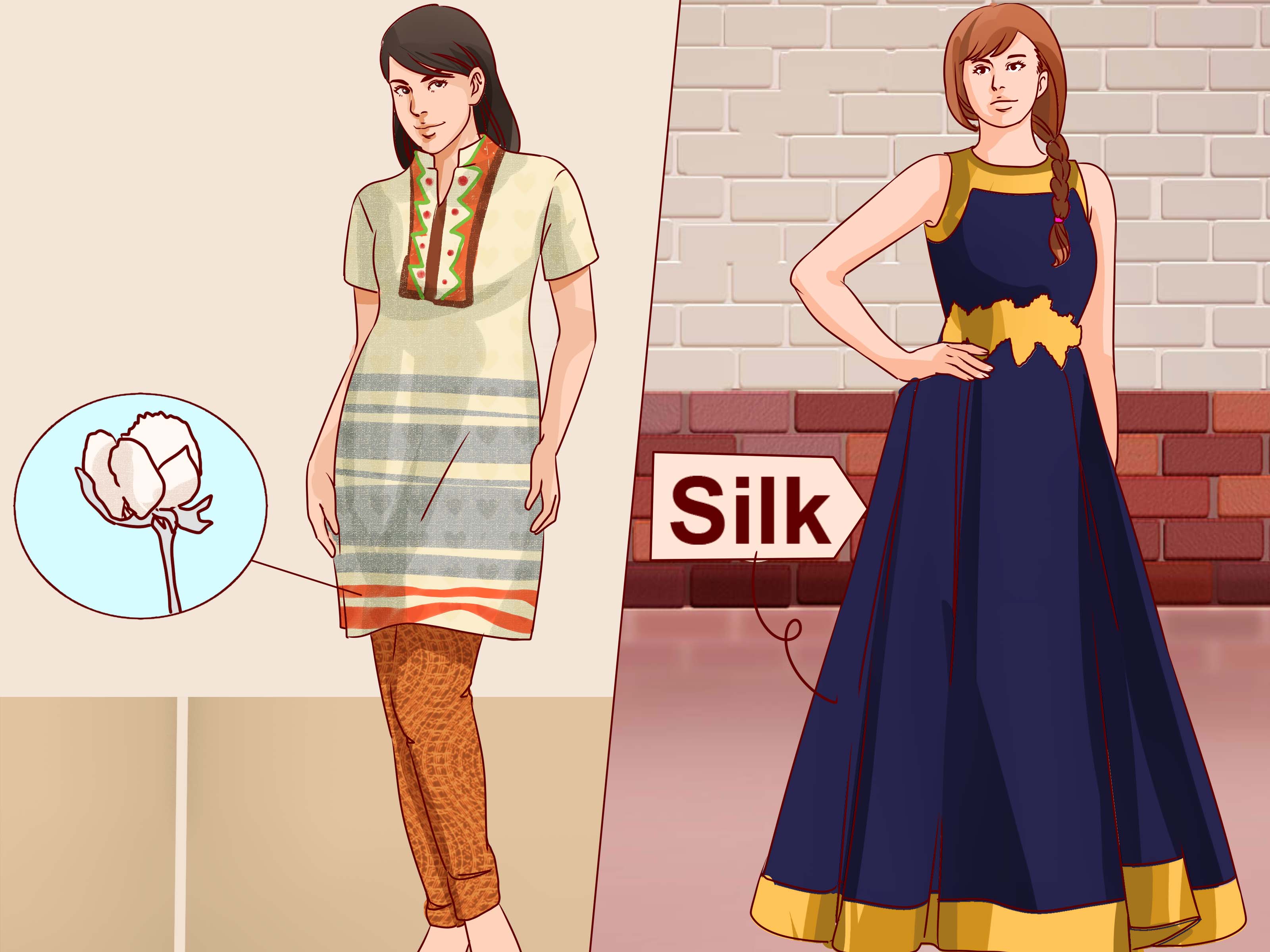
The salwar kameez is one of India’s most beloved traditional outfits, and for good reason: it is graceful, practical, comfortable, and much easier to move in than many formal clothes that seem designed by people who have never climbed stairs. Made of three main piecesthe kameez or tunic, the salwar or trousers, and the dupatta or scarfthis Indian outfit works beautifully for daily wear, family gatherings, religious ceremonies, festive celebrations, weddings, office events, and travel.
Although the salwar kameez is strongly associated with North India and Punjab, it is worn across India and throughout South Asian communities around the world. Styles vary widely: a simple cotton salwar suit may feel casual and breezy, while a silk, georgette, chiffon, brocade, or embroidered designer salwar kameez can look formal enough for a wedding reception. The best part? You do not need to be a fashion wizard with a measuring tape in one hand and a dupatta emergency kit in the other. With a few clear steps, you can dress in a salwar kameez confidently, respectfully, and beautifully.
This guide explains how to dress in a salwar kameez from India in 12 simple steps, including how to choose the right size, wear the trousers, adjust the kameez, drape the dupatta, match accessories, select footwear, and avoid common styling mistakes. Whether you are wearing one for the first time or simply want to improve your look, consider this your friendly, no-panic dressing room companion.
What Is a Salwar Kameez?
A salwar kameez is a traditional Indian outfit made of a tunic-style top, loose or fitted trousers, and usually a long scarf. The kameez is the upper garment, often knee-length or longer. The salwar is the bottom garment, traditionally loose at the hips and thighs and narrower near the ankles. The dupatta adds elegance, modesty, color, and movement.
Modern versions include straight-cut suits, Anarkali suits, churidar suits, palazzo suits, Patiala suits, sharara suits, cigarette-pant suits, and casual kurta sets. Some are minimal and office-friendly; others sparkle with embroidery, sequins, mirror work, zari, beads, or lace. In short, the salwar kameez has range. It can whisper “quiet elegance” or announce “yes, I understood the wedding assignment.”
How to Dress in a Salwar Kameez from India: 12 Steps
Step 1: Choose the Right Salwar Kameez for the Occasion
Start by matching the outfit to the event. For casual wear, choose cotton, linen, rayon, or lightweight blends. These fabrics are breathable, easy to wash, and comfortable in warm weather. For office wear, a straight-cut kameez with cigarette pants, churidar pants, or palazzo trousers looks polished without being overly dramatic.
For festivals, weddings, religious ceremonies, or formal dinners, choose richer fabrics such as silk, chiffon, georgette, velvet, organza, or brocade. Embroidery, zari work, sequins, and embellished borders add a festive touch. If the event involves a lot of sitting, dancing, or eating, avoid anything too tight. Comfort is not the enemy of beauty; it is the secret agent working behind the scenes.
Step 2: Check the Fit Before Wearing It
Fit matters more than sparkle. A salwar kameez should allow you to sit, walk, bend, and breathe normally. The kameez should sit comfortably across the shoulders and bust without pulling at the seams. The sleeves should not pinch the upper arms, and the side slits should fall neatly without gaping.
Check the length of the kameez. A short kameez pairs well with Patiala salwar or dhoti-style pants, while a longer kameez works well with churidar, straight pants, palazzos, or cigarette pants. If the outfit is too loose, it can look shapeless. If it is too tight, it can feel uncomfortable and may distort the fall of the fabric. The ideal fit is graceful, not clingy.
Step 3: Wear the Right Undergarments
The foundation of a good salwar kameez look starts underneath. Choose smooth, well-fitting undergarments that do not create visible lines. If your kameez is made of sheer fabric such as chiffon, georgette, net, or light cotton, wear a matching camisole, slip, or lining underneath.
For light-colored suits, nude or skin-toned undergarments usually work better than bright white ones, which can sometimes show through. If the neckline is deep, wide, or embroidered, choose a bra style that stays hidden. A little planning here prevents the classic mirror panic five minutes before leaving the house.
Step 4: Put on the Salwar or Pants First
Start with the bottom piece. Traditional salwar pants often have a drawstring waist, while modern versions may use elastic, hooks, zippers, or side closures. Step into the salwar carefully and pull it up to your natural waist or wherever the style is designed to sit.
If your salwar has a drawstring, tighten it securely but not so much that sitting becomes a personal challenge. Tie the drawstring in a firm bow or knot and tuck the extra string inside. Make sure the pleats or gathers fall evenly in front. For churidar pants, smooth the fabric along the legs and arrange the extra folds neatly around the ankles.
Step 5: Put on the Kameez Carefully
Next, wear the kameez over your head or step into it if the cut allows. Be gentle if the neckline has embroidery, mirror work, beads, hooks, or delicate buttons. Pulling too quickly can snag fabric or disturb embellishments.
Once the kameez is on, adjust the shoulder seams so they sit evenly. Smooth the fabric over the torso and hips. Check that the side slits are aligned and the hemline is even. If the kameez has a zipper, hook, or back closure, secure it fully. If it includes tassels or tie-backs, tie them neatly without pulling the fabric too tightly.
Step 6: Adjust the Length and Shape
Stand in front of a full-length mirror and check the overall silhouette. A straight-cut kameez should fall cleanly from the shoulders. An Anarkali should flare gracefully from the waist or bust line. A short Punjabi-style kameez should balance well with fuller Patiala pants. A palazzo suit should look relaxed but not overwhelming.
If the kameez bunches around the hips, try adjusting the pants underneath. If it clings due to static, use an anti-static spray or lightly moisturize your legs before dressing. If the hem is too long, wear slightly higher shoes or consider tailoring. In Indian fashion, tailoring is not a luxury; it is often the difference between “beautiful outfit” and “borrowed from a taller cousin.”
Step 7: Choose a Dupatta Draping Style
The dupatta can completely change the mood of your salwar kameez. For a classic look, place the dupatta evenly over both shoulders so it hangs down the front. This style is simple, modest, and suitable for temples, family gatherings, and formal occasions.
For a relaxed look, drape the dupatta over one shoulder and let one end fall behind you. For a polished event style, pleat the dupatta lengthwise and pin it neatly on one shoulder. For religious settings, you may drape it over your head as a sign of respect, depending on the place and custom. For weddings, a heavily embroidered dupatta can be spread across both arms or styled over one shoulder like a grand finishing touch.
Step 8: Secure the Dupatta with Pins When Needed
If you are new to wearing a dupatta, safety pins are your quiet little heroes. Use small pins to secure the dupatta at the shoulder, especially if the fabric is slippery, heavy, or likely to move. Chiffon, silk, satin, and georgette can slide around, sometimes with the confidence of a scarf that has somewhere better to be.
Pin the dupatta from the inside when possible so the pin is less visible. Avoid pinning delicate embroidery, lace, or net too tightly because it may tear. If you are attending a long event, sitting for a meal, or dancing, a pinned dupatta will help you relax instead of constantly rescuing fabric from chairs, elbows, and enthusiastic relatives.
Step 9: Match Footwear to the Outfit
Footwear can make your salwar kameez look traditional, modern, casual, or formal. For a classic Indian look, wear juttis, mojaris, kolhapuri sandals, embellished flats, or low heels. These pair beautifully with cotton suits, Punjabi suits, and festive outfits.
For a contemporary look, pair straight pants or palazzo suits with block heels, wedges, pointed flats, or simple sandals. If the outfit is heavily embroidered, keep footwear elegant but not too loud. If the suit is plain, shoes with embroidery, metallic details, or beadwork can add interest. For travel or casual outings, clean sneakers can work with simple kurta sets, especially when comfort is the main event.
Step 10: Add Jewelry and Accessories Thoughtfully
The right accessories complete the look without turning you into a walking jewelry display case. For everyday wear, small earrings, bangles, a simple chain, or a watch may be enough. For festive occasions, choose jhumkas, chandbalis, bangles, statement rings, or a delicate necklace.
Balance is key. If your kameez has a heavy neckline, skip the necklace and wear earrings instead. If your dupatta has a dramatic border, keep the rest of the accessories lighter. For a wedding look, a maang tikka, embroidered clutch, potli bag, or metallic bangles can add charm. Just remember: accessories should support the outfit, not challenge it to a wrestling match.
Step 11: Style Your Hair and Makeup to Suit the Look
Hair and makeup depend on the occasion and the neckline of your kameez. For casual salwar kameez outfits, loose hair, a braid, a low ponytail, or a simple bun looks effortless. For formal suits, try soft curls, a sleek bun, or a side-parted style.
Makeup can be natural or festive. A cotton suit may only need light foundation, mascara, and tinted lip balm. A wedding outfit may call for defined eyes, warm blush, highlighter, and a bold lip. A small bindi can add a traditional touch if you enjoy wearing one. The goal is harmony: your face, hair, outfit, jewelry, and dupatta should look like they came to the same party.
Step 12: Do a Final Comfort and Modesty Check
Before leaving, sit down, walk around, raise your arms, and check the mirror from the front, side, and back. Make sure the kameez does not pull, the salwar does not slip, and the dupatta feels secure. If you are attending a religious or traditional family event, consider whether your neckline, sleeve length, and dupatta style feel appropriate for the setting.
Carry a small emergency kit if needed: safety pins, fashion tape, a hair tie, blotting paper, and a tiny stain remover pen. Salwar kameez outfits are comfortable, but long events can test any clothing. A little preparation lets you enjoy the day instead of negotiating with your dupatta every seven minutes.
Popular Types of Salwar Kameez
Straight-Cut Salwar Kameez
This is one of the most versatile styles. The kameez falls straight from the shoulders or bust, creating a clean vertical line. It works well for office wear, casual gatherings, and semi-formal events. Pair it with straight pants, churidar, or cigarette trousers.
Patiala Salwar Kameez
A Patiala suit features a shorter kameez and a full, pleated salwar. It is strongly associated with Punjabi fashion and is known for comfort, movement, and a cheerful traditional look. It pairs beautifully with a colorful dupatta and juttis.
Anarkali Suit
An Anarkali suit has a flared, dress-like kameez that creates a regal silhouette. It is popular for weddings, festivals, and formal events. Because the shape is dramatic, it often looks best with fitted churidar pants and elegant heels.
Palazzo Suit
Palazzo suits pair a kameez with wide-leg trousers. They feel modern, comfortable, and stylish, especially for warm weather. A straight or slightly flared kameez balances the volume of the pants.
Sharara and Gharara Suits
Sharara and gharara suits feature flared bottoms and are often worn for festive occasions. A sharara usually flares from the waist, while a gharara has a distinct flare starting around the knee. These styles are glamorous and photograph beautifully.
Best Fabrics for a Salwar Kameez
Fabric affects comfort, shape, and occasion. Cotton is ideal for hot weather and everyday wear. Linen blends look relaxed and breathable. Rayon and viscose drape smoothly and are easy to wear. Silk feels luxurious and works beautifully for weddings and formal gatherings. Georgette and chiffon are lightweight and flowy, though they may need lining. Velvet is rich and festive but better for cooler weather. Net, organza, and brocade are often used for decorative or party wear styles.
If you are new to wearing a salwar kameez, start with cotton, rayon, or a lined georgette suit. These fabrics are easier to manage than slippery silk or heavily embellished net. Once you feel comfortable, experiment with more dramatic textures and layers.
Common Mistakes to Avoid
One common mistake is choosing a beautiful outfit in the wrong size. A stunning salwar kameez will not look its best if the shoulders are too tight or the pants are too long. Another mistake is ignoring the dupatta. A messy dupatta can make the outfit look unfinished, while a neatly draped one adds instant grace.
Avoid over-accessorizing. If your suit already has heavy embroidery, choose simpler jewelry. Also avoid shoes that fight with the outfit. Athletic sneakers may work with casual kurta sets, but they rarely suit formal embroidered ensembles. Finally, do not forget cultural context. Wearing Indian clothing respectfully means understanding that it is not just a costume; it is part of a living tradition worn by millions of people in daily life, celebrations, and family rituals.
How to Care for a Salwar Kameez
Always check the care label first. Cotton suits can often be hand-washed or machine-washed on a gentle cycle, but bright colors may bleed during the first wash. Wash similar colors together and avoid harsh detergents. Silk, heavily embroidered, sequined, or delicate salwar kameez sets are usually best dry-cleaned.
Store the dupatta folded neatly or hung to avoid wrinkles. Keep embellished pieces inside garment bags. If the outfit has beads, stones, or mirror work, avoid hanging it on thin hangers that may stress the shoulders. A little care helps your salwar kameez last longer and keeps it ready for the next celebration, dinner, or “I need something elegant in ten minutes” situation.
Experience Notes: Wearing a Salwar Kameez with Confidence
The first experience of wearing a salwar kameez can feel both exciting and slightly confusing. There are three pieces, sometimes a drawstring, occasionally a zipper hiding in a mysterious place, and then the dupatta, which behaves like it has its own personality. But after a few minutes, many people discover why the outfit has remained so popular: it is comfortable, expressive, and surprisingly practical.
One helpful experience is to practice wearing the outfit at home before a major event. Try walking, sitting, climbing stairs, and adjusting the dupatta. This is especially important if the suit is heavily embroidered or if the dupatta is made of slippery fabric. Practicing in advance prevents last-minute stress. You learn where to place the pins, how tightly to tie the salwar, and whether the kameez needs a slip underneath. Think of it as a dress rehearsal, except the audience is your mirror and possibly one confused houseplant.
Another useful lesson is that comfort changes everything. A salwar kameez that fits well lets you enjoy the event instead of thinking about your clothes all evening. If the pants are too loose, you may keep adjusting them. If the kameez is too tight, you may feel restricted. If the dupatta is too heavy, it may pull on one shoulder. These small details matter because the best outfit is not only the one that looks good in photos; it is the one that lets you move naturally.
Many people also learn that the dupatta is the most expressive part of the outfit. The same salwar kameez can look traditional with the dupatta over both shoulders, modern with the dupatta pinned to one side, and formal with the dupatta pleated neatly. A colorful dupatta can brighten a plain suit, while a sheer embroidered dupatta can make a simple kameez look festive. Once you understand this, you may start seeing the dupatta less as “extra fabric” and more as the outfit’s personality.
Footwear is another experience-based detail. Flat juttis or sandals are excellent for long events, especially when there will be standing, walking, or dancing. High heels can look beautiful with Anarkali or palazzo suits, but they should be comfortable enough to survive the full occasion. No one wants to look majestic for twenty minutes and then spend the rest of the evening silently negotiating with their ankles.
Wearing a salwar kameez also teaches you the value of balance. If the outfit has bold colors, heavy embroidery, and a dramatic dupatta, simpler jewelry often looks more elegant. If the suit is plain, statement earrings or bangles can bring the look to life. The most stylish result usually comes from choosing one or two focal points rather than making every piece compete for attention.
Finally, confidence is the finishing touch. A salwar kameez carries cultural richness, history, comfort, and beauty, but it also leaves room for personal style. You can wear it softly, boldly, traditionally, or with a modern twist. Once you understand the basic stepsfit, layers, drape, accessories, and comfortthe outfit becomes easy to enjoy. And when the dupatta finally stays in place? That is not just fashion. That is victory.
Conclusion
Learning how to dress in a salwar kameez from India is not difficult once you understand the outfit’s three main parts and how they work together. Choose the right style for the occasion, check the fit, wear suitable undergarments, put on the salwar and kameez carefully, drape the dupatta neatly, and finish with thoughtful shoes, jewelry, hair, and makeup. The result is an outfit that feels graceful, comfortable, and culturally meaningful.
Whether you are wearing a cotton salwar suit for casual comfort, a Patiala suit for a Punjabi-inspired look, an Anarkali for a formal celebration, or a modern palazzo suit for effortless elegance, the secret is balance. Respect the tradition, honor your comfort, and let the outfit move with you. The salwar kameez is not just clothing; it is a beautiful blend of practicality and poetrywith pockets, if you are lucky.
Note: This article is written in original American English for web publishing and synthesized from reliable cultural, fashion, textile, and styling knowledge about Indian salwar kameez traditions.