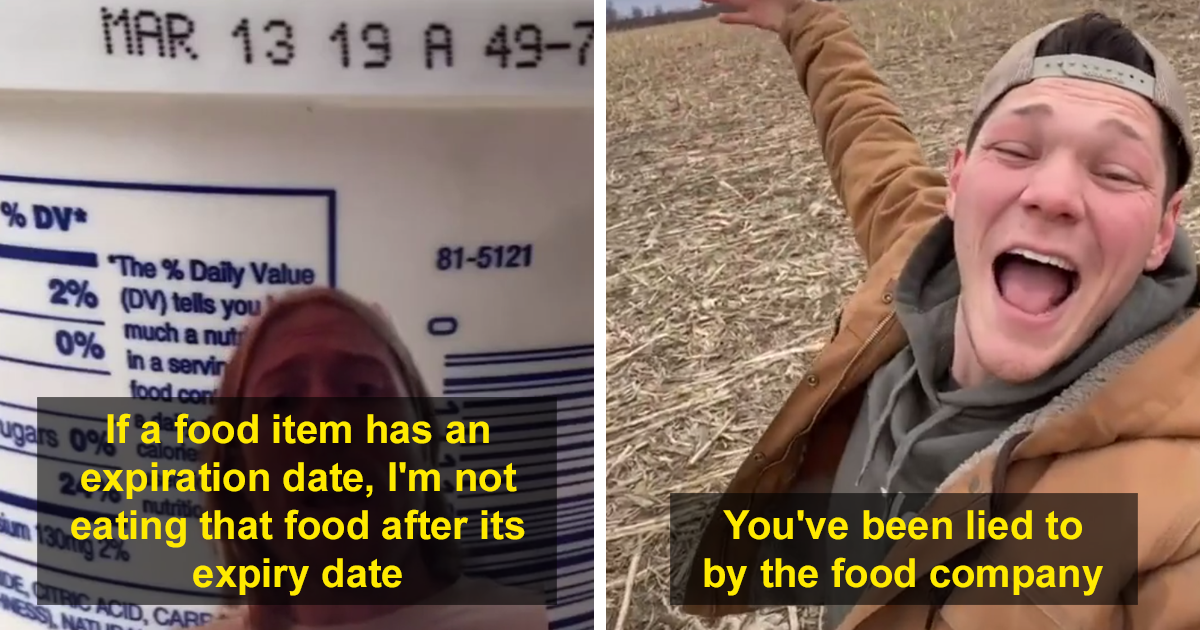
Somewhere between the dairy aisle and the back of the refrigerator, America developed a suspicious relationship with food dates. A carton of yogurt whispers “best by Tuesday,” and by Wednesday morning, perfectly normal people act like it has joined a tiny dairy rebellion. Into this confusion came a farmer’s blunt, practical reminder: most food “expiration dates” are not dramatic countdown clocks. They are often quality dates, not instant danger alarms.
The farmer’s point hit a nerve because it was simple: growers, ranchers, truck drivers, packers, grocers, and cooks put enormous effort into producing food, yet much of it gets tossed because a printed date looks scary. The tragedy is not just the wilted lettuce in the trash. It is the water, fuel, soil, labor, money, packaging, and time that went with it. Food waste is not a tiny kitchen problem; it is a farm-to-landfill problem wearing a refrigerator magnet as a hat.
Understanding food expiration dates can save money, reduce waste, and help families make smarter food safety decisions. The trick is learning the difference between food that is past peak freshness and food that is actually unsafe. Those are not the same thing, even though package labels often make them look like identical twins.
What the Farmer Was Really Trying to Explain
The viral farmer’s message was not “eat everything forever.” That would be terrible advice, and frankly, your fridge deserves better boundaries. The real message was this: many dates on food packages tell you when the manufacturer believes the product will taste, smell, or perform its best. They do not always tell you the exact moment food becomes dangerous.
For farmers, this is personal. A crop does not appear by magic because a supermarket ordered it. Tomatoes must be planted, irrigated, protected, picked, sorted, packed, shipped, displayed, and purchased. Milk comes from daily animal care, strict handling, refrigeration, testing, and transportation. Grains and canned goods represent months of growing and processing. Throwing food away only because a date passed yesterday can mean discarding the work of many people before the food ever had a fair chance.
That does not mean dates are useless. They can be helpful guides, especially for freshness and inventory. But they should be read with context, not panic. A “best if used by” date on crackers does not mean the crackers become tiny cardboard criminals at midnight. It usually means they may be less crisp or flavorful later. Meanwhile, a package of raw chicken left warm on the counter for hours can be risky even if the date still looks fine. Storage matters. Handling matters. Temperature matters. The date is only one clue.
Expiration Date, Best By, Sell By, Use By: What Do They Mean?
Food date labels can feel like a vocabulary quiz designed by a committee that missed lunch. “Sell by,” “best by,” “use by,” “freeze by,” “enjoy by”each phrase sounds official, but they do not all mean the same thing.
“Best By” or “Best If Used By”
This label usually refers to quality. It suggests when the product is expected to have its best flavor, texture, aroma, or overall performance. After that date, the food may still be edible if it has been stored correctly and shows no signs of spoilage. Think of cereal that is slightly less crunchy, spices that are less fragrant, or pasta that is still perfectly usable but has been sitting in the pantry long enough to qualify as a roommate.
“Sell By”
“Sell by” is mainly for retailers. It helps stores manage stock rotation so customers get fresh products. It is not a direct instruction for shoppers to throw the product away at home. Milk, eggs, meat, and other refrigerated foods still require careful handling, but the “sell by” date itself is not always the end of the story.
“Use By”
“Use by” often points to the last date recommended for peak quality. However, consumers should be more cautious with highly perishable refrigerated foods, ready-to-eat items, and foods served to people at higher risk of foodborne illness. Infant formula is the big exception: its date should be followed because quality and nutrient levels are tightly connected to the product’s intended use.
“Freeze By”
“Freeze by” means the product should be frozen by that date to preserve quality. Freezing does not make food immortal in the culinary sensefreezer burn is real and rudebut food kept continuously frozen at safe temperatures can remain safe for a very long time. Quality may decline, yet safety can remain intact if the food was frozen before spoilage and handled properly.
Why So Much Good Food Gets Thrown Away
Food waste often starts with confusion. Many shoppers see a printed date and assume it is a legal safety deadline. In the United States, date labeling is not as uniform as many people think. Federal rules do not create one simple nationwide meaning for every phrase on every food package, which leaves room for inconsistency. One company says “best by,” another says “enjoy by,” and a third sounds like it hired a poet to write “freshest before the moon sighs.”
This confusion leads to expensive habits. A family may toss bread that could become toast, bananas that could become banana bread, and vegetables that could become soup. The waste feels small item by item, but it adds up. On a national scale, wasted food means wasted farmland resources, wasted water, wasted energy, and more material sent to landfills.
There is also a psychological problem. Modern shoppers are trained to expect flawless food: apples without bruises, carrots shaped like carrots from cartoons, and lettuce that looks like it has never experienced weather. Farmers know nature is messier than that. A slightly imperfect peach can still be delicious. A carrot with a bend in it is not suspicious; it simply had an artistic phase underground.
How to Tell If Food Is Still Edible
The smartest approach combines date labels, proper storage, and common-sense inspection. Do not rely on one factor alone. A date can guide you, but your senses and food safety habits help complete the picture.
Look First
Check for mold, unusual discoloration, sliminess, swelling packages, leaking containers, or broken seals. A dented can is not always dangerous, but cans with deep dents, bulging ends, rust, leaks, or spurting liquid should be discarded. When food looks dramatically different from how it should look, trust the evidence.
Smell Next
Bad odors are a classic spoilage clue. Sour milk, rancid nuts, spoiled meat, and fermented leftovers often announce themselves without subtlety. If opening a container makes your eyebrows attempt to escape your face, that is useful information.
Feel the Texture
Texture matters. Slimy deli meat, mushy greens, sticky cooked grains, or oddly fizzy sauces can signal spoilage. Some changes are just quality loss, such as stale crackers or dry bread. Other changes suggest it is time to say goodbye with dignity.
When in Doubt, Be Careful
There is a classic kitchen saying: when in doubt, throw it out. That advice still matters for high-risk foods. The goal is not to become reckless. The goal is to stop throwing away safe, edible food only because a quality date has passed.
Foods That Often Last Past the Date
Some foods are more forgiving than others. Shelf-stable items usually have more flexibility if they are unopened, stored in a cool dry place, and free from damage or contamination.
Dry Pantry Staples
Rice, pasta, oats, flour, crackers, cereal, dried beans, and similar foods may remain usable after their printed date. Quality can decline: cereal may go stale, flour may lose freshness, and crackers may taste like they attended a very boring meeting. But if the package is intact, dry, pest-free, and smells normal, many pantry staples can still be used.
Canned Foods
Canned goods can last well beyond quality dates when stored properly. The key is can condition. Avoid cans that are bulging, leaking, badly rusted, or deeply dented around seams. A normal-looking can of beans past its best date may be fine for chili, soup, or a quick dinner rescue.
Frozen Foods
Frozen foods kept continuously at 0°F can remain safe indefinitely, although taste and texture decline over time. Freezer-burned vegetables may not win a beauty contest, but they can still work in soups, stews, casseroles, and sauces.
Bread
Bread is often usable after its date if it has no mold. Slightly dry bread can become toast, breadcrumbs, croutons, bread pudding, stuffing, or French toast. Moldy bread, however, should be discarded because mold can spread beyond what is visible.
Produce
Fresh fruits and vegetables rarely need a printed date to tell their story. A soft tomato can become sauce. Wilted herbs can become pesto. Overripe bananas are practically begging to become banana bread. Remove spoiled pieces quickly so they do not encourage neighboring produce to join the drama.
Foods That Require More Caution
Some foods deserve stricter handling. Raw meat, poultry, seafood, deli meats, soft cheeses, cut fruit, cooked leftovers, and ready-to-eat refrigerated meals can support harmful bacteria if stored too long or kept at unsafe temperatures. These foods should be kept cold, cooked properly, and used within recommended storage times.
Leftovers are a common trouble zone. A container of pasta from last week may look innocent, but refrigerated leftovers generally need a shorter timeline than dry pantry foods. Label leftovers with the date they were cooked, cool them quickly, store them in shallow containers, and avoid letting them linger until they become a science project with a lid.
Food safety is especially important for young children, older adults, pregnant people, and anyone with a weakened immune system. For these groups, it is wise to be more conservative with refrigerated ready-to-eat foods and higher-risk products.
Storage Is the Real Superpower
If date labels are the map, storage is the vehicle. A perfectly fresh product can become unsafe quickly if stored badly. A slightly older product can stay useful longer if stored well. Your refrigerator, freezer, pantry, and containers are not just kitchen furniture; they are food-preservation tools.
Keep the Refrigerator Cold
Your refrigerator should stay at 40°F or below. Store milk, eggs, meat, and leftovers in the colder main shelves rather than the refrigerator door, where temperatures fluctuate more. The door is better for condiments, drinks, and items that are less sensitive to temperature changes.
Use the Freezer Before Food Goes Bad
Freezing is one of the easiest ways to rescue food before it spoils. Freeze bread, cooked rice, shredded cheese, berries, chopped vegetables, sauces, soups, meat, and poultry before quality declines too far. Portion foods before freezing so future-you does not have to chisel one serving from an icy brick of stew.
Store Produce Correctly
Some produce belongs in the refrigerator; some does better at room temperature. Keep potatoes and onions in a cool, dark, ventilated place, but not together for long storage. Refrigerate leafy greens with a paper towel to absorb moisture. Keep berries dry until ready to eat. Separate ethylene-producing fruits, such as apples and bananas, from sensitive produce when possible.
Practice First In, First Out
Restaurants and farms use rotation for a reason. Put newer groceries behind older ones. Keep a “use first” bin in the fridge for items nearing their best quality. This tiny habit can save money without turning dinner into an accounting project.
The Farmer’s Mindset: Respect the Food Before You Toss It
A farmer’s view of food expiration is different because farmers see the full story. They know the muddy boots, early mornings, weather risks, machinery repairs, failed crops, animal care, labor shortages, fuel costs, and market pressure behind every item. A peach is not just a peach. It is a season of decisions.
That perspective does not mean consumers should eat unsafe food. It means we should pause before discarding food that is still edible. Ask better questions: Was it stored correctly? Is the package damaged? Does it smell normal? Is the texture acceptable? Could it be cooked, frozen, blended, toasted, or repurposed?
Many foods that look “past perfect” are still useful. Bruised apples can become applesauce. Soft berries can become smoothies. Vegetable stems can flavor broth. Stale bread can become croutons. Slightly tired carrots can come back to life in soup. The kitchen has more second chances than a sitcom character.
Practical Ways to Waste Less Food at Home
Plan Loosely, Not Perfectly
Meal planning does not need to be a color-coded spreadsheet. Before shopping, check the fridge, freezer, and pantry. Build meals around what you already have. If spinach is wilting, dinner is now omelets, pasta, soup, or stir-fry. Congratulations, the spinach has spoken.
Buy What You Can Actually Eat
Bulk deals are tempting, but a bargain is not a bargain if half of it becomes trash. Buying a giant bag of salad because it costs less per ounce only works if your household can eat a giant bag of salad before it becomes swamp confetti.
Create a Leftover Routine
Pick one night each week for leftovers. Call it “fridge cleanout night,” “buffet night,” or “mystery tapas” if morale needs help. Reheat safely, combine small portions, and turn odds and ends into bowls, wraps, fried rice, soups, or casseroles.
Label Your Own Food
Write the date on leftovers and freezer containers. Store-bought labels are often about quality, but your homemade labels tell you when something entered your kitchen timeline. Future-you will appreciate not having to sniff three identical containers while questioning every life choice.
of Real-Life Experience: What This Looks Like in an Everyday Kitchen
The best way to understand the farmer’s message is to picture a normal week at home. On Monday, you buy groceries with optimism. You bring home milk, eggs, spinach, chicken, yogurt, apples, bread, rice, and a heroic bundle of cilantro. By Thursday, life has happened. The chicken is cooked, the rice is leftover, the spinach looks slightly tired, and the cilantro has started acting like it has seen too much.
Old habits might send half of that food to the trash. A smarter approach turns it into meals. The cooked rice becomes fried rice with eggs and vegetables. The spinach goes into soup or scrambled eggs. The cilantro becomes a quick sauce with lime, garlic, oil, and a pinch of salt. Bread that is beginning to dry out becomes toast or breadcrumbs. Apples with small bruises get trimmed and simmered with cinnamon. Nothing fancy. Nothing dramatic. Just a kitchen refusing to waste food that still has a job to do.
This is where the farmer’s explanation becomes practical instead of theoretical. Food is not useless the moment it stops looking like an advertisement. Real food changes. Greens wilt. Bananas spot. Bread dries. Cheese edges harden. Herbs droop like tiny green poets. Some of those changes mean spoilage, but many simply mean the food needs a different use.
For example, a slightly soft tomato may not be ideal for a crisp salad, but it can become sauce. A few aging mushrooms can be cooked down with butter or oil and added to eggs, pasta, or rice. Yogurt near or slightly past its best date, if it smells and looks normal, can work in pancakes, marinades, smoothies, or dressings. Milk that smells sour should not be forced into breakfast, but milk that is still normal may be perfectly fine even near its date if it has been kept cold.
One useful household habit is the “rescue shelf.” Put foods that need attention in one visible area of the refrigerator. This prevents the classic tragedy of discovering a cucumber liquefying behind a jar of pickles. Another habit is the freezer pause button. If you know you will not eat something soon, freeze it while it is still good. Bread slices, cooked grains, soup, tomato paste, herbs in oil, shredded chicken, and ripe fruit all freeze well for later use.
The experience also changes how you shop. Instead of buying ingredients for an imaginary version of yourself who makes seven perfect dinners a week, buy for your real schedule. Choose two or three fresh items, some flexible pantry staples, and a few freezer backups. Farmers do not need us to become perfect. They need us to become more thoughtful.
In the end, food expiration wisdom is not about ignoring safety. It is about respecting food enough to understand it. Read the label, check the storage, use your senses, learn the risky categories, and give edible food a second chance. Your wallet wins. The landfill loses. And somewhere, a farmer gets to feel that the year of work behind your dinner was not treated like disposable confetti.
Conclusion
The farmer’s explanation about food expiration dates became popular because it challenged a habit many people never question. A printed date is useful, but it is not always a stop sign. In many cases, it points to quality, not safety. Learning the difference between “best by,” “sell by,” “use by,” and true spoilage can help households reduce food waste, save money, and make safer choices.
The smartest rule is balanced: do not throw food away automatically because a quality date passed, but do not gamble with foods that show spoilage signs or were stored unsafely. Respect the date, but also respect your eyes, nose, refrigerator temperature, freezer, and common sense. Food has a story before it reaches your plate. When we understand expiration labels, we waste less of that story.
Note: This article is written for general educational purposes. Food safety depends on storage temperature, handling, packaging condition, food type, and individual health risk. When a food looks spoiled, smells off, has unsafe packaging, or has been temperature-abused, discard it.