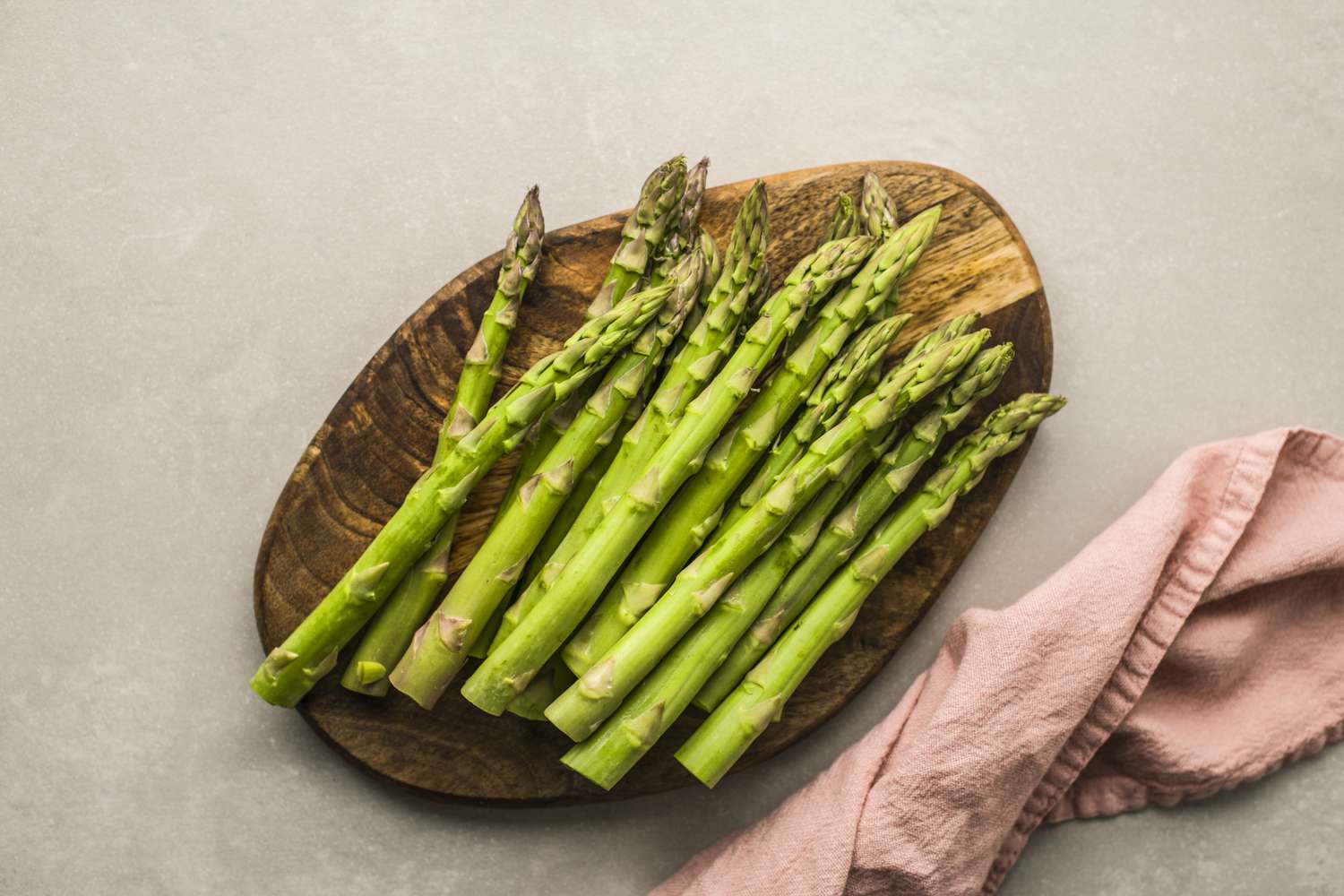
Asparagus is one of those spring vegetables that shows up looking elegant, expensive, and just a little smug. It stands upright in the produce aisle like it has a dinner reservation and knows the chef. But look closer and you will notice something interesting: not all asparagus is green. Some spears are creamy white, some are deep purple, and the familiar green ones range from pencil-thin to chunky enough to look like tiny vegetable batons.
So, what is the real difference between white, green, and purple asparagus? The short answer: color is not just decoration. Each type has a different growing story, flavor profile, texture, cooking personality, and best use in the kitchen. Green asparagus is the everyday classicgrassy, fresh, and versatile. White asparagus is the delicate, pale European favorite grown away from sunlight. Purple asparagus is the sweeter, flashier cousin that brings natural pigments and a mild, nutty flavor to the plate.
This guide breaks down the differences in a practical, food-loving way: how each type is grown, what it tastes like, how to cook it, when to peel it, and which one deserves a starring role in your next spring dinner.
What Makes Asparagus Different Colors?
All three colors usually come from the same botanical family, Asparagus officinalis, but the color differences happen because of growing conditions and plant pigments. Think of asparagus color as a mix of sunlight, genetics, and a little plant chemistrybasically the vegetable version of choosing between a beach vacation, a library basement, and a dramatic purple outfit.
Green Asparagus: Sunlight Does the Work
Green asparagus grows above ground and is exposed to sunlight. That sunlight allows the plant to produce chlorophyll, the pigment that makes plants green. Because green asparagus gets full exposure to light, it develops a brighter, grassier flavor and a firmer texture than white asparagus.
In the United States, green asparagus is the most common type. It is easy to find in grocery stores, farmers markets, and restaurant kitchens during spring, though imported asparagus can appear year-round. Its popularity comes from its versatility: roast it, grill it, sauté it, shave it raw, toss it into pasta, or serve it with eggs and lemon. Green asparagus is not picky. It just wants heat, salt, and a little respect.
White Asparagus: Grown in the Dark
White asparagus is not a separate vegetable trying to be mysterious. It is asparagus grown without sunlight. Farmers mound soil over the emerging spears or use covers to keep light away. Without sunlight, the spears do not develop chlorophyll, so they stay ivory or pale cream.
This growing method gives white asparagus a milder, more delicate flavor. It is especially popular in parts of Europe, where spring white asparagus season is practically a cultural holiday. In Germany, it is often called “white gold,” and people celebrate it with butter, hollandaise, potatoes, ham, and the kind of enthusiasm usually reserved for sports finals and bakery openings.
Because white asparagus grows underground or under cover, it often has a thicker, more fibrous outer layer. That means peeling is not optional. If green asparagus is a quick weeknight side dish, white asparagus is the guest who asks whether you ironed the tablecloth.
Purple Asparagus: The Color Comes From Anthocyanins
Purple asparagus gets its color from anthocyanins, natural plant pigments also found in foods such as red cabbage, blueberries, and purple potatoes. Unlike white asparagus, purple asparagus is not simply green asparagus hidden from the sun. It comes from purple cultivars, such as “Purple Passion,” that were bred for their color, tenderness, and sweeter flavor.
Purple asparagus is usually milder, nuttier, and sweeter than green asparagus. Some growers and food experts note that certain purple varieties contain more natural sugars than standard green types. That sweetness makes purple asparagus excellent raw, especially shaved into salads. The catch? When cooked for too long, purple asparagus often turns green. It is the vegetable equivalent of wearing a fabulous jacket and then taking it off the moment the party starts.
Flavor Differences: Which Asparagus Tastes Best?
The best asparagus depends on what you are cooking and what kind of flavor you prefer. Here is how the three compare.
Green Asparagus Flavor
Green asparagus has the boldest “asparagus” flavor: grassy, fresh, lightly earthy, and sometimes slightly bitter in a pleasant way. Thin green stalks tend to be tender and quick-cooking, while thicker stalks can be meatier and more satisfying when roasted or grilled.
Green asparagus works beautifully with lemon, garlic, olive oil, Parmesan, butter, eggs, salmon, chicken, pasta, risotto, and spring herbs. It can handle high heat and still taste lively. If you want asparagus that tastes like spring walked into the kitchen wearing clean sneakers, choose green.
White Asparagus Flavor
White asparagus is gentler. It tastes mild, slightly sweet, delicate, and sometimes faintly nutty or pleasantly bitter. Because it has been grown without sunlight, it does not have the same green, grassy edge as regular asparagus.
White asparagus is often served simply because its charm is subtle. Boiled potatoes, melted butter, hollandaise, soft-cooked eggs, herbs, lemon, and ham are classic partners. It is not the type of vegetable you bury under heavy sauce unless you enjoy paying premium prices to hide your groceries.
Purple Asparagus Flavor
Purple asparagus is the sweetest of the three. It has a mild, nutty flavor and can taste less grassy than green asparagus. The sweetness makes it especially appealing to people who think regular asparagus is too earthy.
Raw purple asparagus is a standout in salads because it keeps its color and crunch. Slice it thinly with a vegetable peeler, toss it with lemon juice, olive oil, salt, shaved cheese, toasted nuts, or berries, and suddenly your salad looks like it went to art school.
Texture Differences: Tender, Fibrous, or Crisp?
Texture is where the difference between white, green, and purple asparagus becomes especially important.
Green Asparagus Texture
Green asparagus can be crisp-tender, snappy, or tender depending on thickness and cooking time. Thin spears cook quickly and are great for sautés, stir-fries, and raw shaving. Medium spears are the most flexible. Thick green spears are excellent roasted, grilled, or broiled because they develop browned edges while staying juicy inside.
Most green asparagus does not need peeling. However, very thick spears may benefit from peeling the lower portion to remove any tough outer skin.
White Asparagus Texture
White asparagus is usually thicker and more fibrous on the outside. The inner flesh can be tender and silky, but only if the tough peel is removed. This is the number one rule of white asparagus: peel it generously from just below the tip down to the base.
White asparagus also needs to be cooked until fully tender. Green asparagus is often best with a little bite, but white asparagus can taste woody or unfinished if undercooked. Simmering, steaming, and gentle roasting work especially well.
Purple Asparagus Texture
Purple asparagus is often tender, crisp, and less fibrous than thick white asparagus. It can be eaten raw more easily than many green or white spears. When cooked lightly, it stays pleasant and juicy, though the purple color may fade. For the best color, cook it quickly or serve it raw.
Nutrition: Is One Color Healthier?
All asparagus is a nutritious, low-calorie vegetable that can contribute fiber, folate, potassium, and several vitamins. The exact nutrient profile varies by variety, growing conditions, freshness, and preparation, but green, white, and purple asparagus are all smart additions to a balanced diet.
Green asparagus may have more chlorophyll-related plant compounds because it grows in sunlight. Purple asparagus stands out because of anthocyanins, the pigments responsible for its purple color. White asparagus, while pale, is still a nutritious vegetable; it simply lacks the chlorophyll that gives green asparagus its color.
The practical takeaway is simple: do not choose asparagus by color alone if your goal is health. Choose the one you will actually eat and enjoy. A plate of roasted green asparagus beats a forgotten bundle of fancy white asparagus slowly aging in the refrigerator like a tiny vegetable ghost.
How to Buy the Best Asparagus
Good asparagus should look fresh, firm, and lively. Avoid spears that are limp, wrinkled, slimy, or strongly sour-smelling. The tips should be tight and compact, not mushy or flowering open.
Buying Green Asparagus
Choose bright green stalks with firm stems and closed tips. The cut ends should look moist, not dried out. Thin stalks are not automatically better than thick ones; they are simply better for different uses. Thin spears cook fast. Thick spears are excellent for grilling and roasting.
Buying White Asparagus
Look for straight, firm, creamy white spears with closed tips. Avoid spears with dry ends, bruising, or too much purple or green discoloration if you want the classic white asparagus experience. Because fresh white asparagus is less common in many U.S. stores, buy it when you see it in season and use it quickly.
Buying Purple Asparagus
Choose deeply colored purple spears with firm stems and tight tips. Since color is part of the appeal, skip bunches with dull, faded, or bruised stalks. Purple asparagus is often seasonal and may appear at farmers markets, specialty grocers, or well-stocked produce sections.
How to Store Asparagus So It Stays Fresh
Asparagus deteriorates quickly after harvest, so storage matters. The best simple method is to trim a small amount from the ends, stand the spears upright in a jar with about an inch of water, loosely cover the tops with a plastic bag, and refrigerate. This keeps the stalks hydrated, almost like a bouquet. A bouquet you can roast, which is frankly better than flowers in some households.
Use asparagus within a few days for the best flavor and texture. White asparagus is especially time-sensitive because its delicate flavor and texture fade quickly. Purple asparagus should also be used promptly if you want the brightest color.
How to Cook Green, White, and Purple Asparagus
Each type of asparagus has a best cooking style. You can swap them in many recipes, but small adjustments make a big difference.
Best Ways to Cook Green Asparagus
Green asparagus loves high heat. Roasting at a hot temperature brings out sweetness and adds browned edges. Grilling adds smoke and char. Sautéing works well for quick weeknight meals. Steaming is clean and simple, especially if you want a lighter side dish.
For an easy green asparagus side, toss trimmed spears with olive oil, salt, and pepper. Roast until crisp-tender, then finish with lemon juice and Parmesan. It is simple, fast, and tastes like you tried harder than you did.
Best Ways to Cook White Asparagus
White asparagus needs peeling and patient cooking. Trim the woody ends, peel from below the tip to the base, then simmer or steam until fully tender. Many cooks add a little salt, butter, sugar, or lemon to the cooking water, depending on tradition and taste.
Serve white asparagus with melted butter, hollandaise, potatoes, eggs, herbs, or mild cured ham. Keep the flavors gentle so the asparagus can shine.
Best Ways to Use Purple Asparagus
Purple asparagus is wonderful raw. Shave it thinly into salads, slice it on a bias for vegetable platters, or pair it with citrus, goat cheese, almonds, or herbs. If cooking, use quick methods: a fast sauté, brief blanch, or hot grill. Long cooking turns the purple color green, though the flavor remains delicious.
Quick Comparison Table
| Type | Color Source | Flavor | Texture | Best Uses |
|---|---|---|---|---|
| Green asparagus | Chlorophyll from sunlight | Grassy, fresh, earthy | Snappy to tender | Roasting, grilling, sautéing, pasta, eggs |
| White asparagus | Grown without sunlight | Mild, delicate, slightly sweet | Fibrous outside, tender inside when peeled | Steaming, simmering, hollandaise, butter, potatoes |
| Purple asparagus | Anthocyanin pigments | Sweet, mild, nutty | Tender and crisp | Raw salads, quick sautés, grilling, colorful sides |
Which Asparagus Should You Choose?
Choose green asparagus when you want an affordable, versatile, easy-to-find vegetable. It is the best all-purpose choice and works in nearly every asparagus recipe.
Choose white asparagus when you want something delicate, seasonal, and a little luxurious. It requires more prep, but the flavor is soft and elegant when handled correctly.
Choose purple asparagus when you want sweetness, color, and a tender raw option. It is perfect for salads, spring boards, and dishes where appearance matters as much as flavor.
If you are serving asparagus to someone who says they do not like asparagus, purple may be the surprise winner because it is sweeter and less grassy. If you are cooking for asparagus lovers, green spears roasted until browned are hard to beat. If you want a classic European spring meal, white asparagus with butter or hollandaise is the move.
Common Mistakes to Avoid
Overcooking the Spears
Overcooked asparagus turns limp, dull, and sad. Green and purple asparagus usually taste best when cooked just until tender. White asparagus is the exception: it needs to be fully tender, but not boiled into surrender.
Forgetting to Peel White Asparagus
White asparagus almost always needs peeling. Skipping this step can leave you with a stringy, chewy outside that distracts from the delicate center.
Assuming Thin Is Always Better
Thin asparagus is not automatically superior. Thick spears can be juicy, flavorful, and excellent for roasting or grilling. The best choice depends on the recipe.
Cooking Purple Asparagus Too Long
If you want to keep the purple color, avoid long cooking. Serve it raw or cook it quickly. If it turns green, do not panic. It is still asparagus, not a failed science project.
Conclusion
The difference between white, green, and purple asparagus comes down to sunlight, pigments, flavor, texture, and cooking style. Green asparagus grows in the sun, develops chlorophyll, and offers a fresh, grassy flavor that fits almost any meal. White asparagus is grown away from sunlight, giving it a pale color, delicate taste, and a fibrous peel that needs removing. Purple asparagus gets its dramatic color from anthocyanins and brings a sweeter, nuttier flavor that shines raw or lightly cooked.
There is no single “best” asparagus. Green is the dependable classic, white is the elegant seasonal treat, and purple is the colorful sweet talker. The smartest choice is the one that matches your dish: green for roasting, white for butter and hollandaise, purple for salads and quick cooking. Buy fresh spears, store them upright with moisture, trim or peel as needed, and cook them with care. Do that, and asparagus will reward you with one of spring’s simplest pleasures.
Experience Notes: What Cooking Three Colors of Asparagus Teaches You
The first thing you notice when working with green, white, and purple asparagus side by side is that they behave like three different personalities at the same dinner table. Green asparagus is the reliable friend who shows up on time, brings snacks, and gets along with everyone. It is easy to trim, easy to season, and forgiving enough for busy weeknights. A hot sheet pan, olive oil, salt, pepper, and lemon can turn green asparagus into a side dish that disappears before the main course has settled in. It is also the easiest type to pair with bold flavors. Garlic, chili flakes, Parmesan, balsamic glaze, miso butter, and crispy breadcrumbs all work well because green asparagus has enough character to stand up for itself.
White asparagus feels more ceremonial. The prep process slows you down, which is not necessarily a bad thing. Peeling each spear reminds you that some ingredients need patience before they become delicious. When cooked properly, white asparagus has a soft, almost buttery texture and a gentle flavor that does not shout. It is best on a quiet plate: boiled potatoes, melted butter, perhaps a soft egg or a spoonful of hollandaise. If green asparagus is a weeknight playlist, white asparagus is chamber music. It asks you to pay attention.
Purple asparagus is the fun one. Raw, it looks gorgeous in salads and tastes sweeter than expected. Shaving it into ribbons with a vegetable peeler is one of the easiest ways to make a dish look restaurant-level without doing restaurant-level work. Add lemon juice, olive oil, toasted almonds, herbs, and a little cheese, and you have a salad that feels fresh, colorful, and confident. The only slightly disappointing moment comes when purple asparagus hits heat for too long and turns green. But even then, it still tastes good, so the drama is mostly visual.
In everyday cooking, the biggest lesson is to match the asparagus to the moment. For a fast dinner, green asparagus is the practical champion. For a spring celebration or a dish that feels special, white asparagus is worth the extra peeling. For a salad, appetizer board, or colorful brunch plate, purple asparagus brings sweetness and style. Once you understand these differences, asparagus stops being just “that green spear vegetable” and becomes a flexible ingredient with options. It can be crisp, silky, sweet, grassy, delicate, elegant, or playful. Not bad for a vegetable that looks like it was designed by a minimalist architect.