Let’s be honest: most newsletters arrive in your inbox like a raccoon at midnight. They mean well, but they knock over a few trash cans, leave a mess, and somehow expect gratitude. A great SaaS newsletter does the opposite. It helps busy founders, operators, marketers, and revenue leaders get smarter in a few minutes without feeling like they just lost a fight with twelve tabs and a cold cup of coffee.
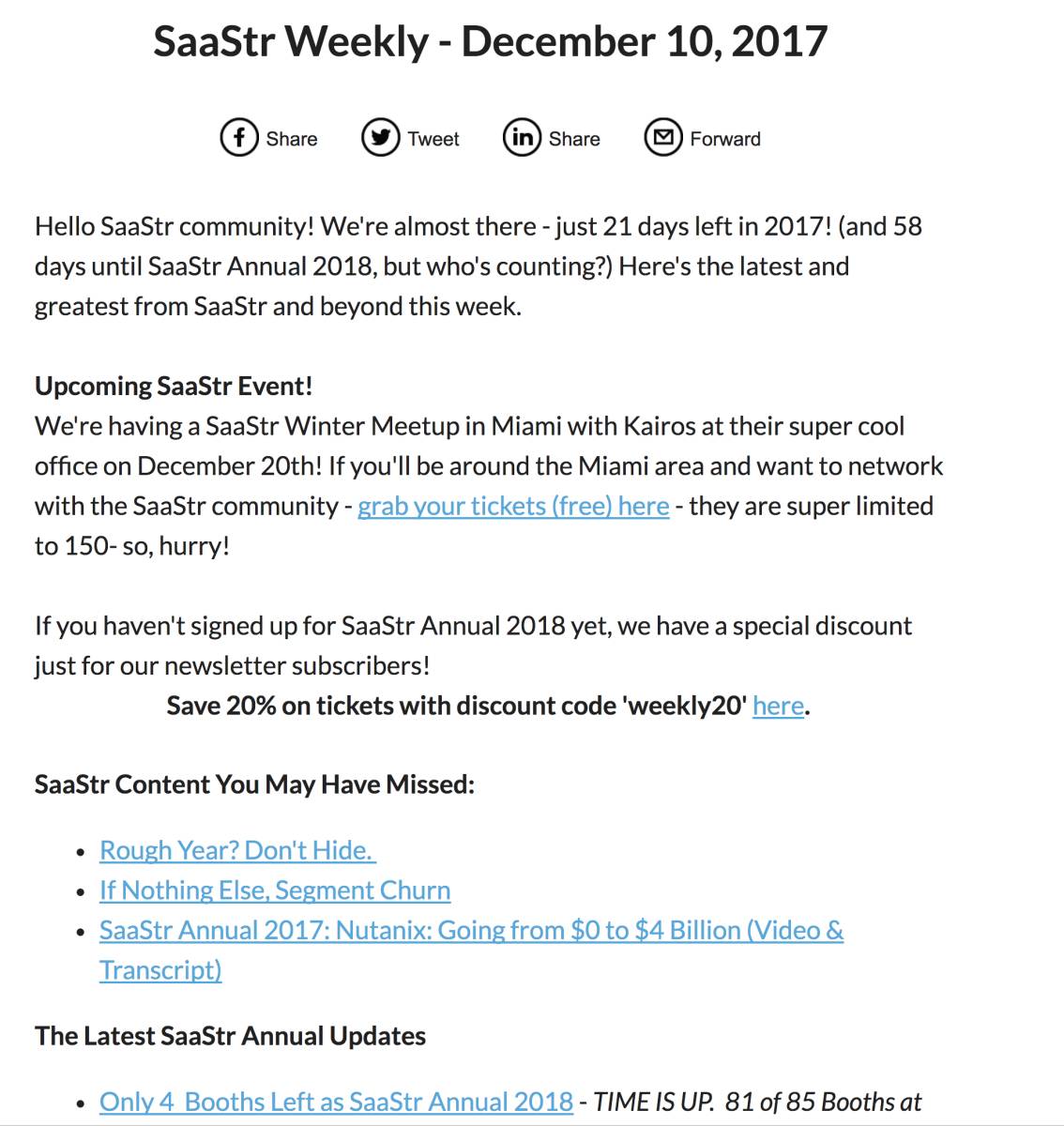
That is why the updated SaaStr Weekly newsletter matters. When a trusted brand like SaaStr improves its newsletter, it is not just changing fonts or moving buttons around like office furniture during a minor identity crisis. It is signaling something more important: the inbox has become one of the best places to build a direct relationship with a professional audience. For startup leaders, that matters a lot. For content marketers, it matters even more. And for readers? It means the email is finally worth opening before the fifteenth “quick follow-up” from someone who absolutely is not following up quickly.
The new version feels better because it appears to understand a simple truth about modern B2B content: readers do not want more noise. They want sharper curation, cleaner presentation, stronger relevance, and a reason to keep coming back. In other words, they want an email that respects their time and still teaches them something useful before the next Zoom call starts pretending it could have been an email.
Why the New SaaStr Weekly Newsletter Feels Better
The phrase “much better” sounds casual, but in newsletter land, it carries serious weight. A better newsletter is not just prettier. A better newsletter is more valuable. It creates a tighter connection between brand and reader. It organizes information more clearly. It gives subscribers something they cannot easily get by scrolling social media, checking a homepage, or being attacked by ten browser tabs at once.
That is where the newer SaaStr newsletter clearly wins. It feels more intentional. Instead of functioning like a simple blog-post delivery system, it reads more like a curated weekly briefing for people who live in the world of SaaS, startups, sales, growth, product, and fundraising. That difference is huge. A “here are some links” email is fine. A “here is what matters this week, why it matters, and what you should read first” email is useful. Useful wins. Useful always wins.
It Moves From Distribution to Curation
Old-school newsletters often behaved like conveyor belts. New post? Toss it in. New video? Throw that in too. Event update? Sure, squeeze it between two headlines and hope for the best. But a modern founder newsletter needs more editorial judgment than that. Readers are not subscribing because they lack access to content. They are subscribing because they want someone smart to reduce the chaos.
That is exactly why a curated weekly format feels stronger. It creates hierarchy. It suggests what deserves attention now, what can wait, and what is uniquely helpful. In the SaaS world, where every founder is one screenshot away from launching a hot take on pricing, distribution, AI, PLG, SLG, or “the death of outbound,” curation is not a luxury. It is survival.
It Offers More Than Recycled Posts
A stronger B2B newsletter also gives readers reasons to stay subscribed beyond simple content summaries. That can include exclusive insights, discounts, event perks, bonus videos, or handpicked links that do not appear everywhere else. This matters because readers are not just evaluating content quality. They are evaluating membership value. If the email feels like an insider pass rather than a recycled content shovel, loyalty goes up fast.
For SaaStr, this is especially smart. The brand is not only a blog. It is also a community, an event machine, a thought-leadership platform, and a giant meeting point for founders, operators, executives, and investors. A good newsletter can tie all of that together beautifully. It can connect content with events, events with community, and community with habit. That is a powerful flywheel.
What Actually Makes a SaaS Newsletter Better?
The answer is not “more content.” That is how newsletters become digital junk drawers. A better startup newsletter usually improves in five core areas: clarity, relevance, consistency, design, and distinctiveness.
1. Clarity: Less Clutter, More Signal
Clean structure matters. A reader should be able to skim the newsletter in seconds and still understand the main takeaways. Strong sectioning, bold headlines, short intros, and visible calls to action make the content feel manageable. This is especially important for busy executives reading on mobile between meetings, in Ubers, or while pretending to listen on mute. Clarity lowers friction. Lower friction means more engagement.
And yes, design plays a role here. Not flashy design. Not “we hired three consultants and now the button looks expensive” design. Clean design. Readable design. Mobile-friendly design. Design that says, “Relax, we’re not going to make you work for the information.”
2. Relevance: Speak to the Reader’s Actual Problems
The best weekly newsletter content is tightly aligned with the audience. In SaaStr’s case, that audience is not random internet wanderers. It is people building, buying, selling, or scaling software. So the newsletter becomes stronger when it focuses on things that are useful in that exact context: hiring, go-to-market strategy, customer success, fundraising, pricing, AI implementation, pipeline management, retention, and operational lessons from real companies.
That focus matters because broad content is forgettable. Narrowly useful content gets forwarded. And in email, a forward is gold. It means a reader did not just consume the content. They endorsed it. That is how newsletter brands spread inside companies, founder groups, private Slack channels, and group chats where someone inevitably says, “This is actually worth reading.”
3. Consistency: Trust Is Built on Rhythm
One of the biggest reasons improved newsletters outperform flashy ones is simple consistency. Readers like knowing what kind of value they will get and when they will get it. Weekly is often the sweet spot for a professional audience. Daily can be great for news-heavy products, but for many SaaS readers, weekly feels more sustainable and more thoughtful. It gives the publisher time to curate well and gives the reader time to absorb without fatigue.
Consistency also shapes tone. Over time, a newsletter can become familiar in the best way. The reader knows the rhythm, the style, and the editorial standard. That familiarity builds trust, and trust is the currency of inbox attention.
4. Distinctiveness: A Real Voice Beats Generic Excellence
The inbox is crowded with competent mediocrity. Plenty of newsletters are “fine.” They are polished. They are optimized. They are forgettable. The ones that grow are the ones with a recognizable point of view. That is part of why founder-led or operator-led newsletters often feel stronger than corporate ones. They sound like a person, not a committee that was legally forbidden from using a personality.
SaaStr has always benefited from a direct, opinionated, practical tone. When that tone is carried into a cleaner weekly format, the result is better than a generic roundup because it feels like a briefing from someone with pattern recognition, scars, and a few useful opinions earned the hard way.
5. Utility: Give Readers Something to Do Next
Great newsletters do not just inform; they move readers forward. A piece of advice, a framework, a recommended session, a useful interview, a tactical article, a discount to an event, a sharper point of view, or even one excellent question to bring back to the team can make the entire email worth it. That is the standard. Not “did we send something?” but “did the reader leave smarter?”
Why This Matters for Founders, Operators, and SaaS Teams
The beauty of a better SaaStr Weekly newsletter is that it saves time without feeling shallow. That is rare. Many business newsletters are either too fluffy or too dense. One reads like marketing pudding. The other reads like a white paper that lost a bet. The sweet spot is practical depth delivered with enough brevity that people actually finish it.
For founders, that means faster pattern recognition. You do not need twenty hours to understand what other SaaS leaders are seeing in hiring, growth, customer retention, or AI. You need the right stories and takeaways selected for you. For operators, a better newsletter becomes continuing education without the tuition bill. For marketers and media teams, it becomes a case study in how to turn content into habit.
There is also a strategic lesson here: email is owned audience. Social reach can wobble. Search can fluctuate. Algorithms can wake up in a bad mood and decide your content belongs in a cave. But a good email list is direct. It is permission-based. It is durable. When a brand improves its newsletter, it is strengthening one of the few channels it truly controls.
The Bigger B2B Lesson: Inbox Quality Beats Content Volume
The rise of modern newsletters has taught publishers and brands something important: people do not hate email. They hate bad email. They hate vague email, bloated email, lazy email, me-me-me email, and “we thought you’d find this interesting” email that clearly nobody thought about for more than six seconds.
But readers do love newsletters that are brief, useful, relevant, and human. They love content that helps them look smarter in meetings. They love summaries that reduce research time. They love insider access, curation, and editorial confidence. They love writing that sounds like a person with a pulse. That is why the best newsletters in media and B2B are not just content containers. They are products.
In that sense, the improved SaaStr newsletter fits a much larger trend. The strongest newsletters today do at least one of three things exceptionally well: they filter information, interpret information, or package value in a way that makes belonging feel worthwhile. When a newsletter can do all three, it stops being just another email and starts becoming a routine.
How the New SaaStr Weekly Newsletter Avoids Common Newsletter Mistakes
Bad newsletters often fail in predictable ways. They are too long without structure. Too broad without focus. Too promotional without enough insight. Too frequent without enough value. Or too designed, in the same way a restaurant menu can be so beautiful you still cannot find the sandwich.
The newer SaaStr approach feels stronger because it appears to avoid those traps. It is more curated. It is more focused. It delivers more obvious subscriber value. It better reflects the broader SaaStr ecosystem rather than acting as a raw feed of content updates. In practical terms, that means the newsletter feels less like a notification and more like a publication.
That distinction matters. Notifications are easy to ignore. Publications earn a place in your routine.
If You Run a Newsletter, Here’s What to Steal
No shame here. Smart marketers borrow patterns. The trick is borrowing principles, not costumes. If you want your own email newsletter to become much better, here are the lessons worth stealing:
- Curate hard. Do not dump everything in. Pick the few things that matter most.
- Write for one audience. If you are talking to everyone, you are helping no one.
- Make mobile reading effortless. Short sections, clean hierarchy, readable spacing.
- Offer subscriber-only value. Give readers a reason to stay on the list.
- Keep a reliable cadence. A newsletter is a habit product, not a random act of publishing.
- Sound like a person. Professional does not have to mean personality-free.
- Measure what matters. Replies, forwards, click depth, retention, and brand lift matter more than vanity applause.
In other words, do not try to be louder. Try to be more useful. The inbox rewards usefulness far more than enthusiasm in a branded polo shirt.
Conclusion: Better Because It Understands the Job
The new SaaStr Weekly newsletter is much better because it appears to understand the actual job of a modern SaaS newsletter. That job is not to dump links into an inbox and call it strategy. It is to deliver timely, relevant, curated, and distinct value to an audience that is busy, skeptical, and allergic to fluff.
When a newsletter becomes cleaner, more curated, more exclusive, and more aligned with what readers actually need, it stops being background noise. It becomes part of how people learn. Part of how they stay current. Part of how they make better decisions. That is what better looks like.
And in the crowded world of SaaS content, “better” is not a cosmetic upgrade. It is the difference between being opened, skimmed, saved, forwarded, remembered, and maybe even trusted. Which, in email terms, is basically a standing ovation without the inconvenience of standing.
Reader Experience: What It Feels Like When a Founder Newsletter Finally Gets Good
If you have spent any time in the startup world, you already know the ritual. You subscribe to a promising newsletter because you want sharper insights on SaaS growth, fundraising, sales, product, or customer success. For the first week, you are optimistic. By week three, the emails start blending together. By week five, the whole thing has become a digital casserole of links, buzzwords, and “thought leadership” so generic it could have been written by a whiteboard.
That is why a noticeably better weekly newsletter feels so refreshing. The experience changes immediately. You open it and do not feel trapped. You do not have to decode the structure. You do not need a map, a translator, and a recovery snack. You can glance at the top, understand the key themes, and decide where to dive deeper. That alone is a huge upgrade. Good newsletter design is not decoration. It is stress reduction.
There is also a psychological shift when the content feels curated instead of dumped. As a reader, you start trusting the editor a little more. You think, “Okay, someone actually looked at this before sending it.” That trust is powerful. It saves energy. You stop wondering whether the email is worth your time because the format itself has already done some of the filtering for you. In a workday full of interruptions, that tiny burst of confidence matters more than marketers sometimes realize.
A better SaaS newsletter also feels more companionable. Not in a cheesy “we’re best friends now” way, but in a practical, professional way. It becomes the email you open because it consistently helps you orient yourself. Maybe it gives you one smart piece on pricing, one solid lesson on hiring, one useful clip from an operator, and one event update you actually care about. Suddenly the newsletter is not another obligation. It is a shortcut to staying sharp.
That is especially true for founders and operators who are constantly context-switching. One minute you are in pipeline review, the next minute you are discussing churn, then AI strategy, then hiring, then customer onboarding, then whether your team really needed six dashboards to explain one problem. In that environment, a high-quality weekly newsletter becomes a form of compression. It condenses the most useful ideas into a format you can consume while drinking coffee, walking to a meeting, or pretending your camera issue is “still weird today.”
The best part is that better newsletters create momentum. You begin to look for them. You remember them. You forward them to a coworker with a note like, “This section on onboarding is worth reading.” You might bookmark one piece for later or pull a discussion point into your next team meeting. That is real impact. Not just attention, but application.
And that is why the phrase “much better” matters so much in this context. When a newsletter improves, the reading experience improves. The mental effort drops. The usefulness rises. The brand feels sharper. The subscriber feels smarter. Everybody wins, except maybe the random unread emails sitting nearby wondering why they never became this interesting.