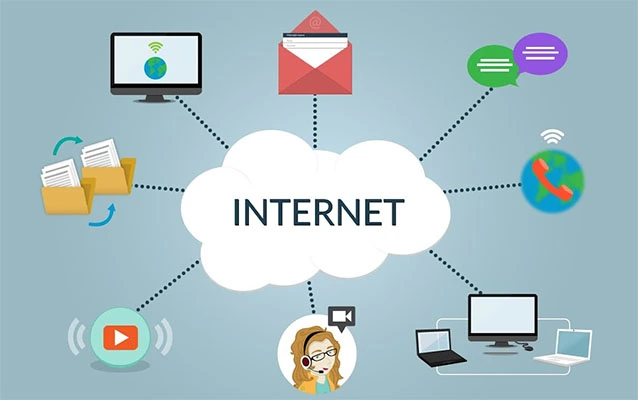
Imagine this article as a photo essay. No dramatic violin music, no shadowy lab coats, no “my cousin’s barber saw a video” energy. Just a sequence of everyday scenes showing how vaccine disinformation travels, why it works, and how ordinary people can stop it before it turns a group chat into a tiny epidemiological wildfire.
Vaccine disinformation is not just “bad information.” It is false or misleading content about vaccines that is created or shared in ways that confuse people, weaken trust, and sometimes cause real-world harm. Misinformation may be shared by someone who genuinely believes it. Disinformation is more deliberate: it is designed to mislead. Either way, the result can be the same. A parent hesitates. A patient delays. A community becomes more vulnerable to measles, flu, COVID-19, RSV, whooping cough, or other vaccine-preventable diseases.
The good news? False claims may spread quickly, but truth has tools too. Clear visuals, patient conversations, trusted messengers, and a little digital hygiene can make a huge difference. Think of this as a practical, human guide to spotting vaccine rumors, responding without starting Thanksgiving-level combat, and building a healthier information environment.
Picture 1: The Phone Buzzes Before Breakfast
The story begins with a familiar scene: someone is drinking coffee, scrolling through social media, and suddenly sees a post claiming that vaccines “destroy immunity,” “change DNA,” or “hide dangerous ingredients.” The post has bold red text, a crying emoji, and a caption that says, “They don’t want you to know this.” Ah yes, the official slogan of suspicious screenshots everywhere.
This is how vaccine disinformation often enters daily life: not as a formal argument, but as a dramatic image, a short video, a meme, or a personal-sounding story. It may use scientific language without scientific context. It may show a graph without explaining where the numbers came from. It may claim that a government database “proves” vaccines are unsafe while ignoring how that database actually works.
The first rule is simple: emotional content deserves a pause. If a post makes you feel panicked, furious, superior, or instantly certain, do not share it yet. The faster your thumb wants to hit “send,” the more your brain should tap the brakes.
Picture 2: The Cropped Graph That Looks Very Official
One common trick is the official-looking chart. It may include medical words, scary percentages, or a screenshot from a safety reporting system. The problem is not always that the image is fake. Sometimes the image is real but stripped of context.
For example, vaccine safety systems in the United States collect reports of health events that happen after vaccination. That does not automatically mean the vaccine caused the event. If someone eats toast and then gets a headache, toast is not immediately guilty. It may be suspiciously delicious, but it is not automatically the culprit.
Real vaccine safety monitoring uses multiple systems, including early warning reports, large healthcare databases, active surveillance, clinical review, and ongoing research. Scientists look for patterns, compare risks, investigate signals, and update recommendations when evidence calls for it. That process is slower than a viral post, but it is much better at separating coincidence from causation.
Picture 3: The Waiting Room Conversation
Now picture a pediatrician’s office. A parent says, “I saw online that the MMR vaccine causes autism. Is that true?” This question is not foolish. It is a human question from someone trying to protect a child. The correct response is not eye-rolling, sarcasm, or a lecture delivered at the speed of a prescription printer.
A better answer starts with respect: “I understand why that would worry you.” Then comes the fact: the claim that the MMR vaccine causes autism has been repeatedly studied and not supported by credible scientific evidence. The original claim that fueled this fear was based on deeply flawed and discredited work, yet the rumor survived because fear has excellent Wi-Fi.
Healthcare professionals often recommend a “truth sandwich” approach: begin with the accurate information, briefly name the false claim without repeating it too much, and then return to the accurate information. In plain English: lead with truth, correct the myth, end with truth. The human brain remembers first impressions and repeated messages, so do not let the false claim be the star of the show.
Picture 4: The Family Group Chat Goes Sideways
Every family group chat has a personality. One person posts baby photos. One sends recipes. One replies “OK” to everything. And one person occasionally drops a vaccine conspiracy link like a raccoon releasing chaos into a kitchen.
When vaccine disinformation appears in private chats, the goal is not to “win.” The goal is to reduce harm. A useful response might be: “I looked into this, and that claim leaves out important context. Vaccine safety is monitored through several systems, and doctors recommend vaccines because the benefits are well established for preventing serious disease.”
Keep the tone calm. Ask where the claim came from. Share a simple explanation. Suggest speaking with a healthcare professional. If the conversation gets heated, step back. You are not required to turn a group chat into a courtroom drama with aunties.
Picture 5: The Myth With a Tiny Grain of Truth
The most persuasive disinformation often contains a tiny grain of truth wrapped in a giant burrito of nonsense. For example, it is true that vaccines, like all medical products, can have side effects. It is also true that serious adverse events are monitored carefully. But disinformation may twist that into “vaccines are secretly dangerous and nobody is checking.” That is false.
Most vaccine side effects are mild and temporary, such as soreness, fever, fatigue, or a headache. Rare risks can happen, and public-health agencies track them. Honest communication should never pretend risk is zero. Instead, it should compare risks clearly: the risk from a disease is often far greater than the risk from the vaccine that helps prevent it.
This matters because people trust messengers who are honest about uncertainty. Saying “nothing bad ever happens” sounds like salesmanship. Saying “here is what we know, here is what is rare, here is how safety is monitored, and here is why vaccination is recommended” sounds like medicine.
Picture 6: The School Notice About Measles
Picture a school email: “A measles exposure has been reported.” Suddenly, vaccine disinformation is no longer theoretical. Measles is not just a rash with better public relations than it deserves. It is highly contagious and can cause pneumonia, brain swelling, hospitalization, and death. Two doses of the MMR vaccine provide strong protection against measles, which is why high vaccination coverage matters so much in schools and communities.
When vaccination rates fall, diseases that had become rare can return. This is the part of the photo essay where the image becomes less digital and more real: a waiting room, a worried parent, a missed week of school, an infant too young to be fully vaccinated, or an immunocompromised neighbor relying on community protection.
Vaccine disinformation is not only an individual problem. It is a community problem. The person who skips a vaccine because of a false post may unknowingly increase risk for others who cannot be vaccinated or who do not respond fully to vaccines.
Picture 7: The Influencer in a White Coat
Some disinformation wears a costume. It may come from someone using medical props, scientific jargon, or impressive credentials outside their actual expertise. A person can sound confident and still be wrong. Confidence is not evidence. A ring light is not a peer-reviewed journal.
Before trusting vaccine claims, check the source. Is it a recognized medical organization, public-health agency, hospital, university, or licensed clinician working within their field? Does the claim link to high-quality evidence, or does it rely on dramatic anecdotes? Is the person selling supplements, subscriptions, “detox” kits, or secret knowledge? When a post scares you and then sells you something, your skepticism should stretch, hydrate, and report for duty.
Quick Source Check
Ask three questions before sharing vaccine content: Who made this? What evidence do they provide? What do independent medical sources say? If the answer is “a guy with 11 skull emojis in his username,” perhaps do not make him your family’s immunization consultant.
Picture 8: The Better Infographic
Because the title promises a story in pictures, let’s talk about visuals that help instead of harm. A good vaccine infographic does not drown readers in tiny text. It explains one idea at a time. It uses plain language. It names the disease, the vaccine, the benefit, and the action step.
For example, a useful image might say: “Two MMR doses help protect against measles. Measles spreads easily through the air. Ask your healthcare provider if your family is up to date.” That is clear, practical, and not trying to win an Oscar for Most Terrifying Font.
Public-health visuals should also show real people: parents, grandparents, nurses, teachers, students, and neighbors. Vaccine confidence is not built only with statistics. It is built with trust, familiarity, and the feeling that the message was made for humans, not for a government brochure that got lost in a beige hallway.
Picture 9: The Comment Section Fire Drill
Comment sections can turn vaccine conversations into digital dodgeball. Still, they are not hopeless. If you choose to respond, keep it short and useful. Long replies full of technical terms often do not persuade people who are already overwhelmed.
Try this structure: acknowledge, correct, redirect. For example: “I get why that sounds alarming. That post confuses reports after vaccination with proof that vaccination caused the event. Vaccine safety experts investigate patterns using multiple systems. A doctor or pharmacist can help check what is recommended for your situation.”
Do not repeat the myth five different ways. Do not insult the person. Do not chase every rabbit hole. The internet has infinite rabbit holes, and you have laundry.
Picture 10: The Doctor, the Pharmacist, and the Trusted Messenger
People often make vaccine decisions based on trust. That trust may come from a doctor, nurse, pharmacist, community health worker, faith leader, teacher, or family member. This is why local voices matter. A national campaign can raise awareness, but a trusted person can answer the specific question someone is afraid to ask publicly.
The best vaccine conversations are not one-size-fits-all. A pregnant person may have different questions than a parent of a toddler. An older adult may want to know about flu, COVID-19, RSV, or shingles. A college student may need meningococcal information. A traveler may need destination-specific guidance. Good communication meets people where they are and gives them a next step.
How to Stop Vaccine Disinformation Before It Spreads
1. Pause Before Sharing
Disinformation depends on speed. A pause breaks the chain. Before forwarding a claim, check whether reputable medical sources agree. If you cannot verify it, do not amplify it.
2. Use Plain Language
Replace “immunogenicity profile” with “how well the vaccine helps your body build protection.” Replace “adverse event surveillance” with “systems that watch for possible safety problems.” Plain language is not dumbing down. It is opening the door.
3. Correct Without Mocking
Mockery feels satisfying for three seconds and then usually makes people dig in harder. Respectful correction works better, especially when someone is confused rather than intentionally misleading others.
4. Share the Bigger Picture
Vaccines are not only about avoiding a bad week in bed. They help prevent hospitalizations, protect vulnerable people, keep schools open, reduce outbreaks, and preserve the health gains communities have worked decades to achieve.
5. Make Good Information Easy to Find
Pin accurate vaccine FAQs on clinic websites. Use short videos. Make printable handouts. Answer common questions before rumors fill the gap. Silence is not neutral when disinformation is already talking loudly.
Specific Examples of Vaccine Disinformation Tactics
The “Too Many, Too Soon” Claim
This claim suggests that childhood vaccines overwhelm the immune system. In reality, babies encounter countless germs every day, and vaccines use a controlled, targeted way to train immune defenses against dangerous diseases. The recommended schedule is designed around when children are most vulnerable and when vaccines work best.
The “Natural Infection Is Better” Claim
Natural infection can sometimes create immunity, but the price can be severe illness, hospitalization, long-term complications, or death. Vaccines aim to build protection without making people endure the full danger of the disease. Choosing measles infection over measles vaccination is like choosing a house fire over a fire drill.
The “Hidden Ingredient” Claim
Vaccine ingredients are not secret. They are reviewed, regulated, and listed. Some alarming posts name ingredients without explaining dose, purpose, or context. Toxicity depends on amount and exposure. Water is essential; too much at once can be dangerous. Context is not decoration. It is the whole point.
The “Everyone Who Disagrees Is Censored” Claim
Science welcomes questions, but not every claim earns equal weight. A claim supported by strong evidence is not the same as a rumor supported by a screenshot. Responsible platforms, health agencies, and medical organizations may limit harmful falsehoods because public-health misinformation can lead to preventable illness.
Experience Notes: What It Feels Like to Fight Vaccine Disinformation
Stopping vaccine disinformation is not usually glamorous. There is no cape, no movie soundtrack, and rarely a satisfying moment where everyone claps. Most of the time, it looks like small, patient actions repeated over and over: a nurse answering the same fertility question for the tenth time that week; a parent deciding not to forward a scary video; a pharmacist explaining side effects in normal language; a teacher reminding families to check school vaccine requirements before an outbreak begins.
One common experience is emotional fatigue. People who correct vaccine myths often feel as if they are trying to mop the floor while the sink is still overflowing. A false claim can be created in minutes, while a careful explanation takes time. A rumor can shout; evidence tends to speak in complete sentences. That imbalance can feel discouraging, but small corrections matter. Even when the original poster does not change their mind, quiet readers may notice the accurate information and reconsider.
Another experience is learning that facts alone are not enough. Someone worried about a child’s health may not be persuaded by a stack of studies if they feel dismissed. Trust often comes before data. The conversation changes when the response begins with empathy: “That sounds scary. I can see why you would ask.” Once people feel heard, they are more likely to hear the answer.
There is also the experience of seeing how visual misinformation works. A dramatic image can make a weak claim feel powerful. A crying child, a red warning label, or a cropped chart can bypass careful thinking. That is why better pictures matter. Public-health communication should use clear graphics, real stories, and practical examples. A good image can show how community protection works, why vaccine schedules are timed carefully, or how safety monitoring continues after approval.
For families, the most meaningful experience may be personal. A grandparent gets a flu shot before visiting a newborn. A parent checks whether a child is up to date before school starts. A college student gets vaccinated before moving into a dorm. These are not abstract public-health victories. They are ordinary acts of care. No confetti cannon required, although honestly, preventive medicine deserves more confetti.
The biggest lesson is that stopping vaccine disinformation is a shared responsibility. Doctors and scientists have a role, but so do parents, friends, schools, churches, local newsrooms, social platforms, and anyone with a thumb hovering over the share button. The goal is not to shame people for questions. The goal is to keep falsehoods from filling the space where clear, compassionate answers should be.
Conclusion: Truth Travels Better When People Carry It
Vaccine disinformation spreads through fear, speed, repetition, and confusion. Stopping it requires the opposite: calm, accuracy, patience, and trust. We do not need every person to become an immunologist. We need more people to pause before sharing, check credible sources, ask better questions, and respond to myths without turning every conversation into a boxing match.
The story in pictures ends where it began: with a phone in someone’s hand. The next image is up to us. It can be another forwarded rumor, or it can be a better message: clear, kind, evidence-based, and useful. In public health, truth does not spread by magic. It spreads because people choose to carry it.
Note: This article is for public education and does not replace medical advice. Readers should talk with a qualified healthcare professional about personal vaccine questions, timing, risks, and recommendations.