Writing to an attorney can feel weirdly high-stakes. You are not just sending an email. You are sending an email to a person who bills in six-minute increments, notices typos for sport, and probably has strong feelings about whether your attachment is named “final_FINAL_reallyfinal.pdf.” So yes, the way you address an attorney matters.
The good news is that legal etiquette in the United States is less mysterious than it looks. You do not need a secret decoder ring, a powdered wig, or a dramatic courtroom soundtrack. In most situations, the safest approach is simple: start formal, stay respectful, and follow the attorney’s lead once they show you their preferred style.
This guide breaks the process down into seven practical steps, with examples for emails, letters, and professional conversations. Whether you are contacting a lawyer for legal help, applying for a job, following up on a case, or writing to opposing counsel without wanting to sound like a robot, these rules can help you land the right tone.
Important note: This article covers professional etiquette, not legal advice. If you are writing about a legal matter, the content of your message matters just as much as the greeting.
Why Correctly Addressing an Attorney Matters
People often assume attorneys expect grand, old-fashioned formality. In reality, most lawyers simply expect professionalism. A correct greeting signals that you are respectful, organized, and aware of the setting. A sloppy one can make the opposite impression before your actual message even begins.
That is especially true in first-contact situations. If you are writing to a lawyer you have never met, starting too casually can sound careless. Starting too stiffly can sound awkward. The goal is not to sound like you time-traveled from 1890. The goal is to sound competent.
Simple Ways to Address an Attorney: 7 Steps
Step 1: Figure Out the Setting Before You Type a Single Word
The right greeting depends on where and why you are writing. An attorney in a casual networking email is different from an attorney representing you in a contract dispute. A law firm partner is different from a judge who used to be a lawyer. A professor with a law degree is not always addressed the same way as a practicing attorney.
Start by asking yourself a few basic questions:
- Is this a formal letter, a first email, or an ongoing conversation?
- Is the person a practicing attorney, a judge, a professor, or a government official?
- Do you know how they sign their own name?
- Is this a legal matter, job application, client inquiry, or networking note?
Context solves half the problem. If the person is clearly acting as an attorney, professional legal etiquette applies. If the person is actually serving as a judge, use the title for the judicial role, not the lawyer role. That is a classic place where people trip over their own shoelaces.
Step 2: On First Contact, Start Formal
When in doubt, begin with a formal greeting. This is the safest rule in the whole article, and it saves a lot of embarrassment. If the attorney later replies with “Please, call me Jordan,” great. You can relax. But it is much easier to move from formal to friendly than from overly casual to “sorry, I did not mean to sound like I was texting my cousin.”
Good opening examples include:
- Dear Mr. Carter,
- Dear Ms. Nguyen,
- Dear Attorney Lopez,
- Dear Taylor Brooks, Esq., for certain formal written contexts
For many everyday emails, Dear Mr./Ms. Last Name is the easiest and most natural option. It sounds professional without sounding theatrical. If you are unsure about the attorney’s preference, this is usually the best place to begin.
Step 3: Choose Either a Courtesy Title or “Esq.” Not Both
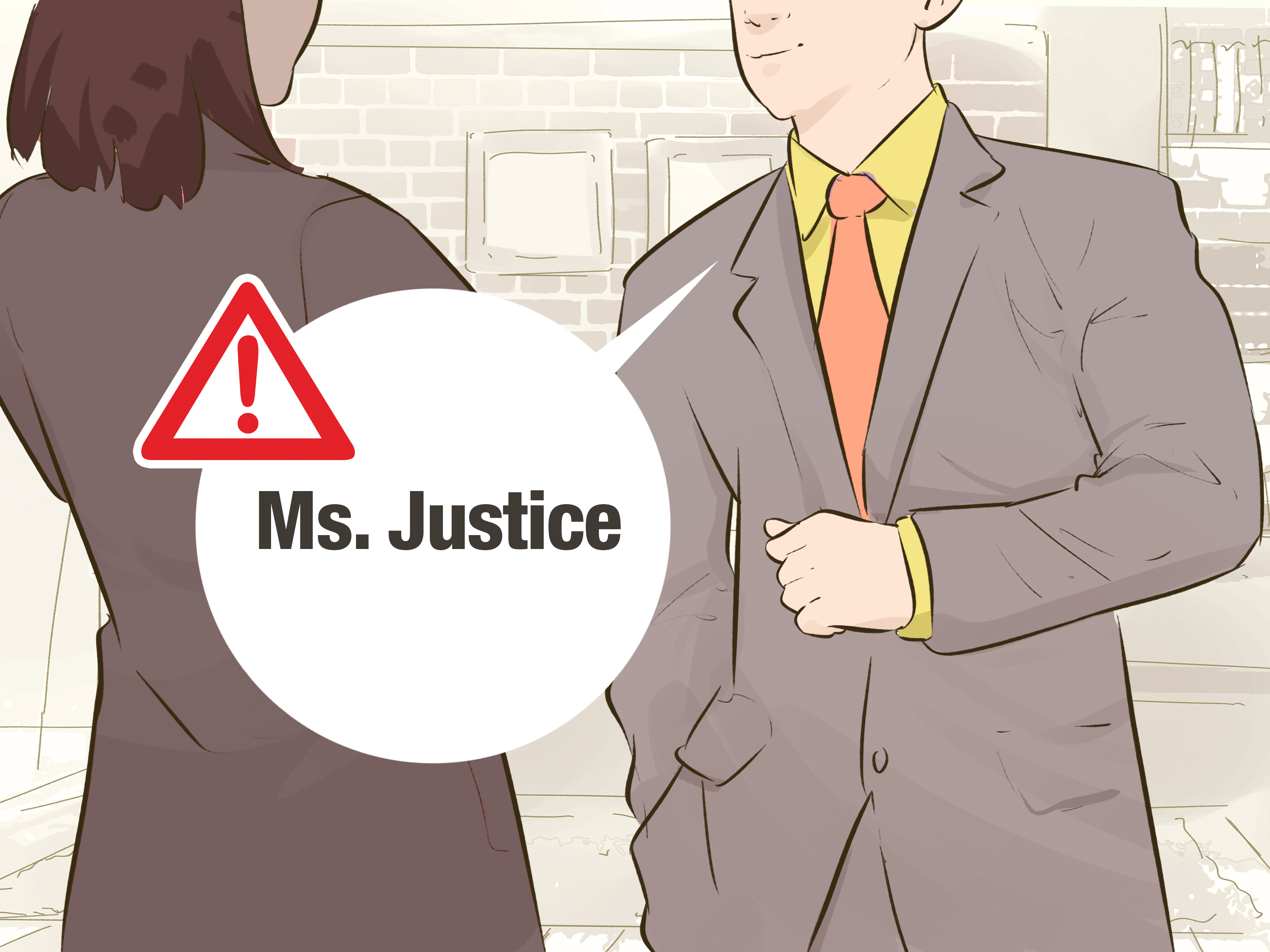
This is the rule people mess up most often. If you use Esq. or Esquire after the attorney’s name, do not also use Mr., Ms., or Mrs. before it. In other words, write one of these:
- Ms. Dana Reed
- Dana Reed, Esq.
But do not write:
- Ms. Dana Reed, Esq.
That stacked-title version looks clunky and is widely treated as incorrect in standard etiquette guidance. Think of it as wearing a belt and suspenders and then adding duct tape just to be safe.
So when should you use Esq.? Mostly in more formal written correspondence, especially in legal or business settings. It can work on envelopes, business letters, or formal references to the attorney’s name. In everyday email, though, many people skip it and use a simple courtesy title instead.
Step 4: Do Not Assume “Attorney” Is Mandatory
Many people think they must write Attorney Smith every time they contact a lawyer. You can do that in some professional settings, and it may be acceptable depending on the office culture, but it is not required. In fact, standard American correspondence often sounds more natural with Mr. Smith, Ms. Smith, or Jordan Smith, Esq.
That means these are all potentially appropriate depending on the context:
- Dear Ms. Patel,
- Dear Attorney Patel,
- Dear Jordan Patel, Esq.,
If you want a practical shortcut, use this one: for a first email, job application, or client message, Dear Mr./Ms. Last Name is hard to beat. It is polite, readable, and familiar. It also avoids sounding as though you copied your greeting from a legal drama that peaked in 2008.
Step 5: Follow the Attorney’s Own Preference After They Reply
Once an attorney responds, pay attention to how they sign their message. If they close with Best, Monica, that is usually a polite signal that you can shift to Dear Monica or simply Monica, in later messages, depending on the tone of the exchange. If they continue signing as Monica Chen, Partner or Monica Chen, Esq., it may be smarter to keep things formal.
Professional communication is not just about following a rulebook. It is about reading the room, even when the room is an inbox.
Here is a simple progression:
- First message: Dear Ms. Chen,
- Their reply: Best, Monica
- Your next message: Hi Monica, or Dear Monica,
That shift feels natural because it is based on the attorney’s own cue, not your guesswork. Guesswork is fun in trivia. It is less fun in professional correspondence.
Step 6: Use Different Titles for Judges, Justices, and Professors
Not every lawyer should be addressed as an attorney. If the person is serving as a judge, justice, or professor, use the title attached to that role.
For example:
- A judge should generally be addressed as Judge Last Name in a salutation.
- A justice on a high court may be addressed as Justice Last Name.
- A law professor is usually addressed as Professor Last Name, not Dr.
This matters because the current office controls the etiquette. If someone is both an attorney and a judge, the judge title wins in correspondence related to that role. Calling a judge “Attorney Williams” is like calling a pilot “person who is good at chairs.” Technically human, but not the point.
Step 7: Make the Rest of the Message Match the Greeting
A polished salutation cannot rescue a messy email. Once you have the greeting right, make sure the rest of the message sounds equally professional. Keep the subject line clear, get to the point, and use a respectful closing.
Good closings include:
- Sincerely,
- Best regards,
- Regards,
- Thank you,
Also check the basics that people forget under pressure:
- Spell the attorney’s name correctly.
- Make sure your subject line matches the topic.
- Attach the document before saying “attached.”
- Proofread before sending.
- Use a professional signature block with your full name and contact information.
Attorneys read a lot of rushed messages. The one that feels clear, respectful, and easy to answer usually wins.
Quick Examples for Common Situations
| Situation | Good Example |
|---|---|
| First email to a lawyer | Dear Ms. Alvarez, |
| Formal business letter | Jordan Alvarez, Esq. |
| Reply after they sign with first name | Dear Jordan, |
| Writing to a judge | Dear Judge Alvarez, |
| Writing to a law professor | Dear Professor Alvarez, |
Common Mistakes to Avoid
1. Using “Mr.” and “Esq.” together.
Pick one style. Combining both usually looks incorrect.
2. Going casual too quickly.
“Hey, Chris” might be fine later, but it is rarely the best first move.
3. Using the wrong professional role.
A judge is not addressed the same way as a practicing attorney, and a professor is not always addressed as “Dr.”
4. Misspelling the attorney’s name.
Nothing says “I respect your expertise” like spelling their last name three different ways in one message. And yes, that was sarcasm.
5. Sounding too stiff.
You want respectful, not medieval. Plain professional English is usually better than exaggerated formality.
What About Calling an Attorney on the Phone?
Phone etiquette is usually simpler. On first contact, use Mr., Ms., or Attorney plus the last name. Once the attorney says, “Please call me Jamie,” do that. If they do not offer a preference, stay formal.
A clean phone opening sounds like this:
Hello, may I speak with Ms. Reynolds?
Simple. Respectful. No verbal cartwheels required.
Experience-Based Examples: What This Looks Like in Real Life
People usually learn attorney etiquette the same way they learn not to touch a hot pan: by doing the wrong thing once and remembering forever. One common scenario is the job seeker emailing a law firm partner for the first time. They want to sound friendly and confident, so they open with “Hi Jennifer!” The message itself may be solid, but the greeting feels too relaxed for a cold professional introduction. A better move would have been “Dear Ms. Walsh,” followed by a concise note. If the partner replies with “Best, Jennifer,” the tone can soften naturally after that.
Another frequent experience happens when a client is nervous and overcorrects. Instead of writing one clean title, they pile them on like toppings at a frozen yogurt shop: “Dear Mr. Daniel Morris, Esq.” It comes from a good place, but it looks awkward. The cleaner version is either “Dear Mr. Morris” or “Dear Daniel Morris, Esq.” In etiquette, more is not always more. Sometimes more is just more.
Then there is the classic courthouse mix-up. Someone knows a person went to law school, so they address a message to “Attorney Bennett,” not realizing Bennett is now a judge. That distinction matters. Once someone is functioning in a judicial role, the title should match that office. “Dear Judge Bennett” shows that you understand the setting and the professional hierarchy. It is a small detail, but in legal environments, small details have a way of wearing steel-toed boots.
Students and young professionals run into this issue all the time when contacting alumni. They find a graduate on LinkedIn, notice a J.D., and assume “Dr.” is the safe choice. Usually, it is not. In American legal culture, “Dr.” is not the standard way to address most practicing attorneys. “Mr.,” “Ms.,” or a formal name-based greeting is usually safer. When the recipient is a law professor, however, “Professor” is typically the stronger choice because it reflects the academic role rather than the degree alone.
There are also softer, more human moments. Imagine emailing an attorney who represents you in a stressful family or business matter. You may be tired, anxious, and tempted to skip niceties altogether. But a calm greeting like “Dear Ms. Flores” and a clear closing like “Thank you” can help keep the relationship productive. Lawyers are still people, and respectful communication often sets a better tone for the entire exchange. That does not mean you need to sound stiff. It means you should sound thoughtful.
Over time, the most successful communicators tend to follow one pattern: they start a little more formal than necessary, then adjust based on the attorney’s own cues. That approach works because it leaves room for the relationship to breathe. It is professional without being cold, respectful without being theatrical, and flexible without becoming sloppy. In other words, it does exactly what good legal communication should do: reduce confusion before confusion starts charging billable hours.
Conclusion
If you remember only one thing, remember this: when addressing an attorney, simple beats fancy. Start formal, choose one naming style, match the person’s professional role, and follow their lead once they signal a preference. Most of the time, Dear Mr./Ms. Last Name is the safest opening for a first email, while Name, Esq. works best in more formal written references.
You do not need to sound like a courtroom announcer. You just need to sound respectful, clear, and aware of context. Do that, and your greeting will do what it is supposed to do: open the conversation smoothly and let your real message take center stage.