Diarrhea is the body’s least charming way of saying, “Something is moving too fast down here.” And while most people reach for bland foods, electrolyte drinks, or over-the-counter anti-diarrheal medicine, fiber supplements often deserve a seat at the digestive rescue table. Yes, fiberthe same nutrient famous for helping constipationcan also help firm up loose stools. Digestive health loves a plot twist.
The key is choosing the right kind of fiber. For diarrhea, the all-star is usually soluble fiber, especially gel-forming fiber. It absorbs water, thickens stool, slows down intestinal transit, and helps turn the bathroom situation from “urgent sprint” into “reasonable adult schedule.” Insoluble fiber, such as wheat bran, may be useful for constipation but can feel like adding roller skates to an already overexcited gut.
This guide breaks down the best fiber supplements for diarrhea, including what each one does best, who it may suit, and how to use fiber without accidentally turning your stomach into a balloon animal.
How Fiber Can Help With Diarrhea
Fiber is not one single thing. It is a family of plant-based carbohydrates that your body does not fully digest. Some types dissolve in water and form a gel. Others do not dissolve and mainly add bulk. When diarrhea is the problem, soluble fiber tends to be more useful because it can absorb excess fluid in the intestines and improve stool consistency.
Think of soluble fiber like a tiny kitchen sponge with better manners. It does not “stop” diarrhea the way some medications slow gut movement. Instead, it helps soak up extra water and gives loose stool more structure. That is why certain fiber supplements may be helpful for mild, occasional diarrhea, irritable bowel syndrome with diarrhea, medication-related loose stools, or post-meal urgency.
Still, fiber is not a magic wand. If diarrhea is severe, bloody, black, accompanied by fever, linked with dehydration, or lasting more than a couple of days, it is time to call a healthcare professional. A supplement should not be used to politely ignore a gut that is waving red flags.
What to Look for in a Fiber Supplement for Diarrhea
1. Choose soluble fiber first
For loose stools, look for ingredients such as psyllium husk, methylcellulose, partially hydrolyzed guar gum, acacia fiber, calcium polycarbophil, or banana flakes. These are generally more stool-friendly than harsh, gritty, insoluble fibers.
2. Start low and increase slowly
Your gut is not a fan of surprise parties. Start with a small serving, such as half the label dose once daily, and increase gradually if needed. Too much fiber too quickly can cause gas, bloating, cramps, or even more bathroom drama.
3. Drink enough fluid
Bulk-forming fibers need liquid to work properly. Many powder and caplet products instruct users to take them with a full glass of water. Skipping the water is like inviting fiber to a meeting and refusing to give it the agenda.
4. Watch sweeteners and extras
Some flavored powders contain sugar alcohols, artificial sweeteners, inulin, or chicory root fiber. These ingredients are fine for some people but can trigger gas or loose stools in others, especially those with IBS.
5. Separate fiber from medications
Fiber can affect how some medicines are absorbed. A common practical rule is to take fiber supplements at least two hours before or after oral medications unless your clinician gives different instructions.
The 6 Best Fiber Supplements for Diarrhea
1. Psyllium Husk Powder: Best Overall Fiber Supplement for Diarrhea
Best for: loose stools, IBS-related stool irregularity, occasional diarrhea, people who want the strongest evidence-backed option.
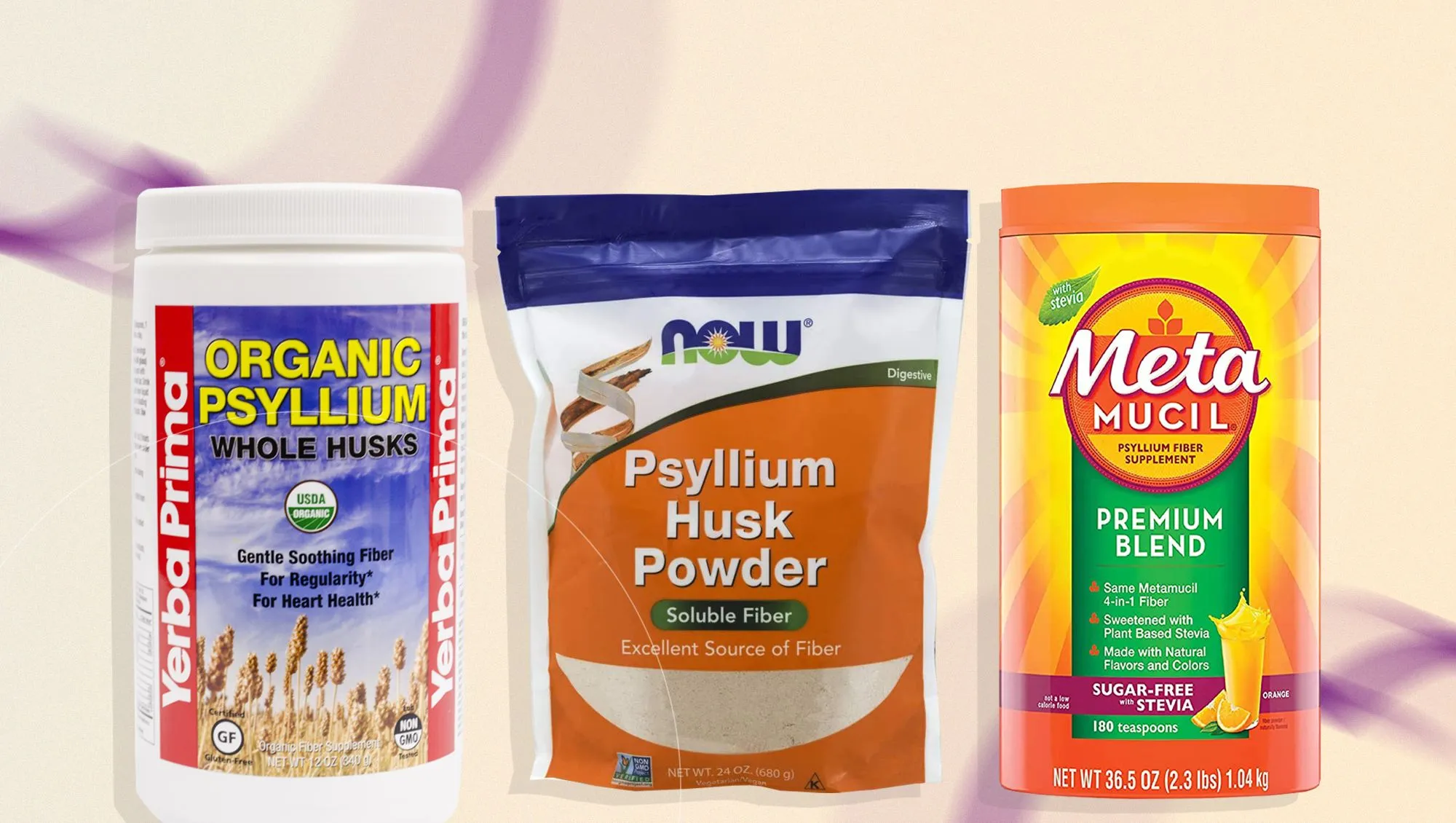
Psyllium husk is the classic choice for a reason. It is a soluble, gel-forming fiber from the Plantago ovata plant. When mixed with water, it thickens quickly, which is exactly why it can help improve watery or loose stool consistency. Psyllium is also widely available under brand names such as Konsyl and Metamucil, as well as generic store brands.
For diarrhea, psyllium’s superpower is its ability to hold water and create bulk without simply slamming the brakes on the bowel. That makes it useful for people whose stools are too loose but who do not necessarily want constipation as the grand finale.
Why it stands out: Psyllium has more clinical support than many other fiber supplements. It is often recommended for bowel regularity, and medical guidance frequently highlights it as a helpful soluble fiber option for IBS symptoms and mild-to-moderate diarrhea.
How to use it: Mix the powder with at least 8 ounces of water and drink it promptly before it turns into a science fair project. Start with a small amount once daily. If tolerated, increase gradually according to the product label or your clinician’s advice.
Possible downside: Psyllium can cause bloating or gas at first. It also thickens fast, so texture-sensitive people may prefer capsules or a smoother powder.
2. Metamucil Psyllium Fiber: Best Easy-to-Find Drugstore Option
Best for: shoppers who want a familiar, widely available psyllium product.
Metamucil is one of the most recognizable psyllium supplements in the United States. It comes in powders, capsules, and single-serve packets, which makes it convenient for people who do not want to hunt through obscure wellness websites while their stomach is making questionable decisions.
The active fiber is still psyllium husk, so the stool-firming logic is similar: absorb excess water, add bulk, and help normalize bowel movements. The main advantage is convenience. You can usually find it in pharmacies, grocery stores, big-box stores, and online.
Why it stands out: Availability matters. The best fiber supplement is not very helpful if it lives only in a mythical boutique three towns away. Metamucil is easy to find, comes in multiple formats, and offers flavored options for people who dislike plain psyllium.
How to use it: Follow the label carefully, mix powders with a full glass of water, and start low. If you are sensitive to sweeteners or flavors, consider an unflavored or capsule version.
Possible downside: Some flavored versions contain added ingredients that may bother sensitive guts. If your digestive system has a long list of complaints, simpler formulas are usually safer.
3. Citrucel Methylcellulose: Best Low-Gas Fiber Supplement
Best for: people who get bloated easily, IBS-sensitive users, and anyone who wants a non-fermentable fiber option.
Methylcellulose is a synthetic, soluble fiber that is commonly sold under the brand name Citrucel and in generic fiber therapy products. It is considered non-fermentable, which means gut bacteria are less likely to throw a gas-producing party after you take it.
For diarrhea, methylcellulose may help by adding bulk and improving stool texture. It is often mentioned alongside psyllium as a fiber option for mild-to-moderate diarrhea, particularly when a clinician recommends a bulk-forming fiber.
Why it stands out: Many people stop fiber supplements not because they do not work, but because the bloating feels like they swallowed a parade balloon. Methylcellulose is often gentler in that department.
How to use it: Citrucel comes as powder and caplets. Caplets are convenient, but they still require plenty of water. Powder may be easier to adjust in smaller doses.
Possible downside: It may not form as strong a gel as psyllium for some people, so the stool-firming effect can feel milder. That is not necessarily bad; for sensitive users, gentle can be the whole point.
4. Sunfiber PHGG: Best Low-FODMAP Prebiotic Fiber
Best for: people with IBS, FODMAP sensitivity, bloating concerns, or those who want a clear-mixing powder.
PHGG stands for partially hydrolyzed guar gum. Thankfully, you do not have to say that three times fast to use it. It is a soluble fiber made from guar beans and is often sold under ingredient names such as Sunfiber.
Unlike some fibers that become thick and gritty, PHGG usually dissolves smoothly and has little taste. Many people add it to water, coffee, smoothies, oatmeal, or yogurt without feeling like they are drinking wet cardboard. It is also known for being gentle and is often discussed as a fiber option for IBS, including people who struggle with diarrhea-predominant symptoms.
Why it stands out: PHGG is a prebiotic fiber, meaning it can help feed beneficial gut bacteria. It is also commonly promoted as low-FODMAP, which is important for people whose intestines treat fermentable carbs like an emergency alarm.
How to use it: Start with a small amount, such as 2 to 3 grams daily, then increase slowly if tolerated. It mixes well into foods and drinks, making it one of the easiest fiber supplements to use consistently.
Possible downside: Because it is gentler and less gel-like than psyllium, it may not firm stools as quickly for everyone. It is better viewed as a steady digestive support fiber than a dramatic overnight fix.
5. FiberCon Calcium Polycarbophil: Best Fiber Caplet for Convenience
Best for: people who dislike powders, travel often, or want a tablet-style bulk-forming fiber.
Calcium polycarbophil is a bulk-forming fiber found in FiberCon and similar generic caplets. It absorbs water and helps create fuller, more formed stools. Because it comes in caplet form, it is convenient for people who do not want to mix powders at work, on the road, or while standing in the kitchen muttering at their intestines.
Polycarbophil has been studied in IBS and bowel irregularity, and it may help normalize stool form for some users. It is especially appealing when portability matters. No scoop, no shaker bottle, no suspicious beige sludge.
Why it stands out: Convenience improves consistency, and consistency is where fiber often shines. If you are more likely to take caplets than mix powder, FiberCon-style products may be a practical choice.
How to use it: Take with a full glass of water. Do not use it if you have trouble swallowing unless a clinician approves. Follow label instructions and avoid taking more than recommended.
Possible downside: Some evidence suggests psyllium may be better for improving stool consistency in certain diarrhea models. So, while polycarbophil is convenient, it may not be the first pick if you want the most gel-forming effect.
6. Banana Flakes or Acacia Fiber: Best Gentle Food-Based Options
Best for: sensitive stomachs, food-based supplement users, and people who want a gentler alternative to traditional powders.
Two gentle options deserve attention here: banana flakes and acacia fiber. Products such as Banatrol Plus use banana flakes, which contain soluble fibers that can help thicken stool. Acacia fiber, often sold as acacia Senegal powder, is a soluble prebiotic fiber used by some people with IBS for bowel stability.
Banana flakes have a long history in clinical nutrition settings, especially for loose stools in people receiving tube feeding. They work through a food-like mechanism: soluble fibers help absorb fluid and support stool formation. Some formulas also include prebiotics.
Acacia fiber is usually mild, tasteless, and easy to mix into soft foods or drinks. It is less aggressively thickening than psyllium, so it may be a better fit for people who want gradual support rather than a gel explosion in a glass.
Why they stand out: These options can feel less “medicine cabinet” and more “food pantry.” That can be helpful for people who dislike the texture of psyllium or who want a gentler daily fiber routine.
How to use them: Banana flake products are often mixed into water, applesauce, pudding, smoothies, or other soft foods. Acacia powder can be stirred into drinks or meals. Start low, especially with prebiotic fibers.
Possible downside: Banatrol Plus contains milk-derived ingredients in some formulas, so it may not suit people with milk allergy or strict dairy avoidance. Acacia fiber has less direct diarrhea-specific evidence than psyllium, so it is best for gentle support rather than urgent symptom control.
Quick Comparison: Which Fiber Supplement Should You Choose?
| Supplement Type | Best For | Main Advantage | Watch Out For |
|---|---|---|---|
| Psyllium husk | Overall stool firming | Strong gel-forming action | Can cause gas or thick texture |
| Metamucil-style psyllium | Easy drugstore access | Widely available formats | Some versions have sweeteners |
| Methylcellulose | Low-gas needs | Less fermentable | May be milder than psyllium |
| PHGG | IBS and low-FODMAP routines | Clear-mixing and gentle | May work gradually |
| Calcium polycarbophil | Caplet convenience | No mixing required | Requires plenty of water |
| Banana flakes or acacia | Food-based support | Gentle and easy to add to meals | Check allergens and ingredients |
How to Take Fiber Supplements for Diarrhea Without Regret
Fiber works best when you treat it like a slow negotiation with your digestive system. Do not begin with the maximum dose unless you enjoy suspense. Start small, use it consistently for a few days, and track changes in stool form, urgency, bloating, and comfort.
A simple approach is to take fiber once daily with water or food, depending on the product. If your stool becomes more formed and urgency improves, stay there. More is not always better. The goal is not to win a fiber-eating contest; the goal is to leave the bathroom with dignity.
If you are dealing with acute diarrhea from a stomach bug, hydration comes first. Oral rehydration solution, broth, water, and electrolyte drinks may matter more than any supplement. Fiber can support stool texture, but it does not replace fluids or medical care when dehydration is possible.
When Fiber Is Not Enough
Do not use fiber supplements as a cover-up for serious symptoms. Contact a healthcare professional if diarrhea comes with blood, black or tarry stool, pus, severe abdominal or rectal pain, persistent vomiting, fever, confusion, dizziness, very little urination, or signs of dehydration. Adults should also seek help when diarrhea lasts more than a couple of days or keeps getting worse.
People with inflammatory bowel disease, recent bowel surgery, swallowing problems, bowel narrowing, chronic kidney disease, diabetes, pregnancy, or multiple medications should ask a clinician before starting a bulk-forming supplement. Children should use fiber supplements only with pediatric guidance.
Real-World Experiences: What Using Fiber for Diarrhea Is Actually Like
In real life, choosing a fiber supplement for diarrhea is rarely as neat as reading a label and living happily ever after. People usually discover their best option through trial, patience, and one or two “well, that was too much” moments. The most common experience is that soluble fiber works gradually. It may not flip a switch in one hour, but over a few days it can make stools less watery, reduce urgency, and make mornings feel less like a game show called Where Is the Nearest Bathroom?
Psyllium users often notice the most obvious change in stool texture. The first few servings can feel strange because psyllium thickens quickly in liquid. Some people love that it feels substantial; others describe it as drinking a smoothie that joined a gym. The trick is to stir fast, drink promptly, and follow with extra water. People who start with a full serving sometimes report bloating, so a half-dose approach is usually friendlier.
Methylcellulose users often care less about dramatic results and more about comfort. Someone with a sensitive stomach may prefer Citrucel-style fiber because it tends to be less gassy. The experience is quieter: fewer fireworks, less bloating, and a mild improvement in regularity. That can be perfect for a person whose gut reacts to everything like it just read bad news.
PHGG users frequently praise how easy it is to mix. It disappears into coffee, tea, water, or yogurt without turning the drink into paste. For people with IBS, that convenience matters because consistency is easier when the supplement does not feel like a chore. The effect may be subtle at first. Instead of one dramatic improvement, users may notice fewer unpredictable stool days and less post-meal urgency over time.
Caplet fans often choose calcium polycarbophil because they want simplicity. No scoops, no gritty glass, no orange-flavored cloud floating in the sink. The main habit to build is drinking enough water with every dose. Caplets are convenient, but they are not magic pebbles; they still need fluid to do their job safely.
Food-based options such as banana flakes can feel comforting, especially when mixed into applesauce, oatmeal, or a smoothie. They are less intimidating than a pharmacy powder and may suit people who prefer a more nutritional approach. Acacia fiber is similar in that it is gentle and easy to hide in food. These options may be especially appealing during recovery, when the digestive system feels dramatic and suspicious of everything.
The biggest lesson from real-world use is simple: the “best” fiber supplement is the one your gut tolerates and you can take consistently. For fast stool-firming support, psyllium often wins. For low gas, methylcellulose may be better. For IBS-friendly daily support, PHGG or acacia may fit. For convenience, caplets shine. For food-based thickening, banana flakes are worth considering. Your intestines may not send a thank-you card, but with the right fiber, they may at least stop behaving like a broken fire alarm.
Conclusion
The best fiber supplements for diarrhea are usually soluble, gentle, and easy to take consistently. Psyllium husk is the strongest overall pick for many people because it forms a gel and helps improve stool consistency. Methylcellulose is a smart low-gas choice. PHGG is excellent for low-FODMAP and IBS-sensitive routines. Calcium polycarbophil is convenient in caplet form. Banana flakes and acacia fiber offer gentler, food-based support.
Start low, drink enough fluids, avoid unnecessary additives, and give your gut time to adjust. Most importantly, pay attention to warning signs. Fiber can help with mild loose stools, but severe or persistent diarrhea deserves medical attentionnot a heroic scoop of powder and positive thinking.