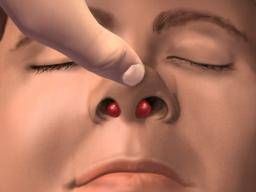
A septal hematoma sounds like something only a medical textbook could love, but it is actually a practical, urgent nose problem that anyone with a bumped, broken, or recently operated-on nose should know about. In plain English, a septal hematoma is a pocket of blood that collects inside the nasal septumthe wall of cartilage and bone that separates the two nostrils. While a regular nosebleed may look more dramatic, a septal hematoma can be more dangerous because it hides inside the nose and can quietly damage the cartilage that helps the nose keep its shape.
The short version: if someone has a nose injury followed by nasal blockage, swelling inside the nostrils, worsening pain, or trouble breathing through the nose, they should be checked quickly by a healthcare professional. This is not a “walk it off and post about it later” kind of injury. Septal hematoma treatment usually requires urgent drainage, and early care can help prevent infection, a septal abscess, cartilage damage, or a saddle nose deformity.
This guide explains the symptoms, treatments, causes, diagnosis, recovery process, and real-world experience around septal hematoma in a clear, practical waywithout turning your browser into a hospital waiting room.
What Is a Septal Hematoma?
A septal hematoma is a collection of blood trapped between the nasal septum and the thin tissue layer that normally supplies nutrients to the septal cartilage. The nasal septum is not just a divider in the nose; it is a structural support beam. When blood pools in the wrong place, it can separate the cartilage from its blood supply. Cartilage is a bit dramatic in that wayit does not do well when cut off from nutrition.
Without prompt treatment, pressure from the trapped blood can damage the septal cartilage. If bacteria enter the area, the hematoma can become infected and turn into a septal abscess. This can lead to complications such as a hole in the septum, persistent nasal obstruction, changes in nasal shape, or the classic “saddle nose” collapse.
Septal hematomas are considered uncommon, but they matter because the consequences can be serious and preventable. The condition is most often linked to nasal trauma, especially blunt injuries from sports, falls, accidents, or physical impact. It may also occur after nasal surgery, such as septoplasty or rhinoplasty, though postoperative care is designed to reduce that risk.
Septal Hematoma Symptoms
The most important symptom of septal hematoma is nasal obstruction after a nose injury. Many people expect a broken nose to hurt or bleed, but they may not realize that feeling “blocked” on one or both sides can be a warning sign. The blockage may feel soft, swollen, and different from ordinary congestion caused by allergies or a cold.
Common symptoms include:
- Difficulty breathing through one or both nostrils
- Nasal pain or tenderness after trauma
- Swelling inside the nose
- A soft, reddish, bluish, or purplish bulge on the septum
- Nosebleed after injury
- Pressure or fullness in the nose
- Headache or facial discomfort
- Worsening nasal blockage despite reduced external swelling
- Fever, increasing pain, or foul-smelling drainage if infection develops
One tricky thing about a septal hematoma is that the outside of the nose may not look terrible. A person can have only mild bruising or swelling on the outside while a more urgent problem is developing inside. That is why the inside of the nose matters. A nose may look “fine” in a selfie and still need medical attention.
Symptoms in children
Children deserve extra attention after nasal trauma. A child may not explain symptoms clearly, and a septal hematoma can be missed if adults focus only on bleeding, bruising, or whether the nose looks crooked. Warning signs in children include mouth breathing, unusual fussiness after a nose injury, refusal to let anyone touch the nose, blocked nostrils, or swelling visible inside the nose. Because a child’s nose is still developing, untreated cartilage damage may affect future nasal growth and appearance.
What Does a Septal Hematoma Look Like?
On examination, a septal hematoma often appears as a soft, swollen, boggy mass along the nasal septum. It may look reddish, bluish, grayish, or purple. It can appear on one side or both sides of the septum. Bilateral septal hematomas are especially concerning because they can block both nasal passages and place more pressure on the cartilage.
Unlike simple swelling from irritation, a septal hematoma usually does not shrink after a nasal decongestant is applied by a clinician. That difference can help healthcare professionals distinguish it from other causes of nasal blockage. However, diagnosis should be made by a trained medical professional. A bathroom mirror and a phone flashlight are not exactly a high-tech ENT clinic.
Causes of Septal Hematoma
The most common cause of septal hematoma is trauma to the nose. When the nose is hit, twisted, or compressed, small blood vessels can tear. Blood may then collect under the lining of the septum instead of draining out as a nosebleed. In some cases, a nasal fracture is present. In others, there may be no obvious fracture at all.
Common causes and risk factors include:
- Sports injuries, especially contact sports
- Falls or playground injuries
- Car, bicycle, or scooter accidents
- Physical impact to the face
- Nasal fractures
- Septoplasty, rhinoplasty, or other nasal procedures
- Nasal instrumentation or injury inside the nose
- Bleeding disorders or medications that increase bleeding risk
- Previous nasal surgery or structural abnormalities
Most cases follow a clear injury, but not always. Rarely, septal hematoma or septal abscess can develop without a memorable trauma, especially if infection, inflammation, or a bleeding tendency is involved. That said, the classic story is simple: nose gets hit, nose swells, breathing gets blocked, and the septum needs attention.
Why Septal Hematoma Is an Emergency
A septal hematoma is treated urgently because the septal cartilage depends on nearby tissue for nourishment. When blood collects between the cartilage and that tissue, it acts like an unwanted cushion in the worst possible location. Pressure builds, nutrition is interrupted, and cartilage can start to break down.
If the hematoma becomes infected, the problem can escalate into a septal abscess. Infection increases the risk of cartilage destruction and can occasionally spread to nearby areas. The most recognized long-term complication is saddle nose deformity, where the bridge of the nose loses support and appears sunken. Septal perforation, chronic nasal obstruction, and cosmetic changes may also occur.
In other words, this is not a “put some ice on it and hope your nose forgives you” situation. Ice may help external swelling after a nose injury, but it will not drain a septal hematoma. Medical evaluation is the key.
How Septal Hematoma Is Diagnosed
Diagnosis usually starts with a history of injury and a careful nasal examination. A clinician will ask how the injury happened, when symptoms started, whether there was bleeding, whether breathing is blocked, and whether symptoms are getting worse. They will then examine the outside and inside of the nose.
The exam may include:
- Checking nasal shape, swelling, bruising, and tenderness
- Looking inside the nostrils with a light and nasal speculum
- Assessing both sides of the septum
- Gently checking whether the swelling feels soft or fluctuant
- Looking for signs of infection, fracture, or other facial injury
- Checking for clear fluid drainage after significant trauma
Imaging is not always necessary for an isolated septal hematoma. Many nasal injuries are diagnosed clinically. However, CT imaging may be considered if there is concern for complex facial fractures, severe trauma, eye injury, head injury, or other complications. The main point is that a normal-looking X-ray would not replace a proper internal nasal exam.
Septal Hematoma Treatment
The standard treatment for a septal hematoma is prompt drainage by a qualified healthcare professional, often an emergency clinician or an ear, nose, and throat specialist. Treatment should not be attempted at home. The nose is small, sensitive, and full of important structures; it does not need amateur surgery starring a mirror and questionable confidence.
Typical treatment may include:
- Local or general anesthesia, depending on age, cooperation, and severity
- Careful incision and drainage of the trapped blood
- Removal of clotted blood from the septal space
- Nasal packing, silicone splints, or quilting stitches to prevent re-accumulation
- Antibiotics when infection risk is present or packing is used
- Pain control and follow-up examination
- Treatment of associated nasal fracture if needed
Small hematomas may sometimes be managed with aspiration in select cases, but incision and drainage is commonly used because clotted blood may not come out easily through a needle. After drainage, the clinician must prevent the space from filling again. That is why packing, splints, or stitches may be used. Follow-up is important because recurrence can happen.
Antibiotics and infection prevention
Antibiotics may be prescribed after drainage, especially if there is packing, concern for infection, delayed presentation, or a septal abscess. The exact antibiotic depends on the patient, local practice, allergy history, and whether infection is suspected. Patients should take antibiotics exactly as prescribed and avoid stopping early just because the nose feels better.
Recovery After Septal Hematoma Drainage
Recovery depends on how quickly the hematoma was treated, whether infection was present, and whether there were other nasal injuries. Many people improve quickly after drainage because the pressure and blockage are relieved. However, the nose may still feel sore, swollen, or congested for several days.
During recovery, patients are often advised to:
- Attend all follow-up visits
- Avoid nose blowing until cleared by a clinician
- Avoid contact sports or risky activities during healing
- Use prescribed medications as directed
- Keep nasal packing or splints in place until removed by a professional
- Watch for fever, worsening pain, renewed swelling, or increasing blockage
Follow-up is not a decorative appointment. It helps confirm that the hematoma has not returned, the septum is healing, and no abscess is forming. If the original injury also caused a nasal fracture, additional evaluation may be needed after swelling decreases.
When to Seek Urgent Medical Care
Anyone with nasal trauma and new or worsening nasal blockage should be evaluated urgently, especially if symptoms appear within hours to days after the injury. Early treatment can make the difference between a straightforward drainage procedure and a long-term structural problem.
Seek urgent care or emergency evaluation if there is:
- Blocked breathing through one or both nostrils after a nose injury
- Visible swelling inside the nostril along the septum
- Severe or worsening nasal pain
- Fever after nasal trauma
- Increasing redness, warmth, or drainage
- A crooked nose with breathing difficulty
- Persistent bleeding that does not stop with pressure
- Clear watery drainage after significant head or facial injury
- Vision changes, severe headache, confusion, or facial numbness
If the injury involves possible abuse, assault, or a serious accident, medical care should also include attention to safety and any associated injuries. The nose may be the loudest complaint, but the rest of the face and head deserve a proper check too.
Septal Hematoma vs. Broken Nose vs. Nosebleed
A septal hematoma can occur with a broken nose, but they are not the same thing. A broken nose is a fracture of the nasal bones or cartilage. A nosebleed is bleeding from blood vessels inside the nose. A septal hematoma is trapped blood inside the septal tissue space. It may happen with or without obvious external deformity.
| Condition | Main Feature | Why It Matters |
|---|---|---|
| Septal hematoma | Soft swelling inside the septum after injury | Needs urgent drainage to protect cartilage |
| Broken nose | Pain, swelling, bruising, possible crooked shape | May need realignment if breathing or shape is affected |
| Nosebleed | Blood coming from the nostril | Often controlled with pressure, but trauma needs assessment |
The confusing part is that all three can happen together. A person can have a broken nose, a nosebleed, and a septal hematoma in the same unfortunate facial event. That is why clinicians are trained to look inside the nose after trauma.
Can Septal Hematoma Be Prevented?
Not every nasal injury can be prevented, unless someone invents a bubble-wrap helmet that teenagers, athletes, and toddlers all agree to wear. Still, prevention can reduce risk.
Helpful prevention steps include:
- Wear protective face gear during contact sports when recommended
- Use seat belts and proper child safety seats
- Wear helmets for biking, skating, or scooter riding
- Make homes safer for young children and older adults at risk of falls
- Follow postoperative instructions after nasal surgery
- Seek care quickly after nasal trauma rather than waiting for symptoms to “prove themselves”
The best prevention after an injury is early recognition. If breathing through the nose suddenly becomes difficult after trauma, do not assume it is just swelling. Have the septum checked.
Experience-Based Insights: What People Often Notice Before Diagnosis
Experiences with septal hematoma often share a pattern: the injury seems ordinary at first, then the blocked-nose feeling becomes the clue that something is wrong. For example, a basketball player takes an elbow to the nose, has a brief nosebleed, applies ice, and assumes the worst is over. A few hours later, the bleeding has stopped, but breathing through the nose feels strangely impossible. The outside swelling looks manageable, but inside the nostril there is a soft bulge. That “blocked but not like a cold” feeling is often what pushes the person to seek care.
Parents may describe a different version. A child falls at school, cries, has a swollen nose, and later starts breathing through the mouth. The child may not say, “My septal cartilage may be nutritionally compromised,” because children are not tiny medical professors. Instead, they may say their nose feels “full,” refuse dinner because breathing while chewing is annoying, or wake up uncomfortable during the night. In these cases, a careful look inside the nose can be more important than judging the injury by bruising alone.
Adults who develop septal hematoma after nasal surgery may notice pressure, one-sided blockage, or swelling that feels different from expected postoperative congestion. Some congestion is normal after nasal procedures, but sudden worsening, increasing pain, fever, or unusual pressure should be reported promptly. Postoperative instructions usually explain what is expected and what is not; following those instructions is less glamorous than ignoring them, but much better for the nose.
One common lesson is that septal hematoma does not always announce itself dramatically. People expect emergencies to look cinematic, with flashing lights and background music. In reality, the warning sign may simply be: “I cannot breathe through my nose after getting hit.” Another lesson is that timing matters. The earlier the hematoma is drained, the better the chance of avoiding cartilage damage, infection, and cosmetic changes.
Patients also often feel nervous about drainage, which is understandable. The nose is sensitive, and nobody enjoys the phrase “nasal procedure.” However, many people experience relief once the pressure is released. The follow-up period may involve packing, splints, antibiotics, or temporary discomfort, but those short-term inconveniences are usually aimed at preventing a much bigger problem. The nose may be small, but it has strong opinions about proper healing.
The practical takeaway from these experiences is simple: after a nose injury, do not only ask, “Is it broken?” Also ask, “Can I breathe normally through both nostrils, and has someone checked inside?” That question can catch a septal hematoma early. For athletes, parents, coaches, teachers, and anyone with a facewhich is most of usthat awareness is genuinely useful.
Conclusion
A septal hematoma is a pocket of blood inside the nasal septum, usually caused by trauma, nasal fracture, or nasal surgery. It may not look dramatic from the outside, but it can block nasal breathing and threaten the cartilage that supports the nose. The key symptoms are nasal obstruction, internal swelling, pain, pressure, and sometimes fever if infection develops. Treatment typically involves urgent medical drainage, packing or splints to prevent recurrence, antibiotics when appropriate, and close follow-up.
The most important message is this: nasal blockage after an injury should not be ignored. A septal hematoma is treatable, but time matters. Quick evaluation can protect breathing, prevent infection, and preserve the shape of the nose. Your nose may not write thank-you notes, but it will appreciate the prompt attention.
Note: This article is for educational publishing purposes only and is not a substitute for professional medical diagnosis or treatment. Anyone with symptoms of septal hematoma after nasal trauma should seek urgent medical care.