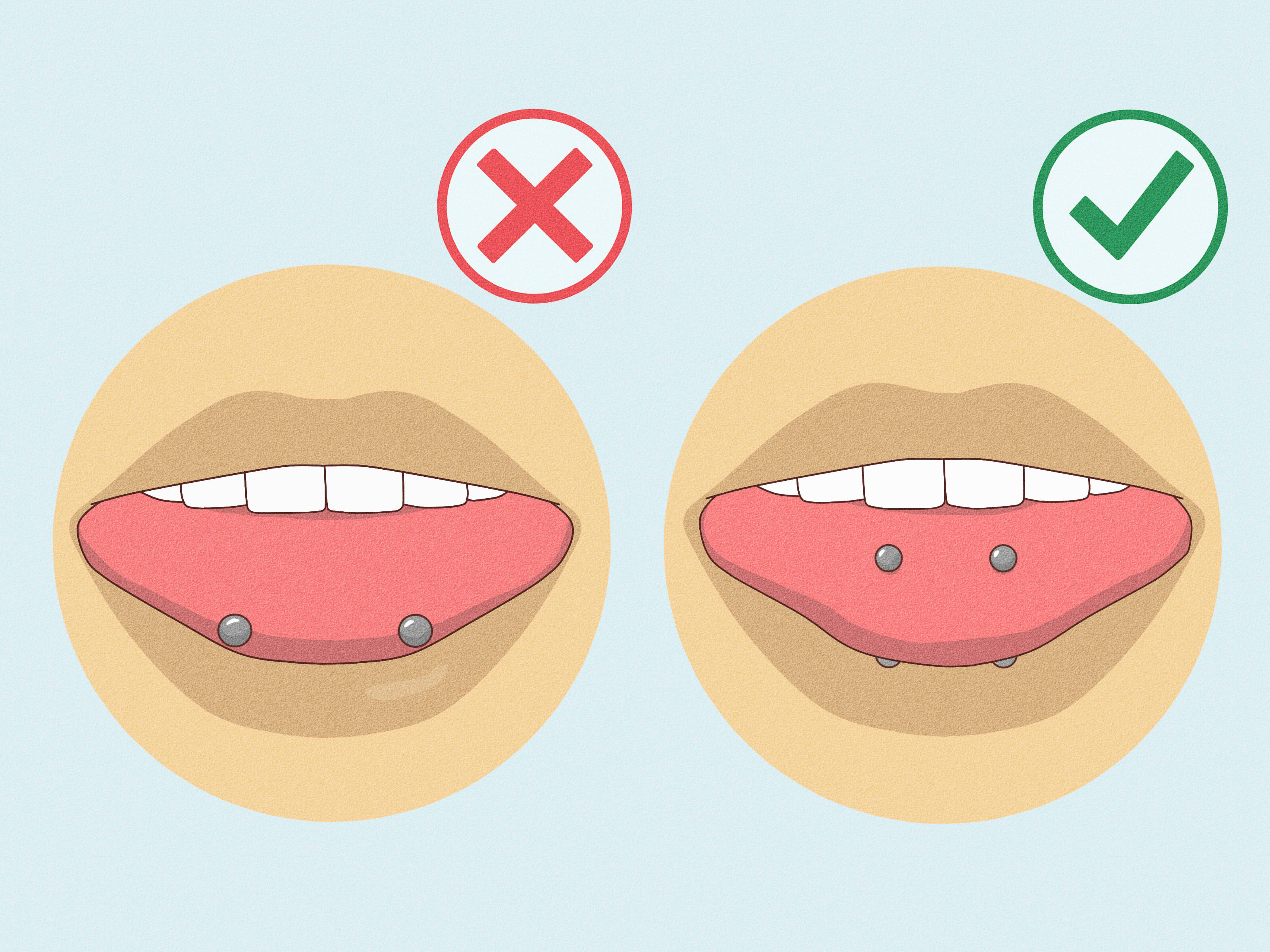
A snake eyes piercing looks tiny, symmetrical, and dramatic in the way a sports car keychain looks dramatic: small object, big personality. Also called a horizontal tongue piercing, it places a curved or straight barbell through the tip of the tongue so that the two bead ends resemble a pair of snake eyes. On social media, it photographs like a rebellious little wink. In real life, however, it is one of the most debated oral piercings because the tongue is not a decorative throw pillow. It is a hardworking muscle involved in speaking, chewing, swallowing, tasting, cleaning food from your teeth, and helping you avoid sounding like you just visited the dentist.
This guide explains what a snake eyes piercing is, why many professional piercers refuse to perform it, how healing usually works, what risks to consider, and what safer alternatives may be worth discussing with a qualified piercer. The goal is not to scare you with horror-movie energy. It is to give you the facts before you let jewelry move into one of the busiest neighborhoods in your body.
What Is a Snake Eyes Piercing?
A snake eyes piercing is a horizontal piercing placed through the front tip of the tongue. Unlike a traditional tongue piercing, which usually goes vertically through the center of the tongue, snake eyes jewelry travels from one side of the tongue tip to the other. When the wearer sticks out their tongue, the two jewelry ends sit side by side, creating the “snake eyes” look.
The common jewelry style is a small barbell, often curved, with a bead visible on each side of the tongue. The piercing is sometimes confused with “snake venom” piercings, but the two are different. Snake venom piercings are usually two separate vertical piercings placed side by side through the tongue. Snake eyes is one horizontal channel. That difference matters because one piece of jewelry connecting two moving sides of the tongue can create more tension, rubbing, and movement issues.
Why Snake Eyes Piercing Is So Controversial
The main problem is anatomy. Your tongue is made of muscle groups that move in different directions. A horizontal tongue-tip piercing can pin or connect tissue that naturally wants to move independently. Imagine taping two windshield wipers together and then asking them to do their usual job. Technically, something still moves. Gracefully? Not so much.
Many reputable piercers consider snake eyes piercing unsafe or unethical because the placement may interfere with normal tongue movement, increase irritation, and keep jewelry in frequent contact with teeth and gums. Dental professionals also warn that oral jewelry can contribute to chipped teeth, gum recession, irritation, infection, and complications during dental care. The risk is not only during healing; long-term jewelry movement can create ongoing wear.
Horizontal vs. Vertical Tongue Piercing
A standard vertical tongue piercing usually sits farther back and is placed so jewelry rests more neutrally in the mouth. That does not make it risk-free, but it may allow better movement and easier jewelry downsizing after swelling improves. A snake eyes piercing sits right at the tongue tip, where the jewelry can bump teeth during speech, chewing, and fidgeting. If you are a person who already taps pens, clicks rings, or turns every straw wrapper into modern art, jewelry at the tongue tip may become a full-time toy. Your teeth will not applaud.
How Much Does a Snake Eyes Piercing Hurt?
Pain varies from person to person. Some people describe tongue piercings as a quick pinch followed by pressure and swelling. Others find the tongue tip more sensitive because it is highly mobile and involved in nearly every mouth movement. The piercing itself may be brief, but the after-feeling can be more annoying than the moment of piercing. Talking, eating, laughing, yawning, and saying “I’m fine” while clearly not being fine can all remind you that your tongue is healing.
Swelling is common with tongue piercings, especially in the first few days. Because snake eyes sits at the front of the tongue, swelling may make speaking feel clumsy. Temporary lisping, tenderness, extra saliva, and difficulty eating are commonly reported with oral piercings. Severe swelling, trouble breathing, fever, spreading redness, worsening pain, or unusual discharge are not “normal healing vibes.” Those are signs to seek medical or dental care promptly.
Healing Time: What to Expect
Many tongue piercings are described as healing in roughly four to eight weeks, but full comfort and stability can take longer depending on placement, aftercare, anatomy, jewelry fit, oral hygiene, and whether complications appear. A snake eyes piercing may feel especially frustrating because the tip of the tongue moves constantly. Even when you are not talking, your tongue is quietly working in the background like an unpaid intern.
In the first few days, swelling and tenderness are typical. Soft, bland foods are often easier than crunchy, spicy, acidic, or very hot foods. Cold drinks or cold soft foods may feel soothing. During the first couple of weeks, you should be extra careful with chewing, brushing, rinsing, and avoiding unnecessary jewelry movement. The piercing may look better before deeper tissue has fully healed, so do not treat “less swollen” as a green light to chew gum, play with the beads, or test your luck on extra-crispy nachos.
Major Risks of Snake Eyes Piercing
1. Tooth Damage
Jewelry at the tongue tip can hit the back of the front teeth repeatedly. Over time, that contact may contribute to chips, cracks, worn enamel, sensitivity, or damage to fillings and dental restorations. Even small metal beads can be surprisingly rude to teeth. Your enamel is strong, but it is not designed to lose a tiny boxing match every time you talk.
2. Gum Recession
Oral jewelry can rub against gum tissue. Repeated friction may irritate gums and contribute to recession, especially around the lower front teeth. Gum recession matters because once gum tissue pulls away, it may not grow back naturally. Exposed tooth roots can become sensitive and more vulnerable to decay.
3. Speech and Tongue Mobility Issues
Because snake eyes jewelry connects tissue across the tongue tip, it may affect how freely the tongue moves. Some people report temporary speech changes while healing. In less ideal cases, placement and scarring may create longer-lasting discomfort or changes in tongue movement. A piercing that looks symmetrical in a mirror may still behave awkwardly when your tongue is doing its daily gymnastics.
4. Infection
The mouth contains many bacteria. Good oral hygiene and professional piercing practices reduce risk, but any piercing is still a wound. Infection signs may include increasing pain, swelling that gets worse after initially improving, fever, chills, a red-streaked appearance, or concerning discharge. Do not try to “tough it out” if symptoms look serious. A mouth infection can escalate faster than a group chat argument.
5. Swelling and Airway Concerns
Some swelling is expected, but significant tongue swelling can become dangerous if it affects breathing or swallowing. This is rare, but it is one of the reasons oral piercings deserve extra caution. If breathing feels difficult, seek emergency care immediately.
6. Jewelry Problems
Jewelry can loosen, become embedded, be swallowed, irritate tissue, or catch on teeth. Initial jewelry may need to be longer to allow for swelling, but once swelling goes down, a qualified piercer usually needs to downsize jewelry to reduce movement and dental contact. Skipping downsizing can turn a healing piercing into a tiny wrecking ball.
Is Snake Eyes Piercing Safe?
No piercing is completely risk-free, but snake eyes piercing carries special concerns because of its horizontal placement through the tongue tip. Many experienced piercers do not offer it. That is not because they are allergic to fun. It is because they have seen how oral jewelry can affect teeth, gums, speech, and healing, and they know that not every trendy look is worth the long-term tradeoff.
If a studio casually says, “Sure, we’ll do it,” without discussing anatomy, risks, jewelry material, aftercare, age requirements, and downsizing, consider that a red flag wearing a tiny bead. A responsible piercer should be willing to say no when a placement is unsafe for your anatomy or likely to cause problems.
What to Ask Before Getting Any Tongue Piercing
If you are considering a snake eyes piercing or any oral piercing, ask questions before booking. A professional should explain the risks clearly, use sterile equipment, open single-use needles in front of you, use high-quality jewelry, check your anatomy, provide written aftercare instructions, and discuss follow-up appointments. For minors, reputable studios follow state laws and require proper identification and parent or guardian consent where applicable.
Ask whether the piercer is comfortable explaining safer alternatives. Ask what jewelry material they use. Implant-grade titanium, niobium, solid gold of appropriate quality, or other biocompatible materials are commonly preferred for initial piercings. Avoid mystery metal. If the jewelry description sounds like it came from a vending machine, keep walking.
Aftercare Basics for Oral Piercings
Aftercare should always follow the instructions from your professional piercer, dentist, or healthcare provider, but oral piercing care commonly focuses on cleanliness, low irritation, and patience. Wash your hands before touching the area. Maintain gentle oral hygiene with brushing and flossing. Use an alcohol-free mouth rinse if recommended. Rinse with clean water after eating. Use a new soft-bristled toothbrush to reduce bacteria exposure. Avoid playing with jewelry, clicking it against teeth, chewing gum, biting fingernails, or putting random objects in your mouth.
During healing, avoid spicy, acidic, salty, crunchy, or very hot foods if they irritate the piercing. Be careful with alcohol, smoking, vaping, and excessive caffeine because they may slow healing or increase irritation. Avoid sharing cups, utensils, toothbrushes, or anything that brings extra bacteria into the mouth. Also avoid intimate mouth contact while healing because it can introduce bacteria and stress the piercing.
Do not use harsh products like hydrogen peroxide or alcohol-based mouthwash on the piercing unless a healthcare provider specifically tells you to. More aggressive cleaning is not better cleaning. Your mouth does not need to be pressure-washed like a driveway.
What Can You Eat After a Tongue Piercing?
Soft, cool, mild foods are usually easiest at first. Examples include yogurt, smoothies eaten carefully with a spoon, applesauce, mashed potatoes that are not too hot, scrambled eggs, oatmeal cooled to a safe temperature, soup that has cooled down, and soft pasta. Chew slowly and place food toward your molars instead of letting it bump the jewelry. Drink water often.
Avoid foods that act like tiny villains: chips, hard crusty bread, spicy sauces, citrus-heavy foods, hot coffee, and crunchy snacks that can scrape or lodge around jewelry. Your goal is boring food for a short period so your mouth can heal without drama. Think “gentle recovery menu,” not “competitive taco challenge.”
When to See a Dentist or Doctor
Seek professional help if you notice fever, chills, severe or worsening swelling, trouble breathing, trouble swallowing, intense pain, spreading redness, unusual discharge, persistent bleeding, jewelry becoming embedded, numbness, damaged teeth, gum irritation, or a piercing that suddenly feels worse after improving. A dentist can check for tooth and gum damage, while a doctor can evaluate infection or swelling concerns. A qualified piercer can help with jewelry fit, downsizing, and removal questions, but they are not a substitute for medical care when symptoms are serious.
Safer Alternatives to Snake Eyes Piercing
If you love the look of tongue jewelry but are worried about the risks, talk to a reputable piercer about safer alternatives. A traditional vertical tongue piercing may be more anatomically reasonable for some people. Snake venom piercings may create a similar paired look, but they still carry oral-piercing risks and require anatomy evaluation. Lip piercings, vertical labret piercings, or other facial piercings may offer visible style without putting jewelry directly through the tongue tip. None are risk-free, but placement matters.
The best alternative is the one that suits your anatomy, lifestyle, oral health, and ability to commit to aftercare. If you play wind instruments, compete in contact sports, wear dental appliances, have gum issues, chip teeth easily, or know you will constantly play with the jewelry, that information matters. Style should fit your life, not sabotage it.
How Much Does a Snake Eyes Piercing Cost?
Pricing varies by city, studio reputation, jewelry quality, and whether follow-up downsizing is included. In many U.S. studios, tongue piercings may range from around $40 to $100 or more before tip and jewelry upgrades, but snake eyes pricing is not always advertised because many professional piercers refuse to perform it. If a price seems suspiciously cheap, ask what jewelry is included and how sterilization is handled. Bargain hunting is great for socks. It is less charming when the bargain is inside your mouth.
Should You Get a Snake Eyes Piercing?
If you want the most honest answer: think very carefully, and consider choosing something else. Snake eyes piercing is popular because it looks striking, but popularity does not equal safety. The biggest concerns are dental damage, gum recession, tongue mobility issues, infection, swelling, and long-term irritation. If several experienced piercers say no, that “no” is useful information.
Before deciding, talk with a reputable piercer and a dentist, especially if you already have gum sensitivity, braces, retainers, crowns, fillings, chipped teeth, tongue-tie, speech concerns, immune system issues, or a history of slow healing. A good professional will help you weigh appearance against function. The tongue is too important to treat like a trend you can simply unfollow later.
Frequently Asked Questions About Snake Eyes Piercing
Can a snake eyes piercing damage teeth?
Yes. The jewelry can repeatedly hit or rub teeth, which may contribute to chips, cracks, sensitivity, or damage to dental work. This is one of the biggest reasons many professionals discourage the piercing.
Can it cause gum recession?
Yes. Oral jewelry may irritate gum tissue over time. Repeated rubbing can contribute to gum recession, especially around the lower front teeth.
Can I remove it if I regret it?
Usually, yes, but removal should be done carefully. If you suspect infection, ask a doctor or professional piercer before removing jewelry because closing the opening too soon may trap infection. After removal, some scarring or marks may remain.
Is it easy to hide?
Not always. It may be less visible when your mouth is closed, but it can show when speaking, laughing, eating, or yawning. It may also affect speech during healing, which can make it more noticeable.
Do all piercers offer snake eyes?
No. Many reputable piercers refuse to perform it because of the risks. A refusal can be a sign of professionalism, not snobbery.
Conclusion
Snake eyes piercing may look cool, but it comes with more baggage than a weekend trip packed by someone who owns twelve pairs of shoes. Because it runs horizontally through the tongue tip, it may interfere with tongue movement and increase contact between jewelry, teeth, and gums. That creates real concerns: chipped teeth, gum recession, swelling, infection, speech changes, jewelry problems, and long-term irritation.
If you are drawn to the look, slow down before booking an appointment. Speak with a qualified professional piercer who follows strict hygiene standards and is willing to discuss anatomy, downsizing, jewelry quality, and safer alternatives. A dentist’s opinion is also valuable because your teeth and gums will be living with the consequences long after the piercing selfie stops getting likes. The best body modification is one you can enjoy without sacrificing basic comfort, oral health, or the ability to eat pizza without fear.
Experience Notes: What People Commonly Report With Snake Eyes Piercing
People who research snake eyes piercing often start with the same emotion: curiosity. The piercing looks neat, balanced, and a little mischievous. In photos, it can seem smaller and simpler than other tongue jewelry. But many personal experiences shared around oral piercings follow a predictable pattern. The idea begins with “That looks cute,” moves quickly to “Why does everyone say no?” and then lands on “Oh, because my tongue is not a flat piece of craft foam.”
One common experience is surprise at how much the tongue moves. Before thinking about a piercing, most people do not notice how often their tongue touches teeth, helps form words, shifts food, and adjusts inside the mouth. After jewelry is added, every tiny movement can become noticeable. People often describe the first days as awkward rather than unbearable: soft foods, slower speech, extra saliva, and a sudden awareness of every bite. Even saying certain letters can feel like learning a new accent from your own mouth.
Another experience is temptation. Once swelling decreases, some wearers start playing with the jewelry without realizing it. They roll it, click it, push it against teeth, or test how it feels while talking. That habit can be one of the biggest long-term problems. A piercing that might seem fine at rest can become irritating when it is treated like a built-in fidget toy. This is where dentists get nervous, because tooth enamel and gum tissue do not enjoy daily contact with metal or hard jewelry.
People also report that eating requires patience. Crunchy snacks, spicy noodles, citrusy drinks, and hot coffee can feel unfriendly during healing. A person who normally eats like a vacuum cleaner may suddenly become a careful, slow-motion diner. The upside is that healing encourages better oral hygiene habits: rinsing after meals, brushing gently, using a clean toothbrush, and paying attention to what goes into the mouth. The downside is that this attention has to be consistent. Oral piercings do not reward laziness.
There is also the studio experience. Some people are surprised when a respected piercer refuses to perform snake eyes piercing. At first, that can feel disappointing, especially if a customer has already decided on the look. But a refusal often means the piercer is prioritizing anatomy and long-term safety over a quick sale. The most responsible professionals explain why the piercing is risky and may recommend alternatives that create a similar aesthetic with fewer concerns.
The biggest lesson from real-world experience is simple: a piercing is not only about how it looks on day one. It is about how it behaves while you talk, eat, sleep, heal, visit the dentist, and live your normal life. Snake eyes piercing can look striking, but the mouth is a high-motion, bacteria-rich, tooth-filled environment. That makes careful decision-making essential. When in doubt, choose the professional who gives you honest warnings, not the one who gives you the fastest “yes.”