Some kitchen items politely do their job and then disappear into a drawer. A round plank serving tray is not one of them. It walks into the room like it owns the brunch table, carries cheese with confidence, makes grapes look professionally styled, and somehow turns a simple cup of coffee into a “small lifestyle moment.” Not bad for a flat piece of wood.
Round plank serving trays have become favorites for entertaining, coffee table styling, countertop organization, and everyday serving because they combine natural texture with practical function. They are rustic without looking messy, elegant without looking fussy, and useful enough that they do not need to live in the “special occasion” cabinet next to the gravy boat nobody has touched since 2014.
Whether made from acacia, mango wood, ash, bamboo, teak, or another food-safe hardwood, these trays bring warmth to modern kitchens and dining rooms. Their circular shape softens sharp table lines, while the plank construction adds visual movement through seams, grain patterns, and natural color variation. In plain English: they make snacks look more expensive than they were.
What Is a Round Plank Serving Tray?
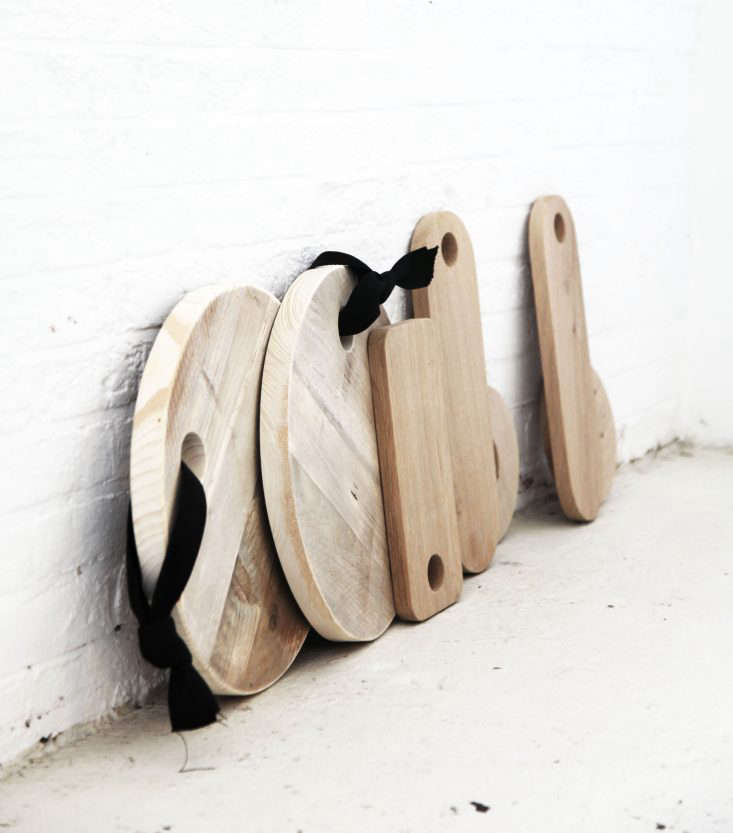
A round plank serving tray is a circular tray or serving board made from joined wood pieces, often arranged to highlight natural grain. Unlike a plain plastic tray or metal platter, a plank-style wooden tray has character. The individual wood sections create subtle lines that give the surface depth, almost like a tiny dining table dedicated entirely to appetizers.
Some round plank trays are completely flat and work like cheese boards or charcuterie boards. Others include raised rims, carved edges, handles, rope accents, metal hardware, or inset glass. The most versatile models usually land somewhere between “serving board” and “decorative tray,” which is why they can hold everything from croissants to candles.
Why Round Trays Work So Well
The Shape Feels Friendly
Round trays naturally invite sharing. A circular board placed in the center of a table lets guests reach from every side, which makes it perfect for appetizers, fruit, pastries, dips, and small bites. It feels less formal than a rectangular platter and more social than individual plates. Basically, it says, “Gather around,” but without needing to send a calendar invite.
They Balance Modern and Rustic Style
Wooden round trays work with farmhouse, coastal, modern organic, Scandinavian, boho, transitional, and even industrial interiors. A pale ash or whitewashed acacia tray can look light and breezy. A darker mango wood tray feels richer and more dramatic. A live-edge round board adds a handmade look, while a smooth lacquered tray leans polished and contemporary.
They Are Useful Beyond Serving Food
One reason round plank serving trays stay popular is their range. They can serve appetizers at a party, organize oils beside the stove, hold perfume bottles on a dresser, collect remotes on an ottoman, anchor candles on a coffee table, or display mugs beside a coffee maker. When not feeding people, they quietly organize the house like a wooden superhero with better manners.
Popular Materials for Round Plank Serving Trays
Acacia Wood
Acacia is one of the most common woods used for round serving trays and charcuterie boards. It is loved for its dramatic grain, warm brown tones, and sturdy feel. Many acacia trays are marketed as durable, moisture-resistant, and suitable for appetizers, desserts, cheese, bread, fruit, and decorative arrangements. The grain varies from piece to piece, which means your tray will not look like every other tray on the block.
Mango Wood
Mango wood has a softer, artisanal look and often appears in hand-carved trays, decorative platters, and bohemian-style serving pieces. It can show beautiful color variation, from honey tones to deeper brown streaks. Mango wood is especially attractive for decorative use because it gives a room warmth without screaming, “I was purchased during a panic before guests arrived.”
Bamboo
Bamboo is technically a grass, but in kitchenware it often behaves like a lightweight wood alternative. It is common in cutting boards and serving boards because it is hard, relatively light, and easy to carry. Bamboo trays usually fit casual kitchens, breakfast service, and simple snack boards.
Ash, Teak, Walnut, and Other Hardwoods
Ashwood trays can look pale, clean, and minimal. Walnut trays bring darker luxury. Teak offers a warm golden tone and is often associated with durability. The best choice depends on your home style, budget, and how often the tray will touch food directly.
How to Choose the Best Round Plank Serving Tray
Start With the Size
For everyday use, a tray between 12 and 14 inches across works well for coffee service, cookies, fruit, or a small cheese arrangement. A 16- to 18-inch round tray is better for entertaining because it can handle crackers, cheeses, small bowls, meats, nuts, and fruit without turning the whole thing into an edible traffic jam.
For large gatherings, oversized boards can be dramatic, but bigger is not always better. Make sure the tray fits your table, cabinet, sink, and actual human arms. A tray that looks glorious online but requires a forklift in real life may not become your weeknight favorite.
Look for Comfortable Handles
Handles matter more than people think. Cutout side handles, raised metal handles, or carved grips make the tray easier to move when loaded with drinks or appetizers. If the tray will mostly sit on a coffee table, handles are optional. If you plan to carry lemonade, muffins, or a heroic number of tacos, handles are your friends.
Check the Edge
A raised rim helps keep items from sliding off. Flat boards are beautiful for cheese and charcuterie, but a rimmed tray is more practical for drinks, cups, jars, and anything involving gravity. If you have ever watched an olive roll across a table like it has a personal mission, you understand the value of an edge.
Think About Food-Safe Finish
If the tray will touch food directly, look for food-safe finishes and care instructions. Some decorative trays are meant only for wrapped food, plates, bowls, candles, or display objects. A glossy lacquered tray may look gorgeous, but it may not be intended for slicing, wet foods, or direct contact with hot dishes. When in doubt, use parchment paper, small plates, ramekins, or a liner.
Best Uses for Round Plank Serving Trays
Charcuterie and Cheese Boards
Round plank serving trays are practically born for charcuterie. Start with two or three cheeses, add crackers, cured meats, fruit, nuts, olives, pickles, and a small bowl of jam or honey. Arrange items in loose clusters instead of perfect rows. The goal is abundance, not geometry homework.
For a balanced board, mix textures: creamy cheese, crunchy crackers, juicy fruit, salty nuts, and something tangy. Round boards are especially helpful because you can build from the center outward. Place a small bowl in the middle, then create curved sections around it. Suddenly, you are not just serving snacks; you are conducting a tiny edible orchestra.
Breakfast Trays
A round wooden tray can turn a normal breakfast into a weekend event. Try toast, butter, jam, fruit, boiled eggs, coffee, and a folded napkin. For families, a pancake topping tray with berries, syrup, whipped cream, bananas, and chocolate chips can make breakfast feel festive without requiring anyone to use the word “tablescape” before noon.
Coffee Table Styling
Interior designers often use trays to group objects so a surface looks intentional instead of cluttered. On a coffee table, a round plank tray can hold a candle, small vase, coasters, a book, and a decorative object. The tray creates a visual boundary, telling the eye, “This is a design moment,” not “Someone forgot to clean up.”
Kitchen Counter Organization
Use a round tray near the stove for olive oil, salt, pepper, and wooden spoons. Place one by the coffee maker for mugs, sugar, stirrers, and beans. A tray under everyday items keeps the counter looking cleaner because everything belongs to a zone. Organization is much easier when your clutter has real estate.
Holiday and Seasonal Displays
Round wooden trays are excellent for seasonal decorating. In fall, add mini pumpkins, cinnamon sticks, and amber glass. In winter, use pinecones, candles, ornaments, or greenery. In spring, try fresh flowers, pastel napkins, and small bowls of candy. In summer, go with citrus, woven coasters, and chilled drinks.
Food Safety Tips for Wooden Serving Trays
Wooden trays are beautiful, but they still need proper care when used with food. Wash food-contact wooden surfaces with hot, soapy water after use, rinse well, and dry promptly. Avoid soaking wooden trays in the sink, because long exposure to water can encourage warping, cracking, or splitting.
If the tray has held raw meat, poultry, seafood, or anything that could cross-contaminate ready-to-eat foods, sanitize it according to food-safety guidance or use separate boards for raw ingredients. For most entertaining, the safer and simpler approach is to keep raw proteins off decorative serving trays entirely. Use the round plank tray for cooked foods, bread, cheese, fruit, desserts, and snacks.
Perishable foods such as cheese, meats, dips, and cut fruit should not sit out indefinitely. For indoor serving, a common safety rule is to refrigerate perishable items within two hours. If the temperature is above 90 degrees Fahrenheit, the safe window becomes shorter. In other words, the brie may be charming, but it is not immortal.
How to Clean and Maintain a Round Plank Serving Tray
Hand Wash Gently
Use warm water, mild dish soap, and a soft sponge or cloth. Scrub gently, especially if food has dried on the surface. Rinse quickly and dry with a clean towel. Stand the tray upright or place it where air can circulate so both sides dry evenly.
Avoid the Dishwasher
Most wooden serving trays should not go through the dishwasher. High heat, detergent, and long water exposure can damage the wood fibers, dull the finish, loosen seams, and cause cracking. The dishwasher may be convenient, but for wood, it is basically a tiny sauna with trust issues.
Oil When Needed
If the tray is unfinished or designed for food contact, occasional conditioning with food-grade mineral oil or board cream can help keep the wood from drying out. Apply a small amount, let it absorb, and wipe away excess. Do not use cooking oils such as olive oil or vegetable oil, because they can become sticky or develop unpleasant odors over time.
Protect From Heat and Standing Water
Use trivets under hot pots, mugs, or baking dishes. Wipe spills quickly. Avoid leaving wet fruit, pickles, lemon slices, or saucy foods directly on the wood for long periods. Acid and moisture can mark the finish. Small bowls, parchment, leaves, or liners can protect the surface while keeping the presentation attractive.
Decorating Ideas With Round Plank Serving Trays
The Minimal Coffee Table Tray
Place a round tray in the center of the coffee table. Add one candle, one low vase, and one stack of coasters. That is enough. Minimal styling works because the wood grain already brings texture. Do not overcrowd it unless your design goal is “gift shop checkout counter.”
The Kitchen Island Centerpiece
Use a large round plank tray with a pitcher of flowers, a bowl of lemons, and folded cloth napkins. The tray keeps the display portable, so you can move it quickly when dinner prep begins. It also prevents the island from looking empty, which is useful if your kitchen is suspiciously clean and guests might ask questions.
The Guest Room Welcome Tray
Set a small round tray on a bedside table with bottled water, wrapped snacks, a tiny vase, and a note. It creates a hotel-like touch without needing a lobby or someone named Gerald to bring towels.
The Bathroom Spa Tray
A round wooden tray can organize hand towels, lotion, candles, and bath salts. Use it away from heavy splashing, and choose a sealed or decorative tray rather than an unfinished food board. Wood adds warmth to bathrooms that otherwise feel like tile decided to become a personality.
Round Plank Serving Trays vs. Regular Serving Boards
A regular serving board is usually flat and food-focused. A round plank serving tray is more flexible. It can behave like a board, but it can also act as decor, an organizer, or a centerpiece base. If it has handles or a rim, it becomes easier to carry and safer for drinks. If it is completely flat, it usually looks cleaner for cheese, bread, and fruit displays.
The choice depends on your main use. For slicing and prep, buy a true cutting board. For presentation, choose a serving tray or serving board. For coffee table styling, choose a decorative tray. For pretending you are the kind of person who casually serves figs on a Tuesday, choose any round plank tray and commit to the role.
Buying Tips: What to Look For Before You Bring One Home
First, inspect the surface. It should feel smooth, with no splinters, rough seams, or strong chemical smell. Second, check whether the tray is food-safe or decorative only. Third, consider storage. A tray with a hanging hole or handle can be displayed on a wall when not in use, which is great for small kitchens.
Fourth, match the tray to your lifestyle. If you host often, buy a larger tray with handles. If you live in a small apartment, choose a medium tray that can serve food and organize a coffee table. If you have children, pets, or enthusiastic adults who gesture wildly while telling stories, a raised rim may save your snacks.
Common Mistakes to Avoid
Do not treat every wooden tray like a cutting board. Many serving trays are not designed for knives. Cutting directly on a finished tray can scratch the surface and damage the coating. Do not soak the tray overnight. Do not place it in the dishwasher unless the manufacturer clearly says it is dishwasher safe. Do not leave wet cheese, citrus, or oily sauces sitting directly on the surface for hours.
Also, avoid buying solely by appearance. A beautiful tray with awkward handles, a wobbly base, or a finish that cannot touch food may spend more time posing than performing. Beauty matters, but usefulness keeps the tray out of storage.
Experience Notes: Living With Round Plank Serving Trays
The first thing you notice after using a round plank serving tray is how quickly it upgrades ordinary food. Crackers from the pantry, cheddar from the fridge, apple slices, and a handful of almonds suddenly look like a thoughtful snack board. Nobody needs to know the entire arrangement began as “I should probably eat something before I become dramatic.”
In everyday life, the round shape is surprisingly convenient. On a rectangular tray, food sometimes ends up in lanes, like appetizers waiting at airport security. On a round tray, everything feels more relaxed. A bowl of dip fits naturally in the center, while chips, vegetables, bread, or fruit circle around it. People can approach from any angle, which makes the tray ideal for game nights, family movie evenings, and casual visits.
One practical experience is that handles make a big difference. A flat round board looks beautiful on the table, but if you need to carry drinks from the kitchen to the patio, carved grips or side handles feel much safer. The moment a tray holds two mugs, a small bowl, and something sticky, confidence becomes more important than minimalism.
Another lesson: liners are underrated. Parchment paper, small plates, ramekins, lettuce leaves, or cloth napkins can protect the wood and make cleanup easier. This is especially helpful with oily cheese, juicy berries, pickles, honey, jam, and anything that might leave a stain. A tray can be rustic and still appreciate a little backup.
Round plank trays also shine as decor between meals. One can sit on a coffee table with a candle, coasters, and a small vase. Another can live beside the stove holding oil and seasonings. A smaller one can organize keys near the entryway. This is where the tray earns its keep. It is not just waiting for guests; it is working quietly every day, like a very attractive assistant who never asks for a lunch break.
For hosting, the best strategy is to build height and contrast. Place a small bowl in the center, fold some cured meats or arrange crackers in arcs, add fruit for color, and use nuts or chocolate pieces to fill gaps. The tray does not need to be perfectly symmetrical. In fact, slightly casual styling often looks better. The magic phrase is “abundant but not chaotic.” The danger phrase is “I bought the entire grocery store and now gravity is involved.”
Maintenance becomes a habit after a few uses. Hand wash, dry quickly, and store the tray where air can reach it. If the wood begins looking dull, a little food-safe mineral oil can refresh the surface if the tray’s finish allows it. Over time, small marks may appear, especially on trays used often. That is not failure; it is personality. A wooden tray should look cared for, not cryogenically preserved.
The best round plank serving tray is the one you actually use. It should be attractive enough to display, sturdy enough to carry, and simple enough to clean without requiring a full emotional support team. Choose the right size, respect the wood, avoid the dishwasher, and your tray can become one of those rare home items that is both beautiful and genuinely useful.
Conclusion
Round plank serving trays are more than pretty platforms for cheese. They are practical serving pieces, decorative anchors, countertop organizers, and quiet mood-makers for the home. Their circular shape encourages sharing, their wood grain brings natural warmth, and their versatility makes them useful long after the party ends.
From acacia charcuterie boards to mango wood centerpiece trays, the right round plank tray can make everyday meals feel more intentional and gatherings feel more welcoming. Choose a size that fits your lifestyle, look for food-safe construction if you plan to serve directly on it, clean it properly, and give it a little care when needed. Do that, and your tray will be ready for brunch, snacks, holidays, coffee table styling, and every “just a few appetizers” moment that mysteriously turns into dinner.