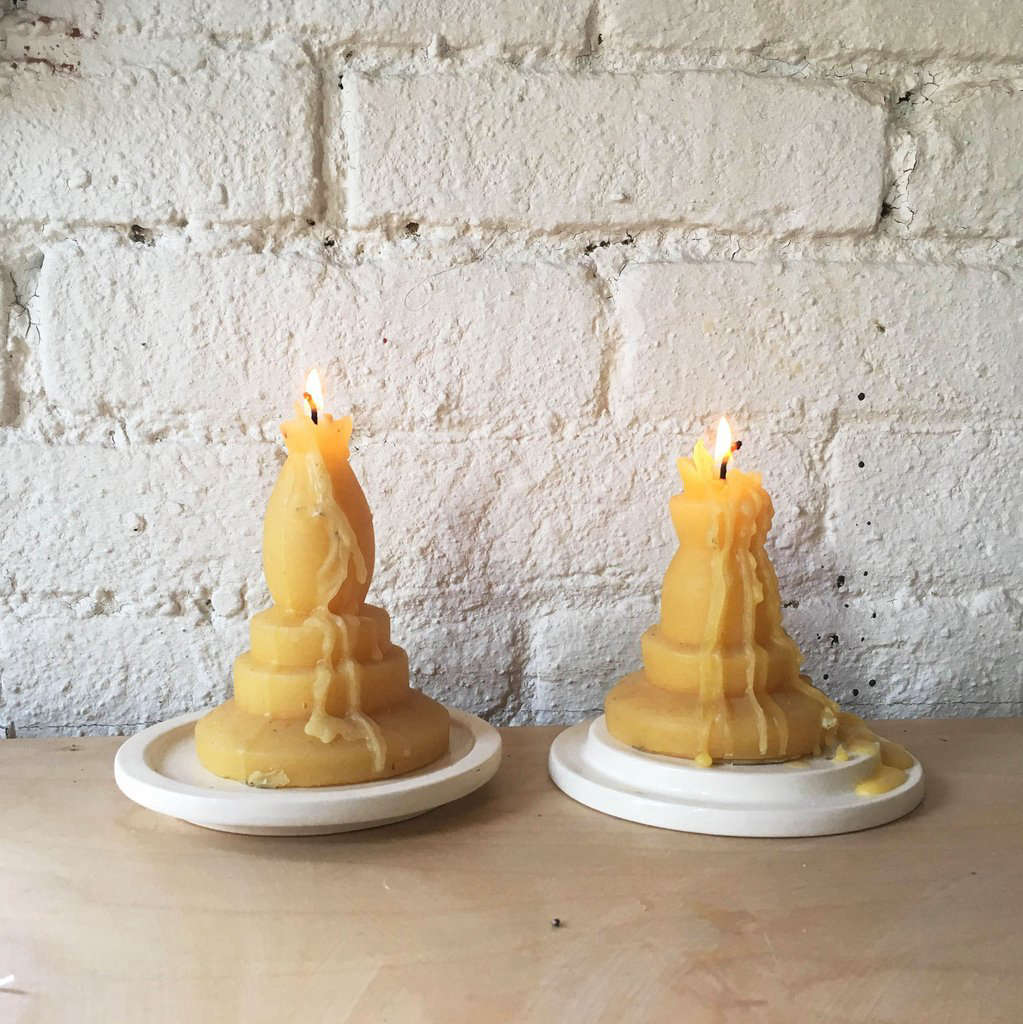
An earthenware candle stand is one of those small home accents that quietly walks into a room and says, “Relax, I have the lighting under control.” It is simple, earthy, useful, and charming without trying too hard. Unlike shiny metal holders or ultra-polished glass hurricanes, an earthenware candle stand brings warmth, texture, and handmade character to a space. It feels like something shaped by real hands, fired by real heat, and placed on your table to make Tuesday dinner look slightly more poetic.
In today’s home decor world, where natural materials, imperfect finishes, and cozy lighting are having a well-deserved moment, earthenware candle stands fit beautifully. They work in farmhouse kitchens, minimalist apartments, coastal bedrooms, rustic patios, boho shelves, and modern dining rooms that need just one touch of softness. Whether you use one for a taper candle, a tea light, a votive, or a small pillar candle, the right piece can make a room feel grounded, intentional, and quietly stylish.
This guide explores what an earthenware candle stand is, why it remains popular, how to choose one, how to style it, and how to care for it safely. Think of it as the friendly, candlelit tour your coffee table did not know it needed.
What Is an Earthenware Candle Stand?
An earthenware candle stand is a candle holder made from earthenware clay, a type of ceramic fired at relatively low temperatures compared with stoneware or porcelain. Earthenware is usually more porous, slightly softer, and more rustic in appearance. It may be glazed, partially glazed, painted, carved, textured, or left with a natural matte clay surface.
The word “earthenware” already gives away the mood. It feels connected to earth, clay, soil, and old-world craft. Many earthenware pieces have warm tones such as terracotta, ivory, cream, ochre, rust, brown, charcoal, or soft white. Some are smooth and refined; others show small marks, ridges, thumbprints, or tiny irregularities that make them look handmade rather than machine-perfect.
Earthenware vs. Stoneware vs. Porcelain
Earthenware, stoneware, and porcelain are all ceramics, but they behave differently. Earthenware is typically fired at lower temperatures and remains more porous unless sealed or glazed. Stoneware is fired hotter, making it denser and generally more durable. Porcelain is fired at high temperatures and is known for its fine, hard, often translucent body.
For candle stands, earthenware is loved less for industrial toughness and more for character. It has visual warmth. It makes a candle feel less like a product and more like a small ritual. Stoneware might be the sturdy hiking boot of ceramics; porcelain is the polished dress shoe; earthenware is the comfortable leather sandal that somehow looks good everywhere.
Why Earthenware Candle Stands Are So Popular
The appeal of an earthenware candle stand comes from a combination of beauty, function, and atmosphere. It does not merely hold a candle. It changes how the candle looks, how the table feels, and how the room behaves after sunset.
They Add Natural Texture
Modern interiors can easily become too smooth. Flat walls, sleek screens, polished counters, and clean-lined furniture are useful, but they can make a room feel a little cold. Earthenware adds surface interest. A ribbed, speckled, carved, or matte candle stand gives the eye something tactile to enjoy.
They Work With Many Decor Styles
An earthenware candle stand can look rustic, Mediterranean, Scandinavian, farmhouse, bohemian, coastal, Southwestern, or modern depending on its shape and finish. A raw terracotta piece feels sunbaked and casual. A white glazed holder feels calm and Nordic. A black handmade taper stand feels dramatic and gallery-like.
They Make Candles Feel More Intentional
A candle on its own is pleasant. A candle placed in a beautiful earthenware stand becomes a design moment. It says you did not just light a candle because the power went out. You lit it because ambiance matters, dinner deserves a glow-up, and your side table has been emotionally neglected.
Main Types of Earthenware Candle Stands
Before choosing an earthenware candle stand, consider the type of candle you plan to use. Candle size matters because a poorly fitted candle can lean, drip, overheat, or become unsafe.
Earthenware Taper Candle Stands
Taper candle stands are designed for tall, slim candles. They are perfect for dining tables, mantels, console tables, and holiday settings. A good taper holder should have a snug opening, a balanced base, and enough height or width to keep the candle steady.
Tea Light and Votive Holders
Tea light and votive styles are usually lower and more compact. Some have small carved openings that allow light to flicker through the clay body. These are lovely on bedside tables, bathroom shelves, outdoor dinner settings, and cozy reading corners.
Pillar Candle Stands
Pillar candle stands often have a wider top plate or shallow dish to catch wax. These pieces are great for coffee tables, entryway consoles, fireplaces, and large dining tables. When choosing one, make sure the candle sits fully on the surface without wobbling.
Sculptural Earthenware Candle Stands
Some earthenware candle stands are closer to art objects than basic holders. They may have curved bases, stacked forms, abstract silhouettes, handles, arches, or hand-built shapes. These are ideal when you want the piece to look beautiful even when the candle is not lit.
How to Choose the Best Earthenware Candle Stand
A beautiful candle stand is wonderful, but beauty should not be the only test. The best earthenware candle stand should be stable, properly sized, easy to clean, and suitable for real candle use.
Check the Base
A candle stand should sit flat on the surface. If it rocks like a tiny ceramic boat in a storm, skip it or use it only as decoration. A wide, balanced base is especially important for taper candles, which are taller and easier to knock over.
Look for Heat-Safe Design
Use candle stands made specifically for candles. A random clay cup, flower pot, or decorative dish may look charming, but that does not automatically make it safe for an open flame. The holder should be sturdy, heat-resistant, and large enough to contain drips or melted wax.
Match the Candle Size
A taper candle should fit securely in the opening. A votive should sit inside the holder without touching unstable edges. A pillar candle should not hang over the sides. If the candle needs aluminum foil, hope, and a motivational speech to stay upright, it is not the right fit.
Consider Glazed vs. Unglazed Finishes
Glazed earthenware is often easier to wipe clean because wax and soot are less likely to cling deeply to the surface. Unglazed earthenware has a gorgeous raw texture, but it can absorb stains more easily. If you love unglazed terracotta, choose it for its natural patina and do not expect it to stay showroom-perfect forever.
Think About Color and Mood
Terracotta and rust tones create warmth. Cream and white feel soft and relaxed. Black or charcoal adds contrast. Olive, sand, clay pink, and muted blue can bring personality without screaming for attention. Choose a color that supports the mood of the room instead of fighting with it.
Styling Ideas for an Earthenware Candle Stand
One earthenware candle stand can be pretty. A thoughtful arrangement can be stunning. The key is to style with balance, not clutter.
Use Odd Numbers
Groups of three or five often look natural. Try three earthenware taper stands in different heights on a dining table. Or place one pillar holder with two smaller tea light holders on a tray. The result feels collected rather than overly matched.
Mix Heights and Shapes
A low rounded holder next to a tall narrow stand creates movement. A ribbed piece beside a smooth one adds depth. The goal is contrast without chaos. Imagine a polite dinner party, not a ceramic wrestling match.
Pair With Natural Materials
Earthenware looks beautiful with linen napkins, wooden trays, stone bowls, woven placemats, dried flowers, fresh herbs, brass accents, and handmade ceramics. For a relaxed centerpiece, place a terracotta candle stand beside a small vase of olive branches or eucalyptus.
Create Seasonal Displays
In spring, pair cream earthenware with fresh flowers and pale candles. In summer, use terracotta holders on outdoor tables with citrus, rattan, and linen. In fall, add amber glass, dried grasses, and warm-toned candles. In winter, mix white glazed candle stands with evergreen branches and simple beeswax tapers.
Safety Tips for Using an Earthenware Candle Stand
Candles are lovely, but they are still open flames. A candle stand should improve safety, not simply look photogenic for ten seconds before causing drama.
Always place an earthenware candle stand on a stable, heat-resistant surface. Keep burning candles away from curtains, paper, bedding, books, dried flowers, loose decorations, and anything else that can catch fire. Leave at least 12 inches of clearance around the flame. Do not leave a candle burning unattended, and extinguish candles before leaving the room or going to sleep.
Trim candle wicks to about one-quarter inch before lighting to reduce high flames, smoke, and soot. Avoid placing candles near drafts, open windows, fans, or vents because moving air can make flames flicker unevenly. Never move a candle stand while the wax is melted. Hot wax is not a personality test anyone needs to take.
If the earthenware holder becomes unusually hot, cracks, smells odd, or shows signs of damage, stop using it with real candles. Decorative ceramics can vary widely in quality, glaze, thickness, and intended use. When in doubt, use a flameless LED candle instead.
How to Clean and Care for an Earthenware Candle Stand
Proper care keeps your candle stand attractive and useful for years. The cleaning method depends on whether the piece is glazed or unglazed.
Removing Wax
Let wax harden completely before cleaning. For glazed pieces, you can often loosen wax gently with a plastic scraper or your fingernail. Avoid metal tools that may scratch the glaze. If the piece is sturdy and the maker’s care instructions allow it, a brief chill in the freezer may help wax contract and release more easily. Do not expose fragile earthenware to sudden extreme temperature changes unless you are sure it can handle it.
Cleaning Glazed Earthenware
Use a soft cloth, warm water, and mild dish soap. Wipe gently, rinse lightly, and dry thoroughly. Avoid abrasive pads, harsh cleaners, or soaking for long periods unless the maker recommends it.
Cleaning Unglazed Earthenware
Unglazed clay is more absorbent. Use a dry or slightly damp cloth for routine cleaning. For stubborn marks, use mild soap sparingly and dry the piece completely. Over time, unglazed earthenware may develop a patina. That is part of its charm, not a design emergency.
Where to Use an Earthenware Candle Stand
An earthenware candle stand is versatile, but placement matters. On a dining table, it creates intimacy and makes even takeout feel a little more civilized. On a mantel, it adds height and rhythm. On a bedside table, it looks peaceful, though flameless candles are the safer choice near bedding. On a bathroom shelf, it can create a spa-like mood, as long as it is kept away from towels, tissue, and other flammable items.
For outdoor use, choose a sheltered spot and avoid windy conditions. A breeze can turn a peaceful flame into a tiny torch with ambitions. Earthenware can look beautiful on patios and garden tables, but bring it indoors during heavy rain, freezing temperatures, or rough weather unless it is specifically designed for outdoor use.
Buying Checklist: What Makes a Quality Earthenware Candle Stand?
When shopping for an earthenware candle stand, look beyond the first pretty photo. A quality piece should feel balanced in the hand, sit flat, and have a candle opening or platform that matches standard candle sizes. The surface should be finished well, without sharp edges where your fingers will touch. If glazed, the glaze should appear even and secure, though handmade variation is normal.
For handmade pieces, small differences in shape and color are expected. That is part of the appeal. However, cracks, unstable bases, loose attachments, or poorly sized candle cups are not charming quirks; they are red flags wearing pottery clothes.
Ask whether the piece is intended for real candles or decorative use only. Some sculptural ceramics are designed as art objects, not functional candle holders. If the seller gives clear care and safety instructions, that is usually a good sign.
Common Mistakes to Avoid
The first mistake is choosing a stand only because it looks good in a photo. Always think about scale, candle size, and stability. The second mistake is using the wrong candle. A taper that is too thin can lean; a pillar that is too wide can drip over the edge; a tea light placed in a deep holder without ventilation may burn poorly.
Another mistake is styling too many candles in one small area. Candlelight should glow, not stage a fire festival. Keep arrangements breathable and practical. Finally, do not ignore care instructions. Earthenware is strong enough for decor, but it is not indestructible. Dropping it on tile is still a bad plan, even if you whisper “artisan” on the way down.
Experiences Related to Earthenware Candle Stands
Living with an earthenware candle stand teaches you that small objects can change daily habits. At first, it may seem like a simple decorative item. You place it on a table, add a candle, and admire the color of the clay. But after a few evenings, it becomes part of a routine. You light it before dinner, while reading, during a quiet bath, or when guests come over. Suddenly, the room has a softer pace.
One of the nicest experiences with an earthenware candle stand is how naturally it blends into everyday life. It does not need a holiday, a party, or a dramatic tablescape. A single terracotta holder with a cream taper can make a plain wooden table feel warm. A small white glazed votive holder can make a bathroom counter feel calmer. A pair of hand-thrown candle stands on a mantel can make the whole room look more thoughtful, even if the laundry basket is still lurking nearby like an unpaid intern.
The tactile quality is another pleasure. Earthenware often has a surface you want to touch. A slight ridge from the potter’s wheel, a matte finish, a carved line, or a tiny glaze variation makes the piece feel personal. Unlike mass-produced plastic decor, earthenware has depth. It shows process. You can almost imagine the clay being shaped, dried, fired, cooled, and finished. That sense of craft adds emotional value, especially in homes where people want fewer but better objects.
There is also a practical lesson: not every candle works with every stand. After using earthenware holders for a while, you start noticing candle diameter, wax quality, wick length, and burn behavior. A good beeswax taper may sit beautifully and burn cleanly. A cheap candle may drip like it has a personal grudge against your tablecloth. Over time, you learn to test fit candles before lighting them and to keep a small tray or plate under holders that may catch wax.
Earthenware candle stands also make excellent gifts because they feel personal without being too risky. They are useful, decorative, and easy to pair with candles, matches, or a linen napkin set. A handmade candle stand can work as a housewarming gift, wedding favor, holiday present, or simple “I saw this and thought of you” surprise. Unlike trendy decor that expires emotionally in six months, a well-chosen earthenware piece can stay relevant for years.
The most memorable experience, though, is the atmosphere. Earthenware changes candlelight. The clay surface softens the scene. Terracotta warms the flame; white glaze reflects it; dark clay makes it feel moodier. The stand becomes part of the light, not just a support for it. In a world full of bright screens and overhead lighting, that little pool of warm glow feels surprisingly luxurious.
Using an earthenware candle stand is not about pretending life is perfect. It is about giving ordinary moments a little ceremony. Dinner tastes better. Conversations slow down. A quiet corner becomes inviting. Even cleaning wax from the holder feels like evidence that the object is being used, not just displayed. That is the beauty of earthenware: it is humble, handsome, and practical. It brings the earth to the table and lets the flame do the rest.
Conclusion
An earthenware candle stand is more than a place to park a candle. It is a small design tool with a big effect. It adds texture, warmth, and handmade charm while supporting the cozy glow that makes a house feel like home. Whether you prefer rustic terracotta, soft glazed cream, sculptural black clay, or hand-painted detail, the right earthenware candle stand can elevate a shelf, table, mantel, or patio setting.
Choose a piece that is stable, properly sized, and designed for candle use. Style it with natural materials, clean it gently, and treat open flames with respect. Do that, and your candle stand will reward you with years of atmosphere, character, and quietly beautiful light.