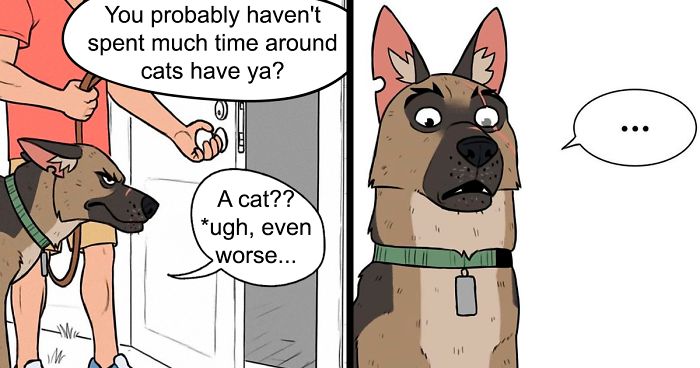
Some internet comics arrive like a polite knock at the door. Pixie and Brutus arrived more like a tiny kitten sprinting through the hallway while a massive scar-faced dog tries to pretend he is not emotionally attached. Created by illustrator Ben Hed, also known online as Pet Foolery, the series became one of the internet’s most beloved animal comics because it blends cuteness, chaos, loyalty, and just enough emotional whiplash to make readers laugh, smile, and occasionally stare at a wall wondering why a cartoon dog has better character development than half the streaming shows in their queue.
The viral headline that Pixie and Brutus had already crossed 2.3 million followers captured a major milestone in the comic’s rise. Since then, the audience around Ben Hed’s work has continued to grow across platforms including Instagram, WEBTOON, Patreon, and fan communities. The reason is not complicated: Pixie is a tiny, bright-eyed kitten with maximum enthusiasm and almost no suspicion of danger. Brutus is a huge, battle-scarred retired military dog with the emotional range of a grumpy bodyguard who secretly keeps every birthday card. Put them together and you get comedy gold with paws.
Who Are Pixie And Brutus?
Pixie and Brutus follows an unlikely friendship between two animals who could not look more different. Pixie is small, innocent, cheerful, and dangerously optimistic. She sees the world as a playground full of friends, snacks, and mysteries that absolutely need to be investigated immediately. Brutus, on the other hand, is enormous, intimidating, scarred, and deeply experienced. He has the kind of face that says, “I have seen things,” while Pixie has the kind of face that says, “Can those things be my friends?”
That contrast is the engine of the series. Pixie’s innocence creates the spark, and Brutus’s protective seriousness turns it into a punchline. He is not just a grumpy dog; he is a guardian. He understands dangers Pixie does not. He anticipates problems before they happen. He is basically a security system with fur, trauma, and a soft spot the size of a beanbag chair.
The best part is that the friendship never feels forced. Pixie does not “fix” Brutus by being cute, and Brutus does not dim Pixie’s personality by being cautious. Instead, their differences create balance. She brings warmth to his world. He brings safety to hers. If that sounds sweet, it is. If it sounds like it might also involve a lot of accidental property damage, also yes.
Why Ben Hed’s Pet Foolery Comics Became So Popular
Animal comics have always had a special place online. Cats and dogs already rule the internet with tiny velvet paws and suspiciously judgmental expressions. But Ben Hed’s work stands out because it does more than say, “Look, cute animals.” The comics use simple setups, expressive character design, and emotional contrast to create stories that feel complete even when they are short.
Pixie and Brutus are instantly readable. You know who they are within seconds. Pixie’s round softness communicates innocence. Brutus’s size, scars, and serious posture communicate history and toughness. Before a single joke lands, the visual language is already doing heavy lifting. That is one reason the strips work so well on social media, where readers often decide in half a second whether to keep scrolling or emotionally adopt a fictional kitten.
The Magic Is In The Contrast
Most great comic duos are built on contrast. One character is loud, the other quiet. One is reckless, the other cautious. One wants adventure, the other wants five uninterrupted minutes of peace. Pixie and Brutus follows that classic formula but gives it a pet-comic twist. Pixie often misunderstands the world in adorable ways, while Brutus understands it too well.
This dynamic lets the strip move between comedy and tenderness without feeling awkward. A scene can begin with Pixie asking a wildly innocent question, shift into Brutus silently panicking about the consequences, and end with a punchline that lands because both characters remain true to themselves. The humor is not random. It grows from who they are.
Short Comics, Big Feelings
One reason these comics travel so well online is their compact storytelling. Many strips use only a few panels, but they still include setup, tension, character reaction, and payoff. That structure is ideal for Instagram and mobile reading. People can enjoy a complete mini-story while waiting for coffee, pretending to answer emails, or sitting in the parking lot because “one more comic” turned into twelve.
But the short format does not mean shallow storytelling. Over time, readers have learned Brutus’s protective instincts, Pixie’s curiosity, and the emotional rhythm of their friendship. That creates continuity. Fans are not just consuming isolated jokes; they are following a relationship.
What Makes The 18 Newest Strips So Fun?
The collection of 18 newer strips that helped revive attention around Pixie and Brutus shows why the series has staying power. These comics are not merely cute snapshots. They expand the emotional playground of the characters while keeping the jokes accessible. The stories often revolve around misunderstandings, pet behavior, everyday chaos, and the gap between Pixie’s view of the world and Brutus’s survival-trained caution.
Some strips lean into domestic comedy. Pixie may approach an ordinary situation as if it is a grand adventure, while Brutus treats the same situation as a tactical operation. That difference makes even tiny moments feel big. A suspicious noise, a new animal, a household object, or a simple question can become a full comic scenario because Pixie and Brutus process everything differently.
Other strips use Brutus’s backstory as emotional seasoning. The comic does not need to explain everything about his past in every installment. His design and behavior already suggest experience, discipline, and pain. When that seriousness collides with Pixie’s sunshine energy, the result is both funny and strangely touching. Readers laugh at the situation, then realize they are also invested in whether this giant dog feels safe and loved. Rude of a comic strip to sneak feelings into the snack bowl like that.
1. Pixie’s Innocence Still Drives The Comedy
Pixie is funny because she is fearless in the way only a kitten can be. She does not recognize half the threats around her, which creates the perfect setup for Brutus to overreact, intervene, or quietly save the day. Her innocence is never written as stupidity. Instead, it feels like pure curiosity. She believes the world is friendly until proven otherwise, and sometimes even after it has submitted several forms of proof.
2. Brutus Remains The Ultimate Gentle Giant
Brutus could easily have become a one-note tough-guy character, but the series gives him more depth. He is intimidating, yes, but his strength is almost always used to protect. The joke often comes from the difference between his appearance and his behavior. He looks like he could intimidate a thunderstorm, yet he spends much of his emotional energy worrying about one tiny kitten.
3. The Side Characters Add Fresh Energy
Part of the charm of the newer strips is the way the wider Pet Foolery universe gives Pixie and Brutus more personalities to bounce against. Other animals can challenge Pixie’s innocence, test Brutus’s patience, or create situations where both characters reveal something new. A strong comic duo is great; a flexible supporting cast keeps the world from becoming repetitive.
4. The Humor Feels Family-Friendly Without Feeling Flat
Another reason Pixie and Brutus has broad appeal is that the humor is accessible. It does not rely on edgy shock value or complicated references. The jokes are built around personality, timing, and visual expression. That makes the comics easy for younger readers to enjoy while still giving adults enough emotional nuance to stay interested. In other words, it is wholesome without being boring, which is harder than it looks.
Why Fans Keep Coming Back
The popularity of Pixie and Brutus is not just about adorable animals. Plenty of comics are cute. Plenty of accounts post dogs and cats. What Ben Hed has built is a recognizable emotional pattern. Fans return because they know the comic will deliver a mix of warmth, humor, and character-based surprise. It is familiar enough to feel comforting, but flexible enough to stay fresh.
Fans also enjoy the feeling that Pixie and Brutus are growing as a pair. Brutus becomes more than a protector, and Pixie becomes more than a source of chaos. Their bond gives the series a soft continuity that rewards repeat readers. When a new strip appears, fans are not just asking, “What is the joke?” They are asking, “What are my tiny chaos cat and giant emotional-security dog doing today?”
The Art Style: Simple, Expressive, And Instantly Shareable
Ben Hed’s art style is a major reason the comics work. The characters are expressive without being overcomplicated. Pixie’s tiny body and big eyes communicate energy immediately. Brutus’s heavy build, scars, and guarded expression tell readers who he is before the plot begins. This kind of visual clarity is essential for webcomics, especially on fast-moving social platforms.
The panels are usually easy to follow, with clean staging and strong reactions. That matters because online readers often encounter comics in a feed, not in a quiet reading environment. The comic has to communicate quickly. Pixie and Brutus does exactly that. It catches attention with contrast, holds attention with character, and earns engagement with a strong final beat.
How Pixie And Brutus Fit Into Modern Webcomic Culture
Modern webcomics thrive when they are easy to share, emotionally clear, and built around memorable characters. Pixie and Brutus checks all three boxes. The strips are short enough for mobile reading, expressive enough to understand quickly, and character-driven enough to build loyalty over time.
The comic also benefits from the broader shift toward creator-led entertainment. Readers increasingly follow individual artists, not just big publishers. Platforms like Instagram, Patreon, Kickstarter, and WEBTOON allow creators to build direct relationships with fans. Ben Hed’s Pet Foolery brand fits that model well: fans can discover a strip on social media, follow the creator, read more episodes, support exclusive content, or join a larger community around the characters.
What Content Creators Can Learn From Pixie And Brutus
For artists, bloggers, and social media creators, the success of Pixie and Brutus offers several useful lessons. First, strong character contrast is powerful. You do not need a complicated world if your characters naturally create conflict and comedy. Pixie and Brutus can turn small situations into memorable stories because their personalities react differently to the same event.
Second, consistency builds attachment. Fans do not become loyal after one cute drawing. They become loyal when they repeatedly recognize a voice, a rhythm, and a set of characters they care about. Pet Foolery created that pattern and kept returning to it with fresh angles.
Third, emotional range matters. A comic that is only cute may get a like. A comic that is cute, funny, protective, and a little heartfelt is more likely to be saved, shared, and remembered. The internet may run on speed, but it still rewards feeling.
Why The Series Works For Both Cat People And Dog People
One of the funniest things about Pixie and Brutus is how peacefully it unites cat people and dog people, two groups historically separated by furniture damage and strong opinions. Cat lovers see Pixie’s curiosity, confidence, and tiny dramatic energy. Dog lovers see Brutus’s loyalty, protectiveness, and deeply committed “I will handle this” attitude. Everyone wins, except possibly the furniture.
The comic understands both animals without reducing them to stereotypes. Pixie has classic kitten energy, but she is not just random chaos. Brutus has classic dog loyalty, but he is not just obedient muscle. Their personalities feel exaggerated in a comic way while still being rooted in behaviors pet owners recognize. That mix makes readers think of their own pets, which increases the emotional connection.
The Emotional Core Beneath The Jokes
At its heart, Pixie and Brutus is about trust. Pixie trusts the world. Brutus does not. Pixie trusts Brutus. Brutus trusts himself to protect Pixie, even when he is not sure how to process her endless cheerfulness. That emotional triangle gives the series more weight than a typical gag comic.
Readers respond to Brutus because he represents a familiar kind of guarded love. He may not be openly sentimental, but his actions show care. He watches, warns, shields, and sacrifices his peace of mind for Pixie’s safety. Pixie, in turn, offers him uncomplicated affection. She does not judge his scars or seriousness. She simply accepts him. That is a lot of emotional storytelling for a comic about a kitten and a dog, but that is exactly why it works.
Experiences Related To Reading Pixie And Brutus Comics
Reading Pixie and Brutus often feels like checking in on two tiny internet friends who somehow live rent-free in your brain. Many readers discover the series casually, maybe through a shared post or a reposted panel, and then suddenly find themselves scrolling through older comics like a detective investigating a case called “Why Am I Emotionally Attached To This Dog?” That experience is part of the fun. The series is easy to enter, but surprisingly hard to leave.
One common experience is the instant mood shift. You might open your phone during a dull afternoon, see Pixie being impossibly cheerful, watch Brutus react with silent panic, and feel your stress soften for a moment. The strips are short, but they create a small emotional reset. They remind readers of pets, friendships, and the funny gap between how innocent creatures see the world and how experienced creatures try to protect them from it.
Another relatable experience is recognizing real pet behavior in exaggerated form. Anyone who has lived with a kitten knows Pixie’s energy: the confidence of a creature that weighs less than a sandwich but believes it can challenge gravity, furniture, and possibly international law. Anyone who has loved a dog knows Brutus’s loyalty: the quiet watchfulness, the protective presence, the sense that the dog is always monitoring the room for suspicious noises, snack opportunities, and emotional disturbances.
The comics also create a shared language among fans. People tag friends because one person is “definitely Pixie” and another is “emotionally Brutus before coffee.” That kind of identification helps the series spread. The characters become personality shorthand. Pixie represents optimism, curiosity, and delightful chaos. Brutus represents caution, strength, and reluctant tenderness. Together, they become a tiny personality test with paws.
For aspiring artists, the experience of following Pixie and Brutus can be motivating. The series shows that a simple idea can grow into a beloved world when the characters are clear and the emotional rhythm is strong. You do not need an enormous cast or a complicated mythology to make readers care. Sometimes all you need is a tiny kitten, a giant dog, and a creator who understands timing.
For pet owners, the strips may feel especially personal. They capture the way animals can become emotional anchors in daily life. Pets are funny, inconvenient, messy, expensive, and occasionally committed to sitting exactly where they should not sit. Yet they also bring comfort in ways that are hard to explain without sounding like you have been defeated by a creature who drinks from a bowl. Pixie and Brutus understands that contradiction. It turns pet chaos into comedy and pet loyalty into warmth.
The newest strips continue that experience by giving fans more of what they love while keeping the relationship fresh. Each new comic is a small return to a familiar world. Readers already know the emotional rules, so the creator can play with expectations. Sometimes Pixie misunderstands something. Sometimes Brutus overprepares. Sometimes the punchline is silly. Sometimes the softness sneaks up at the end like a cat climbing onto your lap while pretending it was your idea.
That is why the series has lasted beyond a single viral moment. The internet forgets many things quickly, including passwords, trends, and why everyone was mad last Tuesday. But characters with a real emotional hook can endure. Pixie and Brutus are memorable because they are not just cute designs. They are a relationship readers understand instantly and want to revisit.
Conclusion
Pixie and Brutus remains one of the internet’s most charming animal comic series because it combines visual contrast, emotional storytelling, and clean comedic timing. Ben Hed created a duo that feels simple at first glance but grows richer the more readers follow them. Pixie brings innocence, joy, and chaos. Brutus brings strength, caution, and a heart he would probably deny having if asked directly.
The 18 newer strips celebrated in the viral round-up are a reminder of why fans keep showing up. They offer quick laughs, cozy pet energy, and the satisfying rhythm of two opposite personalities becoming family. In a crowded online world, that kind of warmth stands out. It is cute, yes, but it is also smart storytelling. And if a tiny kitten and a retired military dog can teach the internet anything, it is that friendship works best when one person brings sunshine and the other checks the perimeter.
Note: This article is an original editorial piece based on publicly available information about Ben Hed, Pet Foolery, Pixie and Brutus, and related creator platforms. It does not reproduce copyrighted comic panels, artwork, or dialogue.