Some desserts whisper. Pistachio-honey toffee walks into the room wearing a golden jacket, crunches loudly, and politely steals the spotlight from every cookie on the tray. It is buttery, glassy, nutty, floral, salty, and just fancy enough to make people ask, “Wait, did you buy this from a little shop with linen curtains and impossible parking?”
The good news: you can make it at home. The slightly dramatic news: toffee is not the kind of candy that enjoys guesswork. It likes a candy thermometer, a prepared pan, and a cook who does not wander off to answer a text. But once you understand the basicssugar, butter, honey, heat, and timingthis pistachio-honey toffee becomes one of the most rewarding homemade candies you can make.
This guide breaks down what makes pistachio-honey toffee special, how to make it properly, what mistakes to avoid, and how to serve it like a dessert-table professional. We will also talk about texture, flavor pairings, storage, gifting ideas, and real kitchen experience, because candy-making has a personality. Sometimes it is charming. Sometimes it is a tiny caramel volcano.
What Is Pistachio-Honey Toffee?
Pistachio-honey toffee is a crisp butter candy cooked until the sugar mixture reaches the hard-crack stage, then finished with pistachios and often a sprinkle of salt or a layer of chocolate. Classic toffee is typically made from sugar and butter. This version adds honey, which brings a delicate floral sweetness and a deeper golden flavor.
The pistachios matter just as much as the honey. Their mild, buttery nuttiness pairs beautifully with caramelized sugar. Almonds and pecans may be the usual toffee suspects, but pistachios bring color, elegance, and a flavor that feels slightly Mediterranean without requiring you to pronounce anything difficult before dessert.
Why Honey Works So Well in Toffee
Honey is not just a sweetener here; it is a flavor builder. Depending on the variety, honey can taste floral, grassy, citrusy, earthy, or lightly spicy. Clover honey gives a soft sweetness, orange blossom honey adds a bright aroma, and wildflower honey brings more complexity. In pistachio-honey toffee, the honey rounds out the sharp sweetness of sugar and gives the candy a warm, almost golden-brown depth.
Honey also changes the way the candy behaves. Because it contains natural sugars such as fructose and glucose, it can help create a smooth syrup when used properly. However, too much honey may make the toffee softer or more prone to stickiness, especially in humid kitchens. The trick is balance: enough honey to taste luxurious, not so much that your toffee turns into a clingy caramel situation.
The Flavor Profile: Sweet, Salty, Nutty, and Snappy
A great pistachio-honey toffee has contrast. The first bite should crack cleanly, then melt into buttery caramel notes. The pistachios should taste toasted, not raw or sleepy. The honey should be present but not loud. A small amount of salt should sharpen the sweetness, like turning up the brightness on a photo.
If you add chocolate, dark chocolate is the best partner. Milk chocolate can work, but it may make the candy taste sweeter than necessary. Dark chocolate brings bitterness, which helps balance the butter and honey. White chocolate is possible, but it moves the whole dessert into “very sweet gift basket” territory, so use it with confidence and maybe a strong cup of coffee nearby.
Essential Ingredients for Pistachio-Honey Toffee
Butter
Use good-quality unsalted butter. Toffee depends heavily on butter flavor, so this is not the moment for a mysterious bargain stick hiding in the back of the fridge. Unsalted butter gives you control over the final salt level.
Sugar
Granulated sugar creates the clean, crisp structure of the toffee. Some recipes use brown sugar for a deeper molasses note, but for pistachio-honey toffee, white sugar lets the honey and nuts shine clearly.
Honey
Choose a honey you enjoy eating by the spoonful. Mild honey is best if you want a classic candy flavor. Stronger honey works if you want a more dramatic, grown-up toffee.
Pistachios
Use shelled pistachios, preferably roasted and unsalted. If your pistachios are raw, toast them briefly before adding them. Toasting wakes up their flavor and improves their crunch.
Salt
A small amount of fine salt inside the toffee helps balance the sweetness. Flaky salt on top adds texture and makes the candy look bakery-worthy.
Chocolate Optional, But Encouraged
A thin layer of dark chocolate turns pistachio-honey toffee into a polished confection. The chocolate also helps hold a final sprinkle of chopped pistachios in place.
Recommended Equipment
You do not need a professional candy kitchen, but a few tools make the process smoother. Use a heavy-bottomed saucepan so the sugar cooks evenly. A candy thermometer or reliable instant-read thermometer is highly recommended. You will also need a rimmed baking sheet, parchment paper or a silicone baking mat, a heatproof spatula, and a sharp knife if you want neat pieces.
Toffee moves quickly once it reaches the right temperature, so prepare everything before turning on the stove. Chop the pistachios, line the pan, measure the ingredients, and clear the counter. Candy-making rewards preparation. It does not reward “Where did I put the parchment?” panic.
Pistachio-Honey Toffee Recipe
Ingredients
- 1 cup unsalted butter, cut into pieces
- 1 cup granulated sugar
- 1/4 cup honey
- 2 tablespoons water
- 1/2 teaspoon fine sea salt
- 1 teaspoon vanilla extract
- 1 cup roasted shelled pistachios, roughly chopped
- 1 cup dark chocolate chips or chopped dark chocolate, optional
- Flaky sea salt, for topping
- Extra chopped pistachios, for topping
Instructions
- Line a rimmed baking sheet with parchment paper or a silicone baking mat. Set it near the stove.
- In a heavy-bottomed saucepan, combine butter, sugar, honey, water, and fine sea salt.
- Cook over medium heat, stirring gently until the butter melts and the sugar begins to dissolve.
- Attach a candy thermometer to the pan. Continue cooking, stirring often but not wildly, until the mixture turns amber and reaches about 300°F to 305°F.
- Remove the pan from the heat immediately. Stir in vanilla carefully; the mixture may bubble.
- Quickly stir in most of the chopped pistachios, saving a small handful for topping.
- Pour the hot toffee onto the prepared baking sheet and spread it into an even layer.
- If using chocolate, scatter it over the hot toffee. Let it sit for a few minutes, then spread the melted chocolate evenly.
- Sprinkle with extra pistachios and flaky sea salt.
- Let the toffee cool completely at room temperature, then break or cut into pieces.
How to Know When Toffee Is Done
The target is the hard-crack stage, usually around 300°F to 310°F. At this point, most of the water has cooked out, and the sugar structure is ready to set into a brittle, crisp candy. If you stop too early, the toffee may be chewy or sticky. If you cook too far, it may taste bitter or burnt.
Color helps, but it should not be your only guide. The mixture should be a rich amber shade, similar to polished maple wood. If it smells deeply buttery and caramelized, you are close. If it smells burnt, you have gone too far, and the candy gods have chosen chaos.
Common Mistakes and How to Avoid Them
The Butter Separates
Butter separation is one of the most common toffee problems. It can happen when the temperature changes too quickly, the mixture is stirred too aggressively, or the butter-to-sugar balance is off. Use medium heat, stir steadily, and avoid sudden temperature swings.
The Toffee Is Grainy
Graininess usually comes from sugar crystals forming during cooking. Make sure the sugar dissolves properly at the start. Avoid scraping sugar crystals from the sides of the pan back into the mixture. A little water and honey can help create a smoother syrup.
The Toffee Is Too Soft
Soft toffee usually means it did not reach a high enough temperature. Use a thermometer and cook to the hard-crack range. Humidity can also make candy softer, so store finished toffee in an airtight container.
The Pistachios Taste Flat
Raw or stale nuts can dull the whole recipe. Toast raw pistachios before using them, and smell them first. Fresh pistachios should smell nutty and clean, not oily or bitter.
Best Ways to Serve Pistachio-Honey Toffee
Pistachio-honey toffee is wonderful on its own, but it also plays well with other desserts. Break it into shards and serve with espresso, hot tea, or after-dinner coffee. Chop it finely and sprinkle it over vanilla ice cream. Use it as a topping for brownies, cheesecake, yogurt bowls, or chocolate mousse.
For a dessert board, pair it with fresh berries, dried apricots, dark chocolate squares, shortbread cookies, and soft cheeses. The combination of honey, pistachio, and salt makes the toffee feel elegant without becoming fussy. It is the kind of treat that looks expensive even when it came from your saucepan and a baking sheet that has seen things.
Gift Ideas for Homemade Toffee
Pistachio-honey toffee makes an excellent edible gift because it is beautiful, sturdy, and easy to package. Once completely cool, break it into irregular pieces and place them in small tins, glass jars, or food-safe cellophane bags. Add parchment between layers to prevent sticking.
For holidays, add a ribbon and a handwritten tag. For birthdays, pair it with coffee beans or a nice tea blend. For thank-you gifts, package it in a simple box with a note that says, “Made with butter, honey, pistachios, and only a small amount of kitchen drama.” That kind of honesty builds trust.
How to Store Pistachio-Honey Toffee
Store pistachio-honey toffee in an airtight container at cool room temperature. Keep it away from heat, sunlight, and moisture. Humidity is the enemy of crisp candy; it can make the surface sticky and dull the snap.
If your kitchen is warm, you can refrigerate the toffee, but be sure it is tightly sealed. Let it come closer to room temperature before serving so the texture is pleasant. For longer storage, freeze it in a sealed container with parchment between layers. Thaw it while still covered to reduce condensation.
Flavor Variations to Try
Dark Chocolate Pistachio-Honey Toffee
Spread melted dark chocolate over the hot toffee and top with pistachios and flaky salt. This is the classic “everyone suddenly appears in the kitchen” version.
Orange Blossom Pistachio Toffee
Use orange blossom honey and add a tiny pinch of finely grated orange zest after cooking. Keep the zest minimal so it perfumes the candy rather than turning it into citrus confetti.
Cardamom Honey Toffee
Add a pinch of ground cardamom with the salt. Cardamom pairs beautifully with pistachios and gives the toffee a warm, aromatic finish.
Rosewater Pistachio Toffee
Add just a few drops of rosewater with the vanilla. Be careful: rosewater is powerful. Too much and your toffee may taste like it joined a perfume counter.
Why This Candy Feels Special
Pistachio-honey toffee has the charm of old-fashioned candy with a modern flavor twist. It is not complicated, but it feels thoughtful. The ingredients are familiar, yet the final result tastes layered: buttery caramel, floral honey, roasted nuts, bittersweet chocolate, and a sparkle of salt.
It also has texture on its side. Many desserts are soft, creamy, or cakey. Toffee brings crunch. That snap makes it memorable. It wakes up the palate and adds excitement to a dessert spread. A plate of cookies is lovely, but a bowl of glossy pistachio toffee shards says, “Yes, I own a candy thermometer, and yes, I am very brave.”
Experience Notes: What Making Pistachio-Honey Toffee Teaches You
Making pistachio-honey toffee is one of those kitchen experiences that feels simple on paper and surprisingly alive in real life. You start with butter, sugar, honey, and water, all very normal ingredients behaving politely in a saucepan. Then the mixture begins to bubble, thicken, darken, and smell like a candy shop moved into your kitchen without paying rent. That transformation is the magic of toffee.
The first lesson is patience. At the beginning, the mixture may seem slow. You stir, you watch, you wonder whether anything important is happening. Then, near the end, everything speeds up. The temperature climbs, the color deepens, and suddenly you are no longer casually making candy; you are managing a golden lava project. This is why preparation matters. Having the pan lined, pistachios chopped, vanilla measured, and chocolate ready makes the difference between smooth success and a sticky countertop documentary.
The second lesson is respect for temperature. Toffee does not care about vibes. It wants accuracy. A thermometer removes much of the mystery and helps you understand how texture develops. When you stop the cooking too early, the candy may bend or chew. When you hit the hard-crack stage, it cools into that clean, satisfying snap. Once you experience the difference, you understand why candy makers talk about temperature with the seriousness of pilots discussing landing gear.
The third lesson is that pistachios deserve attention. They are not just decoration. A fresh pistachio tastes creamy, lightly sweet, and earthy. A stale one tastes like disappointment wearing a green jacket. Toasting pistachios before adding them makes the flavor stronger and helps them stay crunchy inside the candy. Chopping them unevenly is also useful: small bits distribute flavor, while larger pieces create dramatic bites.
Honey adds another layer of personality. A mild honey creates a soft, familiar sweetness. A darker honey gives the toffee a stronger, almost mysterious flavor. After making a few batches, you may notice that changing the honey changes the whole mood of the candy. Clover honey is friendly. Wildflower honey is interesting. Buckwheat honey is bold and may walk into the room wearing boots.
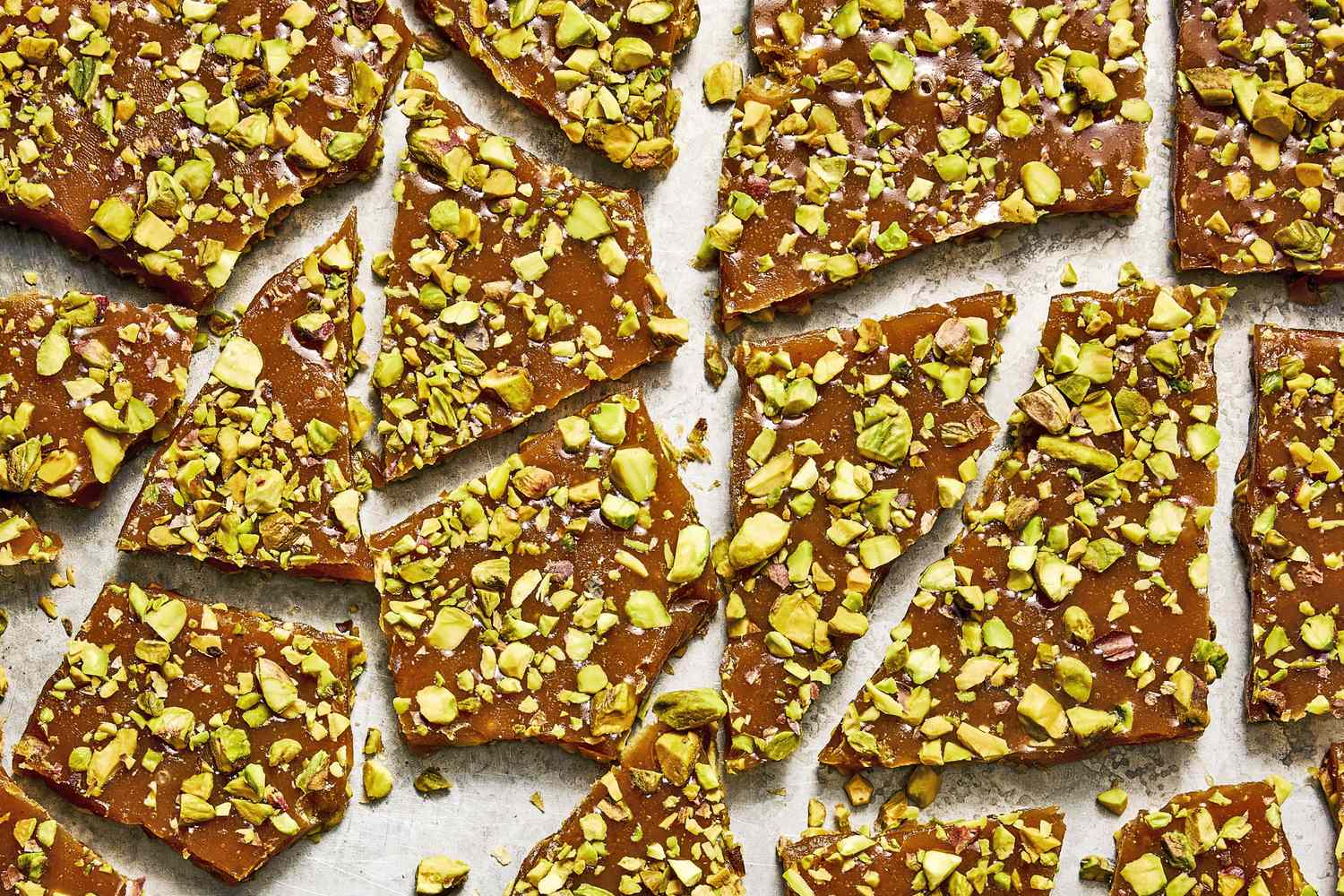
One of the best experiences is breaking the cooled sheet of toffee. There is something deeply satisfying about it. The candy cracks into beautiful irregular pieces, each one showing off pistachios like little green gems. If you used chocolate, the shards look even more impressive. This is the moment when homemade candy stops feeling like a recipe and starts feeling like a gift.
Serving it is just as enjoyable. People tend to approach homemade toffee with curiosity, then go back for another piece with much less hesitation. It is crunchy, sweet, salty, and rich, so a little goes a long way. That makes it perfect for parties, cookie boxes, holiday trays, or “I survived Tuesday” snacking. It also travels well, which is more than we can say for many frosted desserts.
The final lesson is confidence. Once you make pistachio-honey toffee successfully, other cooked-sugar recipes feel less intimidating. Caramel sauce, brittle, buttercrunch, candied nutsthey all begin to seem possible. Toffee teaches you to watch color, trust temperature, work quickly, and stay calm around bubbling sugar. That is a useful kitchen skill set, and the homework is delicious.
Conclusion
Pistachio-honey toffee is the kind of homemade candy that delivers maximum reward for a short ingredient list. It combines the deep richness of butter toffee with the floral sweetness of honey and the elegant crunch of pistachios. With the right temperature, fresh nuts, and a little preparation, you can create a crisp, glossy candy that tastes special enough for holidays but easy enough to make whenever your sweet tooth starts making executive decisions.
Whether you coat it in dark chocolate, sprinkle it with flaky salt, package it as a gift, or secretly keep the best pieces for yourself, this toffee earns its place in your recipe collection. It is simple, dramatic, beautiful, and crunchy in the most satisfying way. In other words, it is dessert with excellent manners and a little sparkle.
SEO Tags
Note: This article is written in original American English for web publishing and is based on established candy-making principles, including hard-crack sugar cooking, thermometer accuracy, pistachio flavor pairing, and safe storage practices.