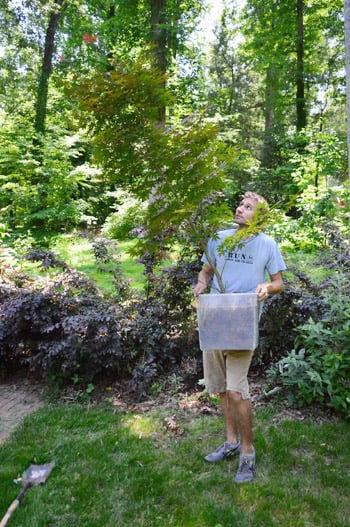
A Japanese maple makes a garden look composed even when the rest of the yard is negotiating with the lawn mower. But a tree that once had perfect light may become shaded, scorched, crowded, or trapped in the path of a new patio. The good news: you can transplant a Japanese maple. The less cheerful news: it needs planning. A successful move protects fine roots, limits drying, and gives the tree a genuinely better site.
This guide covers when to move a Japanese maple, how to prepare the root ball, the right planting depth, and the aftercare that helps prevent transplant shock. Treat the project as a controlled relocation, not a tug-of-war with a pretty tree.
Can You Move a Japanese Maple?
Usually, yesespecially if it is young, healthy, and small enough to lift with a broad, intact root ball. Japanese maples have delicate, water-absorbing feeder roots near the soil surface. The more of those roots you keep, the better the chance of recovery.
Size matters. A three- to five-foot maple can be a realistic two-person project. A tree with a thicker trunk can become surprisingly heavy once soil is included. Extension guidance notes that even a one-inch-caliper tree may need a root ball 16 to 18 inches wide and about a foot deep; that can weigh more than 100 pounds. Soil has no respect for your weekend schedule.
Good reasons to transplant
- Repeated leaf scorch from hot afternoon sun or drying wind.
- Poor drainage or water standing near the roots after rain.
- Construction, paving, or utility work threatening the root zone.
- Competition from larger shrubs or trees.
- A young specimen that would thrive in a more suitable location.
Do not move a maple during extreme heat, drought, prolonged soggy conditions, or when it is actively leafing out. A tree with extensive dieback, trunk damage, mushrooms at the base, or possible root disease should be diagnosed first. Moving a sick tree can simply give the problem a new zip code.
When Is the Best Time to Transplant a Japanese Maple?
The safest time is usually while the tree is dormant: after leaf drop in fall or in late winter to early spring before buds swell. In cold regions, early spring often works best because the soil is workable and roots can begin growing as temperatures rise. In mild climates, fall can work well after the tree is fully dormant, as long as it has time to settle before hard freezes.
Dormancy lowers water demand because the tree is not supporting a full canopy of leaves. It also makes branches easier to see and protect. Avoid midsummer moves whenever possible. Heat, wind, and active leaves increase water loss while the disturbed roots are least able to replace it. If relocation cannot wait because of construction, professional help and careful irrigation become much more important.
Pick the New Home Before You Pick Up a Shovel
Japanese maples generally prefer evenly moist, well-drained soil, shelter from drying winds, and relief from intense afternoon sun. Morning sun with afternoon shade is a dependable choice in many warm-summer areas. Some cultivars tolerate more sun in cooler climates, but a protected location still reduces leaf scorch and winter damage.
Prepare the hole before digging the old site. Make it no deeper than the root ball and at least two to three times wider. Find the root flarethe point where the trunk broadens into roots. It should sit at soil level or slightly above it after settling. A tree planted too deeply may look neat for a while, then decline for reasons that are difficult and expensive to undo.
Backfill with the native soil you removed. Do not turn one hole into a pocket of fluffy potting mix that holds water differently from the surrounding ground. Improve soil gradually across the wider bed with compost and mulch. Also give the maple room to mature; a laceleaf cultivar planted beside a path eventually turns pruning into an annual apology.
Prepare the Tree for Moving
Water the root zone ahead of time
If the soil is dry, water deeply one or two days before digging. Damp soil clings to roots and travels better. Avoid soaking it until it becomes a heavy mud pie; overly wet soil is difficult to lift and can slide away from the root system.
Root prune larger trees in advance
For a small Japanese maple, a single dormant-season move may be reasonable. For a more established tree, root prune months ahead. Use a sharp spade to cut a circle around the planned root ball, then refill the narrow trench. This encourages new feeder roots to grow inside the area that will move with the tree.
Three to six months is a practical minimum for many modest landscape trees, although larger specimens benefit from longer preparation. Do not cut all sides of a big tree at once if that might affect stability. An arborist can stage the work safely. Root pruning is purposeful preparation, not a surprise attack on the tree.
Plan for a generous, shallow root ball
Root-ball formulas vary by tree size and how trunk diameter is measured. The reliable takeaway is to take the widest intact ball you can safely handle. Many active roots grow in the upper soil layer and extend outward, so a broad, stable ball is often better than a narrow, extra-deep hole. Mark the circle, tie low branches loosely with soft cloth if needed, and prepare a tarp or burlap before you make the final cut.
How to Dig Up and Move a Japanese Maple
1. Gather tools and assistance
Use a sharp shovel or transplant spade, burlap or a strong tarp, twine, mulch, a slow-water source, and a cart or wheelbarrow if the route allows. Arrange help before the tree is loose. It is easier to recruit a friend before there is a 150-pound root ball waiting in a hole.
2. Mark orientation and cut around the roots
Mark the north side of the trunk with removable tape. Replanting in the same orientation is optional, but it avoids one extra adjustment in sun exposure. Starting at the root-ball edge, drive the shovel straight down around the tree. Make clean cuts and recut stubborn roots rather than yanking on the trunk.
3. Undercut in stages and wrap the ball
Angle the shovel beneath the ball a little at a time, working from several sides. Preserve as much soil around the roots as possible. Once the ball loosens, slide burlap or a tarp beneath it, tip or roll it gently onto the material, and secure it. Carry the tree from underneath the root ballnot by the trunk or branches. Keep roots out of direct sun and wind, then move promptly to the prepared hole.
4. Plant at the proper depth
Set the tree in the hole, check the height, and turn it for the best view before adding soil. The root flare must remain visible at or just above grade. Backfill in stages with native soil, pressing lightly with your hands to close major air pockets. Water when the hole is half filled, finish the backfill, then water slowly again. Remove twine, tags, wire, and synthetic burlap. Loosen or remove natural burlap from the top and sides where practical so it does not restrict new roots.
Japanese Maple Transplant Aftercare
Water consistently, not constantly
Deep, measured watering is the main treatment for a newly moved Japanese maple. Check beneath the mulch every few days in warm or dry weather. Water slowly when the root zone is drying several inches below the surface, then allow the soil to drain. The aim is even moisture, not a permanent swamp. Too much water can remove oxygen from the soil and injure roots.
Monitor weekly during the first growing season and more often during heat, wind, or drought. Rainfall totals are helpful, but only a soil check tells you whether water reached the root ball under a dense canopy, roof overhang, or compacted soil.
Mulch like a donut, not a volcano
Spread a two- to three-inch layer of wood chips, shredded bark, or similar organic mulch in a broad ring. Keep mulch several inches away from the trunk and leave the root flare exposed. A flat mulch ring conserves moisture, reduces weed and turf competition, and buffers soil temperatures. A pile against the bark traps moisture and makes the tree look like it is starring in a disaster movie.
Do not scalp or overfeed the canopy
Do not prune the crown to “balance” roots, except to remove dead or broken branches. Leaves make the energy needed for root recovery. Skip strong fertilizer at planting time, too. Correct depth, water, mulch, and a better site beat quick-fix products. Consider a soil test later if growth remains weak after recovery.
Some leaf curl, scorch, early fall color, or slowed growth can happen after transplanting. These are stress signals, not an automatic death sentence. Check soil moisture, reduce competition, and protect the tree from fierce afternoon exposure. Contact a qualified arborist if dieback worsens, bark cracks or oozes, or wilting persists despite appropriate moisture.
Mistakes That Cause Transplant Trouble
- Taking too small a root ball: Fewer roots means less ability to absorb water.
- Planting too deep: The root flare should not disappear underground.
- Moving in summer: Hot, leafy conditions magnify stress.
- Letting roots dry out: Dig only when the new hole is ready.
- Overwatering: Roots need oxygen as well as moisture.
- Hard pruning at transplant time: Do not remove the tree’s food factory.
- Ignoring the new site: Moving from one poor location to another is not a rescue mission.
Hands-On Experiences With Moving Japanese Maples
These are representative composite scenarios, not personal anecdotes. They show how transplanting principles play out in real yards, where weather and soil rarely read the instruction sheet.
The “it looked small yesterday” experience
Many gardeners underestimate the weight of a young Japanese maple. A four-foot tree can look delightfully portable until its broad root ball is wrapped in damp soil. The smoothest moves happen when the route is cleared, the tarp is already in place, and a second person is ready. “Slide, roll, and set” beats “lift heroically and regret it.” The practical lesson is to plan the transport before the last roots are cut.
The crumbling-root-ball experience
A common failed start begins after a dry spell. The gardener digs on a sunny afternoon, and the soil breaks apart like stale cake. The tree may survive, but exposed feeder roots dry quickly and the job becomes harder. Watering the root zone a day or two earlier often changes the entire experience. The ideal soil is moist enough to stay together, not wet enough to ooze or turn the move into a strength contest.
The “my maple is drooping” experience
Leaf curl after a move causes understandable panic. Japanese maples are expressive; they do not conceal their feelings behind a poker face. The best response is to investigate moisture, not to dump on fertilizer or water every day. If soil several inches down is dry, water slowly and deeply. If it is heavy and wet, stop adding water and improve drainage. A wide mulch ring and a turf-free root zone often matter more than a bottle of transplant tonic.
The too-deep-planting experience
Another lesson appears months later. Soil mounded against the trunk can make a new planting look tidy, but tidy is not the same as healthy. Gardeners who uncover the root flare later often find the maple was planted too deep or covered by a mulch volcano. Correct planting height at the beginning is far easier than rescuing a slowly declining tree. When the trunk flares naturally into visible roots at grade, the maple has a much better start.
The first-summer experience
The first summer after a move is where patience earns its keep. Some gardeners expect instant new growth and worry when the tree seems quiet. A recently transplanted maple is often investing below ground before it performs above ground. The useful routine is unglamorous: check moisture under the mulch, keep weeds and grass away, watch for leaf scorch during hot spells, and avoid changing five things at once. A calm, consistent care routine gives you clearer information than daily panic adjustments.
The mature-tree experience
Finally, experienced gardeners learn when not to create a DIY memory. A mature Japanese maple can be worth far more than the cost of professional help. The challenge is not simply digging; it is moving a large, intact root ball without cracking soil, scraping bark, compacting the new site, or injuring yourself. An arborist can assess feasibility, root prune in stages, use suitable equipment, and advise on recovery. Sometimes the cleverest move is putting the shovel down.
Conclusion: Move the Tree, Not Its Problems
Digging up and moving a Japanese maple can work beautifully when you use a dormant-season window, keep a generous root ball intact, plant at the correct depth, and give the tree steady moisture afterward. It does not need magic powder or a motivational speech. It needs roots that stay moist, oxygenated, and protected while it settles into a site with better light, drainage, and room to grow. Plan first, move gently, and give your maple a full season to find its footing.