Note: Outdoor electrical wiring is not the place to freestyle like you are assembling flat-pack furniture with three mysterious screws left over. This guide is written for educational and planning purposes. Always follow your local electrical code, get required permits, and hire a licensed electrician for panel work, new circuits, final connections, and inspections.
Introduction: Outdoor Power Without the Chaos
Outdoor electricity is one of those home upgrades that sounds simple until the yard starts looking like a spaghetti bowl of extension cords. Maybe you want power for a shed, patio lighting, a pond pump, a garage outlet, a gate opener, or a weatherproof receptacle near the deck. Whatever the goal, the big question is the same: how do you install outdoor electric wiring above and below ground safely?
The answer begins with planning, not digging. Outdoor wiring has to survive rain, soil moisture, sunlight, temperature changes, lawn tools, curious pets, and the occasional person who thinks a shovel is a precision instrument. That is why exterior electrical work uses specific materials such as weather-resistant receptacles, GFCI protection, conduit, underground feeder cable, weatherproof boxes, and in-use covers.
This guide explains the practical concepts behind above-ground and underground outdoor electrical wiring, including what materials are commonly used, what safety rules matter most, and when a project should move from “weekend DIY research” to “call the electrician before your eyebrows become decorative smoke signals.”
Before You Start: Plan the Outdoor Electrical Circuit
Good outdoor wiring starts with a clear purpose. Are you adding one outdoor outlet for garden tools? Supplying a detached shed? Installing landscape lighting? Running power to a pergola, fountain, or security camera? Each use affects the circuit size, wiring method, conduit choice, burial depth, and safety protection required.
Decide What the Circuit Will Power
A small LED landscape lighting system has very different needs from a workshop shed with outlets, lights, and power tools. List every device you expect to use, then consider future needs. It is usually smarter to plan properly once than to dig the same trench twice because your “tiny shed” slowly evolved into a backyard command center.
Check Local Codes and Permit Rules
The National Electrical Code is widely used across the United States, but cities, counties, and states can add their own rules. Some areas require permits for any new outdoor circuit. Others require inspection before a trench is backfilled. A permit may feel like paperwork with a clipboard addiction, but it protects your home, insurance coverage, and anyone who uses the outdoor space.
Call 811 Before Digging
Before installing underground electrical wiring, contact 811 or your local utility locating service. This step helps identify buried gas, water, electric, cable, and communication lines. Even shallow digging can hit utilities. A marked yard may not look glamorous, but it is far better than discovering a gas line with a shovel.
Above-Ground Outdoor Electric Wiring
Above-ground outdoor wiring is usually used where wiring runs along exterior walls, posts, garages, sheds, or other structures. It must be protected from physical damage and weather exposure. Indoor cable is not appropriate for exposed outdoor use. Outdoor wiring needs materials rated for damp or wet locations.
Common Above-Ground Wiring Methods
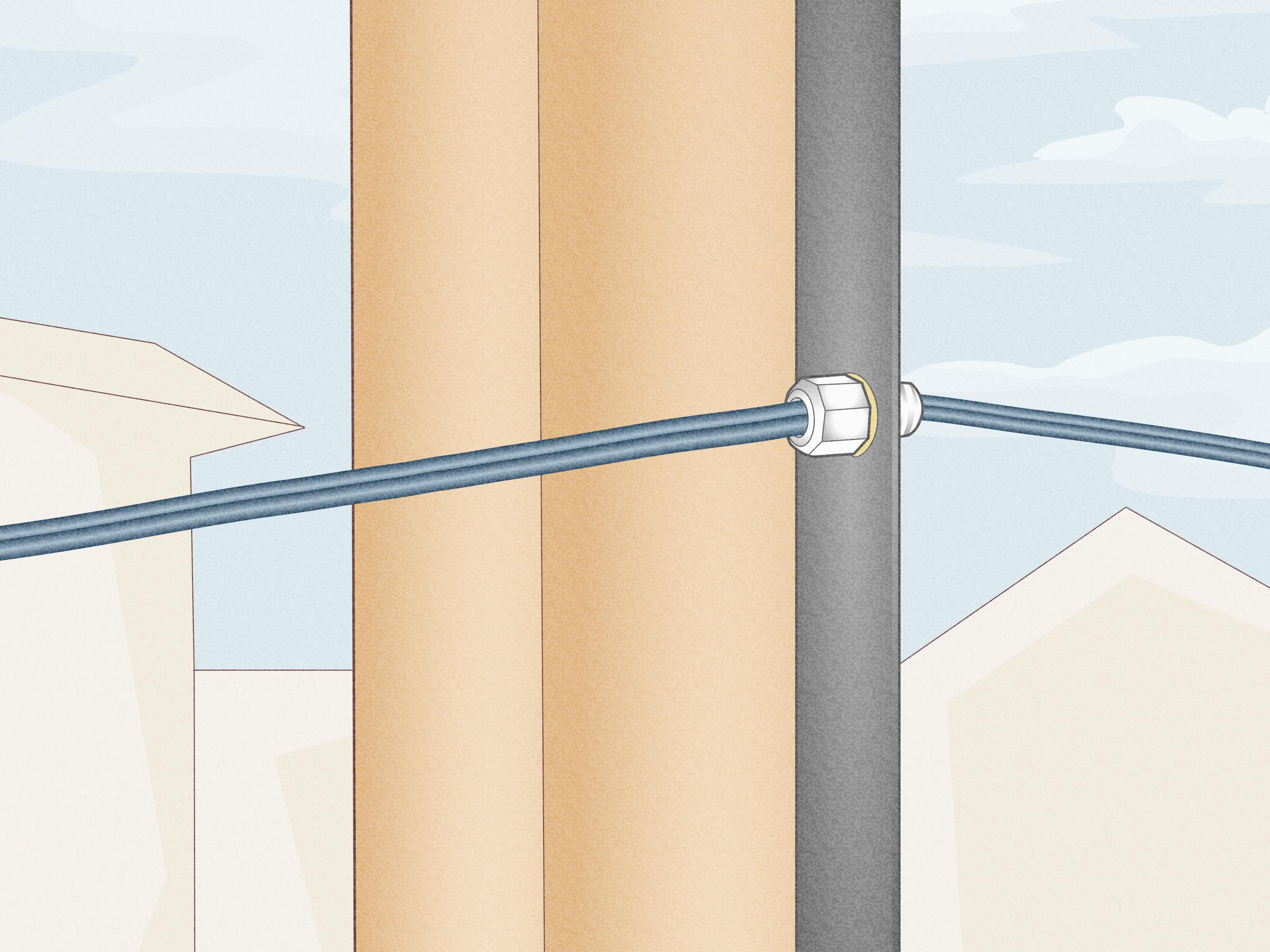
For exterior wall runs, electricians often use conduit to protect individual conductors. Rigid metal conduit, intermediate metal conduit, electrical metallic tubing in approved locations, and PVC conduit may be used depending on the application and local code. PVC conduit is popular outdoors because it resists corrosion, but it must be properly secured and paired with fittings rated for the environment.
Where conduit enters boxes, fixtures, or building walls, fittings should help keep moisture out and protect the conductors from abrasion. Outdoor boxes should be weatherproof, securely mounted, and compatible with the conduit system. The goal is simple: water stays outside, electricity stays inside, and nobody gets an unpleasant surprise while plugging in a leaf blower.
Outdoor Receptacles Need Special Protection
Outdoor receptacles should be weather-resistant and protected by GFCI. A ground-fault circuit interrupter helps reduce shock risk by shutting off power when it senses current leaking where it should not go. Since outdoor spaces often involve rain, wet hands, sprinklers, and damp soil, GFCI protection is not optional decoration. It is a major safety feature.
Receptacles exposed to weather should also have weatherproof in-use covers. These are sometimes called bubble covers. Unlike a basic flip cover, an in-use cover helps protect the outlet even while a cord is plugged in. For patios, decks, gardens, and exterior walls, this matters because rain is not known for politely waiting until you unplug.
Support and Protect the Conduit
Above-ground conduit should be attached firmly to the structure. Long, loose conduit runs can sag, crack, or get damaged by yard equipment. Conduit should be routed away from obvious impact zones when possible. Corners, entry points, and transitions deserve extra attention because they are common places for water intrusion and physical stress.
Where wiring passes from indoors to outdoors, the opening should be sealed properly after the wiring method is complete. This helps prevent moisture, insects, and drafts from entering the building. In other words, do not create a luxury front door for ants just because you wanted a patio outlet.
Below-Ground Outdoor Electric Wiring
Underground wiring is often used to power sheds, detached garages, lamp posts, gate openers, fountains, and remote outlets. It looks cleaner than exposed wiring and keeps cables away from everyday damage. But below-ground wiring has its own rules because soil is damp, shifting, and full of surprises.
Direct-Burial Cable vs. Conduit
Two common underground approaches are direct-burial cable and wiring installed inside underground-rated conduit. Underground feeder cable, often called UF cable, is designed for direct burial when installed according to code. It has a tough outer jacket that resists moisture better than standard indoor cable.
Conduit provides another layer of protection and can make future replacement easier, depending on the design. PVC conduit is often used underground because it resists corrosion and is relatively easy to route. Rigid metal conduit may allow shallower burial in some installations, but it is more expensive and requires proper corrosion protection and fittings.
The best method depends on the project, soil conditions, load requirements, local code, and whether the wiring may need future service. For long runs, high-demand circuits, or detached buildings, a licensed electrician should design the circuit to account for voltage drop, grounding, bonding, disconnects, and panel capacity.
Burial Depth Matters
Outdoor underground wiring must be buried deep enough to reduce the risk of damage from digging, landscaping, vehicles, and soil movement. Burial depth varies by wiring method, circuit type, conduit material, and location. Direct-burial UF cable commonly requires deeper cover than rigid metal conduit. Low-voltage landscape lighting cable may have different requirements than a standard branch circuit.
Never guess burial depth from a random online comment that begins with “I did this at my cousin’s house.” Use local code, permit requirements, and professional guidance. If an inspection is required, the trench may need to remain open until the inspector approves the installation.
Use Warning Tape Above Underground Runs
For underground electrical runs, many installers place caution tape above the buried wiring before backfilling. This tape warns future diggers that electrical wiring is below. It is a simple step that can prevent a future “oops” from becoming an expensive and dangerous repair.
Step-by-Step Planning Overview for Outdoor Wiring
This is not a substitute for electrical training, but it does show the safe order of thinking for an outdoor wiring project.
1. Define the Load
Identify what the outdoor circuit will power. Lighting, outlets, tools, pumps, heaters, and appliances all have different electrical demands. A circuit that is fine for a few LED lights may not be suitable for heavy equipment.
2. Choose the Route
Plan the wiring path from the power source to the destination. For above-ground wiring, avoid areas where the conduit can be hit. For underground wiring, choose a route that avoids tree roots, irrigation lines, patios, driveways, and future landscaping plans.
3. Confirm Materials
Use only materials rated for outdoor, damp, wet, or underground locations as required. This may include UF cable, THWN-2 conductors in conduit, PVC conduit, weatherproof boxes, GFCI devices, weather-resistant receptacles, and in-use covers.
4. Get Permits and Inspections
Contact your local building department before work begins. Some homeowners skip this step because it seems slow, but inspection is especially important outdoors. Water and electricity are a famously bad couple. They should not be allowed to move in together unsupervised.
5. Let a Qualified Person Make Final Connections
Panel work, breaker installation, grounding, bonding, and final terminations should be handled by a licensed electrician. This is especially true for new circuits, detached structures, multiwire branch circuits, and any installation involving higher loads.
Essential Materials for Outdoor Electrical Wiring
Outdoor wiring materials should be chosen for durability, safety, and code compliance. Here are common components used in many exterior projects.
GFCI Protection
GFCI protection can come from a GFCI receptacle, a GFCI circuit breaker, or another approved configuration. The right choice depends on the circuit layout. The important point is that outdoor receptacles need protection against ground faults.
Weather-Resistant Receptacles
Weather-resistant receptacles are designed to handle outdoor conditions better than standard indoor receptacles. Look for devices marked for outdoor use and appropriate ratings. Do not install a regular indoor outlet outside and hope a plastic cover magically turns it into a superhero.
Weatherproof Boxes and Covers
Outdoor boxes should be rated for the location. Covers should match the box and intended use. In wet locations where cords may remain plugged in, a weatherproof in-use cover is usually the correct choice.
Conduit and Fittings
Conduit protects wires from damage. For underground installations, use conduit and fittings rated for burial. For above-ground exterior runs, use materials suitable for sunlight, moisture, and physical exposure. Expansion fittings may be needed for long PVC conduit runs because temperature changes can cause movement.
Underground Feeder Cable
UF cable is commonly used for direct-burial applications. It is tougher and more moisture-resistant than standard indoor nonmetallic cable. However, it still must be installed according to code, protected where it emerges from the ground, and sized correctly for the circuit.
Common Mistakes to Avoid
Using Extension Cords as Permanent Wiring
Extension cords are for temporary use. They should not be buried, run through walls, hidden under soil, routed through doors as a long-term solution, or used as a permanent power supply to a shed. If you need power regularly, install a proper circuit.
Skipping GFCI Protection
Outdoor electricity without GFCI protection is a bad bargain. The cost savings are small, and the risk is not. GFCI protection is one of the most important safety layers in exterior electrical work.
Using Indoor Materials Outdoors
Indoor cable, boxes, and receptacles are not built for rain, UV exposure, and soil moisture. Outdoor materials exist for a reason. The yard is not a living room with more squirrels.
Forgetting About Water Flow
Even weatherproof equipment can fail if it is installed where water constantly runs, pools, or splashes. Think about roof runoff, sprinklers, hose bibs, drainage paths, and snow buildup. Place outdoor outlets and boxes where they are protected as much as practical.
Backfilling Too Early
If your local authority requires inspection, do not cover underground wiring before approval. Inspectors need to see trench depth, wiring method, conduit, and warning tape placement. Backfilling too soon can mean digging everything up again, which is nobody’s idea of personal growth.
Outdoor Wiring for Common Projects
Powering a Shed
A shed circuit may need lighting, outlets, and possibly a small subpanel depending on the intended use. A simple storage shed with one light is very different from a workshop with saws, chargers, and climate control. Detached structures often involve grounding and disconnect requirements, so this is a project where professional design is strongly recommended.
Adding a Patio Outlet
A patio outlet can make outdoor living much easier. It can power speakers, string lights, small tools, or a laptop for those optimistic people who believe they will answer emails peacefully outside. The outlet should be GFCI-protected, weather-resistant, and installed with an appropriate weatherproof cover.
Installing Landscape Lighting
Low-voltage landscape lighting is often more DIY-friendly than standard 120-volt outdoor wiring, but it still needs proper outdoor-rated cable, transformer placement, and protection from damage. Keep connections dry, use listed components, and avoid placing cable where edging tools or aerators can chew it up.
Running Power to a Lamp Post
Lamp posts typically require underground wiring, a stable base, proper grounding, and weather-rated fixtures. The wiring must be protected where it rises from the ground into the post. Because lamp posts are exposed to rain and lawn equipment, durability matters.
Maintenance Tips After Installation
Outdoor wiring should not be ignored after installation. Weather, insects, corrosion, and physical damage can cause problems over time. Once or twice a year, inspect covers, boxes, conduit, and visible wiring. Look for cracks, loose fittings, rust, missing gaskets, tripped GFCI devices, and signs of overheating.
Test GFCI receptacles regularly using the test and reset buttons. Replace damaged covers immediately. Keep vegetation trimmed away from boxes and fixtures. Avoid aiming sprinklers directly at outlets or electrical equipment. If a breaker trips repeatedly, do not keep resetting it like you are negotiating with it. Find the cause.
When to Hire a Licensed Electrician
Hire a licensed electrician if the project requires a new circuit from the panel, a subpanel, trenching for a detached building, large loads, long-distance wiring, or any work you do not fully understand. Also hire a professional if your home has older wiring, aluminum wiring, frequent breaker trips, moisture problems, or unclear grounding.
Electricians do more than “hook up wires.” They calculate loads, size conductors, choose protection, understand local amendments, handle permits, and make installations safe for long-term use. A clean outdoor wiring job should be boring in the best possible way: no sparks, no mystery heat, no buzzing, no drama.
Experience-Based Advice for Installing Outdoor Electric Wiring Above & Below Ground
One of the biggest lessons from outdoor wiring projects is that the physical work is only half the challenge. The planning is where the project succeeds or becomes a muddy comedy special. Homeowners often focus on the outlet location and forget everything between the panel and the destination. That “everything between” includes route planning, trench depth, conduit bends, water flow, future landscaping, and whether the circuit can actually support the intended load.
A practical example: imagine adding power to a backyard shed. At first, the plan is one light and one outlet. Simple, right? Then the shed becomes a workshop. Now there is a battery charger, a fan, a shop vacuum, maybe a small heater, and suddenly that original plan looks like it was designed by wishful thinking wearing a tool belt. Before installing anything, think about how the space may be used in three to five years. It is usually cheaper and cleaner to plan capacity correctly before the trench is filled.
Another real-world lesson is that water is sneaky. It does not need an engraved invitation. It follows walls, drips from siding, splashes from patios, and collects where boxes are mounted too low or too close to grade. Outdoor electrical boxes should be placed with drainage and splash zones in mind. A covered porch may seem dry, but wind-driven rain can still reach outlets. A garden bed may seem harmless until mulch piles up around a receptacle and traps moisture.
Underground work also teaches patience. Digging a trench looks straightforward until the shovel meets roots, rocks, irrigation tubing, old concrete, or the mysterious buried object that every yard seems legally required to contain. Calling 811 is essential, but it does not always identify private lines such as sprinkler wiring, landscape lighting, or gas lines added after the original utility layout. Walk the property carefully. Look for clues: valve boxes, old posts, patched concrete, and previous DIY “improvements” that may not appear on any official map.
For above-ground conduit, neatness is not just about looks. Straight, well-supported conduit is less likely to be damaged, less likely to collect water at bad angles, and easier to inspect later. Sloppy conduit runs are like sloppy plumbing: they may work for a while, but they advertise future trouble. Use proper fittings, avoid unnecessary bends, and keep the route serviceable.
One more useful habit is labeling. Label outdoor circuits in the electrical panel and, when appropriate, note what they serve. If an outdoor GFCI trips during a storm or a shed light stops working, clear labeling can save a lot of detective work. Future you will be grateful. Future you may even say nice things about present you, which is rare and should be encouraged.
Finally, respect the limits of DIY. Painting a fence badly is annoying. Wiring a circuit badly can be dangerous. The smartest homeowners are not the ones who do every task themselves; they are the ones who know which tasks deserve professional hands. Outdoor electrical wiring lives in a tough environment, and when it is done correctly, it can safely serve a home for years with very little attention.
Conclusion
Installing outdoor electric wiring above and below ground can make your home more useful, comfortable, and flexible. It can power patios, sheds, lights, tools, pumps, and outdoor living spaces without relying on a parade of extension cords. But outdoor wiring must be designed for weather, moisture, physical damage, grounding, GFCI protection, and local electrical code.
The safest approach is to plan carefully, use outdoor-rated materials, call 811 before digging, get required permits, and hire a licensed electrician for technical electrical work. Done properly, outdoor power is convenient and quiet. Done poorly, it becomes the kind of story people tell at barbecues while pointing at a scorch mark. Choose the boring, safe version.