Kyoto has a talent for time travel. One minute you’re dodging a cyclist, the next you’re sliding open a wooden door
and stepping into a world of tatami, shoji screens, and tiny gardens that feel like nature whispered, “I can fit.”
If you want a stay that feels less like “hotel room” and more like “I live in an artful piece of Kyoto history,”
A Day in Khaki Muromachi makes a compelling casepart traditional machiya townhouse, part thoughtful renovation,
and part “how is this so calm when the city is right there?”
First, What’s a Machiyaand Why Do People Obsess Over Them?
A machiya is a traditional Japanese townhouse, especially common in Kyoto. Historically, many were built for
merchants and craftspeoplehomes that often doubled as workshops and storefronts. The classic machiya layout is long and narrow
(Kyoto locals famously liken it to an “eel bed”), designed to maximize limited street frontage while stretching deep into the block.
Inside, you’ll often find design features that are both beautiful and practical: tatami-mat rooms, sliding doors, exposed wooden
beams, and small courtyard gardens that bring in light and airflow. A good machiya doesn’t just look “traditional”; it behaves
like a living systemsoftening the line between indoors and outdoors with courtyards, verandas, and carefully framed views.
Machiya also matter because they’re increasingly rare. Many have disappeared due to redevelopment and changing economics, which is
why preservation groups and local advocates have pushed to restore and reuse themoften as cafes, studios, and guesthouses. Staying
in one can feel like voting with your suitcase: “Yes, please, more heritage with a future.”
Meet A Day in Khaki Muromachi
A Day in Khaki Muromachi is a machiya guesthouse in Kyoto’s Kamigyo Ward, within walking distance of
the Kyoto Imperial Palace. The story isn’t just “old house, new pillows.” This property was renovated from a
textile factory connected to Nishijin-oriKyoto’s famed tradition of patterned silk weavinginto
a guesthouse that keeps the soul of the original structure while making modern comfort non-negotiable.
Depending on how you book, you may stay in one portion of the property (a separate building) or rent the whole compound for a bigger group.
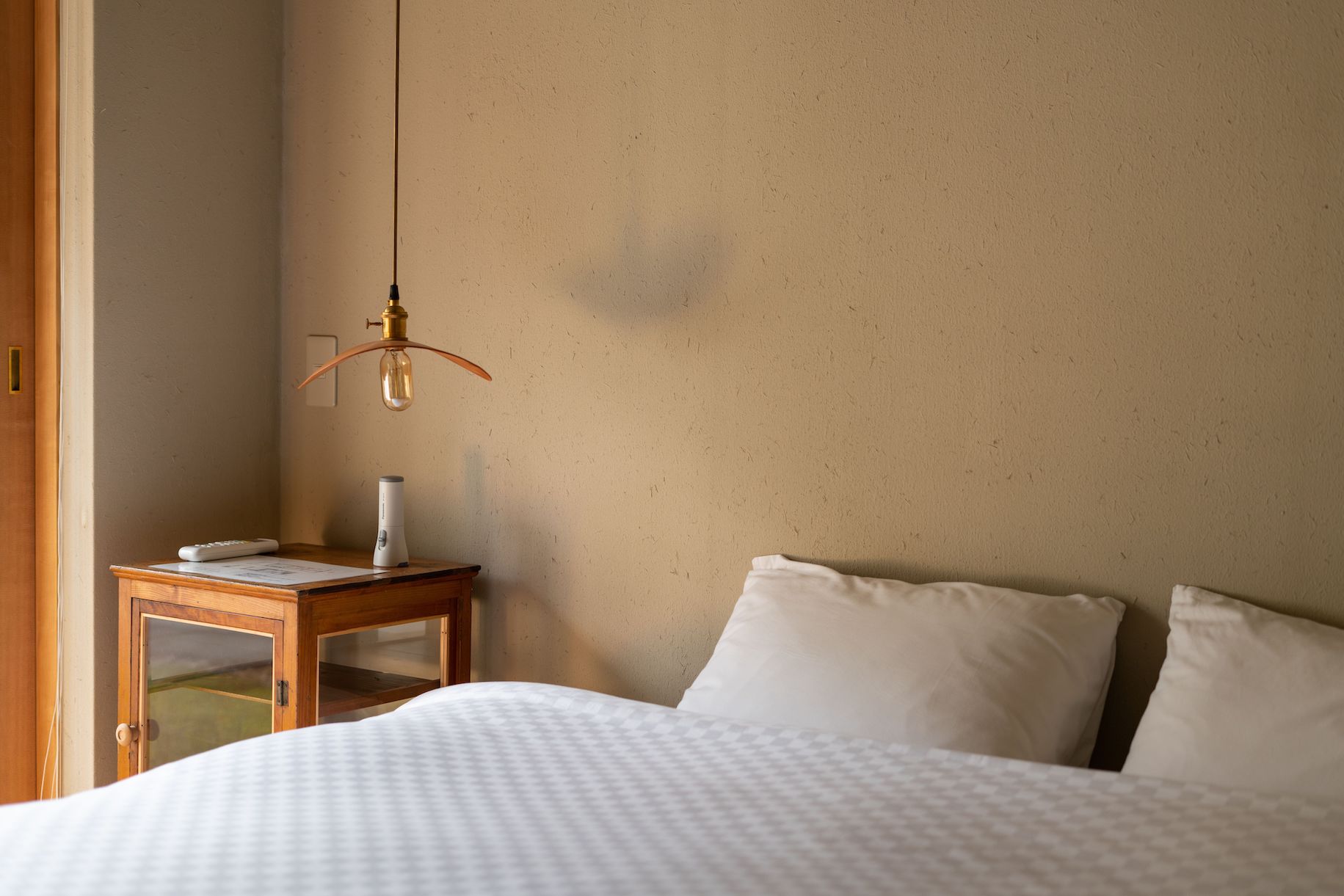
The vibe throughout is intentional: warm wood, restrained color, and gardens that do the most without shouting.
Design details worth noticing (because you’ll notice anyway)
-
Courtyards and gardens: Green views on either side of the living area create that “I could stare here for 40 minutes”
effectand you probably will. -
Factory-to-lounge transformation: A former workroom becomes a living/dining space, keeping a sense of the building’s past
while changing the pace of your day. -
Traditional sleep setup upstairs: Tatami rooms and futon-style bedding give you the full Kyoto-machiya experiencewithout
forcing you to give up your standards for cleanliness and comfort. -
That “khaki” touch: The brand’s signature palette isn’t a gimmickit’s a calming design language that feels right for Kyoto:
earthy, muted, and quietly confident.
Morning: Wake Up Softly, Like Kyoto Intended
The best way to start a day in a machiya is to not rush it. Machiya mornings are made for small rituals: opening shoji screens,
letting the light change the room, listening for the city without being swallowed by it.
If your booking includes a kitchenette, lean into the simple joy of “breakfast at home, but make it Kyoto.” Grab fruit, yogurt, and pastries
from a nearby shop, then eat slowlylike you’re auditioning for a lifestyle magazine spread titled “Person Who Definitely Has Their Life Together.”
Machiya etiquette that keeps everything peaceful
- Shoes off at the entry: This isn’t optional; it’s the first act of respect for the house.
- Go easy on noise early/late: Traditional buildings and quiet neighborhoods don’t love big “main character energy” at midnight.
- Tatami care: Tatami is sturdy, but it appreciates gentle treatmentno heavy dragging, no chaotic suitcase wrestling matches.
Mid-Morning: A Walk to the Kyoto Imperial Palace Area
Staying in Kamigyo puts you near one of Kyoto’s most restorative spaces: the Kyoto Imperial Palace area and the surrounding
Kyoto Gyoen (the large park that wraps the palace grounds). Even if you don’t step inside every structure, the park itself is
a reset button: broad pathways, seasonal trees, and locals using the space like it’s their shared backyardbecause it basically is.
If you do want a deeper visit, note that palace access policies can involve specific visiting procedures (and sometimes reservations), so it’s smart
to check the latest details before you go. Either way, this is a “walk slowly, look up, breathe” part of your day.
Lunch: Nishiki MarketKyoto’s Kitchen, Your Snack Olympics
After a calm morning, it’s time for a delicious contradiction: Nishiki Market, Kyoto’s famous covered food arcade, often described
as “Kyoto’s kitchen.” It’s lively, packed with seasonal ingredients, and full of tiny temptations you didn’t know you needed until you see them.
Nishiki is the place to try a little of everythingpickles, sweets, tea, skewers, and regional specialtieswhile also noticing the craft behind food
culture. Many vendors have been perfecting one thing for a long time, and it shows.
How to do Nishiki like a considerate grown-up (even if you’re excited)
- Eat where you buy: Many markets discourage eating while walkingpause by the shop, savor, repeat.
- Go early if you can: You’ll have more space to browse and actually see what you’re buying.
- Pick a theme: “Pickles + tea” or “sweets tour” or “I will try every sesame thing available.” Structure helps.
Afternoon: Follow the ThreadMuromachi and Kyoto’s Craft DNA
“Muromachi” isn’t just a nice word to say (try itMuu-roh-mah-chee). Central Kyoto has long been linked to commerce and craft, and that
matters when your guesthouse itself comes from a textile story.
Kyoto’s craft culture isn’t locked in a glass case. It’s active: studios, small galleries, and shops where traditional techniques show up in modern
forms. If you’re interested in textiles, look for places that highlight Nishijin-ori weavingpatterns that can be subtle or bold, but almost always
impossibly detailed up close. If paper and print are your thing, Kyoto’s washi traditions are equally mesmerizing.
Two easy, high-reward afternoon ideas
-
A craft stop: Find a small craft shop or museum-style space focused on local makingtextiles, lacquerware, paper, bambooanything
that pulls you into Kyoto’s “made here” identity. -
A machiya cafe break: Kyoto has plenty of cafes inside renovated traditional buildings. Sitting in one is like getting a bonus
round of machiya atmosphereplus caffeine, which is basically a travel essential.
Late Afternoon: The Machiya Reset (a.k.a. “Soak, Then Float Through the Evening”)
One of the underrated joys of a machiya guesthouse is returning “home” between adventures. In many traditional-style stays, bathing isn’t a quick rinse;
it’s a transition ritual. A deep soaking tub turns your day from a timeline into a feeling: before the soak and after the soak. (After is better.)
Then there’s the light. Kyoto afternoons have a way of getting golden and quiet. When it filters through a machiya interiorwood, paper, and gardeneverything
looks like it was curated by nature’s best interior designer.
Dinner: Go Out, Stay In, or Do the Best of Both
Your dinner strategy depends on your mood and your suitcase’s level of ambition.
Option A: Go out and make it a Kyoto night
Kyoto’s dining scene covers everything from casual noodles to carefully composed multi-course meals. Even a simple neighborhood spot can feel special
when the city’s pace slows after dark.
Option B: Takeout + tatami picnic
Here’s the move: pick up a few great thingsrice balls, seasonal sweets, tea, something savoryand bring them back. Spread it out like a little indoor
picnic, then let the guesthouse be the main event. It’s surprisingly luxurious to end the day where you’re staying, especially when “where you’re staying”
is a renovated piece of Kyoto history.
Practical Tips for Staying in a Kyoto Machiya Guesthouse
Machiya are charming, but they’re not generic. They have personalities. Here’s how to get the best experience without accidentally fighting the building.
Comfort and seasonal reality checks
- Older structures breathe: That’s part of their design. Modern updates help, but you may still notice seasonal shifts in temperature.
- Stairs can be steep: Traditional layouts sometimes mean tighter staircasestake your time, especially with luggage.
- Respect neighbors: Quiet, tidy, and considerate goes a long way in residential areas.
What to pack (besides the obvious)
- Socks you like: You’ll be shoes-off a lot. Make it a fashion moment or a comfort momentyour choice.
- Layers: Helpful for mornings/evenings and for that “Kyoto weather changed its mind” effect.
- A small day bag: Markets and craft stops are more fun when your hands are free.
Why “Khaki” Works in Kyoto
Kyoto is not a neon city at heart. Even in busy areas, the visual language leans toward wood, stone, paper, moss, and muted colors. A “khaki” palette
feels like a respectful nod to that atmospherecalm, earthy, and quietly modern.
In a renovated machiya, that restraint matters. When the design doesn’t shout, you notice the real star: the structure itself. The grain of the beams,
the softness of the light, the way a small garden can change your mood in under ten seconds.
Conclusion: A Day in Khaki Muromachi Isn’t Just a Place to Sleep
A Kyoto trip can be temple-heavy, schedule-heavy, and “did we really walk that much?” heavy. A machiya guesthouse balances that by giving you a home base
that feels meaningfularchitecturally, culturally, and emotionally. At A Day in Khaki Muromachi, the experience is stitched together
from Kyoto’s craft heritage, a thoughtful renovation, and the kind of quiet that makes you realize you’ve been carrying stress in your shoulders like it’s
a souvenir.
If your ideal Kyoto day includes a palace-side walk, a snack marathon at Nishiki Market, a little craft curiosity, and an evening soak before you do it all
againthis is exactly the kind of place that makes the day feel complete.
Bonus: A 500-Word Kyoto Machiya Experience Journal
7:10 a.m. The first sound is not an alarm. It’s quiet. The kind of quiet that makes you wonder if your phone has been lying to you about what “normal”
should feel like. You slide open the shoji and the garden is theresmall, deliberate, and somehow more calming than an entire forest. Kyoto doesn’t rush you.
It just waits, politely, like it knows you’ll eventually get the message.
8:00 a.m. Breakfast is simple: something warm, something sweet, something caffeinated. You eat at an unhurried pace because the house encourages it.
Machiya living has a built-in speed limit. The light shifts across the wood like it’s practicing for a photoshoot, and you briefly consider becoming the kind
of person who journals every morning. Then you remember you are also the kind of person who forgets where they put their sunglasses five minutes ago.
9:30 a.m. Walking toward the Kyoto Imperial Palace area feels like entering Kyoto’s calmer brain. The city opens up into green space, and the air changes.
It’s the same Kyoto, but softer around the edges. You pass locals moving with purposejoggers, dog walkers, people who look like they have a favorite bench
and a favorite season and a favorite way to spend Tuesday. You instantly want a favorite bench too.
12:15 p.m. Nishiki Market arrives like a delicious plot twist. Suddenly it’s crowds, color, and snacks with a thousand years of confidence. You try one
thing, then another, then a third, and now you’ve accidentally started a personal tradition called “Just One More Bite.” You pause to eat where you bought it,
because you are respectful and also because you are holding three food items and have run out of hands.
2:45 p.m. Back near Muromachi, you follow threads of craft culturetextiles, paper, small shops that feel curated rather than commercial. You start noticing
texture everywhere: fabric patterns, carved wood, the grain of old beams, the way Kyoto treats making things well as a daily practice, not a special occasion.
5:30 p.m. Returning to the machiya feels like coming home, even if “home” is a historic textile-factory-turned-guesthouse and you are absolutely borrowing
that identity for the week. You soak in the tub, and the day divides neatly into two halves: before the soak (busy, bright) and after (quiet, glowing).
8:10 p.m. Dinner is either out in the city or in the house with takeout arranged like a tiny feast. Either way, the evening ends the same: you look around
at the wood, the paper, the garden shadows, and you realize the guesthouse isn’t just where you stayed. It’s part of what you came to feelKyoto’s calm,
craft, and quiet brilliance, stitched into one day in khaki.
Sources Consulted (Names Only)
Airbnb; Remodelista; Condé Nast Traveler; Architectural Digest; National Geographic; Frommer’s; Fodor’s; Encyclopaedia Britannica;
Tripadvisor; World Monuments Fund; Japan Society.