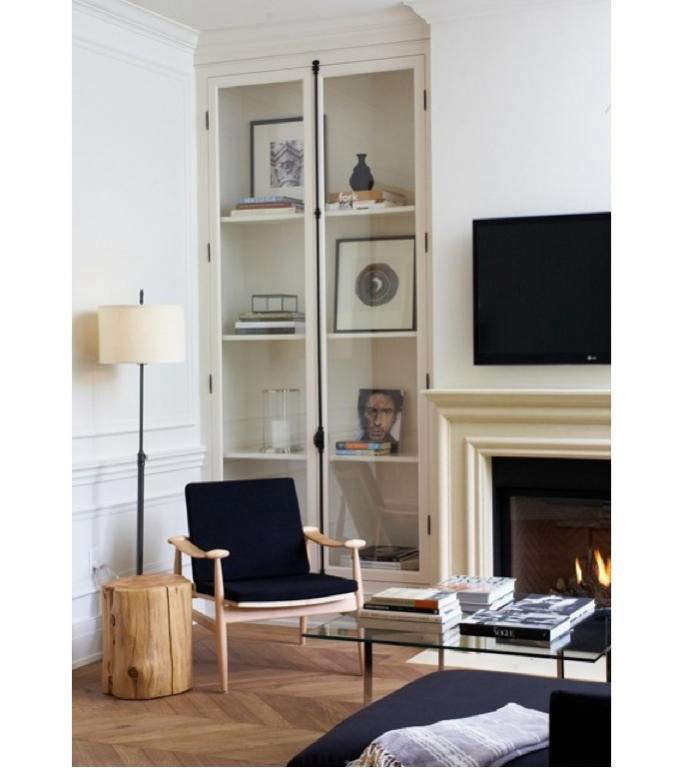
Some cabinet hardware whispers. Some politely shakes your hand. And then there is the cremone bolt, which sweeps into the room wearing a linen suit, carrying a brass-topped cane, and asking whether your pantry doors have ever considered developing a personality.
Cremone bolt cabinet hardware is one of those design details that instantly makes a space feel collected rather than merely decorated. It is functional, architectural, a little old-world, and just dramatic enough to make ordinary cabinet doors look as though they belong in a Paris apartment, a London townhouse, or a very confident butler’s pantry. In the world of cabinet hardware, it is not the background singer. It is the guest soloist.
At its simplest, a cremone bolt is a surface-mounted locking system with a central knob or lever connected to two vertical rods. When the handle turns, one rod moves upward and the other moves downward, securing the door at the top and bottom. Traditionally used on French doors and tall casement windows, cremone bolts have found a stylish second life on cabinets, built-ins, hutches, pantries, and glass-front storage. They offer security, yes, but their true superpower is visual rhythm: long vertical lines, beautiful metalwork, and a satisfying sense of ceremony every time you open a cabinet.
What Is a Cremone Bolt?
A cremone bolt is a mechanical fastening system designed to secure a door, cabinet, or window at two points. Unlike a standard latch, which closes at one central point, a cremone bolt uses a pair of rods that slide into sockets or strikes at the top and bottom of the frame. The rods are controlled by a central knob, lever, or turn piece.
For cabinet use, the mechanism is often surface mounted, meaning the rods, guides, and center plate are visible on the face of the cabinet. That visibility is exactly the point. Cremone bolts are not shy hardware. They turn the front of a cabinet into a composition, adding vertical structure and a refined European accent. On a tall pantry, a library cabinet, or a glass-fronted kitchen cupboard, they can transform a plain door into a design feature.
Cremone Bolts vs. Surface Bolts
Cremone bolts are sometimes grouped with surface bolts because both sit visibly on the face of a door or cabinet. The difference is in how they operate. A simple surface bolt usually slides in one direction and secures one point. A cremone bolt controls two rods at once, locking or holding the top and bottom with a single motion. That dual action is what gives the cremone bolt its eleganceand, frankly, its tiny sense of theater.
Why Designers Love Cremone Bolt Cabinet Hardware
Designers reach for cremone bolts when a cabinet needs more than a knob. A knob says, “Open me.” A cremone bolt says, “Welcome to the estate archive.” Even in a modern home, the detail can soften clean cabinetry and give it depth.
One of the biggest reasons cremone bolts remain popular is that they combine utility with character. They work especially well on tall cabinet doors because their vertical rods echo the height of the cabinetry. Instead of adding visual clutter, the rods help emphasize proportion. On glass-front cabinets, they frame the contents inside. On painted cabinets, they add contrast and a handcrafted finish. On stained wood, they bring a furniture-like quality that feels warm and permanent.
The Old-World Effect
Cremone bolt cabinet hardware has roots in European architecture, which explains why it feels so natural in traditional, French country, English cottage, and Belgian-inspired interiors. But it is not limited to old-world spaces. In a streamlined kitchen, a simple brass or black cremone bolt can add one carefully chosen note of history without turning the room into a costume drama.
The trick is balance. If the cabinet profile is ornate, a simpler cremone bolt keeps the look elegant. If the cabinet is flat-front and minimal, a more decorative bolt can become the one flourish that prevents the room from feeling sterile. Think of it as seasoning: enough to wake up the dish, not so much that the pantry starts speaking in a French accent.
Best Places to Use Cremone Bolts on Cabinets
Cremone bolts are most effective when they have room to breathe. They are not usually the best choice for every single cabinet in a kitchen. Used too widely, they can look busy and become inconvenient for everyday storage. Used selectively, they become a signature detail.
1. Tall Pantry Cabinets
A tall pantry is one of the best places to use cremone bolt hardware. The long rods complement the cabinet height, while the center knob or lever creates a natural focal point. If the pantry doors are painted in a soft neutral, a brass cremone bolt adds warmth. If the doors are dark green, navy, charcoal, or black, aged brass or polished nickel can create a crisp, tailored finish.
2. Glass-Front Kitchen Cabinets
Glass-front cabinets already invite attention. Adding cremone bolts makes them feel even more intentional. The hardware can frame stacks of dishes, pottery, glassware, or cookbooks while giving the cabinet a built-in, almost antique-shop quality. This is where cremone bolts truly shine: they make storage feel curated, even if the top shelf is secretly hiding mismatched mugs and one suspiciously lonely espresso cup.
3. Butler’s Pantries and Bar Cabinets
In a butler’s pantry or home bar, cremone bolts feel right at home. These spaces are often smaller and more jewel-box-like, which makes them ideal for statement hardware. A pair of brass bolts on dark cabinetry can look luxurious without requiring an enormous design budget. The hardware becomes the sparkle, the punctuation mark, the “yes, someone thought this through” moment.
4. Built-In Bookcases and Library Cabinets
Cremone bolts are not only for kitchens. They are beautiful on built-in bookcases, media cabinets, office storage, and library cupboards. In these spaces, the hardware references traditional millwork and adds a sense of permanence. It can also help new cabinetry look as though it has always belonged to the house.
5. Freestanding Armoires and Hutches
If you are updating a vintage hutch, cabinet, or armoire, cremone bolts can be a wonderful upgrade. They add visual structure and can make a simple piece feel more architectural. For a flea-market cabinet with good bones but boring hardware, a cremone bolt is basically a glow-up in metal form.
Choosing the Right Finish
The finish of cremone bolt cabinet hardware changes the entire mood. Because the rods and center plate are visible, the finish has more impact than a small knob would. Choose carefully, and always test the hardware against your cabinet color, countertop, faucet, lighting, and nearby metals.
Unlacquered Brass
Unlacquered brass is beloved for its living finish. It starts bright and gradually develops a patina through touch, air, and time. On cream, taupe, olive, navy, or walnut cabinetry, it can look warm and authentic. It is especially good for traditional kitchens, English-inspired spaces, and rooms that already include natural materials like stone, wood, and linen.
Aged Brass
Aged brass gives you warmth without as much shine. It looks settled from day one, which makes it easier to pair with vintage pieces, antique lighting, or softer paint colors. If unlacquered brass feels too unpredictable, aged brass is the responsible older sibling who still knows where to find the good snacks.
Polished Nickel
Polished nickel is elegant, reflective, and slightly warmer than chrome. It works beautifully in classic kitchens, especially with marble, white cabinetry, pale gray paint, and traditional plumbing fixtures. If brass feels too golden for your palette, polished nickel offers a refined alternative.
Matte Black
Matte black cremone bolts create strong contrast and a graphic look. They work well on white, oak, greige, or natural wood cabinetry. In farmhouse, industrial, or modern rustic kitchens, black hardware can feel grounded and practical. Just be mindful of scale: a black cremone bolt will stand out, so it should look intentional, not accidental.
Oil-Rubbed Bronze
Oil-rubbed bronze brings depth and a slightly historic feeling. It pairs well with warm woods, natural stone, and traditional cabinetry. In low light, it can read almost black; in brighter rooms, its brown undertones become more visible. It is a strong choice when you want contrast without the sharpness of matte black.
How to Size Cremone Bolts for Cabinet Doors
Scale matters. A cremone bolt that is too small can look timid, while one that is too large can overwhelm the cabinet. Most cabinet cremone bolts are designed with rods that can be cut to size, but you still need to measure carefully before ordering.
Start by measuring the full height of the cabinet door and the width of each door stile. The stile is the vertical frame piece where the hardware will sit. Make sure the center plate fits comfortably on that stile and does not interfere with raised panels, molding, glass stops, or door edges. Then check the projection, which is how far the knob or lever extends outward. In tight kitchens, a highly projecting knob can catch clothing, bump hips, or generally behave like a tiny metal prankster.
For paired cabinet doors, confirm whether the bolt will be installed on the active door, the inactive door, or as a decorative element across both. Some cabinet cremone bolts are functional; others are purely decorative. Functional bolts need proper top and bottom strikes so the rods have a place to land. Decorative versions may provide the look without requiring the same mechanical setup.
Functional or Decorative: Which One Should You Choose?
Not every cabinet needs a fully functional cremone bolt. In fact, for frequently used kitchen cabinets, a decorative or simplified version may be more practical. Functional cremone bolts are satisfying, but they require a turn of the knob or lever each time you open and close the door. That is charming on a pantry. It may be annoying on the cabinet where you keep the cereal, especially before coffee.
Choose functional cremone bolts for tall storage, display cabinets, pantry doors, or specialty built-ins. Choose decorative cremone bolts when you want the architectural look but do not need the locking action. For daily-use cabinets, consider whether a traditional latch, knob, or pull would be easier. Good design should look beautiful, but it should also let you get to the plates without negotiating with hardware before breakfast.
Installation Considerations
Cremone bolts require more precision than ordinary cabinet knobs. With a knob, you drill one or two holes and celebrate with a snack. With a cremone bolt, the rods, guides, center mechanism, and strikes must align correctly. Even a small mistake can affect how smoothly the rods slide.
Measure Twice, Then Measure Again
Before drilling, tape the hardware in place and step back. Check the height of the center knob, the alignment of the rods, and the visual relationship between the hardware and cabinet panels. If you are installing multiple cremone bolts, create a template so the placement stays consistent from one door to the next.
Check Door Clearance
Because cremone bolts are surface mounted, they add depth to the front of the cabinet. Make sure nearby drawers, doors, appliances, and walls will not interfere. This is especially important in corners, narrow pantry passages, and kitchens with tight work aisles.
Use Pilot Holes
Pilot holes help prevent wood from splitting and make screw placement more accurate. They are especially important when installing hardware on hardwood, painted cabinetry, or older furniture. If the cabinet is expensive, custom, antique, or emotionally important because you finally got the paint color right, hire a professional installer. Pride is cheaper than repairing a misaligned bolt, but only barely.
Design Pairings That Work Beautifully
Cremone bolt cabinet hardware pairs best with materials that have some depth and texture. It looks especially good with inset cabinetry, Shaker doors, reeded glass, marble counters, soapstone, butcher block, unlacquered brass lighting, aged bronze fixtures, and natural wood floors. It also works with modern cabinetry when used as a single traditional counterpoint.
White Cabinets with Brass Cremone Bolts
This is the classic pairing. White or cream cabinetry keeps the room bright, while brass adds warmth and detail. The result feels timeless, clean, and quietly expensive. For a softer look, use aged or unlacquered brass rather than high-shine polished brass.
Dark Cabinets with Polished Nickel
Deep navy, forest green, charcoal, and black cabinets look sharp with polished nickel cremone bolts. The contrast is crisp but not overly flashy. This combination works particularly well in bars, libraries, mudrooms, and formal pantries.
Natural Wood with Oil-Rubbed Bronze
Wood cabinetry and bronze hardware create a rich, grounded effect. This pairing suits rustic, Craftsman, mountain, and traditional interiors. It also works well in rooms where you want the hardware to feel integrated rather than bright and decorative.
Common Mistakes to Avoid
The first mistake is using cremone bolts everywhere. They are statement hardware, and statements are more powerful when they do not repeat themselves 47 times. Use them where they can be appreciated: a pantry, a hutch, a pair of display cabinets, or a focal built-in.
The second mistake is ignoring proportion. A delicate cabinet door may not support a heavy, ornate bolt visually or physically. Likewise, a tall pantry can make a tiny bolt look lost. Match the hardware scale to the door height, stile width, and room style.
The third mistake is mixing too many finishes without a plan. Mixed metals can look sophisticated, but the room still needs a dominant finish. If your faucet, lighting, and appliances are already competing, adding bold cremone bolts in a fourth finish may push the kitchen from “layered” to “hardware sample sale.”
The fourth mistake is forgetting about use. A cabinet that opens twenty times a day may not be the best candidate for a functional cremone bolt. Put the fancy mechanism where it adds joy, not where it adds friction.
Are Cremone Bolts Worth It?
For the right project, absolutely. Cremone bolt cabinet hardware costs more than basic knobs or pulls, and installation can be more involved. But the visual payoff is significant. It can make new cabinets feel custom, ordinary built-ins feel architectural, and simple doors feel intentionally designed.
The best use case is a focal cabinet that deserves attention. If you are designing a kitchen from scratch, consider adding cremone bolts to one or two special zones. If you are updating existing cabinetry, use them to elevate a hutch, pantry, or glass-front cabinet. They are not necessary everywhere, which is part of their charm.
Personal Experience: Living With Cremone Bolt Cabinet Hardware
The first time you use cremone bolt cabinet hardware, you notice the ritual. A normal cabinet opens with a tug. A cremone bolt asks for a turn, a click, a small mechanical conversation. That may sound overly romantic for hardware, but anyone who has ever chosen a doorknob, faucet, or drawer pull knows the truth: small objects shape how a room feels every single day.
In a kitchen, the best cremone bolt experience usually comes from restraint. I have seen spaces where the hardware appears on one tall pantry cabinet, and that single choice makes the whole kitchen feel more considered. The eye lands there first. The pantry becomes furniture, not just storage. Guests may not know the term “cremone bolt,” but they almost always notice the detail. They say things like, “That handle is beautiful,” which is design-speak for “I do not know what this is, but I want to touch it.”
On glass-front cabinets, cremone bolts can also change how you style the interior. Because the rods create vertical lines on the outside, the shelves behind them look better when they are not overloaded. Stacks of white dishes, clear glassware, pottery, baskets, or cookbooks all look more intentional behind cremone hardware. The bolt becomes a frame, and suddenly the cabinet contents need to behave. Sadly, this does not mean your mugs will automatically organize themselves. Science has failed us there.
Functionally, cremone bolts are best when they are used on cabinets you open occasionally rather than constantly. A pantry that gets opened a few times a day is fine. A display cabinet for serving pieces is perfect. A hidden coffee station can be lovely if the mechanism is smooth and easy. But a cabinet used for everyday plates, snacks, or school lunch containers may become irritating if the bolt must be turned every time. Hardware should create pleasure, not a tiny obstacle course.
Another practical lesson is that finish samples matter. Brass can look golden in one room and almost orange in another. Polished nickel may feel glamorous under warm bulbs but cooler in daylight. Black hardware can look crisp on white cabinets but heavy on dark paint. Before committing, hold the hardware against the cabinet at different times of day. Look at it next to the faucet, lighting, hinges, and countertop. A finish that looks perfect online may develop a very different personality under your actual kitchen lights.
Installation is the one area where confidence should be earned. Cremone bolts look simple once installed, but alignment is everything. The rods need to run straight, the guides need to sit evenly, and the strikes must receive the bolts cleanly. On a painted cabinet, even a tiny adjustment can leave a visible mark. For a high-end kitchen or custom built-in, professional installation is usually worth it. The goal is old-world charm, not “I drilled this after watching half a video.”
Over time, the best thing about cremone bolt cabinet hardware is how it ages with the room. A living brass finish gains patina where hands touch it. Bronze softens. Nickel keeps its polished dignity. The cabinet starts to feel less like a product and more like part of the home. That is the magic of good architectural hardware: it does not simply decorate a space; it participates in daily life.
If you love details that feel crafted, historical, and a little unexpected, cremone bolts are worth considering. They are not the cheapest cabinet hardware, and they are not always the most convenient. But on the right cabinet, they deliver something ordinary knobs rarely can: a sense of occasion. And honestly, if opening the pantry can feel even slightly like entering a charming European country house, that is a design win worth investigating.
Conclusion
Cremone bolt cabinet hardware is a small design detail with a big architectural voice. It brings old-world charm, vertical elegance, and functional beauty to cabinets, pantries, hutches, and built-ins. The key is to use it selectively, size it correctly, choose a finish that works with the room, and install it with care. Whether you prefer unlacquered brass on creamy pantry doors, matte black on white glass-front cabinets, or polished nickel against deep painted wood, a cremone bolt can turn storage into a focal point.
In a world full of ordinary knobs and pulls, cremone bolts are for people who enjoy the details. They are hardware with history, movement, and a bit of personality. And if your cabinet doors have been waiting for their main-character moment, this may be it.