Taming a fully grown quail is a little like trying to convince a popcorn kernel to trust you. One second it is calm, round, and adorable; the next second it launches itself into the air like it remembered an urgent appointment with the ceiling. That does not mean adult quail cannot become calmer around people. It means you need patience, a low-stress setup, good timing, and the emotional strength to accept that “tame” may look more like “eats from my hand” than “cuddles on command.”
Quail are prey birds. Their survival instincts tell them that large moving creatures, sudden shadows, grabbing hands, barking dogs, and noisy children are all possible villains in a very dramatic nature documentary. A fully grown quail has already formed opinions about humans. Some opinions may be neutral. Others may be, “No thank you, giant mammal.” Your job is not to force affection. Your job is to create predictable, safe experiences until the bird learns that your hand usually brings food, fresh water, clean bedding, and zero unnecessary drama.
This guide explains how to tame a fully grown quail in 14 practical steps. It focuses on domestic quail, especially Coturnix quail, but many principles also apply to button quail and other small captive quail species. The goal is a calmer bird that tolerates your presence, accepts gentle handling when needed, and feels secure in its enclosure.
Before You Begin: What “Tame” Really Means for an Adult Quail
A tame adult quail is not usually the same as a tame parrot, chicken, or house rabbit. Quail are ground-dwelling, fast-moving, easily startled birds. Even a friendly quail may dislike being picked up. Success may mean the bird stops panicking when you open the enclosure, walks toward you for treats, allows brief health checks, or settles when held properly for a short time.
Set your expectations kindly. A quail is not being rude when it runs away. It is simply reading the room with a tiny prey-animal brain that says, “Survive first, socialize later.” Once you respect that, taming becomes easier, safer, and much less frustrating.
How to Tame a Fully Grown Quail: 14 Steps
1. Prepare a Safe, Quiet Taming Area
Start by controlling the environment. Adult quail tame best in a calm space with limited noise, soft lighting, and no sudden traffic from pets or people. Avoid working near loud appliances, barking dogs, slamming doors, or excited visitors. Quail are small, but their stress response is Olympic-level.
The enclosure should be secure and escape-proof. Quail can fly upward suddenly, so a low, padded, or soft-topped enclosure helps reduce injury risk. Provide hiding areas such as small shelters, leafy cover, cardboard hideouts, or low boxes with open fronts. A bird that has somewhere to retreat often becomes braver because it does not feel trapped.
2. Let the Quail Settle Before Training
If the quail is new to your home, give it several days to adjust before attempting direct taming. During this time, move slowly when feeding, cleaning, and changing water. Speak softly so your voice becomes part of the normal background.
Do not chase, grab, or repeatedly reach into the enclosure unless there is a health or safety reason. Early trust is built through boring reliability. To a quail, boring is beautiful. Boring means no predator attack. Boring means breakfast arrives. Boring means the giant hand does not behave like a claw machine.
3. Keep a Consistent Daily Routine
Quail learn patterns. Feed them at similar times each day, refresh water consistently, and clean the enclosure gently. When your routine becomes predictable, your presence becomes less suspicious.
Use the same short phrase each time you approach, such as “Good birds” or “Treat time.” The words themselves are not magic, but the repetition helps create a signal. Eventually, your quail may connect your voice with food and calm care instead of panic.
4. Observe Body Language Before You Reach In
Before touching or feeding by hand, watch how the quail reacts. A relaxed quail may peck calmly, dust bathe, preen, or move around without frantic running. A nervous quail may freeze, crouch, sprint into corners, jump upward, or alarm-call.
Never ignore fear signals. If the bird panics every time your hand enters, step back. Sit nearby without reaching in. Let the quail see you without being handled. This slow stage may feel like doing absolutely nothing, but in bird language, it is a polite introduction.
5. Use Food as Your Trust-Building Superpower
Food is the bridge between “scary human” and “possibly useful snack dispenser.” Use small, healthy treats that your quail enjoys. Many quail like mealworms, finely chopped greens, tiny seeds, or small pieces of suitable vegetables. Keep treats limited so the bird still eats a balanced game bird or quail feed.
At first, place treats near the front of the enclosure while your hand remains outside. Once the quail eats comfortably, open the door and place the treat just inside. Over time, shorten the distance between the treat and your hand. Let the bird choose to approach. A voluntary step toward you is worth more than ten forced captures.
6. Keep Your Hand Low and Still
Quail are ground birds, and overhead movement can feel threatening. Instead of swooping down from above, place your hand low and steady, palm up or sideways. Avoid wiggling fingers. To a quail, wiggling fingers may look less like friendship and more like a five-headed worm with bad intentions.
Rest your hand in the enclosure for short sessions. Do not chase the bird with your hand. Let curiosity do the work. If the quail pecks near you or steps close, remain calm. Sudden celebration may undo the progress. Internally, you may cheer. Externally, be a tree.
7. Practice Short Sessions Every Day
Adult quail respond better to brief, consistent sessions than long, stressful ones. Aim for five to ten minutes once or twice a day. Stop before the bird becomes frantic. Ending on a calm moment teaches the quail that interaction is manageable.
If the bird is very nervous, even two minutes may be enough at first. Progress is not measured by the clock. It is measured by reduced panic, improved curiosity, and the bird choosing to stay near you a little longer than yesterday.
8. Introduce Hand-Feeding Gradually
Once your quail approaches treats placed near your hand, offer food from your palm or fingertips. Keep your hand stable and low. Some quail will snatch the treat and run away as if they just robbed a bank. That is normal. Let them run. The important part is that they came to you voluntarily.
Over time, the quail may linger near your hand, peck gently, or even step onto your palm. Do not rush to lift the bird the first time it steps on you. Let the hand become a safe platform before turning it into an elevator.
9. Avoid Grabbing Unless Necessary
Few things damage trust faster than repeated grabbing. Sometimes you must catch a quail for health checks, enclosure moves, or emergencies. When possible, reduce the need for chasing by using a small carrier, a soft towel, or a calm cornering method.
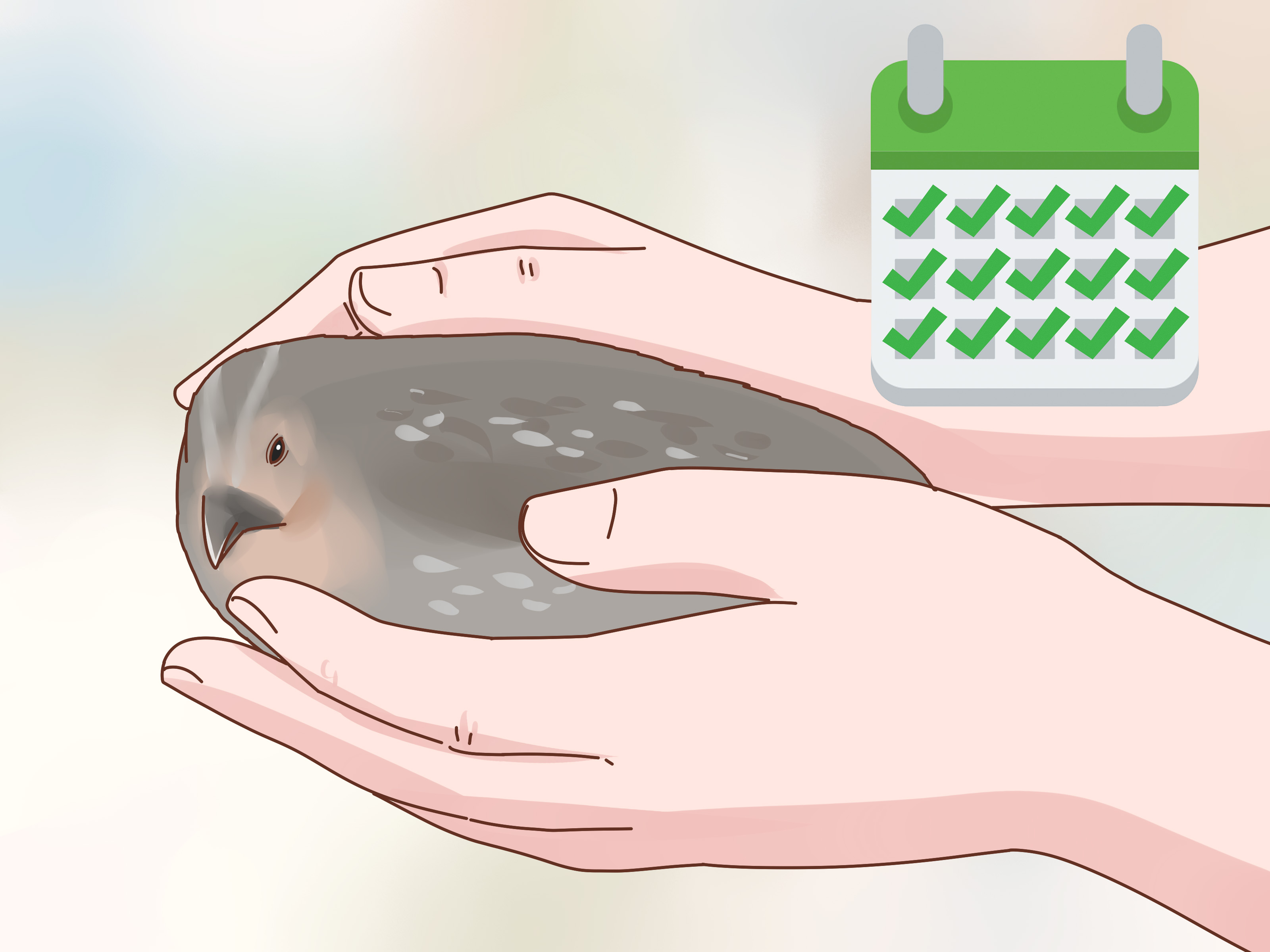
If you must pick up the quail, support the body gently with both hands. Do not squeeze the chest, because birds need chest movement to breathe properly. Keep wings controlled without pinning harshly. Hold the bird close to a safe surface so a sudden wiggle does not become a dangerous fall.
10. Make Handling Brief, Calm, and Purposeful
When your quail is ready for handling, start with very short lifts. Scoop from below rather than diving from above. Lift for one or two seconds, set the bird down gently, and offer a treat afterward. This teaches the quail that being handled is temporary and not the end of civilization.
Slowly increase handling time only if the bird remains calm. If it struggles hard, pants, freezes in distress, or repeatedly tries to launch upward, stop and return to easier steps. Handling should build confidence, not prove who is stronger. Spoiler: you are stronger. The quail already knows. That is why gentleness matters.
11. Use Enrichment to Reduce Fear
A bored, exposed, or overcrowded quail is harder to tame. Add enrichment that supports natural behavior: dust-bathing areas, safe litter, low cover, small hideouts, scattered feed, and objects that break up open space. Quail feel safer when they can forage, hide, and move without constant exposure.
Good enrichment does not need to be fancy. A shallow sand area for dust bathing, a clump of safe greenery, or a small shelter can make the enclosure feel less like a waiting room and more like a habitat. A confident quail is usually easier to train than a stressed one.
12. Keep the Flock Dynamic Peaceful
Quail behavior is influenced by flock life. Bullying, overbreeding, crowding, or competition for food can make birds anxious. A quail that is constantly chased by flock mates may be too stressed to focus on trusting you.
Watch for feather loss, repeated pecking, guarding of food, or one bird hiding all day. Provide multiple feeding and watering points if needed. Make sure each bird has room to move and places to retreat. A peaceful enclosure creates better conditions for taming.
13. Protect Health and Hygiene
A healthy quail is easier to tame than a sick or uncomfortable one. Keep bedding dry, water clean, and feed fresh. Wash your hands after handling quail, eggs, feeders, bedding, or anything in the enclosure. Clean equipment outdoors when possible, and avoid bringing quail into kitchens or food-preparation areas.
Also protect your flock through basic biosecurity. Keep wild birds, rodents, and pests away from feed and water. Limit visitors who handle the birds. Quarantine new birds before introducing them to your existing flock. Taming is wonderful, but healthy taming is better. Nobody wants a trust-building session with a side order of germs.
14. Be Patient With the Bird You Actually Have
Some fully grown quail become charming little treat goblins within a week. Others take months to tolerate a hand nearby. A few never enjoy handling but can still learn to stay calm during feeding and cleaning. Genetics, early socialization, previous handling, enclosure design, and individual personality all matter.
Do not compare your quail to videos online where a bird appears to enjoy being held like a tiny feathered potato. Those birds may have been hand-raised, selectively bred for calmness, or filmed during one unusually peaceful moment. Your goal is steady improvement, not internet perfection.
Common Mistakes When Taming Adult Quail
Moving Too Fast
The biggest mistake is rushing. If your quail is still panicking when you open the enclosure, it is not ready for lifting. Build comfort in layers: presence, voice, food nearby, food from hand, stepping near hand, stepping on hand, then brief handling.
Training in a Stressful Environment
Trying to tame a quail in a noisy garage, around curious cats, or during a coop-cleaning storm is like asking someone to meditate during a marching band rehearsal. Choose calm moments.
Using Treats Without Balanced Nutrition
Treats are useful, but they should not replace proper feed. Adult quail need consistent nutrition, clean water, and a suitable enclosure. A bird living on random snacks may become unhealthy, and unhealthy birds rarely train well.
Ignoring Escape Risks
Quail are quick. Train inside a secure area. Close doors and windows. Block gaps. If working outside the enclosure, use a safe pen or small room. A frightened quail can disappear faster than your motivation on laundry day.
How Long Does It Take to Tame a Fully Grown Quail?
Many adult quail begin showing more comfort within one to three weeks of consistent, gentle work. More nervous birds may need several months. Some may never become fully hand-tame, but they can still become manageable and less fearful.
Track small wins. Did the bird eat while you were nearby? Did it stop jumping when you opened the door? Did it take one treat from your fingers? Did it stay calm during a two-second lift? Those are real milestones. Taming adult quail is not a dramatic movie montage. It is a quiet collection of tiny victories.
Additional Experiences: What Taming a Fully Grown Quail Feels Like in Real Life
The first thing many keepers learn is that adult quail do not read the training manual. You may set up the perfect session, bring the perfect treat, speak in your softest “nature documentary narrator” voice, and the quail may still sprint behind the waterer like you arrived with a villain cape. That does not mean you failed. It means the bird is doing what prey birds do: choosing safety first.
A useful experience is to sit beside the enclosure without trying to achieve anything. Bring a chair, keep your hands still, and simply exist nearby. At first, the quail may freeze. Then one bird may peck the ground. Another may stretch. Eventually, they start acting normal while you are present. That boring stage is powerful. It tells the flock that your presence does not always lead to capture, cleaning, or surprise movement.
Another real-world lesson is that the boldest quail often becomes the flock ambassador. One brave bird may approach for mealworms while the others watch from a safe distance. After a few sessions, the cautious birds may decide that the ambassador has not been eaten and therefore the snack situation deserves investigation. Use this natural curiosity. Feed the calm bird first, then let the others approach at their own speed.
Keepers also discover that quail remember clumsy handling. If you chase them around the enclosure every evening, they will start preparing for panic before you even open the door. A better method is to design the enclosure so routine care requires less disturbance. Use feeders and waterers that can be accessed easily. Add removable trays or cleaning zones. The less you have to invade their space, the more your visits can feel friendly rather than chaotic.
Hand-feeding can be surprisingly funny. Some quail peck delicately. Others attack a mealworm with the intensity of a tiny dinosaur who just found treasure. If a bird pecks too hard, do not jerk your hand away dramatically. Use a flat palm, offer smaller treats, or place food in a shallow dish near your hand until the bird learns better manners. Dramatic reactions can startle the bird and turn snack time into a rodeo.
One of the best experiences is the first calm pickup. It may last only three seconds. The quail may look mildly offended. That is fine. Lift gently, support the body, set the bird down before it struggles, and reward with a treat. Over time, the bird learns that handling has a beginning, middle, and end. Predictability is comforting.
Finally, experienced keepers learn to respect individual personality. One quail may become curious and relaxed. Another may only tolerate you from a polite distance. A third may act friendly until you blink incorrectly. Taming is not about turning every bird into the same pet. It is about lowering fear, improving welfare, and making necessary care easier. When a fully grown quail chooses to stand near your hand instead of running away, that tiny moment is a big compliment.
Conclusion
Learning how to tame a fully grown quail takes patience, consistency, and a realistic understanding of quail behavior. These birds are naturally alert, fast, and cautious, but they can learn that humans are safe when interactions are gentle and predictable. Start with a quiet environment, build trust through routine, use treats wisely, avoid unnecessary grabbing, and keep every session short enough to end calmly.
The best results come when taming is part of good overall care. Clean housing, proper feed, fresh water, enrichment, peaceful flock dynamics, and safe handling all work together. A quail that feels secure is much more likely to become calm around you. And even if your bird never becomes a cuddly pocket companion, a calmer, healthier, less fearful quail is still a huge win. In the world of tiny feathered rockets, trust is earned one quiet snack at a time.