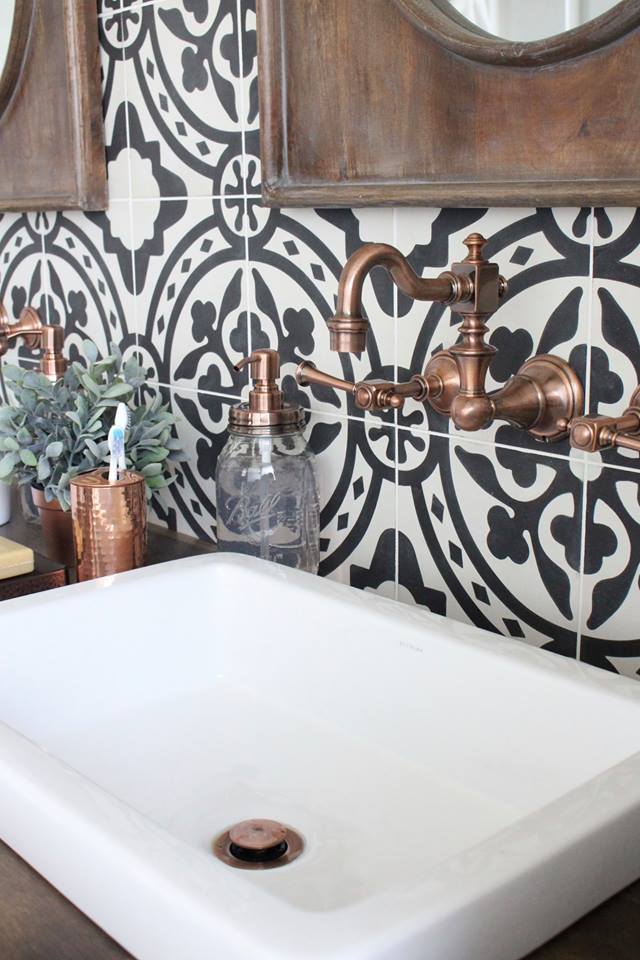
Some rooms quietly invite relaxation. Others greet you with a rake falling against the wall and a mysterious box labeled “miscellaneous cords.” This week’s Friday Favorites tackles both ends of that spectrum: the cozy farmhouse bathroom and the hardworking, frequently chaotic garage.
At first, these spaces may seem like an odd decorating couple. One holds fluffy towels and lavender soap; the other holds power tools, muddy boots, and a bicycle nobody has ridden since last spring. Yet both benefit from the same principles: use vertical space, give every object a home, mix open and concealed storage, and choose materials that can survive real life.
The best farmhouse bathroom ideas avoid turning the room into a themed country gift shop. Meanwhile, successful garage storage is not about buying seventeen matching bins and hoping for a miracle. It is about creating systems that are attractive, accessible, and easy enough to maintain after the initial organizing enthusiasm wears off.
Why Farmhouse Style Still Works in a Bathroom
Farmhouse design remains popular because it feels comfortable rather than precious. Warm wood, painted cabinetry, simple tile, woven textures, vintage-inspired fixtures, and practical open shelving can make a bathroom feel collected over time. Current interpretations often combine those traditional details with cleaner lines, brighter colors, and modern plumbing fixtures, creating a look that feels fresh instead of frozen in a fictional 1890s dairy barn.
The secret is restraint. A reclaimed-wood vanity can be charming. A reclaimed-wood vanity, barn-door shower, galvanized bathtub, rooster wallpaper, and sign reading “Wash Your Troubles Away” may cause the room to begin mooing.
Favorite Farmhouse Bathroom Ideas
1. Start With a Calm, Warm Color Palette
Soft white, cream, light greige, muted blue, dusty green, and warm beige provide a flexible foundation for farmhouse bathroom decor. These colors reflect light and help small bathrooms feel more open, but they are less stark than a bright, clinical white.
Contrast keeps the room from looking flat. Black hardware, oil-rubbed bronze fixtures, dark wood, charcoal grout, or a patterned floor can add definition. For a softer interpretation, use brushed nickel or aged brass instead of black. The goal is a room that feels layered, not a checkerboard assembled during a caffeine emergency.
2. Use Wall Paneling Strategically
Beadboard, vertical planks, board-and-batten, and shiplap-style paneling can introduce farmhouse character without requiring a complete remodel. Covering the lower half of a wall often provides enough architectural interest while leaving the upper section available for paint, wallpaper, mirrors, or artwork.
Budget makeovers featured by major home-improvement publications frequently rely on paint, simple paneling, floating shelves, vintage-style hardware, and creative updates to existing vanities rather than expensive demolition. These changes can produce a noticeable transformation while keeping plumbing and major fixtures in place.
In areas exposed to regular splashes or heavy humidity, use bathroom-appropriate materials and finishes. Decorative wood belongs where it can dry properly, not where it will spend every morning taking an unauthorized shower.
3. Choose a Vanity That Combines Character and Storage
A bathroom vanity is usually the visual anchor of the room, so it should contribute both style and function. Furniture-style vanities, natural wood cabinets, painted shaker doors, apron-front details, and antique-inspired hardware work especially well in farmhouse bathrooms.
Before choosing a beautiful pedestal sink, consider where toothbrushes, cleaning products, extra soap, hair tools, and toilet paper will live. Pedestal sinks create visual breathing room, but they provide almost no concealed storage. A vanity with drawers is often more practical for a shared or primary bathroom.
Another option is to repurpose a vintage dresser or cabinet as a vanity. This can create a one-of-a-kind focal point, although modifications for plumbing and moisture protection should be completed carefully. Antique cupboards and freestanding cabinets can also add storage without the cost and permanence of custom built-ins.
4. Let Open Storage Look Intentional
Floating wood shelves are a farmhouse favorite because they add storage without consuming floor space. Install them over the toilet, beside the vanity, above a freestanding tub, or in a narrow unused corner. Display neatly folded towels, attractive jars, small baskets, framed artwork, or a plant that tolerates bathroom conditions.
Open shelves work best when they hold a limited number of visually compatible items. Store everyday necessities in baskets, jars, or matching containers so the shelves appear organized rather than freshly looted from a drugstore aisle.
Designers and professional organizers commonly recommend combining open shelving with hidden storage. Attractive towels, containers, and decorative objects can remain visible, while backup toiletries, medicine, cleaning supplies, and visual clutter stay behind cabinet doors.
5. Add Baskets, Jars, and Vintage Containers
Woven baskets introduce warmth and texture while disguising less glamorous necessities. Use them for extra towels, toilet paper, bath toys, or personal-care products. Wire baskets offer a more industrial farmhouse look and make it easy to see what is inside.
Mason jars mounted to a wooden board can hold cotton swabs, toothbrushes, makeup brushes, or small grooming tools. Vintage metal containers, enamelware, wooden crates, and old cabinets can also become useful storage, provided they are clean, stable, and suitable for a humid environment. Rust-resistant containers are especially important near showers and tubs.
6. Bring in a Towel Ladder
A decorative ladder is one of the easiest ways to add vertical towel storage. It occupies little floor space, requires no large cabinet, and contributes instant rustic character. A narrow ladder can hold hand towels in a powder room, while a wider version can accommodate bath towels or small hanging baskets.
For safety, choose a stable design and secure it when necessary, especially in households with children or pets. It should function as storage, not as an invitation to recreate a scene from an action movie before breakfast.
7. Capture Overlooked Storage Space
Small bathrooms often contain usable areas hiding in plain sight. Consider a shallow cabinet above the toilet, a shelf above the door, hooks behind the door, recessed wall niches, narrow rolling carts, drawer dividers, or organizers attached inside cabinet doors.
The area under the sink can be divided with stackable drawers, small bins, turntables, or pull-out containers. Group items by purpose so morning routines do not begin with an archaeological dig for toothpaste. High shelves should hold lightweight, infrequently used items rather than heavy bottles that might later attempt a surprise landing.
Favorite Garage Storage Ideas
1. Clear the Floor Before Buying Organizers
A successful garage makeover starts with sorting, not shopping. Remove obvious trash, relocate items that belong elsewhere, donate usable things you no longer need, and group the remaining belongings into categories. Common zones include automotive supplies, gardening equipment, sports gear, household overflow, seasonal decorations, and tools.
Planning after the garage is cleared makes it easier to see how much wall, floor, and ceiling space is available. It also prevents the classic mistake of purchasing storage cabinets first and discovering later that they block the lawn mower, electrical panel, or car door.
2. Put the Walls to Work
Wall-mounted storage is often the biggest garage upgrade because it frees valuable floor space. Pegboard, slatwall, track systems, wall hooks, tool racks, and adjustable shelves can hold frequently used items where they remain visible and accessible.
Long-handled tools such as rakes, shovels, and brooms should have dedicated hooks or racks. Bicycles can be mounted vertically or horizontally depending on available clearance. Smaller tools can be grouped on pegboard near a workbench rather than scattered across several drawers and shelves.
Major home-improvement guides consistently recommend using vertical space, selecting heavy-duty shelving for garage conditions, and keeping commonly used equipment within easy reach. A continuous fastening surface, such as properly installed plywood over suitable framing, can also make future wall-storage adjustments easier.
3. Combine Open Shelves With Closed Cabinets
Open shelving is affordable and convenient for large bins, gardening supplies, coolers, and frequently used equipment. Closed cabinets create a cleaner appearance and help keep dust away from tools, automotive products, and household supplies.
A balanced garage usually needs both. Place labeled bins on open shelves for categories that change throughout the year, and reserve cabinets for small objects or items that look untidy when exposed. Lockable cabinets may be appropriate for chemicals, sharp tools, or anything that should remain inaccessible to children.
Adjustable shelves are particularly useful because garage collections have a habit of changing shape. Today the shelf holds camping gear. Next year it may hold a pressure washer, three bags of potting soil, and an inflatable holiday decoration with suspiciously large dimensions.
4. Use the Ceiling for Seasonal Items
Overhead racks can store lightweight or bulky items that are used only occasionally, including holiday decorations, camping equipment, empty coolers, and seasonal sports gear. This keeps prime wall and floor areas available for everyday necessities.
Ceiling storage must be installed according to the manufacturer’s requirements and positioned so it does not interfere with garage doors, vehicles, lighting, or walking paths. Frequently used or extremely heavy items are better stored lower. Nobody wants to schedule a ladder expedition every time a soccer ball is needed.
5. Create Storage Zones
Assign each wall or section of the garage a purpose. Garden tools might live near the exterior door, automotive supplies near the parked vehicle, and sports equipment near the main entrance so family members can grab it quickly.
Place frequently used items between waist and eye level. Store rarely used belongings on high shelves, and reserve lower shelves for heavy containers. Clear bins make contents visible, while opaque bins create a calmer appearance. Either option works when labels are large enough to read without opening six containers and developing a personal grudge against each one.
6. Add a Mobile Work Surface
A rolling workbench or cabinet provides storage and a flexible project surface. It can be moved into the center of the garage for repairs, crafts, or home-improvement projects, then rolled back against the wall when the car needs its territory again.
Choose lockable casters and a durable top. Drawers can hold hand tools, measuring supplies, fasteners, and protective equipment. A magnetic strip, pegboard panel, or small shelf above the usual parking position can keep everyday tools close without covering the work surface.
How to Make the Bathroom and Garage Feel Connected
The bathroom does not need to match the garage, but repeating a few materials can give the home a more consistent identity. Black metal hardware, natural wood tones, simple labels, matte finishes, and practical wall hooks can appear in both spaces.
In the bathroom, these materials feel warm and decorative. In the garage, they feel durable and organized. The connection is subtle, which is preferable. Matching gingham curtains for the garage windows and shower may be a level of commitment best discussed with the entire household.
Budget-Friendly Weekend Upgrade Plan
- Declutter first: Remove expired products, broken tools, empty containers, and unused duplicates.
- Measure carefully: Record wall widths, ceiling clearance, cabinet depth, door swings, and vehicle space.
- Reuse what works: Paint an existing vanity, repurpose sturdy cabinets, or standardize bins already owned.
- Install high-impact storage: Add one bathroom shelf, a towel ladder, garage hooks, or a wall-mounted tool rack.
- Label categories: Use simple, readable labels rather than creating a filing system worthy of a federal archive.
- Leave expansion room: Avoid filling every shelf immediately. Empty space is part of an organized system.
Lessons From Real-World Farmhouse and Garage Makeovers
Homeowners often begin a farmhouse bathroom update by focusing on appearance. They choose the mirror, faucet, wall color, and perhaps a handsome wooden shelf. Then the room is finished, everyone admires it, and somebody asks where the extra toilet paper is supposed to go. The lesson is simple: storage planning should happen before decorative shopping.
A practical bathroom inventory can prevent this problem. Count the towels, personal-care products, cleaning supplies, paper goods, and grooming tools that need permanent homes. Decide what should remain visible and what should be concealed. Attractive glass jars may work for cotton swabs, but few people need their bulk package of dental floss displayed like a museum collection.
Another common experience is discovering that open shelving requires editing. In inspiration photos, shelves may hold three rolled towels, a candle, and a tiny plant living its best life. In an active family bathroom, those same shelves can quickly collect half-empty bottles, tangled cords, and seven unrelated hair products. Baskets and lidded containers preserve the open look while hiding the evidence of ordinary mornings.
Garage makeovers often follow a similar pattern. The first organizing session feels dramatic: everything comes out, the floor is swept, and the household briefly considers filming a television pilot. The difficult part is deciding what deserves to return.
Grouping objects into zones usually makes the biggest difference. When all gardening supplies live near one door, yard work becomes easier to start and finish. When sports equipment has a dedicated rack, balls and helmets are less likely to migrate under the car. When frequently used tools hang visibly near the workbench, small repairs no longer require opening every drawer in the building.
Homeowners also learn that matching storage containers are helpful but not magical. Uniform bins create visual order, yet labels and sensible placement determine whether the system functions. A beautifully labeled bin marked “Camping” is not very useful when it is trapped behind four heavier bins on the highest shelf.
One of the most satisfying improvements is reclaiming the garage floor. Moving bicycles, ladders, hoses, and long-handled tools onto walls can make the room feel dramatically larger. It also makes sweeping easier and helps reveal leaks, pests, or misplaced objects before they become bigger problems.
The best makeovers usually happen in stages. A bathroom might begin with paint, hardware, and one new shelf before receiving a vanity upgrade later. A garage might start with decluttering and hooks, followed by cabinets or overhead storage once the family understands how the space is actually used.
This gradual approach reduces waste and encourages better decisions. Instead of purchasing an entire organizing system in one heroic burst, homeowners can test the arrangement, identify weak spots, and expand only where necessary. The result may be less dramatic than a one-day makeover montage, but it is much more likely to remain organized after the camera crewreal or imaginarygoes home.
Conclusion
A farmhouse bathroom and an organized garage share more than expected. Both work best when charm supports function, storage uses the walls effectively, and everyday objects are easy to retrieve and return.
For the bathroom, focus on warm neutrals, natural textures, practical vanities, shelves, baskets, and a restrained selection of vintage details. For the garage, begin with decluttering, create activity zones, clear the floor, and combine wall storage, cabinets, shelving, and carefully planned overhead racks.
The goal is not perfection. It is a bathroom that feels welcoming at the start of the day and a garage where opening the door does not trigger an avalancheor an immediate desire to move.
SEO Information
Note: Before mounting shelves, cabinets, ladders, or overhead garage racks, verify wall construction, load limits, clearances, and the product manufacturer’s installation requirements.