Enjoying life sounds as though it should be effortless. Yet somewhere between the morhing sock, happiness can begin to feel like another task.
The good news is that a happier life rarely requires a dramatic reinvention. Research in psychology, sleep, exercise, mindfulness, and social connection points toward ordinary habits that become powerful when practiced consistently. Happiness is not a permanent grin or the ability to pretend everything is wonderful. It is a broader sense that life contains connection, meaning, pleasure, and enough mental space to notice them.
Learning how to enjoy life begins by replacing “How can I feel amazing all the time?” with “What helps me feel present, supported, healthy, and engaged more often?”
Redefine What It Means to Enjoy Life
Happiness includes positive emotions, but it is not limited to excitement. A good life can contain calm satisfaction, curiosity, affection, humor, purpose, and sadness. You can have a difficult week and still enjoy a meaningful conversation or the magnificent relief of finding your keys immediately.
Expecting constant happiness makes normal emotions feel like failures. Frustration, grief, boredom, and disappointment are part of being human. A more durable goal is to build a life with regular moments of pleasure, supportive relationships, and activities that matter to you.
Care for the Body That Carries You Through Life
Mood is psychological, but it is also physical. Sleep, movement, food, sunlight, pain, illness, and stress influence how the world feels. When your body is depleted, a mildly inconvenient email can read like a declaration of war.
Protect Your Sleep
Good sleep supports emotional well-being, attention, energy, and stress regulation. Keep your wake-up time reasonably consistent, dim lights in the evening, limit late caffeine, and move doomscrolling out of the bedroom. If you regularly wake unrefreshed, snore heavily, or feel unusually sleepy during the day, talk with a healthcare professional. A sleep disorder cannot always be defeated by nicer pajamas.
Move in Ways You Do Not Hate
Physical activity is associated with better mood, lower stress, improved sleep, and stronger well-being. Walking, dancing, swimming, gardening, cycling, strength training, yoga, and active play all count. Start small enough that your plan survives a busy day. Ten minutes after lunch is more useful than a heroic two-hour workout performed once and remembered for six months.
Eat for Steadier Energy
Build meals around foods that provide lasting fuel, including vegetables, fruits, whole grains, beans, nuts, protein-rich foods, and healthy fats. Perfection is unnecessary. The goal is not to earn moral virtue through kale; it is to help your body and brain function reliably.
Invest in Relationships Before You “Have More Time”
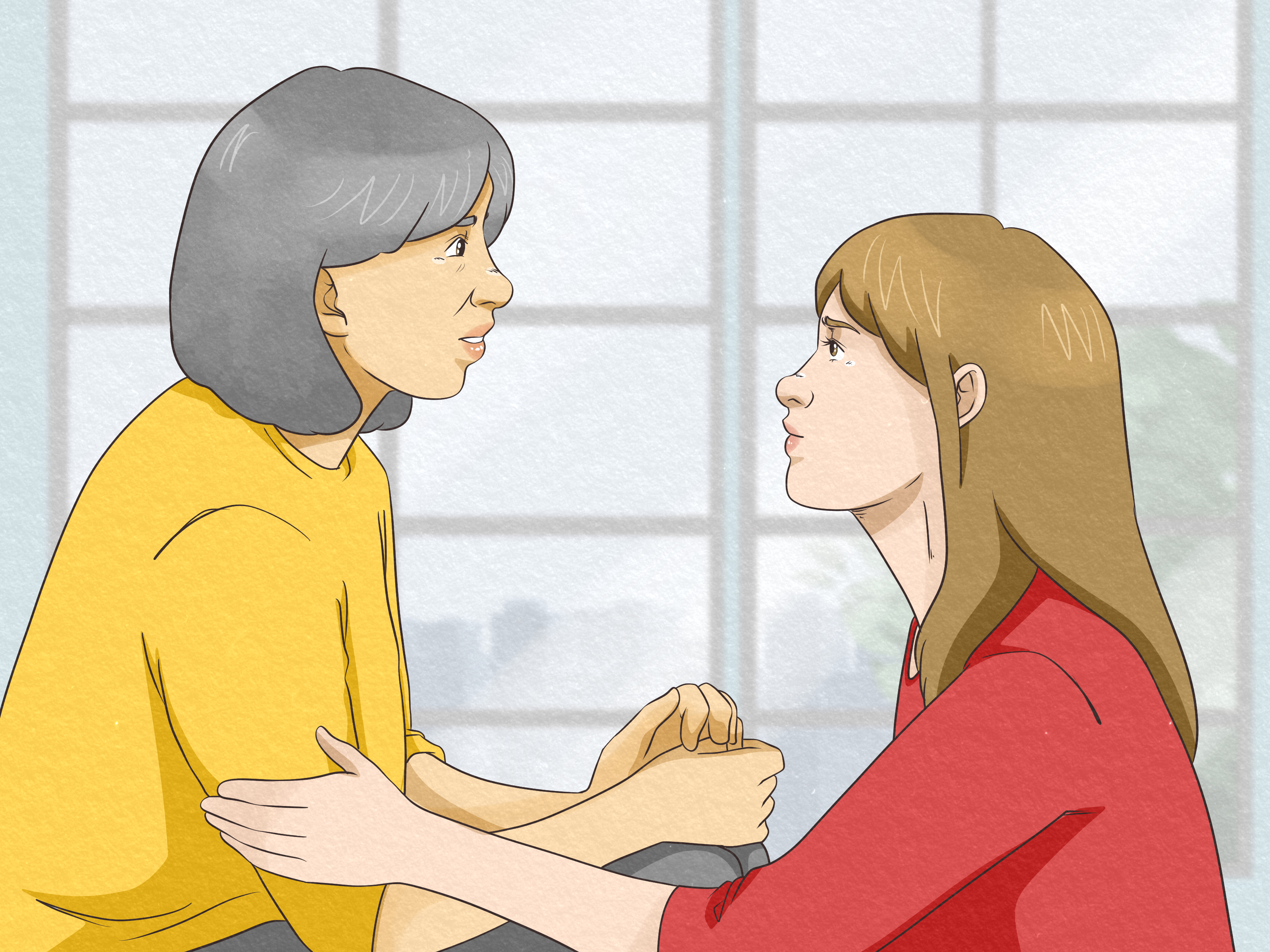
Close relationships are a recurring theme in well-being research. Friendship, family connection, supportive partnerships, and community involvement increase belonging and can buffer stress. Unfortunately, relationships are easy to postpone while work and errands shout louder.
Treat connection as maintenance rather than a special event. Send the message, schedule the lunch, or call the person whose name keeps appearing in your mind. You do not need a stadium full of friends; a few relationships marked by trust, warmth, and mutual effort can be deeply valuable.
Healthy connection also requires boundaries. Spending less time with people who repeatedly insult, manipulate, drain, or frighten you is not selfish. It is emotional housekeeping.
Practice Being Where Your Life Is Happening
Many people miss enjoyable moments because their attention is elsewhere. They eat while reading bad news, walk while answering messages, and watch sunsets through a camera app. The event occurred, but the mind was out of office.
Use Mindfulness in a Practical Way
Mindfulness means noticing the present moment with less judgment. Try taking five slow breaths before opening your laptop, noticing the flavor of your first drink, or identifying five things you see during a walk. Formal meditation can help some people manage stress, but it is not the only option. Walking, stretching, cooking, drawing, and guided breathing can also anchor attention.
Savor Good Moments
Savoring is the deliberate act of paying attention to a positive experience. When something pleasant happens, pause for 10 or 20 seconds. Notice what feels good and share it with someone. Practice with ordinary pleasures: warm sunlight, a funny text, clean sheets, a successful recipe, or the first bite of a sandwich you did not have to make.
Use Gratitude Without Denying Reality
Gratitude practices are associated with greater life satisfaction and positive emotion. Record three specific things you appreciated during the day. “My life” is admirable but vague; “My neighbor rescued my package before the rain” gives your mind something concrete to revisit.
Gratitude is not toxic positivity. You can appreciate a supportive friend while remaining angry about what happened. For an extra social benefit, express thanks directly and explain what the other person’s action changed.
Create Purpose Through Small, Useful Actions
Purpose does not have to arrive as a dramatic calling accompanied by inspirational music. It often grows from contribution, creativity, learning, caregiving, faith, craftsmanship, or service. Ask, “Who or what benefits when I show up well?”
Set Goals for the Week You Are Actually Living
Choose meaningful, controllable targets: cook twice this week, practice guitar for 15 minutes, update your résumé, or walk with a parent on Sunday. Break the action down until resistance becomes almost silly. “Write a novel” is intimidating; “open the document and write 100 words” is approachable.
Make Room for Hobbies
Hobbies can provide creativity, mastery, relaxation, identity, and community. Bake bread, repair bicycles, photograph birds, learn a language, play pickleball, or become emotionally invested in a tomato plant. Joy does not need a business model.
Change the Way You Talk to Yourself
Your internal narrator shapes your day. If every mistake becomes “I ruin everything,” ordinary setbacks acquire unnecessary dramatic lighting. Positive thinking does not mean ignoring problems; it means describing them accurately and leaving room for solutions.
Replace “I am terrible at this” with “I am still learning this part.” Replace “Today was a disaster” with “Two difficult things happened, and I handled one better than before.” Speak to yourself as you would to someone you respect. Self-compassion is not avoiding responsibility; it is creating enough emotional safety to improve.
Put Technology Back in Its Proper Job
Technology can connect, entertain, and teach. It can also turn 45 minutes into a blur of advertisements, outrage, comparison, and celebrity kitchen analysis. Notice how different forms of screen time affect you.
Remove draining apps from the home screen, turn off nonessential notifications, keep the phone away from meals, and establish a no-scroll period before bed. Replace rather than merely remove: place a book by the couch, download music for a walk, or list five-minute activities that reliably improve your mood. Your attention is part of your life, not free real estate for every algorithm.
Give Joy Away
Kindness can strengthen connection, meaning, and positive emotion. Bring coffee to a colleague, leave a thoughtful review, volunteer, help someone with a task, or check on a person who may be lonely.
Forgiveness may also reduce the burden of resentment, but it does not require excusing harm or removing boundaries. Sometimes it simply means deciding that an old injury will no longer receive unlimited space in your present life.
Build a Personal Happiness System
Trying 14 new habits on Monday is an excellent way to abandon 14 habits by Thursday. Choose one action from each of three categories: body, connection, and attention. For example, walk for 15 minutes, call one friend each week, and record one good moment before bed.
Attach each behavior to something you already do. After lunch, walk. After shutting down your computer, message someone you care about. Track consistency rather than perfection. Missing a day is data, not a character diagnosis.
A Seven-Day Plan for Enjoying Life More
Day 1: Notice
Write down three moments that improved or drained your energy.
Day 2: Move
Take a 15-minute walk or choose another enjoyable activity.
Day 3: Connect
Contact someone you like and suggest a specific time to talk.
Day 4: Simplify
Remove one recurring irritation: unsubscribe, repair, delegate, discard, or decide.
Day 5: Savor
Give one pleasant experience your full attention for one minute.
Day 6: Contribute
Do one helpful thing without seeking recognition.
Day 7: Review
Keep the habits that felt useful and realistic. Release the rest without guilt.
Experience-Based Happiness Experiments
These realistic scenarios show how small changes can improve everyday enjoyment without requiring a personality transplant, a mountain retreat, or a suspiciously expensive wellness beverage.
The Morning Walk Experiment
A remote worker begins each day by checking email in bed. Before standing up, she has already encountered three problems, two urgent requests, and a group chat debating lunch. She tests a new routine for one week: shoes on, phone in pocket, 12-minute walk before work.
The walk does not transform every morning into a musical. Some days are cold, and one dog barks as though she has committed tax fraud. Still, work no longer feels like the first event in her life. She gets sunlight, moves her body, and creates a transition into the day. The lesson is not that walking solves everything. It is that a small personal ritual can prevent other people’s demands from becoming your first conscious experience.
The Phone-Free Dinner Experiment
A couple realizes dinner has become a quiet competition between two glowing screens. They put their phones on a shelf for 20 minutes. At first, conversation feels formal, as if they are networking. Then they ask better questions: What was unexpectedly funny today? What has been stressful? What should they do this weekend?
Nothing dramatic happens, which is the point. The meal becomes warmer because attention is no longer divided. They are not manufacturing excitement; they are recovering contact that was already available.
The Tiny Hobby Experiment
A busy parent says he has no time for hobbies because the word makes him imagine golf trips and elaborate workshops. He chooses a smaller version: 15 minutes of sketching twice a week after the children go to bed. His early drawings look like courtroom evidence against his artistic ability, but he continues.
The benefit is not immediate mastery. It is ownership. A small part of the week belongs to curiosity rather than obligation. The sketches remind him that adulthood does not have to consist entirely of maintenance tasks and password resets.
The Gratitude Message Experiment
A manager begins sending one genuine appreciation message every Friday. The notes are specific: “Your summary helped us decide quickly,” or “You noticed the customer’s concern before it grew.” The practice takes five minutes.
She starts noticing useful behavior more readily because she is looking for it. Employees receive clearer feedback, and Friday ends with a small act of connection rather than one final exhausted inbox refresh. Gratitude changes the recipient’s moment and the observer’s attention.
The Bad-Day Minimum
A person recovering from burnout creates a “minimum viable good day.” On difficult days, he does not demand productivity, exercise, socializing, meal prep, meditation, and flawless hydration. His minimum is simpler: shower, eat something nourishing, step outside for five minutes, and contact one safe person.
This reduces all-or-nothing thinking. A bad day no longer has to become an abandoned day. Sometimes the minimum leads to more; sometimes it does not. Either way, he practices care instead of punishment. Enjoying life is not always squeezing pleasure from every hour. Sometimes it means treating yourself as someone whose life is worth supporting.
When Happiness Tips Are Not Enough
Lifestyle habits can support mental health, but they are not substitutes for professional care. Persistent sadness, hopelessness, loss of interest, severe anxiety, major changes in sleep or appetite, substance misuse, or difficulty functioning may signal a mental health condition. A primary care professional or licensed mental health provider can assess what is happening and discuss treatment.
If you are in immediate danger or thinking about harming yourself, contact emergency services or a crisis resource in your country immediately. Asking for help is not a failure to think positively; it is an act of self-preservation.