Starting a union can sound like something that requires a law degree, a megaphone, and the emotional stamina of someone who has survived three-hour staff meetings without snacks. In reality, it begins with something much simpler: workers talking to one another about what needs to change.
Maybe the issue is low pay. Maybe scheduling is unpredictable. Maybe the “open-door policy” technically exists, but the door seems to lead into a broom closet labeled “We’ll circle back.” A union gives employees a legal, democratic way to bargain collectively over wages, hours, benefits, safety, job security, and working conditions.
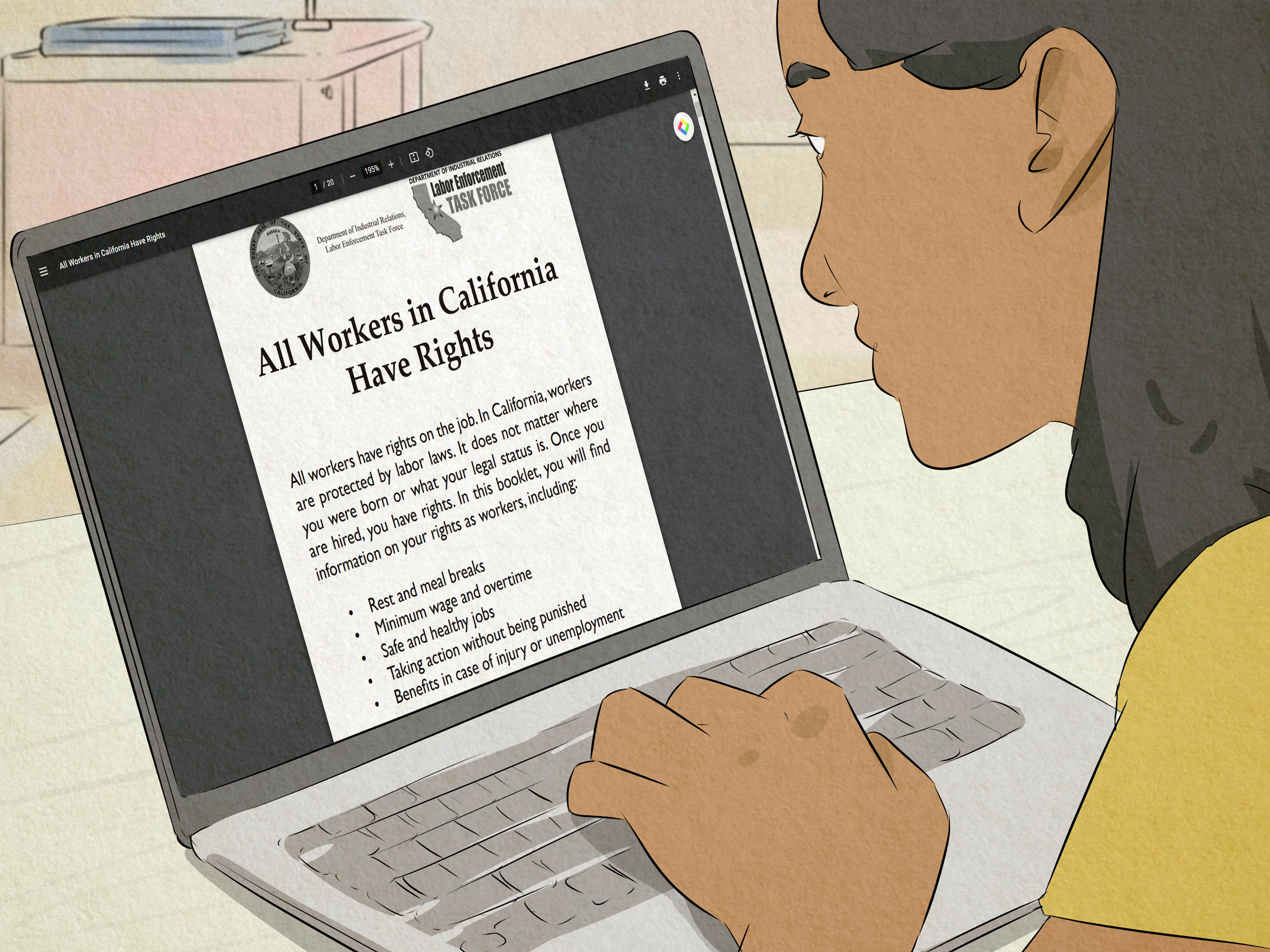
In the United States, most private-sector employees have the right to form, join, or assist a union under the National Labor Relations Act, often called the NLRA. These rights are protected by the National Labor Relations Board, or NLRB, the federal agency that handles union elections and investigates many unfair labor practice claims. However, labor law can vary depending on whether you work in the private sector, public sector, railroad, airline, agriculture, or another special category. That is why the first step in starting a union is not printing buttons. It is understanding the rules of the road.
What Does It Mean to Start a Union?
To start a union means workers join together to create or choose an organization that represents them in collective bargaining. Collective bargaining is the formal process where the union and employer negotiate over workplace terms. A union does not magically fix every workplace problem overnight. It does something more durable: it gives workers a structured voice and a legal seat at the table.
Instead of one employee asking for a raise and being told, “We’ll review compensation during the next budget cycle,” a union allows workers to negotiate as a group. That group can push for a written contract covering pay scales, health benefits, scheduling rules, grievance procedures, safety standards, vacation policies, training, discipline, and more.
Know Your Basic Union Rights
Under federal labor law, covered employees generally have the right to talk with coworkers about forming a union, distribute union literature during nonworking time in nonworking areas, sign union authorization cards, attend organizing meetings, wear union buttons or stickers in many workplace settings, and act together to improve wages or working conditions.
These rights apply whether a workplace already has a union or not. Workers also have the right to refrain from union activity. That matters because a lawful organizing campaign should be based on voluntary support, honest conversations, and democratic choicenot pressure, confusion, or workplace drama worthy of a reality show reunion episode.
Protected Concerted Activity
A key phrase to understand is “protected concerted activity.” In plain English, this means two or more employees acting together to improve workplace conditions. It can include discussing pay, raising safety concerns, asking management for better scheduling, or organizing support for a union. In some cases, even one employee may be protected if they are acting on behalf of coworkers or trying to start group action.
For example, if three employees discuss unsafe equipment and agree to ask management for repairs, that may be protected concerted activity. If coworkers compare wages to figure out whether pay is fair, that may also be protected. Employers often prefer that workers treat pay like a secret family recipe, but federal labor law generally protects employees who discuss compensation with each other.
Who Is Covered by U.S. Labor Law?
The NLRA covers many private-sector workers, but not everyone. Public-sector employees, agricultural workers, domestic workers, independent contractors, supervisors, and employees covered by the Railway Labor Act may fall outside the NLRA. Airline and railroad workers usually deal with the National Mediation Board under the Railway Labor Act. Many federal employees are covered by a different labor-relations system administered by the Federal Labor Relations Authority.
This does not mean excluded workers have no rights at all. It means they may organize under a different law, state system, public-sector labor board, or industry-specific process. Before launching a campaign, workers should confirm which law applies to their workplace. This is especially important for teachers, government employees, airline workers, railroad workers, farmworkers, domestic workers, and people classified as independent contractors.
Step 1: Start Quietly With Trusted Conversations
Every successful union campaign starts with listening. Not lecturing. Not dropping a 47-page manifesto into the group chat at midnight. Listening.
Begin by talking with trusted coworkers one-on-one. Ask what frustrates them, what they would change, and whether they believe employees would have more power by acting together. Keep the early conversations focused on shared workplace issues rather than abstract slogans. “We need predictable schedules” is easier to organize around than “We must restructure the entire labor-capital relationship by Friday.”
Good organizing conversations usually include three parts: identifying the problem, connecting that problem to collective action, and asking the coworker to take a specific next step. That next step might be attending a small meeting, talking with another coworker, or helping map the workplace.
Step 2: Build an Organizing Committee
An organizing committee is the core group of workers who help guide the campaign. Ideally, it should reflect the workplace. That means different departments, shifts, job classifications, backgrounds, languages, seniority levels, and social groups. A committee made entirely of night-shift workers may miss what day-shift workers care about. A committee made entirely of office staff may not understand warehouse concerns. A strong union campaign looks like the workplace it wants to represent.
The committee’s job is to listen, track support, answer questions, identify leaders, and keep the campaign disciplined. It should also agree on basic communication practices. Use personal devices and personal accounts when organizing outside work. Avoid using employer email, employer messaging tools, or company equipment for union activity unless you have confirmed the rules and legal risks. The goal is not secrecy for secrecy’s sake; it is smart, lawful organizing.
Step 3: Identify the Workplace Issues That Unite People
Workers usually do not unionize because they enjoy paperwork. They unionize because something important is broken, ignored, or unstable. Common issues include low wages, weak benefits, unsafe conditions, unpredictable schedules, favoritism, understaffing, lack of promotion paths, unfair discipline, high turnover, and management refusing to listen.
Make a clear list of the issues workers care about most. Then separate individual complaints from shared concerns. One employee’s conflict with one manager may matter, but a campaign is stronger when it focuses on patterns affecting many people. “Everyone is tired” is not specific enough. “Closing-shift workers are regularly scheduled until midnight and expected back at 7 a.m.” is specific, concrete, and easier to organize around.
Step 4: Connect With a Union Organizer or Consider an Independent Union
Workers can affiliate with an established union or form an independent union. An established union may offer legal guidance, campaign training, staff support, bargaining experience, research, and help navigating the NLRB process. Different unions represent different industries: health care, education, communications, retail, logistics, government services, media, manufacturing, hospitality, and more.
An independent union may give workers more direct control, but it also requires handling legal filings, bargaining preparation, finances, internal governance, and representation duties. That is not impossible, but it is a serious responsibility. Think of it like building your own bicycle while riding downhill: doable for some people, not ideal for everyone.
Step 5: Map the Workplace
Workplace mapping means identifying who works where, on which shift, in which job classification, with which coworkers, and who influences whom. This is not about spying. It is about understanding the human structure of the workplace.
A good workplace map might include departments, supervisors, informal leaders, undecided workers, strong supporters, strong opponents, and people who need more information. Organizers often track support carefully because guessing is dangerous. A campaign that “feels strong” in one break room may be weak across the full bargaining unit.
The bargaining unit is the group of employees who would be represented by the union. Determining the appropriate bargaining unit can become a major legal issue. Workers may think, “Obviously, it is everyone on the floor,” while the employer may argue for a different grouping. The NLRB may review whether the proposed unit is appropriate before an election.
Step 6: Sign Union Authorization Cards
Union authorization cards are written statements showing that employees support union representation. Under the NLRB election process, workers generally need to show that at least 30 percent of employees in the proposed bargaining unit support an election, often through signed cards or a petition.
However, many campaigns aim for much higher support before filing. Why? Because support can shift once the campaign becomes public. Some workers get nervous. Management may hold meetings. Rumors may appear faster than free donuts in the break room. A strong majority gives the campaign a better chance of surviving pressure.
Workers should be honest about what a card means. Do not mislead people. Do not say, “This is just for more information,” if the card says the signer wants union representation. Trust is the campaign’s currency. Spend it carefully.
Step 7: Ask for Voluntary Recognition or File for an NLRB Election
Once a majority of workers supports union representation, there are generally two paths. The first is voluntary recognition. This means the employer agrees to recognize the union based on evidence that a majority of employees support it, often authorization cards. Some employers agree. Many do not.
The second path is filing a petition for an NLRB election. If the legal requirements are met, the NLRB can conduct a secret-ballot election. If the union receives a majority of votes cast, it is certified as the bargaining representative for the employees in the unit. The employer must then recognize and bargain with the union.
Step 8: Prepare for the Employer’s Response
Some employers respond neutrally. Some respond with concern. Some suddenly discover a deep passion for “direct communication” after years of communicating mainly through policy updates and mysterious calendar invites.
Employers have free speech rights and may express opinions about unionization, but they cannot lawfully threaten employees, interrogate them about union support, spy on union activity, promise benefits to discourage union support, fire or discipline workers for protected organizing, or create the impression that protected activity is under surveillance. These types of actions may become unfair labor practices.
Workers should document questionable conduct. Write down dates, times, locations, who was present, and what was said or done. Keep records factual. “Manager threatened layoffs if the union won” is useful. “Manager was giving villain energy” may be emotionally accurate but less helpful in a legal file.
Step 9: Vote and Protect the Election Process
During an NLRB election, eligible employees vote by secret ballot. The union must win a majority of votes cast. That makes turnout critical. If 100 workers are eligible but only 40 vote, the outcome is decided by those 40 ballots.
Before the election, workers should make sure supporters know when, where, and how to vote. They should also understand eligibility rules and what to do if there are challenged ballots. The organizing committee should keep communication steady, factual, and calm. Election week is not the moment to invent six new campaign messages and redesign the logo. Stay focused on the issues that built support in the first place.
Step 10: Bargain a First Contract
Winning recognition is not the finish line. It is the starting line for bargaining. After certification or recognition, the employer and union generally have a duty to bargain in good faith over wages, hours, and other terms and conditions of employment.
A first contract can take time. Workers should elect or select a bargaining committee, survey coworkers, set priorities, research industry standards, and communicate regularly with the unit. Bargaining works best when members stay involved. A union is not a vending machine where workers insert dues and wait for benefits to drop out. It is a democratic organization that depends on participation.
Common Mistakes to Avoid When Starting a Union
Rushing Before Majority Support Exists
Excitement is good. Filing too early can be risky. A union campaign needs enough support to withstand employer pressure, fear, misinformation, and normal workplace uncertainty. Build patiently.
Talking Only to People Who Already Agree
Supportive coworkers are comforting, but undecided coworkers decide campaigns. Spend time listening to people with questions. Do not treat skepticism as betrayal. Sometimes the person asking the hardest questions becomes the strongest organizer once they get real answers.
Ignoring Legal Coverage
Different workers are covered by different laws. Private-sector employees, federal employees, state and local public employees, airline workers, and railroad workers may face different procedures. Confirm the correct legal path early.
Making Promises the Union Cannot Guarantee
A union can fight for higher pay, better benefits, and fairer rules, but no organizer should promise a specific raise before bargaining. The honest message is stronger: a union gives workers the power to negotiate collectively and put agreements in writing.
What Can a Union Negotiate?
Union contracts often cover wages, overtime, health insurance, retirement benefits, paid leave, scheduling, seniority, safety rules, training, promotions, discipline, grievance procedures, anti-discrimination protections, remote-work policies, staffing levels, layoff procedures, and more. The exact priorities depend on the workplace.
For example, warehouse workers may focus on safety, heat protections, production quotas, and break times. Nurses may prioritize staffing ratios, patient safety, mandatory overtime, and protective equipment. Media workers may care about pay transparency, editorial independence, severance, and promotion pathways. Retail workers may organize around scheduling, security, wages, and protection from unfair discipline.
Why Union Organizing Still Matters
Recent labor data shows that union representation remains a significant part of the U.S. workforce, even though union density is much lower than it was decades ago. Union members often have higher median weekly earnings than nonunion workers, although wage comparisons can reflect differences in industry, occupation, geography, age, and full-time status. Beyond pay, unions can influence safety, fairness, benefits, training, and job stability.
But the deeper reason workers organize is dignity. People want a voice in decisions that shape their lives. They want rules that are written down. They want a process when management gets it wrong. They want raises that do not depend on whether the boss “sees them as leadership material,” which sometimes means “laughs at the boss’s jokes.”
Practical Experience: What Organizing Really Feels Like
In real life, starting a union rarely feels like a movie montage. There may be no dramatic soundtrack, no slow-motion walkout, and sadly, no perfectly timed thunderstorm. Most organizing work is ordinary and human: conversations in parking lots, texts after shifts, coffee meetings, spreadsheets, awkward questions, and coworkers slowly realizing they are not alone.
One common experience is discovering that the loudest person in the break room is not always the most influential. Sometimes the real leader is the quiet coworker everyone trusts because they train new hires, remember birthdays, and know which printer jams if you look at it wrong. A smart organizing committee pays attention to these informal leaders. If they understand the campaign and support it, others may feel safer asking questions.
Another lesson is that fear is normal. Workers may worry about retaliation, conflict, or whether a union will create tension. Dismissing those fears is a mistake. The better response is to explain rights clearly, talk through risks honestly, and show how collective action reduces isolation. A single worker complaining may feel exposed. A majority of workers standing together is harder to ignore.
Good organizers also learn to slow down. The person who signs a card immediately is not the only person who matters. Some coworkers need three conversations. Some need to talk to their spouse. Some need to understand dues, strikes, bargaining, and what happens if the union wins. Patience is not weakness; it is strategy wearing comfortable shoes.
Documentation becomes another practical habit. Workers should write down workplace issues as they happen: missed breaks, unsafe equipment, schedule changes, favoritism, denied leave, or sudden rule enforcement after union activity begins. These records help the committee identify patterns and may be useful if legal questions arise.
Campaigns also succeed when they stay rooted in workplace issues rather than personalities. It is easy to turn a union drive into a referendum on one unpopular manager. But managers come and go. A contract can create rules that last beyond one personality. The strongest message is not “We dislike Manager Steve.” It is “We need fair scheduling, transparent raises, and a real process for solving problems.” Poor Steve may still be part of the story, but he should not be the whole plot.
Finally, workers often discover that democracy is messy. People disagree about priorities. One group wants higher wages first. Another wants safer staffing. Another wants better health benefits. That is not a failure. That is the point. A union gives workers a way to debate priorities and choose a bargaining agenda together. It turns scattered frustration into organized power.
Conclusion: Starting a Union Is Legal, Strategic, and Built on Trust
Starting a union is one of the most powerful legal tools workers have to improve their jobs. It begins with conversations, grows through trust, becomes stronger through an organizing committee, and becomes official through voluntary recognition or a formal election process. The law protects many workers who want to organize, but the best campaigns combine legal knowledge with patience, honesty, and disciplined communication.
If you are thinking about how to start a union, begin with the basics: learn which law covers your workplace, talk with trusted coworkers, identify shared issues, build a representative committee, connect with experienced support, and move only when support is real. A union is not just a form, a card, or an election. It is workers deciding that the workplace should not be a place where decisions only travel downhill.
In other words, organizing legally is not about making noise for the sake of noise. It is about building enough collective power that management finally has to listen without pretending the suggestion box is a sacred democratic institution.