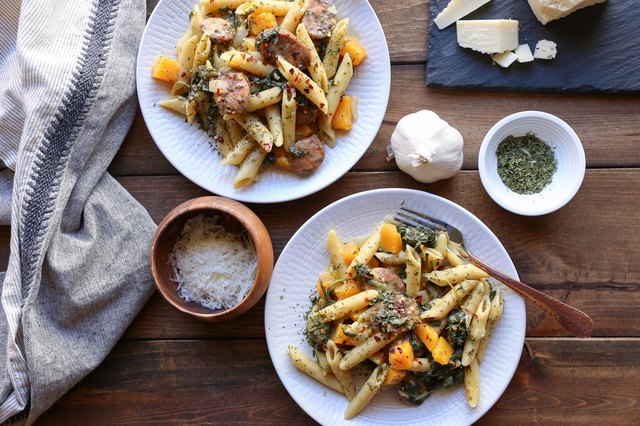
Some dinners arrive with a sink full of pans, a suspicious amount of measuring cups, and the emotional exhaustion of a small home-renovation project. This easy one-pot butternut squash and sausage pasta recipe is not one of those dinners. It is the kind of meal that makes a Tuesday night feel almost organized: hearty Italian sausage, tender butternut squash, creamy pasta, fragrant sage, and a generous snowfall of Parmesanall made in one pot.
The magic is in the contrast. Butternut squash brings gentle sweetness and a silky texture, while sausage adds savory richness and enough personality to keep dinner from tasting like a candle called “Autumn Harvest.” The pasta cooks right in the broth, soaking up flavor as it softens. By the time everything is done, you have a cozy fall pasta dinner that looks far more impressive than the effort required.
This one-pot sausage pasta is ideal for busy weeknights, chilly evenings, meal prep, casual dinner guests, or anyone who believes washing a colander should be considered optional whenever possible.
Why You’ll Love This One-Pot Butternut Squash and Sausage Pasta
This recipe earns a permanent spot in the dinner rotation because it solves several problems at once. It is comforting without being complicated, flexible without becoming vague, and rich enough to feel special without requiring a culinary degree or a dramatic Italian grandmother standing behind you with folded arms.
- One pot means less cleanup: The sausage, vegetables, pasta, and sauce all come together in a Dutch oven or deep skillet.
- Butternut squash creates a creamy texture: As the squash softens, some pieces break down and naturally thicken the sauce.
- The pasta absorbs more flavor: Cooking pasta in broth instead of plain water gives every bite a deeper savory taste.
- It is easy to customize: Use spicy sausage, chicken sausage, kale, spinach, mushrooms, or a splash of cream depending on what is in your refrigerator.
- It feels like restaurant comfort food: Yet it is still realistic enough for a weeknight when your energy level is somewhere between “hungry” and “horizontal.”
Ingredients for Butternut Squash and Sausage Pasta
This recipe serves about four hungry people, or two people who insist they are only having one bowl and then mysteriously return to the pot with a fork.
Main Ingredients
- 1 tablespoon olive oil
- 1 pound Italian sausage, casings removed if needed
- 1 small yellow onion, finely chopped
- 3 garlic cloves, minced
- 3 cups peeled butternut squash, cut into ½-inch cubes
- 12 ounces short pasta, such as rigatoni, penne, shells, or cavatappi
- 3½ cups low-sodium chicken broth
- ½ cup water, plus more as needed
- 1 teaspoon dried sage or 1 tablespoon chopped fresh sage
- ½ teaspoon dried thyme
- ¼ teaspoon crushed red pepper flakes, optional
- ½ teaspoon kosher salt, plus more to taste
- ½ teaspoon black pepper
- ½ cup heavy cream or half-and-half
- ¾ cup freshly grated Parmesan cheese, plus more for serving
- 2 packed cups baby spinach or chopped kale, optional
- 1 teaspoon lemon juice, optional but highly recommended
Best Sausage for This Recipe
Sweet Italian sausage is the safest crowd-pleasing choice because it gives the dish a savory, fennel-forward flavor without too much heat. Hot Italian sausage works beautifully if you prefer a little fire. Chicken or turkey sausage can make the meal lighter, although you may want to add an extra drizzle of olive oil because leaner sausage releases less flavorful fat.
When using raw sausage, cook it thoroughly before adding the remaining ingredients. Ground sausage should reach an internal temperature of 160°F for food safety.
Choosing the Right Pasta Shape
Short pasta is the hero here. Rigatoni, penne, cavatappi, fusilli, orecchiette, and medium shells all work because they hold onto the creamy squash sauce. Long noodles such as spaghetti are possible, but they can turn this cozy one-pot situation into a wrestling match.
Choose a pasta shape with ridges, twists, or little pockets whenever possible. The sauce is creamy, savory, and slightly chunky from the squash, so pasta with texture gives it more places to cling. Food writers frequently pair sausage, squash, leafy greens, herbs, and sturdy pasta shapes because the flavors balance sweet, spicy, earthy, and salty notes in one bowl.
How to Make Easy One-Pot Butternut Squash and Sausage Pasta
Step 1: Brown the Sausage
Heat olive oil in a large Dutch oven or deep skillet over medium-high heat. Add the sausage and break it into small crumbles with a wooden spoon. Cook for 6 to 8 minutes, until browned and fully cooked. If the sausage releases an excessive amount of grease, spoon off some of it, but leave a little behind. That flavorful fat is doing important work. It is basically the unpaid intern of the recipe.
Step 2: Cook the Onion, Garlic, and Squash
Add the onion to the pot and cook for about 3 minutes, stirring often. Add the garlic, sage, thyme, red pepper flakes, salt, and black pepper. Stir for about 30 seconds, just until the garlic becomes fragrant.
Add the cubed butternut squash and stir until it is coated in the sausage drippings and herbs. Keep the cubes fairly smallaround ½ inchso they soften at the same rate as the pasta. Huge squash chunks may look rustic, but they can also leave you chewing while everyone else has finished dessert.
Step 3: Add Pasta and Broth
Pour in the pasta, chicken broth, and water. Stir well, making sure the pasta is mostly submerged. Bring the liquid to a gentle boil, then reduce the heat to medium-low.
Cover the pot partially and cook for 12 to 15 minutes, stirring every few minutes to keep the pasta from sticking. The broth should simmer steadily but not boil with the enthusiasm of a volcano documentary.
Step 4: Finish the Creamy Sauce
When the pasta is nearly tender and the squash is soft, stir in the cream and Parmesan. Add spinach or kale, if using, and cook for 1 to 2 minutes until wilted. Finish with lemon juice for brightness.
If the pasta seems dry, add a splash of broth or hot water. If it seems loose, let it sit uncovered for 2 to 3 minutes. The sauce thickens as it rests because the pasta continues absorbing liquid and the squash keeps breaking down into the sauce.
Taste and adjust the seasoning. Add more Parmesan, black pepper, crushed red pepper, or lemon juice until the flavors feel balanced. Serve immediately with extra cheese and fresh sage or parsley.
Tips for the Best Creamy Sausage and Squash Pasta
Cut the Squash Evenly
Even cubes are not just for people who enjoy owning tiny rulers. Uniform squash pieces cook at the same speed, helping you avoid a pot where one piece is tender and another could be used as decorative gravel.
Pre-cut butternut squash is a perfectly acceptable shortcut. It saves time, reduces knife stress, and keeps you from having a dramatic showdown with a hard winter squash at 6:45 p.m.
Use Broth Instead of Plain Water
Chicken broth creates a richer one-pot pasta because the pasta absorbs seasoning as it cooks. Vegetable broth works for a meatless version, while a good-quality homemade stock makes the finished sauce even more savory.
Do Not Add All the Cheese Too Early
Parmesan should go in near the end, after the pasta is tender. Adding cheese too early can make it clump or stick to the bottom of the pan. Freshly grated Parmesan melts more smoothly than the shelf-stable kind in a green shaker bottle, although nobody is here to judge your pantry choices.
Give It a Rest Before Serving
Let the pasta sit for a couple of minutes before plating. This gives the sauce time to settle into a creamy texture instead of behaving like soup with an identity crisis.
Easy Variations to Try
Spicy Butternut Squash Sausage Pasta
Use hot Italian sausage and increase the crushed red pepper flakes. A little heat makes the sweetness of the butternut squash pop even more.
Chicken Sausage and Spinach Pasta
Use fully cooked chicken sausage, sliced into coins, and add extra spinach. Since pre-cooked sausage needs less time, sauté it briefly for color, then continue with the onion and squash.
Vegetarian One-Pot Butternut Squash Pasta
Skip the sausage and use white beans or chickpeas for protein. Add mushrooms for savory depth, use vegetable broth, and finish with Parmesan or a plant-based alternative. White beans are especially useful because they add creaminess without turning the recipe into a science project.
Butternut Squash Pasta with Kale
Use chopped kale instead of spinach if you want more texture. Add it during the last 4 to 5 minutes of cooking so it has time to soften without disappearing completely.
Dairy-Free Version
Replace the cream with unsweetened oat cream or full-fat coconut milk, then use dairy-free Parmesan or nutritional yeast. Coconut milk will add a faint coconut flavor, so use it only if your household is comfortable with a tiny tropical vacation happening inside an Italian-inspired pasta bowl.
What to Serve with Butternut Squash and Sausage Pasta
This dish is rich enough to stand alone, but a fresh side helps balance the meal. Try a peppery arugula salad with lemon vinaigrette, roasted broccoli, garlicky green beans, or a simple Caesar salad. Warm crusty bread is also a fine choice, especially for collecting every last bit of sauce. It would be wasteful not to. That is not indulgence; that is efficiency.
How to Store and Reheat Leftovers
Cool leftovers promptly and refrigerate them in an airtight container. Perishable cooked foods should not sit at room temperature for more than two hours, and refrigerated leftovers are generally best used within 3 to 4 days.
To reheat, place a serving in a skillet with a splash of broth, water, or milk. Warm over medium-low heat, stirring until creamy again. You can also microwave it in short intervals, stirring between each round. The pasta absorbs sauce as it sits, so extra liquid is not a mistakeit is the rescue mission.
Whole butternut squash keeps best in a cool, dry, well-ventilated place rather than the refrigerator; extension guidance commonly recommends storage around 50 to 55°F.
Frequently Asked Questions
Can I use frozen butternut squash?
Yes. Frozen cubed butternut squash works well, especially when you need a fast dinner. Add it directly to the pot without thawing. You may need a few extra minutes of cooking time and a splash more broth because frozen squash can release moisture as it cooks.
Can I make this recipe ahead?
You can chop the squash, onion, and garlic in advance. You can also brown the sausage ahead of time. For the best pasta texture, cook the complete dish shortly before serving rather than making it a day ahead.
Why is my one-pot pasta too dry?
Different pasta brands absorb liquid differently. Add warm broth or water, a few tablespoons at a time, until the sauce loosens. Keep in mind that the pasta will continue absorbing liquid after the heat is turned off.
Why is my pasta still firm but the liquid is gone?
Add another ¼ to ½ cup of hot broth or water, cover the pot, and continue cooking for a few minutes. This usually happens when the burner runs hot, the lid is left off too long, or the pasta is especially thirsty. Pasta has moods.
Kitchen Experiences: What This One-Pot Pasta Teaches You
The first time I made butternut squash and sausage pasta in one pot, I expected it to be good in the way most “easy dinners” are good: acceptable, convenient, and unlikely to inspire anyone to pause mid-bite. Instead, it became one of those meals that makes people hover near the stove and ask, “What smells so good?” before they have even taken off their coat.
The biggest lesson is that the recipe rewards attention, but not perfection. You do not need every squash cube to look identical. You do not need to measure every teaspoon with laboratory precision. You do need to stir occasionally, especially once the pasta starts absorbing the broth. The pot changes quickly near the end. One minute it looks a little watery; the next minute it turns into a glossy, creamy sauce that seems suspiciously more luxurious than something made on a weeknight.
I have made versions of this dish when the refrigerator was nearly empty, when the weather was miserable, and when dinner needed to happen before someone started eating crackers directly from the box. It works because the basic combination is forgiving. Sausage gives the pot immediate flavor. Squash softens into something almost buttery. Pasta makes it feel substantial. Parmesan makes nearly everyone happier, including the person who claimed not to be hungry ten minutes earlier.
Another useful experience is learning not to panic when the sauce looks too thin during cooking. One-pot pasta often appears loose before it is finished. The starch from the pasta and the softened squash naturally thicken the liquid as the dish rests. Add cream and cheese at the end, stir gently, and give the pot a moment. Rushing it is like opening the oven every two minutes while baking cookies: technically possible, emotionally understandable, but not helpful.
This recipe also makes a strong case for keeping a few reliable ingredients on hand. A package of sausage in the freezer, a box of short pasta, broth, Parmesan, and a squash on the counter can become dinner without a special grocery trip. Butternut squash is particularly useful because whole winter squash can store for weeks or months under the right cool, dry conditions.
Most importantly, this pasta is a reminder that comforting food does not have to be complicated food. The best bowl is not always the fanciest one. Sometimes it is the bowl you eat standing near the stove because it is too good to wait. Sometimes it is packed into a container for tomorrow’s lunch. Sometimes it is the meal that gets everyone at the table quiet for a few minutes, which may be the highest compliment a weeknight dinner can receive.