Liquid spills in a car have a special talent for happening at the worst possible moment. Coffee jumps during the morning commute. A juice box performs a tiny fountain show in the back seat. Someone’s smoothie decides it would rather live in the upholstery than in the cupholder. If your vehicle has fabric seats, the clock starts ticking the moment liquid hits the fibers.
The good news? Most fresh spills on fabric vehicle upholstery can be handled at home with the right method, a little patience, and absolutely no panic-scrubbing. The bad news? Rubbing like you are trying to erase a bad life decision can push liquid deeper into the seat foam, spread the stain, and leave a lovely little watermark shaped like regret.
This guide explains how to remove liquid spills from fabric car seats safely, how to treat common drink stains, how to reduce odors, and when to call a professional detailer. Whether you are dealing with coffee, soda, milk, water, sports drinks, juice, or mystery liquid from the land of “don’t ask,” the steps below will help you clean fabric vehicle upholstery without turning your car seat into a science experiment.
Why Fabric Vehicle Upholstery Absorbs Spills So Quickly
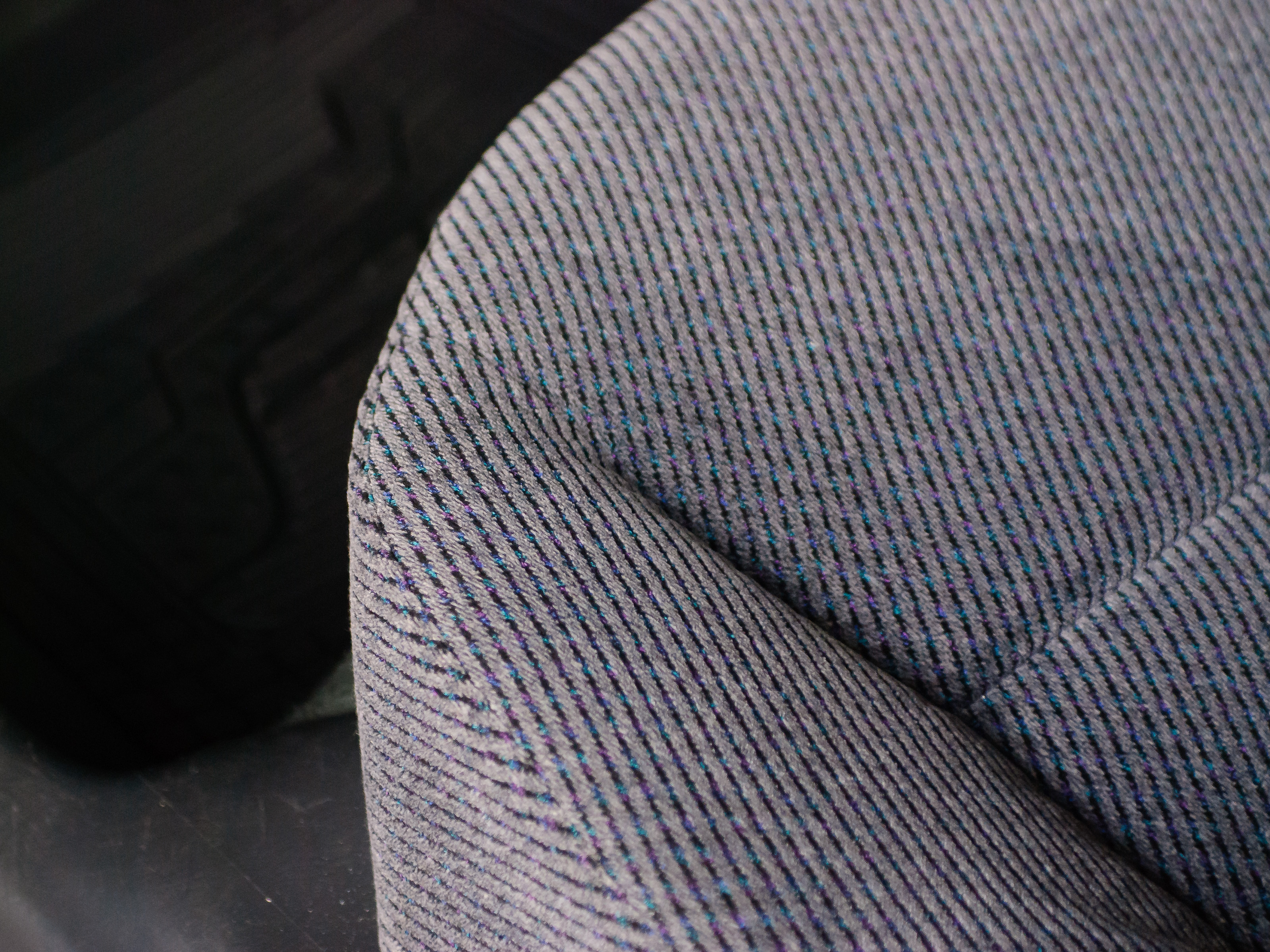
Fabric car seats are built for comfort, but they are also made with woven fibers, padding, seams, and foam layers. When liquid lands on the surface, it does not politely wait for you to finish your playlist. It begins moving downward and outward through the fabric. Sugary drinks can leave sticky residue. Dairy-based spills can sour and create odor. Coffee and tea contain tannins that may discolor the fabric. Colored beverages can leave dyes behind. Even plain water can create rings if the area dries unevenly.
That is why the best approach to car upholstery spill removal is simple: absorb first, clean lightly, rinse carefully, and dry completely. The goal is not to flood the seat with more liquid. The goal is to lift the spill out of the fibers before it settles in for a long-term lease.
What You Need Before Cleaning a Spill
You do not need a professional detailing garage to clean most liquid spills from fabric car seats. A small, organized kit can save the day and protect your upholstery from stains and odors.
Basic Supplies
- Clean white microfiber towels or white cotton cloths
- Paper towels for the first emergency blot
- A spray bottle filled with clean water
- Mild dish soap or an upholstery-safe fabric cleaner
- A soft-bristled brush
- A wet/dry vacuum or portable upholstery extractor, if available
- Baking soda for odor absorption
- Distilled white vinegar for some odor and mild stain situations
- 3% hydrogen peroxide for select light-colored fabrics, only after testing
Use white towels whenever possible because brightly colored rags can transfer dye onto damp upholstery. That would be deeply rude of them, but it happens.
The Golden Rule: Blot, Do Not Rub
The first and most important rule for removing spills from fabric vehicle upholstery is to blot. Press a clean towel firmly onto the spill and lift. Replace the towel with a dry section and repeat. This pulls liquid upward instead of grinding it sideways or deeper into the seat.
Rubbing is the villain of this story. It can fray fibers, spread the stain, and push sugar, milk, coffee, or soda deeper into the cushion. If the spill is large, apply pressure with several folded towels. Stand outside the vehicle, press down with your palm, and let the towel absorb as much liquid as possible.
Step-by-Step: How to Remove Fresh Liquid Spills from Fabric Car Seats
Step 1: Remove Excess Liquid Immediately
Start by blotting the spill with dry towels. Work from the outside edge of the wet area toward the center. This prevents the stain from spreading. For larger spills, use a wet/dry vacuum or upholstery extractor to pull out as much liquid as you can before applying any cleaner.
Step 2: Check the Upholstery and Test First
Before using any cleaning solution, test it on a hidden area, such as the underside of the seat or a tucked-away fabric edge. Wait a few minutes and check for color change, fading, or water marks. This is especially important on darker fabrics, older upholstery, and seats with special stain-resistant finishes.
Step 3: Apply a Light Cleaning Solution
For many water-based spills, mix a few drops of mild dish soap with one cup of warm water. Do not create a bubble mountain. You want a gentle solution, not a foam party. Lightly dampen a clean cloth with the mixture and blot the stained area. Avoid pouring the solution directly onto the seat.
If you use a commercial automotive upholstery cleaner, follow the label directions. Apply a small amount, allow the recommended dwell time, and avoid oversaturating the fabric. More product does not mean more clean. Sometimes it just means more rinsing and more muttering.
Step 4: Work from the Outside In
If the stain needs gentle agitation, use a soft-bristled brush and work from the outside edge toward the center. Use light pressure. The goal is to loosen residue from the fabric surface, not excavate the seat like an archaeological site.
Step 5: Rinse with a Damp Cloth
Soap residue attracts dirt, so rinsing matters. Dampen a clean cloth with plain water and blot the cleaned area. Repeat with fresh sections of cloth until the fabric no longer feels slippery or soapy. If you have an extractor, make a few passes with clean water and then several dry passes to remove moisture.
Step 6: Dry the Seat Completely
Drying is not optional. Open the doors or windows if the weather allows, park in a ventilated area, and use airflow to help the seat dry. A fan can help. If the seat is very wet, keep extracting moisture with towels or a wet/dry vacuum. Damp upholstery can develop musty odors, and nobody wants their car to smell like a forgotten gym bag wearing a raincoat.
How to Treat Common Liquid Spills on Fabric Vehicle Upholstery
Coffee and Tea
Coffee and tea stains can cling because they contain tannins. Blot the spill immediately. Then use a mild soap-and-water solution or an upholstery-safe cleaner. For stubborn discoloration, a small amount of diluted white vinegar may help, but always test first. Rinse with a clean damp cloth and blot dry.
Soda and Sports Drinks
Soda and sports drinks are sneaky because they may look harmless at first, then leave sticky sugar behind. Blot thoroughly, then clean with a mild upholstery solution. Rinse carefully to remove sugar residue. If the area still feels tacky after drying, repeat the rinse-and-blot process.
Juice
Fruit juice can leave both sugar and color. Blot first, then treat with a gentle cleaner. For bright red, purple, or orange drinks, avoid hot water because heat may help set some stains. Use cool or lukewarm water, blot patiently, and repeat as needed.
Milk, Baby Formula, and Creamy Drinks
Dairy spills need fast attention because odor can develop as the proteins and fats break down. Blot as much as possible, clean lightly with an upholstery-safe cleaner, rinse, and dry thoroughly. For lingering smell, sprinkle baking soda over the dry area, let it sit for several hours, and vacuum it completely. If the odor remains, use an enzyme-based upholstery cleaner designed for organic stains.
Water Spills
Plain water can still leave rings on fabric seats if minerals, dirt, or old residue move outward as the fabric dries. Blot the area evenly, then lightly dampen the surrounding fabric edge and blot again to prevent a sharp ring. Dry with airflow.
Unknown Mystery Liquid
If you do not know what spilled, start gently. Blot, use a small amount of upholstery cleaner, and avoid mixing products. Do not combine bleach, ammonia, vinegar, peroxide, or random cleaners. Your car is not the place for chemistry class auditions. If the liquid smells strong, is oily, or causes color loss, stop and contact a professional detailer.
How to Remove Odor After a Liquid Spill
Odor usually means residue or moisture remains in the upholstery. First, make sure the seat is fully dry. Then vacuum the area. Sprinkle baking soda over the affected fabric and let it sit for several hours or overnight. Vacuum slowly with an upholstery attachment.
For organic spills such as milk, formula, pet accidents, or vomit, an enzyme-based cleaner may be more effective because it is designed to break down odor-causing residue. Follow the label carefully and avoid soaking the cushion. If the smell returns after cleaning, the spill may have reached the foam padding. At that point, professional extraction may be the smartest choice.
What Not to Do When Cleaning Fabric Car Seats
Do Not Oversaturate the Seat
Too much water or cleaner can carry the spill deeper into the cushion. It can also cause wicking, where the stain seems to disappear, then returns as the fabric dries. Use small amounts of solution and extract or blot moisture as you go.
Do Not Use Harsh Scrubbing
Aggressive scrubbing can damage fabric texture and leave a fuzzy patch that looks worse than the original spill. Use gentle pressure and repeat the cleaning process instead of attacking the seat like it owes you money.
Do Not Use Bleach
Bleach can discolor fabric, weaken fibers, and damage interior materials. It is not a smart choice for vehicle upholstery.
Do Not Ignore Drying Time
Even if the surface looks clean, moisture can remain in the foam. Keep air moving until the seat is fully dry. If the seat feels cool or damp to the touch, it needs more time.
When to Use a Portable Upholstery Cleaner
A portable upholstery cleaner or extractor can be extremely helpful for larger spills, old stains, and odor problems. These machines spray cleaning solution, gently agitate the surface, and extract dirty water. The extraction step is the big advantage because it removes moisture instead of leaving it trapped in the padding.
Use the proper upholstery formula for the machine. Do not add dish soap, laundry detergent, or random household cleaners to an extractor unless the manufacturer allows it. Wrong formulas can create excess foam, leave sticky residue, or damage the machine.
When to Call a Professional Detailer
Some spills are bigger than a towel and a hopeful attitude. Call a professional auto detailer if the spill is large, has soaked deeply into the seat, smells sour after cleaning, involves oily liquid, or leaves a stain that keeps coming back. Professional detailers have extraction equipment, fabric-safe cleaners, odor treatments, and drying tools that can reach deeper than ordinary home methods.
You should also get help if the upholstery is delicate, vintage, unusually expensive, or part of a newer vehicle with special materials. A professional inspection can prevent accidental damage and save you from buying seat covers just to hide one dramatic latte incident.
How to Prevent Future Spills from Becoming Permanent Stains
Spill prevention is not glamorous, but neither is explaining why the passenger seat smells like chocolate milk in July. Keep a few microfiber towels in the glove box or trunk. Use lidded cups. Avoid placing open drinks on seats. Consider washable seat covers for kids, pets, or road trips. Vacuum regularly because dirt in the fabric can mix with liquid and create darker stains.
You may also use a fabric protector designed for automotive upholstery, but apply it only after the seats are clean and dry. Follow the product directions and test first. A protector will not make your seats invincible, but it can buy you extra time when the next drink decides to leap.
Real-World Experience: What Actually Works When Life Spills in the Car
After dealing with fabric vehicle upholstery spills in everyday situations, one lesson stands above the rest: speed matters, but calm matters more. The worst results usually happen when someone panics, grabs the nearest napkin, and starts rubbing in circles. That move feels productive, but it often spreads the stain and roughs up the fabric. A calm blot with a clean towel is boring, yes, but boring is exactly what you want during a stain emergency.
Coffee spills are the classic morning disaster. The trick is to treat them before they dry. I have seen fresh coffee lighten dramatically with nothing more than repeated blotting, a mild soap solution, and careful rinsing. The mistake people make is using too much cleaner. Coffee already brings moisture to the party; adding a lake of soap just creates residue. A lightly damp towel and patience usually work better than a soaked brush.
Milk spills are a different beast. They may look cleaned up after the first pass, but the smell can sneak back later, especially in hot weather. With milk, formula, or creamy drinks, extraction and drying are everything. If you only clean the surface, the deeper residue may continue to smell. Baking soda can help after the area dries, but it is not magic fairy dust. It absorbs odor best when the source has already been removed as much as possible.
Soda spills often fool people because the stain may not look serious right away. The real problem is sugar. If you do not rinse the area properly, the seat can become slightly sticky, then attract dust and dirt. Weeks later, the same spot looks darker and everyone blames the upholstery. In reality, sugar residue is the culprit. A second rinse with a clean damp cloth can make a major difference.
One useful habit is keeping a small spill kit in the vehicle: two microfiber towels, a few paper towels, a small empty bag for wet cloths, and a travel-size upholstery-safe cleaner. This tiny kit takes up almost no room and can save a seat before a spill becomes a permanent decoration. It is especially helpful for families, rideshare drivers, commuters, pet owners, and anyone who treats the car like a mobile dining room. No judgment. We have all eaten fries in a parking lot like it was a five-star restaurant.
Another experience-based tip: clean a slightly larger area than the exact spill spot. If you only wet one tiny circle, you may create a ring when it dries. Lightly blending the edges with a damp cloth helps the cleaned area transition into the surrounding fabric. Then blot dry evenly. The goal is not to soak the whole seat, but to avoid a sharp outline that says, “A beverage died here.”
Drying is where many DIY cleanups fail. A seat can feel dry on top while the padding underneath still holds moisture. Whenever possible, leave the doors open in a safe place, crack the windows, or use a fan. In humid weather, drying takes longer. If the spill was large, use a wet/dry vacuum or extractor. Removing moisture is just as important as removing the visible stain.
Finally, do not be embarrassed to call a detailer. There is a point where more DIY cleaning only adds water and frustration. If a stain keeps returning, that is often wicking from deeper layers. If an odor keeps coming back, the source may be in the foam. Professional extraction can be cheaper than living with a mystery smell or replacing upholstery. Sometimes the bravest cleaning move is admitting the smoothie has gone too far.
Conclusion
Knowing how to remove liquid spills from fabric vehicle upholstery is mostly about acting quickly, using gentle methods, and drying the seat thoroughly. Blot first, test cleaners, avoid oversaturating the fabric, rinse away residue, and use airflow to prevent odors. Coffee, soda, juice, milk, and mystery spills each have their quirks, but the basic cleaning strategy stays the same: lift the mess out instead of pushing it in.
With a few towels, a mild cleaner, and a little patience, most fresh spills can be handled before they become permanent stains. And if the spill is large, smelly, oily, or stubborn, a professional detailer can help rescue your upholstery before your car becomes known as “the one with the smell.”