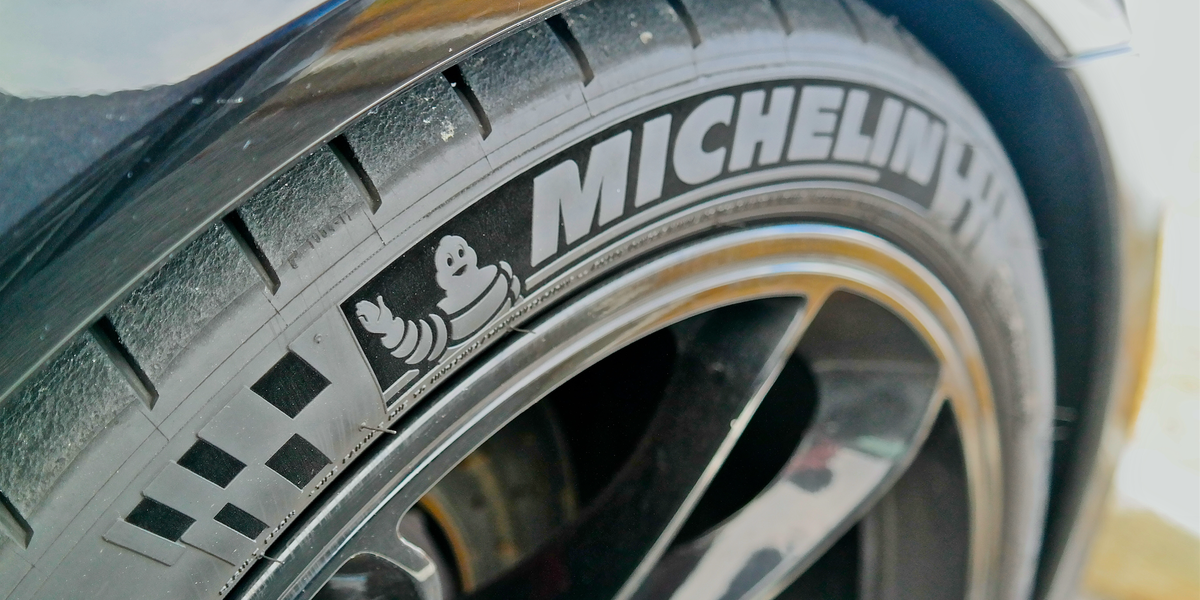
At first glance, a tire sidewall looks like someone lost a fight with an alphabet soup factory: P225/50R17 94V, DOT codes, M+S marks, treadwear numbers, temperature grades, tiny arrows, and mysterious symbols that appear to have been designed by engineers who never met a font size they liked. But here is the good news: once you understand the pattern, reading a tire sidewall becomes surprisingly simple.
Those letters and numbers are not decoration. They tell you the tire size, type, load capacity, speed rating, construction, age, safety compliance, weather capability, and quality grading. In other words, the sidewall is your tire’s résumé. It explains what the tire is, what it can handle, where it belongs, and whether it may be too old to trust on a highway at 70 mph.
This guide breaks down tire sidewall markings in plain American English, with examples you can actually use. By the end, you will know how to decode tire numbers, read a tire date code, understand load index and speed rating, and avoid buying tires that look fine but are secretly auditioning for retirement.
Why Tire Sidewall Markings Matter
Your tires are the only parts of your vehicle that touch the road. That tiny contact patch handles braking, steering, acceleration, cornering, potholes, rain, heat, and the occasional drive-thru curb you absolutely meant to avoid. Reading the tire sidewall helps you choose the correct replacement tire, confirm the tire matches your vehicle, check tire age, understand performance limits, and spot important safety information.
Guessing is not a great strategy. A tire that is the wrong size can affect handling, speedometer accuracy, fuel economy, braking distance, and ride comfort. A tire with the wrong load rating may not safely support the vehicle. A tire with an unsuitable speed rating may not match the performance requirements of the car. And an old tire, even with deep tread, can become unsafe as rubber ages.
The Basic Tire Size Example: P225/50R17 94V
Let’s use a common tire sidewall example: P225/50R17 94V. This short string tells you almost everything you need to know about the tire’s size and service description.
P: Tire Type
The first letter identifies the tire category. In P225/50R17, the letter P means passenger vehicle. These tires are designed for cars, minivans, crossovers, and light-duty SUVs used mainly on paved roads.
You may also see LT, which means light truck. LT tires are designed for pickups, larger SUVs, vans, and vehicles that may carry heavier loads or tow trailers. If you see ST, that stands for special trailer, meaning the tire is intended for trailer use, not for steering or driving wheels on a passenger vehicle.
Sometimes there is no letter at the beginning. That usually indicates a metric tire size. This does not automatically mean anything is wrong; it simply means the tire follows a different sizing convention. Always compare the tire size with the size listed on your driver-side door placard or owner’s manual.
225: Tire Width
The number 225 is the tire’s section width in millimeters. It measures the approximate width from one sidewall to the other when the tire is mounted on an approved rim. A 225 tire is about 225 millimeters wide.
Wider tires can provide a different appearance and may affect grip, steering response, ride comfort, and fuel economy. But bigger is not always better. Installing a tire that is too wide can cause rubbing, poor fitment, or handling issues. Your wheel well is not a magic closet; it has limits.
50: Aspect Ratio
The number 50 is the aspect ratio. It means the sidewall height is 50 percent of the tire’s width. In this example, the sidewall height is half of 225 millimeters, or about 112.5 millimeters.
A lower aspect ratio, such as 35 or 40, usually means a shorter sidewall and a sportier look. It may improve steering feel but can also create a firmer ride and make the tire more vulnerable to pothole damage. A higher aspect ratio, such as 60 or 70, generally means more sidewall, more cushioning, and a more comfortable ride.
R: Tire Construction
The letter R stands for radial construction. Nearly all modern passenger tires are radial tires. In a radial tire, internal body cords run across the tire from bead to bead, helping the tire flex efficiently and maintain stable contact with the road.
You may occasionally see D for diagonal or bias-ply construction, especially on some specialty, trailer, or vintage tires. For most modern cars and SUVs, radial construction is the standard.
17: Wheel Diameter
The number 17 tells you the wheel diameter in inches. This tire is made to fit a 17-inch wheel. This number must match your wheel size exactly. A 17-inch tire will not fit a 16-inch wheel, no matter how persuasive you are with a tire machine.
When replacing tires, wheel diameter is one of the easiest numbers to check and one of the most important to get right. If your vehicle uses 17-inch wheels, shop for 17-inch tires in the correct size and specifications.
Understanding Load Index: The Number After the Size
In P225/50R17 94V, the number 94 is the load index. The load index is a code that corresponds to the maximum weight one tire can carry when properly inflated. It is not the weight itself; it is a reference number used with a load index chart.
For example, a load index of 94 commonly corresponds to 1,477 pounds per tire. Multiply that by four tires and you get the total tire load capacity, but remember that vehicle weight distribution, cargo, passengers, towing, and manufacturer recommendations all matter.
Never replace tires with a lower load index than the vehicle manufacturer recommends. Doing so can reduce safety margins, especially when the vehicle is loaded with passengers, luggage, tools, or that suspiciously heavy “quick weekend” cooler.
Understanding Speed Rating: The Letter After the Load Index
The final letter in our example, V, is the speed rating. A speed rating indicates the maximum speed capability of the tire under specified conditions when the tire is properly inflated and carrying an appropriate load.
Common passenger tire speed ratings include S for up to 112 mph, T for up to 118 mph, H for up to 130 mph, V for up to 149 mph, W for up to 168 mph, and Y for up to 186 mph. These ratings do not give anyone permission to treat the interstate like a racetrack. They simply describe tested tire capability.
When replacing tires, match or exceed the speed rating recommended by your vehicle manufacturer. Performance cars often require higher speed ratings because the tires are part of the vehicle’s handling and braking design.
How to Read the DOT Tire Code
The DOT code is one of the most important markings on the tire sidewall. DOT stands for Department of Transportation. A tire with a DOT marking meets applicable U.S. safety standards for road use.
The DOT tire identification number, also called the TIN, includes information about the manufacturing plant, tire size or manufacturer code, and production date. On many tires, the full DOT code may appear on only one sidewall, so you may need to check both sides of the tire. Yes, this may require crouching. Tire literacy is occasionally a leg workout.
How to Read the Tire Date Code
For tires manufactured since 2000, the last four digits of the DOT code show the week and year the tire was made. The first two digits are the production week, and the last two digits are the production year.
For example, if the DOT code ends in 2623, the tire was made during the 26th week of 2023. If it ends in 0419, it was made during the 4th week of 2019.
This date matters because tires age even when they are not driven much. Heat, sunlight, oxygen, storage conditions, and time can degrade rubber. A spare tire may look brand new but still be old enough to deserve suspicion. Always check the date code when buying new, used, or spare tires.
UTQG: Treadwear, Traction, and Temperature
Many passenger tires include a Uniform Tire Quality Grading rating, commonly called UTQG. It usually appears as three parts: treadwear, traction, and temperature.
Treadwear Rating
The treadwear number is a comparative rating. A tire marked Treadwear 600 is expected to last longer under test conditions than a tire marked Treadwear 300, but the numbers are not a mileage guarantee. Driving style, alignment, inflation, road surface, rotation habits, and climate can all change real-world tire life.
Think of treadwear ratings like restaurant reviews. Helpful? Yes. Absolute truth delivered from the sky? Not quite.
Traction Grade
The traction grade describes wet braking performance under controlled test conditions. Grades include AA, A, B, and C, with AA being the highest. This rating focuses on straight-line wet braking, not cornering performance, snow traction, or dry-road handling.
Temperature Grade
The temperature grade indicates the tire’s ability to resist heat buildup under test conditions. Grades are A, B, and C, with A being the highest. Heat is a tire’s enemy, especially when combined with underinflation, overloading, and high-speed driving.
M+S, 3PMSF, and Weather Symbols
You may see M+S, M/S, or M&S on a tire sidewall. This means mud and snow. It is commonly found on all-season tires and indicates the tread pattern meets certain design criteria for mud and light snow use. However, M+S does not mean the tire has passed a standardized severe winter traction test.
The Three-Peak Mountain Snowflake symbol, often called 3PMSF, is more meaningful for winter driving. It indicates the tire has met specific performance requirements for snow traction. If you drive in areas with serious winter weather, the 3PMSF symbol is the one to look for.
In short: M+S is like saying, “I own a jacket.” 3PMSF is like saying, “I own a jacket and survived a blizzard without becoming a popsicle.”
Maximum Pressure and Maximum Load
The tire sidewall also lists maximum inflation pressure and maximum load. These are not the same as your recommended daily tire pressure. Your vehicle’s recommended cold tire pressure is found on the driver-side door placard or in the owner’s manual.
Do not inflate your tires simply to the maximum pressure printed on the sidewall unless your vehicle or tire application specifically requires it. The sidewall maximum is a limit, not a target. For everyday driving, follow the vehicle manufacturer’s recommended pressure and check it when the tires are cold.
Other Tire Sidewall Markings You May See
Some tires include extra markings depending on type and purpose. XL means extra load, indicating the tire can carry more weight at a higher inflation pressure than a standard-load tire of the same size. SL means standard load. Load Range C, D, E, F, and similar letters are common on light truck tires and relate to load-carrying capacity and inflation limits.
You may also see Outside on asymmetrical tires. This marking tells installers which side must face outward. Directional tires may have an arrow showing the correct rotation direction. Mounting these incorrectly can reduce wet traction and performance.
Run-flat tires may carry special brand-specific markings. Original equipment tires may also have automaker-specific codes showing they were designed for a particular vehicle manufacturer. These markings can matter when trying to preserve the original ride and handling feel of a car.
How to Match a Replacement Tire
When buying replacement tires, start with the tire placard on your vehicle, usually located inside the driver-side door jamb. This placard lists the original tire size, recommended cold inflation pressure, and sometimes load information. The owner’s manual is another reliable source.
Match the size, load index, speed rating, and tire type recommended for your vehicle. If you want a different size or performance category, consult a qualified tire professional. Changing tire size can affect clearance, gearing, anti-lock brakes, stability control, and speedometer accuracy.
For all-wheel-drive vehicles, be extra careful. Many AWD systems are sensitive to tire diameter differences. Replacing only one tire with a significantly different tread depth can stress drivetrain components. That bargain tire may become very expensive if it annoys your transfer case.
Common Mistakes When Reading Tire Sidewalls
Mistake 1: Confusing Wheel Diameter With Tire Diameter
In a size like 225/50R17, the 17 is the wheel diameter, not the total tire diameter. The total tire diameter includes the wheel plus the sidewall height above and below the wheel.
Mistake 2: Ignoring the Load Index
Two tires can have the same size but different load ratings. Always check the full service description, not just the size.
Mistake 3: Thinking DOT Date Means Expiration Date
The DOT date code tells you when the tire was manufactured. It is not a printed expiration date. Tire condition depends on age, use, storage, heat exposure, tread depth, cracking, repairs, and damage. Still, the date code is a key safety clue.
Mistake 4: Assuming M+S Means Winter Tire
M+S can appear on many all-season tires. For severe snow performance, look for the Three-Peak Mountain Snowflake symbol.
Experience-Based Tips for Reading a Tire Sidewall
Here is the real-world version of tire sidewall reading: do it before you are standing in a tire shop lobby with your coffee cooling, your phone at 12 percent battery, and a salesperson asking whether you want the “same ones again.” The best time to learn your tire size is when nothing is wrong. Walk out to your car, take a clear photo of the sidewall, and save it in your phone. Also take a picture of the driver-side door placard. Future you will want to send present you a thank-you card.
When checking a tire, clean the sidewall if needed. Road dust, tire shine, mud, and age can hide small markings. Use a flashlight, especially for the DOT code. On some tires, the full date code is mounted facing inward, which means you may need to look behind the tire or ask a shop to check it during rotation. It is annoying, but not as annoying as discovering your “new” used tires were made during a presidential administration you barely remember.
One useful habit is to decode the tire in order. Start with the size: type, width, aspect ratio, construction, and wheel diameter. Then read the service description: load index and speed rating. Next, find the DOT date code. Finally, check weather symbols, UTQG ratings, load range, and directional or outside markings. This order keeps your brain from bouncing around the sidewall like a pinball.
For example, suppose you see 235/60R18 103H. You now know the tire is 235 millimeters wide, has a sidewall height equal to 60 percent of that width, uses radial construction, fits an 18-inch wheel, has a load index of 103, and carries an H speed rating. If the DOT code ends in 1821, it was manufactured in the 18th week of 2021. That is a lot of useful information from one strip of rubber.
Another practical tip: compare all four tires. Sometimes used cars come with mismatched tires. The sizes may match, but the brands, models, speed ratings, tread depths, or dates may not. Mixed tires can affect ride quality, braking, wet grip, and stability. On performance cars and AWD vehicles, mismatches matter even more.
Also check the spare. Many drivers carefully inspect the four tires they can see and completely forget the spare tire hiding under the trunk floor or beneath the vehicle. Spare tires age too. Compact temporary spares often have strict speed and distance limits, commonly printed right on the sidewall. If the spare says not to exceed a certain speed, believe it. The tire is not being dramatic.
Finally, use the sidewall as a starting point, not the entire inspection. A tire can have the correct markings and still be unsafe because of low tread, sidewall bubbles, cuts, cracking, uneven wear, puncture repairs near the shoulder, or chronic underinflation. Reading the sidewall tells you what the tire is. Inspecting the tire tells you how it is doing.
Conclusion
Learning how to read a tire sidewall turns a confusing wall of letters and numbers into practical safety information. The tire size tells you fitment. The load index and speed rating tell you capability. The DOT code reveals the tire’s manufacturing date. UTQG ratings offer clues about treadwear, traction, and temperature resistance. Weather symbols help you understand whether a tire is built for all-season use, mud and snow, or severe winter conditions.
You do not need to be a mechanic to decode a tire sidewall. You just need to know the pattern. Once you do, you can shop smarter, avoid unsafe mismatches, check tire age, and have a much better conversation with your tire dealer than “round, black, and preferably not terrifying.”