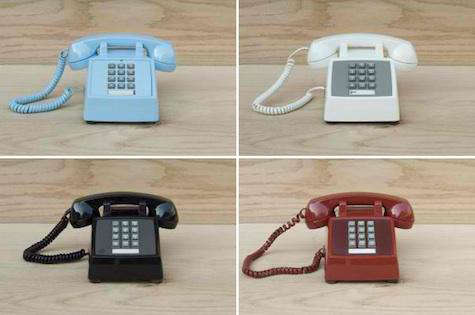
There are appliances that do their jobs quietly, and then there are appliances that enter a room like a character actor with perfect timing. A vintage telephone belongs to the second group. It does not merely sit on a table; it poses. It does not simply ring; it announces. And when the phone is a restored rotary or midcentury push-button model spotted through the design-savvy lens of OK in Los Angeles, it becomes more than a communication device. It becomes a small sculpture with a cord, a bell, and a surprisingly strong personality.
The phrase “Appliances: Vintage Telephones at OK in Los Angeles” captures a very specific kind of design magic: the moment when everyday technology becomes collectible home decor. OK, the Los Angeles shop known for housewares, decorative objects, jewelry, books, and design-forward gifts, has long appealed to people who prefer objects with wit, craftsmanship, and staying power. A reconditioned vintage telephone fits perfectly into that world. It is useful, nostalgic, tactile, and just odd enough to make guests ask, “Wait, does that thing actually work?”
This article explores why vintage telephones still charm modern interiors, what makes them different from reproduction phones, how they connect to American industrial design, and how to style one without making your home look like a museum gift shop exploded in the hallway.
Why Vintage Telephones Still Feel Fresh
A vintage telephone is a reminder that technology once had weight. Literally. Many classic desk phones, especially midcentury models inspired by the Western Electric 500 series, were built like small household anchors. They did not slide across a table when you picked up the receiver. They did not vanish into a sofa cushion. They sat there with the confidence of a toaster, a typewriter, and a bulldog combined.
That physical confidence is part of the appeal. Modern phones are designed to disappear into pockets. Vintage phones are designed to occupy space. The curved handset, the coiled cord, the round dial, the bell inside the base, and the molded plastic shell all create a visual rhythm that feels satisfying even before the phone is used. In design terms, these phones offer form, function, texture, color, sound, and a tiny bit of theater.
They also bring warmth to rooms dominated by flat screens and wireless devices. A rotary phone on a side table says, “This room has a past.” A cream push-button phone on a desk says, “This person may own stationery.” A red vintage phone in an entryway says, “Emergency? Drama? Pizza? We are ready.”
OK in Los Angeles: The Right Kind of Place for an Old Phone
OK in Los Angeles is exactly the sort of shop where a vintage telephone makes sense. The store’s world is not about disposable novelty. It is about objects chosen because they have character, proportion, humor, and a sense of design intelligence. In that setting, a reconditioned telephone is not a random antique. It is a domestic object elevated by context.
The original Remodelista feature highlighted OK’s selection of vintage phones in several colors, with the phones presented as design objects rather than dusty relics. That distinction matters. A telephone rescued from a garage box may be charming, but a reconditioned piece displayed in a careful retail environment becomes easier to imagine at home. Suddenly, it is not “Grandpa’s old phone.” It is a sculptural appliance for the entry console, guest room, library, studio, or kitchen command center.
OK’s current locations and inventory may change, as all good independent shops tend to rotate their finds. That is part of the fun. With vintage objects, the best pieces do not sit around forever waiting politely. They appear, make eye contact, and disappear into someone else’s house if you hesitate too long.
The Design Legacy Behind the Classic American Telephone
The vintage telephone’s appeal is not accidental. In the United States, the classic desk telephone became one of the most recognizable household objects of the twentieth century. The Western Electric 500 series, designed by Henry Dreyfuss and associated with Bell System service, is often treated as a high point of user-centered industrial design.
What made that design so successful was not glamour. It was usability. The handset was shaped to be comfortable. The cradle was clear. The dial invited touch. The numbers and letters were arranged for visibility. Even the weight of the phone contributed to the experience, keeping the device stable while the user stretched the cord across the kitchen to check whether the casserole was burning. Spoiler: it probably was.
Unlike many sleek modern gadgets, these phones were built for years of use. Their parts could often be repaired, replaced, cleaned, or rewired. That durability explains why so many survive today. A vintage telephone is not simply old; it is old because it was made well enough to stay in the conversation.
Rotary, Push-Button, or Reproduction: What Should You Choose?
Not every retro-looking phone is vintage, and not every vintage phone is ready for daily use. Before buying one, it helps to know the basic categories.
Authentic Rotary Telephones
A true rotary phone delivers the full tactile experience. You place a finger in the dial, rotate it to the metal stop, release, and listen as the mechanism returns with a soft mechanical whir. It is wonderfully slow. That slowness is part of the charm. Dialing a number becomes a decision, not a twitch.
Rotary phones are excellent for decor, photography, period interiors, and anyone who wants a stronger connection to analog design. However, many modern phone systems no longer support pulse dialing without an adapter, so buyers who want working service should check compatibility first.
Vintage Push-Button Telephones
Push-button phones, especially those from the 1960s through the 1980s, offer a bridge between antique charm and easier modern use. They preserve the solid form and coiled-cord personality of older phones while replacing the dial with buttons. Some have a sober office look; others come in colors bold enough to make a beige room sit up straight.
Modern Retro Reproductions
Reproduction phones can be useful if you want the look without restoration issues. They are often lighter, simpler to connect, and easier to find. The trade-off is soul. A reproduction may look the part, but it usually lacks the weight, sound, and material honesty of a reconditioned original. It is the difference between a diner milkshake and a protein smoothie wearing a paper hat.
How to Style a Vintage Telephone at Home
The secret to decorating with a vintage telephone is restraint. Give it space. Let it be the star of a small scene instead of burying it among twelve other nostalgic objects. A rotary phone beside a ceramic lamp, a framed black-and-white photo, and a small dish for keys can make an entry table feel finished. A push-button phone in a home office can soften the hard edges of laptops, monitors, and cable chaos.
Color matters too. Black phones feel classic, architectural, and slightly film noir. Cream or ivory phones add softness and work beautifully with natural wood, linen, brass, and stone. Red phones bring instant drama and should be used carefully unless your design goal is “charming emergency hotline.” Pale blue, avocado green, mustard yellow, and orange models can add a midcentury note without requiring a full retro makeover.
For kitchens, a wall-mounted vintage phone can be especially appealing. The kitchen has always been a communication hub: grocery lists, school reminders, appointment cards, and family gossip all seem to gather there. A vintage wall phone acknowledges that history while adding practical vertical interest.
Can a Vintage Phone Still Work Today?
Sometimes, yes. But the answer depends on the phone, the line, and the local service. Traditional copper landlines have been steadily replaced by fiber, VoIP, cellular, and other digital alternatives. That does not mean vintage phones are useless, but it does mean buyers should be realistic.
A rotary phone may need a pulse-to-tone converter to dial out on many modern systems. Some analog telephone adapters can power an old handset for VoIP service, but not every adapter supports rotary pulse dialing. Push-button tone phones are often easier to connect, though compatibility still depends on the setup. If you want a working phone rather than a purely decorative one, ask the seller whether it has been tested, what kind of connection it uses, and whether the ringer functions.
For many homeowners, the phone does not need to be fully functional to earn its place. It can act as a decorative appliance, a conversation piece, a prop for a guest room, or a reminder that communication used to involve sitting still for a minute.
What to Check Before Buying a Reconditioned Vintage Telephone
When buying a vintage telephone from a shop like OK or any reputable seller, look beyond color. A beautiful phone with missing parts may become a very expensive paperweight. A restored phone with a few cosmetic marks may be the better buy.
Condition of the Shell
Check for cracks, deep scratches, discoloration, and repairs. Light wear is normal and can even add character. Major structural damage is different. The shell should sit flat, and the handset should rest properly in the cradle.
Dial or Button Feel
If it is a rotary phone, the dial should turn smoothly and return evenly. If it is a push-button phone, the buttons should not stick or feel mushy. You are buying the pleasure of touch, so touch matters.
Cord and Plug Type
Older phones may have hardwired cords, four-prong plugs, or modified modular connectors. A modern RJ11-style plug is convenient, but modifications should be clean and safe.
Ringer and Sound
A working mechanical bell is one of the great joys of a vintage phone. It is also one of the great ways to frighten a cat. If the ringer works, ask whether the volume can be adjusted or disabled.
Restoration Quality
Good restoration respects the original object. It cleans, repairs, and updates where needed without stripping away every sign of age. Too-perfect plastic can look suspiciously like a reproduction, while honest wear tells a better story.
Why Designers Love Vintage Telephones
Interior designers often reach for vintage telephones because they solve a common styling problem: they make a surface feel inhabited. A console table with only a vase can look staged. Add a vintage phone and suddenly the table has purpose. A desk with only a laptop can feel temporary. Add a cream rotary phone and the desk becomes a room, not just a workstation.
Vintage telephones also photograph beautifully. Their shapes are legible from across the room, and their cords create natural lines. They look good in modern, traditional, eclectic, industrial, and midcentury interiors because they are both functional and symbolic. Everyone understands what a phone is, even if younger visitors may stare at the rotary dial as though it requires a password and possibly a small sacrifice.
The Nostalgia Factor: More Than Just Retro Decor
The emotional power of a vintage telephone comes from memory. For many people, a landline was the sound of family life. It rang during dinner. It carried news from relatives. It was where teenagers negotiated privacy with a cord stretched around the corner. It was the object everyone shared before everyone carried separate screens.
That shared quality feels meaningful now. A vintage phone recalls a time when a call arrived in a place, not in a pocket. You answered because you were home. You missed it because you were out. There was mystery in that. There was also less spam about your car warranty, which history should be commended for.
of Experience: Living With a Vintage Telephone
The best way to understand the appeal of a vintage telephone is to live with one for a while. Place it somewhere visible, not hidden in a bookshelf where only the dust bunnies can admire it. An entry table is ideal. The moment you set it down, the surrounding area changes. Keys look more intentional. Mail looks less chaotic. Even a plain wall starts behaving as though it belongs in an old photograph.
Guests will notice it almost immediately. They may pick up the receiver, smile at the weight, and press it to their ear even when it is not connected. That gesture is universal. A vintage telephone invites participation. Unlike many decorative objects, it asks to be handled. The receiver has a satisfying seriousness, like it might connect you to a detective, a hotel lobby, or your aunt who knows everyone’s business and is not afraid to organize it alphabetically.
If the phone has a working bell, the experience becomes even better. A mechanical ring is not polite. It does not chirp, buzz, or vibrate apologetically. It rings with conviction. The first time it goes off in a quiet room, everyone understands why old movie characters answered the phone so quickly. That bell means business. It also makes modern notification sounds seem like nervous insects.
Using a rotary phone, even just as an occasional working line, changes your relationship with calling. Dialing takes time. A long number feels like a small workout. Mistakes are mildly tragic because you must begin again. But that slowness creates focus. You think before calling. You remember numbers differently. You become aware that communication once had rhythm, resistance, and a little mechanical music.
There are practical lessons too. Vintage phones need thoughtful placement because cords are real. You cannot wander endlessly while talking unless you have a very long cord and a willingness to become tangled like a sitcom character. Cleaning matters as well. Dust gathers in dial openings, around buttons, and along coiled cords. A soft cloth, gentle cleaner, and patience keep the phone looking handsome without damaging the finish.
The biggest surprise is how naturally a vintage telephone blends with modern life. It does not require the whole room to become retro. In fact, it often looks best against clean contemporary furniture. The contrast makes it pop. A black rotary phone on a pale oak console, a red phone in a white kitchen, or an ivory push-button phone beside a modern lamp can create exactly the right tension between old and new.
Living with one also reminds you that good design ages differently from trendy design. A well-made telephone from decades past can still feel relevant because its form is honest. It was built around the human hand, the human ear, and the human habit of talking too long. That is why the vintage telephones associated with OK in Los Angeles remain so appealing. They are not just appliances. They are small, ringing monuments to design that knew how to be useful, beautiful, and a little bit bossy.
Conclusion
Vintage telephones at OK in Los Angeles represent a perfect meeting point between appliance, artifact, and decor. They remind us that everyday objects can be beautifully designed, emotionally rich, and surprisingly fun. Whether you choose a rotary phone for its mechanical charm, a push-button model for its practical nostalgia, or a colorful reconditioned piece simply because it makes your room happier, the vintage telephone earns its place by doing what great home objects always do: it tells a story before anyone says a word.
In a world of silent rectangles, a vintage telephone has presence. It rings, rests, weighs, clicks, and charms. It is technology with manners, drama, and a cord. And yes, it may confuse anyone under twenty-five, but that is just a bonus feature.