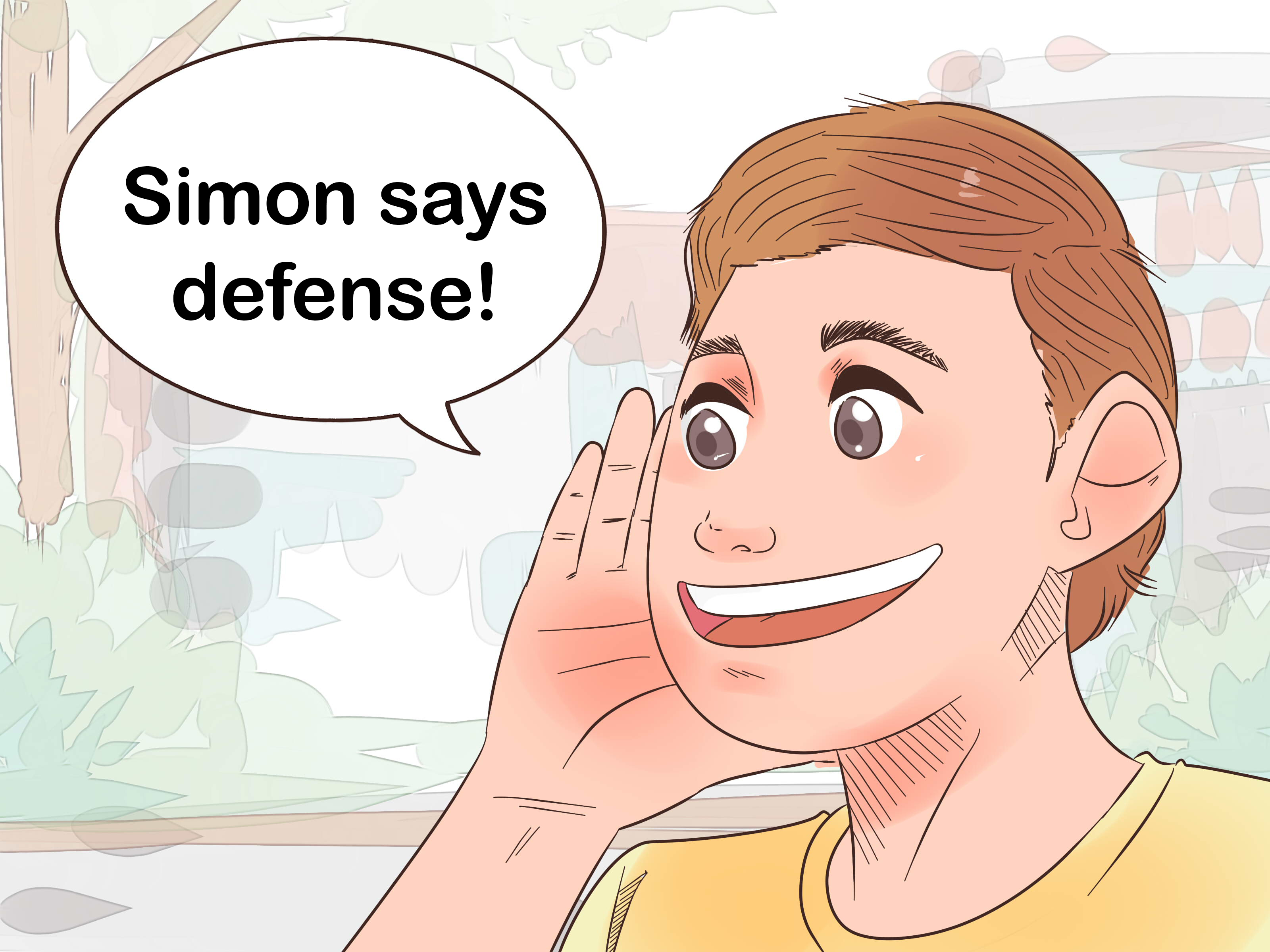
Simon Says is one of those rare games that needs no batteries, no board, no Wi-Fi password, and no adult saying, “Wait, where did we put the tiny plastic pieces?” All you need is a leader, a group of players, a little space to move, and the magic phrase: “Simon says.”
At first glance, the game looks beautifully simple. One person gives commands, everyone else follows them, and chaos politely waits in the corner. But the real trick is listening. Players should only obey a command when it begins with “Simon says.” If the leader says, “Simon says touch your nose,” everyone touches their nose. If the leader simply says, “Touch your nose,” anyone who moves has been tricked. Congratulations, your nose has betrayed you.
This complete guide explains how to play Simon Says, the official-style game rules, easy setup tips, examples of commands, fun variations for different ages, classroom ideas, party versions, virtual options, and practical experience-based tips for making the game hilarious instead of frustrating.
What Is Simon Says?
Simon Says is a classic listening and movement game where one player becomes “Simon” and gives instructions to the rest of the group. The goal for players is to follow only the commands that begin with “Simon says.” The goal for Simon is to trick players into moving at the wrong time or forgetting to move when they should.
The game is popular with kids because it feels silly and energetic. Parents and teachers love it because it quietly builds listening skills, self-control, body awareness, direction-following, vocabulary, and quick thinking. In other words, Simon Says is basically a tiny gym class, brain workout, and comedy show wearing the same sneakers.
How to Play Simon Says: Basic Rules
The basic rules of Simon Says are easy enough for young children to learn, but flexible enough for older kids and adults to enjoy. Here is the standard version.
1. Choose One Player to Be Simon
One person stands in front of the group and becomes Simon. Simon is the leader who gives all commands. In a classroom, the teacher may start as Simon. At a party, an adult or confident child can lead the first round. After everyone understands the game, different players can take turns being Simon.
2. Players Listen for the Phrase “Simon Says”
Simon gives commands such as:
- “Simon says clap your hands.”
- “Simon says jump three times.”
- “Simon says touch your elbows.”
- “Simon says spin around once.”
When the command begins with “Simon says,” players must do the action. If they fail to do it, they are usually out for that round.
3. Do Not Follow Commands Without “Simon Says”
This is the sneaky part. Simon will sometimes give a command without the key phrase:
- “Clap your hands.”
- “Touch your head.”
- “Jump.”
- “Turn around.”
If Simon does not say “Simon says” first, players should stay still. Anyone who follows that command is out, loses a point, or performs a silly reset task, depending on the version you choose.
4. Continue Until One Player Remains
In the traditional elimination version, players who make mistakes sit out until the next round. The last player remaining wins and may become the next Simon. For younger children, you can skip elimination and simply celebrate good listening. Nobody needs to experience a playground-level courtroom drama over whether one pinky finger moved.
Winning the Game
In the classic rules, the winner is the last player who successfully follows all “Simon says” commands and ignores all commands that do not include the phrase. If two players make a mistake at the same time, Simon may win the round. In non-elimination play, the “winner” can be the group if everyone improves their listening, stays active, and has fun.
What You Need to Play
One of the best things about Simon Says is that it requires almost nothing. You do not need special equipment, cards, timers, music, or props. Still, a few optional items can make the game more exciting.
- Players: Two or more, though three or more makes the game livelier.
- Space: Enough room for players to move without bumping into each other.
- Leader: One person to be Simon.
- Optional props: A hat, wand, scarf, badge, or silly crown for Simon.
- Optional timer: Useful for classroom rotations or party rounds.
Step-by-Step Setup
Clear the Playing Area
Move chairs, toys, bags, and anything that could cause tripping. Simon Says can be played indoors or outdoors, but players should have enough personal space to stretch their arms, turn around, hop, or balance safely.
Explain the Two Main Rules
Tell players: “Do the action only if I say ‘Simon says’ first. If I do not say ‘Simon says,’ freeze.” Keep the explanation short, especially for younger kids. They learn faster by playing than by listening to a ten-minute lecture on the philosophy of Simon.
Practice With Easy Commands
Start slowly with obvious examples. Say, “Simon says touch your shoulders,” then “Simon says clap your hands.” After a few successful commands, try one without the phrase: “Touch your head.” Laugh, reset, and repeat.
Increase Difficulty Gradually
Once players understand the game, Simon can speak faster, add multi-step commands, use opposite actions, or perform a different movement while giving the verbal instruction. For example, Simon may say “Simon says touch your knees” while touching their own elbows. That trick tests whether players are listening to words or copying movements.
Best Simon Says Commands
Great commands are clear, safe, and funny. Mix simple actions with imaginative ones to keep players engaged.
Easy Commands for Young Kids
- Simon says touch your nose.
- Simon says wave hello.
- Simon says pat your knees.
- Simon says stomp your feet.
- Simon says blink three times.
- Simon says give yourself a hug.
Active Commands for Movement Breaks
- Simon says jump like a frog.
- Simon says march in place.
- Simon says balance on one foot.
- Simon says do five jumping jacks.
- Simon says crawl like a bear.
- Simon says stretch up to the ceiling.
Funny Commands for Parties
- Simon says laugh like a villain.
- Simon says walk like a robot.
- Simon says pretend your shoes are made of jelly.
- Simon says make your most serious potato face.
- Simon says dance like your backpack is playing music.
- Simon says freeze like a statue in a museum.
Brainy Commands for Older Kids
- Simon says clap twice, spin once, then freeze.
- Simon says touch something blue.
- Simon says count backward from five while hopping.
- Simon says point to the left wall.
- Simon says make a triangle with your fingers.
- Simon says take two tiny steps forward and one step back.
Common Mistakes Players Make
The most common mistake is moving when Simon gives a command without saying “Simon says.” This usually happens when Simon speaks quickly or uses a familiar action like clapping. Another mistake is freezing when Simon actually did say the phrase. Players may also copy Simon’s movement instead of listening to the spoken command. That is why the leader can make the game trickier by doing one action while saying another.
For younger players, mistakes should be treated lightly. The point is not to crush anyone’s soul over a premature elbow tap. Keep the mood playful, invite players back in quickly, and praise careful listening.
Simon Says Variations for Different Ages
Preschool Simon Says
For preschoolers, simplify the game. Instead of eliminating players, focus on copying actions and learning body parts. You can say, “Simon says touch your ears,” while touching your ears. After several rounds, gently introduce the trick rule. If children are too young to manage “do not move unless,” keep the game cooperative.
Elementary School Simon Says
For elementary-age kids, use the traditional rules. Add hopping, stretching, animal walks, balancing, counting, shapes, letters, and direction words. Commands like “Simon says walk backward three steps” or “Simon says make a circle with your arms” combine movement with language and thinking.
Teen Simon Says
Teenagers may pretend they are far too cool for Simon Says, right until someone says, “Simon says pose like a superhero who forgot their cape.” Use faster pacing, team play, memory challenges, or themed rounds. Keep commands funny, clever, and slightly competitive.
Adult Simon Says
Adults can play Simon Says as an icebreaker, meeting energizer, family reunion game, or team-building activity. Use office-safe commands such as “Simon says stretch your shoulders,” “Simon says raise your coffee mug,” or “Simon says give your neighbor a dramatic thumbs-up.” Avoid anything embarrassing, unsafe, or physically difficult.
Educational Simon Says Ideas
Letter and Sound Simon Says
Spread letter cards around the room. Give commands such as “Simon says walk to the letter B,” or “Simon says hold up the letter that makes the /m/ sound.” This version helps early readers connect movement with letter recognition and phonics.
Math Simon Says
Use numbers, counting, shapes, and spatial words. Try “Simon says hop four times,” “Simon says stand between two chairs,” or “Simon says make a triangle with your hands.” Children practice math language without realizing they are doing math. Sneaky? Yes. Effective? Also yes.
Vocabulary Simon Says
Choose a word theme such as animals, weather, emotions, sports, or classroom objects. “Simon says shiver like it is snowing,” “Simon says move like a turtle,” or “Simon says show a surprised face” can build vocabulary through action.
Direction-Words Simon Says
This version is excellent for practicing up, down, around, behind, beside, forward, backward, left, and right. Use commands like “Simon says put one hand behind your back” or “Simon says step sideways.” Keep directions clear and demonstrate when needed.
Non-Elimination Versions
Traditional Simon Says removes players after mistakes, but elimination is not always ideal. In classrooms, therapy settings, family play, or groups with very young children, it is often better to keep everyone involved.
Point System
Instead of sitting out, players earn a point for each correct response. The player or team with the most points after five minutes wins.
Reset Move
If someone makes a mistake, they do a quick reset action such as three jumping jacks, one silly dance, or a deep breath. Then they rejoin the game immediately.
Team Challenge
Divide players into teams. Each team earns points when all members respond correctly. This encourages cooperation and reduces pressure on individual players.
Beat Your Best
The group works together to see how many commands they can complete without a mistake. Try again and beat the record. This version is great for classrooms because everyone stays engaged.
Fun Simon Says Themes
Animal Simon Says
Players hop like rabbits, stomp like elephants, flap like birds, stretch like cats, and waddle like penguins. It is especially good for younger children and indoor movement breaks.
Sports Simon Says
Use commands like “swing a baseball bat,” “shoot a basketball,” “serve a tennis ball,” or “kick an imaginary soccer ball.” Make sure players have enough space.
Superhero Simon Says
Players fly in place, freeze villains, put on invisible capes, and strike heroic poses. Bonus points if Simon uses a dramatic movie-trailer voice.
Holiday Simon Says
For Halloween, players can float like ghosts or flap like bats. For winter, they can build an imaginary snowman or skate in place. For birthdays, they can blow out candles, unwrap a gift, or dance like confetti.
Quiet Simon Says
Perfect for winding down. Commands include “Simon says take a deep breath,” “Simon says stretch slowly,” “Simon says close your eyes,” and “Simon says sit crisscross.” This is useful after recess, before story time, or anytime the room has become a tiny thunderstorm.
Virtual Simon Says
Simon Says works surprisingly well on video calls. Ask players to stand where they can be seen safely. Use camera-friendly commands such as waving, clapping, making faces, holding up fingers, touching shoulders, or leaning left and right. Avoid commands that require running, jumping near furniture, or leaving the camera view.
For online classes, Simon can rotate every few rounds. You can also use themed commands related to the lesson, such as “Simon says show me three fingers” or “Simon says point to something round.” Virtual Simon Says is a simple way to wake up sleepy screens and remind everyone they still have bodies below the neck.
Safety Tips
Simon Says is generally safe, but the leader should choose actions carefully. Avoid commands that involve pushing, rough contact, climbing furniture, spinning too fast, closing eyes while moving, or running in crowded spaces. Always consider age, ability, room size, and energy level.
Use inclusive commands so every player can participate. If a child cannot jump, offer alternatives such as raising arms, tapping knees, rolling shoulders, or making facial expressions. The best version of Simon Says is not the one with the hardest tricks; it is the one where everyone can laugh and play.
Tips for Being a Great Simon
A great Simon is clear, playful, and just tricky enough. Speak loudly enough for everyone to hear. Start with simple commands, then gradually increase speed. Use a mix of “Simon says” and non-Simon commands so players cannot predict the pattern. If every command begins with “Simon says” for two minutes, players may go into autopilot. If every other command is a trick, younger kids may feel frustrated.
The best leaders also read the room. If players are laughing and focused, raise the challenge. If they look confused, slow down. If they are bouncing like popcorn, switch to quieter commands. Simon may be in charge, but good Simon still has mercy.
Experience-Based Tips: What Actually Works When Playing Simon Says
After watching and leading many rounds of Simon Says in homes, classrooms, birthday parties, and rainy-day indoor chaos zones, one thing becomes clear: the game succeeds or fails based on pacing. If Simon starts too fast, players get confused before they get invested. If Simon stays too slow, older kids begin looking for wallpaper patterns to emotionally attach to. The sweet spot is to begin with easy wins, then add small surprises.
A strong opening round might use five simple commands in a row: touch your head, clap your hands, stomp your feet, wave, and freeze. This gives everyone confidence. Then Simon can slip in one command without the phrase. Players usually laugh when half the group moves and the other half gasps like they just witnessed a crime. That laughter is valuable. It tells you the group understands the joke of the game.
Another useful experience: younger children often copy what Simon does more than what Simon says. This is not disobedience; it is development. If you say “Simon says touch your shoulders” while touching your knees, many preschoolers will touch their knees. For beginners, match your action to your words. For older children, mismatching your action and words becomes a fantastic challenge.
Elimination also needs thoughtful handling. In theory, sitting out makes the game competitive. In reality, a five-year-old who gets out in the first ten seconds may spend the next two minutes loudly explaining that the floor moved, Simon cheated, and justice is broken. Non-elimination versions often work better. Try “mistake equals one silly star jump” or “mistake means you become Simon’s assistant for one command.” Players stay involved, and the game keeps its happy rhythm.
For parties, themes are magic. A plain command like “Simon says walk” is fine. But “Simon says walk like you are sneaking past a sleeping dragon” is unforgettable. Kids love imagination layered onto movement. Adults do too, although they may need permission to be ridiculous. Give it to them. A room full of grown-ups pretending to be confused flamingos can heal things modern society has broken.
For classrooms, Simon Says shines as a transition tool. Instead of saying, “Line up quietly” for the seventeenth time, try “Simon says stand up, Simon says push in your chair, Simon says walk to the line, freeze.” The game turns routine directions into a listening challenge. It also gives students a structured way to move before settling down again.
The final lesson is simple: keep it light. Simon Says is not about perfect performance. It is about listening, laughing, moving, and learning to pause before acting. That pause is the secret power of the game. In a world full of buzzing screens, instant reactions, and snack requests delivered at emergency volume, practicing one tiny pause can be surprisingly valuable. And if that pause comes with frog jumps, robot walks, and dramatic potato faces, even better.
Conclusion
Simon Says remains a classic because it is simple, flexible, active, and genuinely fun. The rules are easy: follow commands that begin with “Simon says,” ignore commands that do not, and try not to get tricked. But beneath that simplicity, the game supports listening, self-control, movement, language, memory, and social play.
Whether you are planning a classroom brain break, a birthday party game, a family night activity, a virtual warm-up, or a quick way to rescue kids from boredom, Simon Says is always ready. No setup. No cost. No missing pieces. Just one leader, a group of players, and the world’s most powerful two-word warning label: “Simon says.”