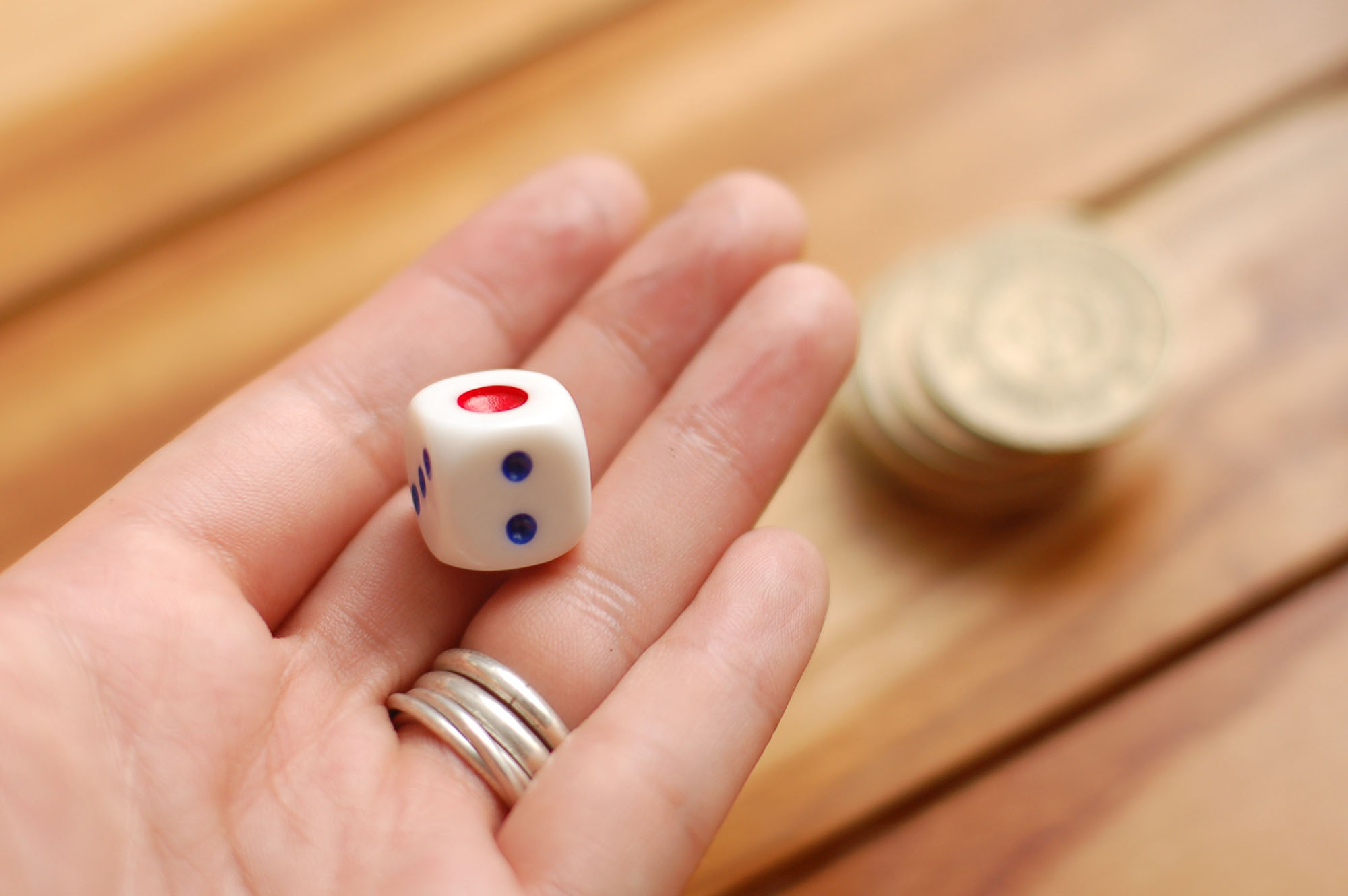
Quarter Pass with dice is the kind of game that looks innocent on the table and then, three rolls later, has Grandma guarding her last quarter like it is buried pirate treasure. It is simple, fast, noisy, and wonderfully unfair in the best way a dice game can be. You do not need a board, a complicated score sheet, or a player who insists on reading the rulebook aloud in a dramatic courtroom voice. All you need are three standard six-sided dice, a few quarters or tokens for each player, and a group willing to laugh when luck does something ridiculous.
This party dice game is closely related to the popular Left-Center-Right style of play, but Quarter Pass has its own easy mapping: low numbers are safe, while higher numbers tell you where your quarters go. Roll a 4, and a quarter goes into the center pot. Roll a 5, and a quarter moves to the player on your left. Roll a 6, and a quarter moves to the player on your right. Roll a 1, 2, or 3, and nothing happens to that quarter. In other words, half the die lets you breathe, and the other half causes table drama.
Below, you will learn how to play Quarter Pass with dice in seven clear steps, including setup, turn order, dice rules, examples, strategy-style tips, house rules, and smart ways to keep the game friendly for all ages. While this is mostly a game of luck, the fun comes from the suspense, the comeback moments, and the fact that players with no quarters are not truly out. They are just temporarily broke and emotionally invested.
What Is Quarter Pass With Dice?
Quarter Pass is a casual dice game where players begin with the same number of quarters, usually three. On each turn, a player rolls one, two, or three dice depending on how many quarters they currently have. The dice results determine whether the player keeps their quarters, passes them to nearby players, or places them into a center pot. The game continues until only one player still has quarters. That player must then make a final qualifying roll to win the pot.
Despite the name, you do not have to use actual quarters. Poker chips, buttons, candy coins, plastic tokens, wrapped chocolates, tickets, or even slips of paper can work. If children are playing, tokens are the better choice. If adults use real coins, keep the stakes tiny and friendly. Quarter Pass should feel like a party game, not a financial planning meeting with dice.
What You Need to Play Quarter Pass
The best thing about this game is how little equipment it requires. You can set it up in less than two minutes, which is great because the people who love dice games are often the same people who say, “Let’s just play one quick round,” and then somehow it becomes a full tournament.
Game Materials
- Three standard six-sided dice
- Three quarters or tokens per player
- A table, tray, or flat surface for rolling
- A small bowl, cup, or open space in the middle for the center pot
- At least two players, though three or more is better
There is no strict maximum number of players. The game actually becomes more entertaining with a larger group because quarters move around the table unpredictably. With six, eight, or ten players, someone can go from nearly eliminated to suddenly rich in one round because both neighbors rolled a 5 or 6. Luck has a flair for comedy.
How to Play Quarter Pass With Dice: 7 Steps
Step 1: Gather the Players and Choose the Stakes
Start by seating everyone in a circle or around a table. Each player should have the same number of quarters or tokens. The traditional setup is three quarters per person, which keeps the game quick and easy to follow. If you want a longer game, use five tokens per player, but three is the sweet spot for a fast party round.
Before anyone rolls, decide what the tokens represent. For a family-friendly version, use candy, buttons, beans, or poker chips. For a holiday version, use wrapped chocolate coins or small prize tickets. For an adult version, quarters are common, but everyone should agree that the amount is small, casual, and just for fun.
This step matters because the game is more enjoyable when everyone understands the stakes. If one player thinks they are competing for spare change and another thinks they are entering the National Quarter Championship, you may need a referee, and nobody invited one.
Step 2: Place the Center Pot
Put a bowl, cup, or clear space in the middle of the table. This is the center pot. During the game, any quarter placed into the center pot stays there until the end. Players do not take from the pot during regular turns. The pot is the prize everyone is trying to survive long enough to claim.
The center pot is what gives Quarter Pass its suspense. Passing a quarter left or right keeps that quarter in circulation, but placing one in the pot removes it from active play. As more quarters disappear into the middle, the game gets tighter. Players start rolling fewer dice. Turns get shorter. The table goes from cheerful chatter to intense silence every time the last few quarters are rolled.
Step 3: Decide Who Rolls First
There are several easy ways to choose the first player. The simplest method is to have each player roll all three dice once. The player with the highest total starts. If there is a tie, tied players roll again until one person wins. You can also choose the youngest player, the oldest player, the host, or the person who most recently said, “I never win anything.” That person is often tempting fate and deserves a chance.
After the first player is chosen, play usually moves clockwise. Keep the direction consistent for the entire round. Quarter Pass is easy, but if players start reversing turn order halfway through, the table will suddenly become a committee, and committees are where fun goes to fill out forms.
Step 4: Roll the Correct Number of Dice
On your turn, count how many quarters you currently have in front of you. That number determines how many dice you roll, up to a maximum of three dice.
- If you have three or more quarters, roll three dice.
- If you have two quarters, roll two dice.
- If you have one quarter, roll one die.
- If you have zero quarters, roll no dice and skip your turn.
Here is the twist that keeps eliminated players interested: having zero quarters does not mean you are out forever. If a neighbor later passes you a quarter, you are back in the game on your next turn. This is one of the funniest parts of Quarter Pass. A player can slump back in the chair, announce their tragic downfall, and then immediately receive a quarter from the player on the right. Resurrection, but with pocket change.
Step 5: Follow the Dice Results
After rolling, resolve each die one at a time. Every die affects one quarter, but only if you have enough quarters to cover the action. Since you rolled based on how many quarters you had at the start of your turn, this is usually straightforward.
- Roll a 1, 2, or 3: Keep one quarter. Nothing happens.
- Roll a 4: Put one quarter into the center pot.
- Roll a 5: Pass one quarter to the player on your left.
- Roll a 6: Pass one quarter to the player on your right.
For example, suppose you have three quarters and roll a 2, 4, and 6. The 2 means you keep one quarter safe. The 4 sends one quarter into the center pot. The 6 sends one quarter to the player on your right. At the end of your turn, you have one quarter left.
Now imagine you roll a 4, 5, and 6. Ouch. One quarter goes to the center, one goes left, and one goes right. You end your turn with zero quarters, but do not wander off to make a sandwich yet. Someone may pass a quarter back to you on the very next turn.
Step 6: Continue Passing the Dice Around the Table
After a player resolves all dice, they pass the dice to the next player in the agreed direction, usually clockwise. Each player repeats the same process: count quarters, roll the matching number of dice, move quarters according to the dice results, and pass the dice onward.
The rhythm of the game is quick. Nobody needs to make complicated decisions, which makes Quarter Pass easy for mixed-age groups, casual gatherings, and people who do not normally play games. The dice decide everything. You simply obey them and pretend you are emotionally prepared.
As the game continues, the number of active quarters decreases because every 4 sends a quarter into the pot. This naturally pushes the game toward an ending. Players with many quarters roll more dice, which means they are more exposed to losing quarters. Players with one quarter roll only one die, which can make them surprisingly hard to finish off. It is not exactly a strategy game, but it does create delicious suspense.
Step 7: Play the Final Pot Roll
When only one player has any quarters left, the game enters the final pot roll. This player does not automatically win yet. They must roll to claim the center pot.
In the classic Quarter Pass version, the last player must roll a 1, 2, or 3 to win the pot. If they roll a 5 or 6, they pass their remaining quarter left or right as usual, and the game continues. If they roll a 4 and their last quarter goes into the center pot, no player has quarters left. In that case, the pot carries over to the next round, and everyone starts again with the same number of quarters or tokens.
This final roll is where the table gets loud. The player with the last quarter suddenly becomes both hero and target. Everyone else watches like they are witnessing a championship free throw. Roll a 1, 2, or 3, and the pot is yours. Roll a 4, and the room explodes because the entire prize survives into another round. Roll a 5 or 6, and the quarter escapes to a neighbor, which means the drama gets a sequel.
Quick Example Round
Let’s say four players are seated in order: Amy, Ben, Carla, and Dan. Each starts with three quarters. Amy rolls first and gets 1, 4, and 5. She keeps one quarter, puts one in the pot, and passes one to Ben. Amy now has one quarter, Ben has four, Carla has three, Dan has three, and the pot has one.
Ben has four quarters, but the maximum dice roll is three, so he rolls three dice. He gets 2, 3, and 6. He keeps two quarters safe and passes one to Carla. Ben now has three quarters, and Carla has four.
Carla rolls three dice and gets 4, 4, and 6. Two quarters go into the pot, and one goes to Dan. Carla drops to one quarter, Dan rises to four, and the pot grows to three. Suddenly, Carla is nervous, Dan is smirking, and Amy is quietly hoping someone rolls a 6 in her direction.
This continues until the table reaches the final player with quarters. That player must still earn the pot with a safe roll, which is why Quarter Pass often ends with cheering, groaning, and someone saying, “Again!” before the dice have even stopped moving.
Helpful Tips for a Smoother Game
Use a Dice Tray or Bowl
Dice have a mysterious desire to leap off tables, hide under furniture, and embarrass their owners. A dice tray, shallow box lid, or large bowl keeps rolls contained and speeds up the game.
Make the Dice Map Visible
Write the rules on a small card and place it near the center pot: 1–3 keep, 4 pot, 5 left, 6 right. This prevents repeated questions and protects the table from the one player who confidently remembers the rules wrong every single round.
Choose Tokens That Match the Group
For kids, use candy, cereal pieces, stickers, or plastic chips. For family holidays, chocolate coins are perfect. For adults, quarters are traditional, but keep it light. The point is laughter, not high-stakes tension.
Agree on House Rules Before Rolling
House rules are fine, but they should be announced before the first roll. Decide what happens if a die falls off the table, whether leaning dice count, how many tokens players start with, and how the final pot roll works. A thirty-second agreement at the beginning can prevent a ten-minute debate later.
Common House Rules and Fun Variations
Quarter Pass is flexible, which is one reason people enjoy it at parties, reunions, and holiday gatherings. Once everyone understands the basic rules, you can add variations to match your group’s mood.
Chocolate Coin Quarter Pass
Use wrapped chocolate coins instead of real quarters. The winner gets the pot, but everyone gets a sweet consolation prize because, realistically, someone will open the bag before the game ends.
Prize Ticket Quarter Pass
Instead of coins, give each player three small tickets. The winner trades the pot for a prize, such as a snack, a gift card, or first choice from a prize basket. This works well for classrooms, birthday parties, and office celebrations.
Long Game Version
Give each player five tokens instead of three. This makes the game last longer and gives players more chances to recover after bad rolls. It is a good option for smaller groups.
Speed Round Version
Use only two tokens per player. The game becomes quick, chaotic, and perfect when you want to play several rounds in a row.
Carryover Jackpot
If the final player rolls a 4 and loses the last quarter to the center pot, leave the pot in place and start a new round with fresh tokens. The next winner receives both pots. This version is especially exciting because the prize grows, and so does everyone’s sudden interest in probability.
Is There a Strategy to Quarter Pass?
Quarter Pass is mostly a luck-based dice game. You do not choose which way to pass your quarters, and you cannot control the dice unless you have discovered wizardry, in which case you have bigger opportunities than winning a bowl of quarters.
Still, there are a few practical “strategy-adjacent” tips. First, pay attention to how many quarters each player has, especially near the end. This helps you follow the game and know when a final pot roll is coming. Second, keep the pace moving. Slow play makes a simple game feel heavier than it is. Third, avoid changing rules mid-game. Nothing drains fun faster than someone inventing a new rule the moment they are losing.
The biggest advantage is emotional: do not give up when you have zero quarters. Players often re-enter the game because neighbors are forced to pass quarters left or right. Quarter Pass rewards patience, good humor, and the ability to celebrate when luck returns from its coffee break.
Quarter Pass Etiquette: Keep It Friendly
Because Quarter Pass can involve coins, it is smart to keep the tone casual. Set a tiny limit, avoid pressuring anyone to play for money, and use tokens when playing with kids or mixed groups. In some places, cash-based games may be subject to local rules, so tokens or prizes are the safest option for public events, schools, and workplaces.
Good etiquette also means helping new players. If someone forgets what a 5 does, remind them kindly. If someone rolls the dice off the table, laugh and reroll based on the house rule. If someone wins twice in a row, accuse them of being lucky, not suspicious. The dice are random; your cousin is probably not running an underground quarter operation.
Why Quarter Pass Is Great for Parties and Family Gatherings
Quarter Pass works because it is easy to join, easy to teach, and hard to take too seriously. There is no long setup, no hidden information, and no complicated scoring. People can learn the game by watching one turn. That makes it ideal for casual environments where not everyone wants to commit to a heavy board game.
The game also creates natural table interaction. Quarters move from player to player, so everyone is involved even when it is not their turn. A player with zero quarters still watches closely because a single roll from a neighbor can bring them back. The center pot adds a visible prize, and the final roll gives every round a dramatic ending.
In short, Quarter Pass is simple enough for beginners but lively enough to become a tradition. It is a “one more round” game, which is both its greatest strength and the reason snacks should be placed nearby.
Personal Experience: What Playing Quarter Pass Actually Feels Like
The first time you play Quarter Pass, you may think it is too simple to be exciting. Then someone rolls three 4s, loses everything to the center pot, and the table reacts like a major sports upset just happened. That is the secret charm of the game. The rules are tiny, but the emotional swings are huge.
In a real group setting, the best moments usually come from unexpected comebacks. One player might lose all their quarters early and dramatically announce, “Well, I’m finished.” Two turns later, the person beside them rolls a 5 and hands them a quarter. Suddenly they are back, sitting taller, acting like they planned the whole thing. Quarter Pass has a way of making everyone feel unlucky and lucky in the same five-minute span.
The game is especially funny at family gatherings because different personalities show up immediately. There is always one player who quietly counts every quarter on the table like an accountant. Another player shakes the dice for far too long, as if negotiating with gravity. Someone else cheers every time a quarter enters the pot, even though they may have to win it later. And of course, there is the player who says they do not care about winning but somehow becomes extremely focused during the final roll.
One practical experience tip: use a bowl for the pot and a tray for rolling. Without them, dice bounce everywhere and quarters migrate across the table like tiny metal escape artists. Also, keep a printed or handwritten rule card visible. Even after several rounds, someone will ask, “Wait, does 4 go left or center?” A rule card keeps the game moving and prevents friendly confusion from becoming a full family debate.
Another lesson is that the final pot roll is the heart of the game. When only one player has a quarter left, everyone becomes invested. The player needs a 1, 2, or 3 to win, but a 4 sends the last quarter into the pot and creates a carryover. That carryover rule can turn a simple round into a mini jackpot. The next game begins with extra excitement because the pot is already waiting, looking smug in the middle of the table.
Quarter Pass also works well because players who lose early are not forced to sit out permanently. This is a major advantage over elimination games. Nobody has to leave the table or stare sadly into a snack bowl. Since quarters can be passed back into your possession, everyone keeps watching and hoping. That makes the game more social and less frustrating.
If you are hosting, the best experience comes from matching the tokens to the occasion. Use chocolate coins for holidays, poker chips for game night, stickers for kids, or raffle tickets for a party prize. The game does not need real money to be fun. In fact, non-cash tokens often make it more creative because the prize can be silly, sweet, or themed.
Overall, playing Quarter Pass feels like organized chaos in the most harmless way. It is quick to learn, easy to reset, and full of little moments that make people laugh. The dice do all the work, but the people around the table create the memories.
Final Thoughts on How to Play Quarter Pass With Dice
Learning how to play Quarter Pass with dice takes only a few minutes, but the game can entertain a group for an entire evening. Give each player three quarters or tokens, roll up to three dice based on how many quarters you have, and follow the simple number rules: 1, 2, and 3 are safe; 4 goes to the pot; 5 passes left; and 6 passes right. Keep playing until one player has the final quarter, then let that player roll for the pot.
The beauty of Quarter Pass is that nobody needs special skills to enjoy it. It is random, fast, and funny. Players fall out of the lead, bounce back from zero, and wait for that final roll with the seriousness of a championship match. Whether you use coins, candy, chips, or prize tickets, Quarter Pass is a simple dice game that brings people together without requiring a giant rulebook or a three-hour commitment.
Note: If you are playing with children, in a classroom, at work, or in a public event, use tokens or small prizes instead of real money. Always agree on the rules before the first roll, especially the final pot rule and what happens when dice fall off the table.