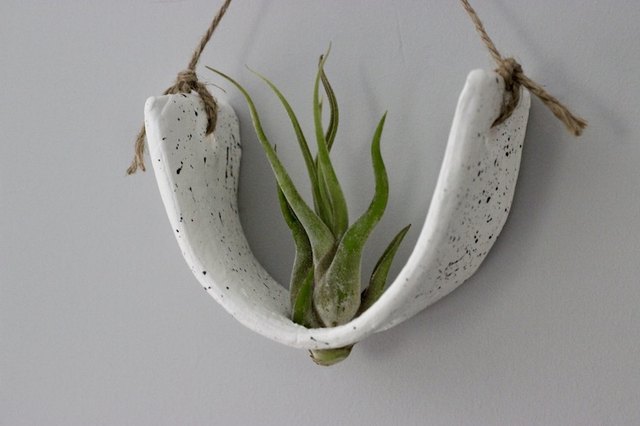
Hanging plant pots are the interior design equivalent of putting your plants on a tiny stage and saying, “Yes, I am the type of person who owns twine.” And honestly? Respect. A good DIY hanging planter saves shelf space, adds texture to a room, and keeps curious pets from using your succulents as a salad bar.
In this guide, you’ll learn how to make custom hanging plant pots that work for two very different roommates: air plants (Tillandsia, the “I don’t need soil” minimalists) and succulents (the “I need drainage or I will dramatically perish” divas). We’ll cover materials, smart design choices, three beginner-friendly builds, and real-world tips so your planter looks cute and keeps plants alive.
Quick Differences: Air Plants vs. Succulents (So You Don’t Build the Wrong Thing)
Air plants (Tillandsia): no soil, all airflow
- They don’t want soiltheir roots are mainly for attaching, not feeding.
- Air circulation matters as much as water and light.
- Planters should be open: wire baskets, slings, driftwood mounts, or airy cups with big cutouts.
Succulents: soil + drainage or sadness
- Drainage holes are non-negotiable. No hole, no deal.
- They prefer a gritty, fast-draining mix and “soak then dry” watering.
- Planters must be stable, strong, and sized for the pot (because soil + water = weight).
What Makes a Hanging Planter “Custom” (Besides Your Fingerprints)
“Custom” is just a fancy way of saying you choose what matters: size, material, hanger style, and function. The best custom hanging plant pots are built around these four decisions:
1) Weight + support
A succulent in a 6-inch pot can get surprisingly heavy once watered. Your hanger must handle the “just watered” weight, not the “dry and innocent” weight. If you’re hanging from drywall, use a proper anchor rated for more than you think you need, or hang from a stud/ceiling joist.
2) Drainage strategy (succulents only)
The pot needs a drainage hole, and your hanger should allow water to drain freely. Skip saucers that trap water against the bottomyour succulent roots are not trying to live in a swamp.
3) Airflow strategy (air plants only)
Air plants want to dry out after watering. Your container should be open enough that air moves around the plant, not a tiny humid cave of regret.
4) Light placement
Hanging planters are often placed near windows. That’s greatuntil it’s harsh direct sun that fries leaves. Aim for bright, indirect light for air plants and give most succulents the brightest spot you can manage indoors without cooking them.
Materials & Tools (Pick Your Adventure)
Common supplies for most projects
- Cotton rope (3/16″–1/4″) or macramé cord
- Measuring tape + scissors
- Wood ring, metal ring, or carabiner (for hanging)
- Optional: wooden beads, tassels, dye, or leather cord for style
- Wall/ceiling hook rated for the load
For succulent planters
- Terracotta pot (recommended for beginners) or ceramic pot with a drainage hole
- Fast-draining cactus/succulent mix (or potting mix amended with grit/perlite)
- Mesh screen/coffee filter (to keep soil from escaping the hole)
For air plant planters
- Small wire bowl, mini basket, slatted wood cup, or a glass globe with large openings
- Optional: decorative stones (not for “drainage,” just for looks), cork bark, or driftwood
Tools you might need
- Drill + masonry/ceramic bit (if adding holes to a pot)
- Hot glue or waterproof adhesive (use sparingly; avoid smothering air plants)
- Sandpaper (for smoothing sharp edges)
Design Rules That Save Plants (and Your Floor)
Rule A: Don’t “improve drainage” with rocks at the bottom
It’s a popular hack, but layering gravel/rocks under soil can create a water-holding zone that keeps roots wetter, longer. Instead, fix drainage by using the right soil mix and a pot with a hole. If you want decorative stones, keep them on toppurely for aesthetics.
Rule B: Use breathable pots when you’re learning
Unglazed terracotta tends to dry faster than fully glazed pots, which can be forgiving for new succulent owners. Glazed ceramic can work, but it demands more careful watering and airflow.
Rule C: For air plants, prioritize “drying out” after watering
Whether you mist, rinse, or soak, air plants should dry in a few hours. That means open structure + airflow, not a sealed container that traps moisture.
Project 1: Beginner Rope Sling Planter (Perfect for Succulent Pots)
This is the “I want it cute, fast, and I don’t want to learn 47 knots” option. It looks like macramé, but it’s really a clever rope cradle.
Step-by-step
- Measure your pot. Note the pot’s widest point and height.
- Cut rope. Cut 4 equal lengths (about 8–10 feet each for a small to medium pot). Longer = more room to adjust.
- Create the top loop. Fold each rope in half. Gather all folded ends together and tie an overhand knot about 2–3 inches from the fold. The fold becomes your hanging loop (or thread onto a ring/carabiner first).
- Divide into four sections. You now have 8 hanging strands. Pair strands into 4 groups of 2.
- Tie the first support knots. About 8–12 inches below the top knot, tie one simple knot in each group. Keep spacing even.
- Make the pot cradle. Take one strand from group 1 and one from group 2 and tie them together. Repeat around, creating a diamond net. (This is where symmetry makes you look like a pro.)
- Test fit. Place the pot into the net. Adjust knot positions so the pot sits level.
- Tie the bottom. Gather all strands under the pot and tie a final knot to “cup” the base.
- Trim + finish. Leave fringe, add beads, or trim clean. Then hang and do a gentle tug test.
Best plant pairings
- Small jade plants, haworthia, echeveria (in a pot with drainage)
- Trailing succulents like burro’s tail (hang in a spot where it won’t get bumped)
Pro tip
Water the succulent at a sink, let it drain fully, then return it to the hanger. You’ll avoid drips and soggy surprises.
Project 2: “Air Plant Swing” Basket (Open, Modern, and Hard to Mess Up)
Air plants don’t need soil, so you get to skip the heavy stuff. This project creates a minimalist hanging basket that holds one statement Tillandsia (or a small cluster) while keeping airflow excellent.
Step-by-step
- Pick your holder. Use a small wire basket, mini metal bowl with large cutouts, or a shallow slatted wood cup.
- Add soft support (optional). If the holder has wide gaps, add a small piece of mesh or a loop of cord so the plant doesn’t fall through.
- Cut three cords. Three equal cords (3–5 feet each) is usually enough.
- Attach cords evenly. Tie each cord to the basket rim at three points spaced evenly around the circle.
- Join at the top. Gather cord ends above the basket and tie a secure knot to create a hanging loop.
- Style the plant. Set the air plant in place. Add a piece of cork bark or driftwood for a “tiny jungle throne” look.
Care-friendly styling ideas
- Use one large air plant as the centerpiece and keep decor minimal so water can drain off easily.
- If you add stones, keep them loose and avoid burying the plant base in damp materials.
Project 3: Upgraded Hanging Terracotta Planter (Custom Look, Succulent-Safe)
This one looks boutique-worthy: a terracotta pot dressed up with rope and optional paint. It’s also beginner-friendly, because terracotta and succulents tend to get alonglike friends who both hate being overwatered.
Step-by-step
- Choose a terracotta pot with a drainage hole. If it doesn’t have one, pick a different pot or drill carefully.
- Add a mesh barrier. Cover the drainage hole with mesh or a coffee filter so soil stays put.
- Cut your hanger cords. Cut 4 lengths of rope (each about 6–8 feet).
- Create a top ring. Tie all cords to a ring or carabiner using lark’s head knots (or just secure knots if you’re not fancy today).
- Make the pot support. Let cords hang down evenly. Tie knots at the same height so they create a “belt” around the pot’s upper third.
- Build the net. Tie adjacent cords together lower down to create a supportive cradle under the pot.
- Decorate (optional). Paint the pot rim, dip-dye cord, add beads, or wrap a section with contrasting thread.
- Pot the succulent. Use a gritty, fast-draining mix and plant at the same depth as before.
- Hang and test. Tug gently, check level, then place it where it gets bright light and won’t be bumped.
Drainage-friendly watering routine
Water deeply until it drains out, then let it dry completely before watering again. If your succulent is indoors, watering may be every couple of weeks (or longer in winter), depending on light and temperature.
Placement Tips: Where Your Hanging Planter Will Actually Thrive
Best indoor spots
- Bright window with filtered light (sheer curtain = plant sunscreen).
- Near a wall hook in a well-lit room where air circulates.
- Avoid tight corners that trap humidityespecially for air plants.
Bathroom? Maybe.
Bathrooms can be great for air plants if there’s light and airflow. For succulents, bathrooms are often too dim and humid, unless you have excellent light and ventilation.
Troubleshooting: Common Problems (and the Fix)
My succulent looks wrinkled
Usually thirst, but check roots and soil first. If soil is bone dry, water thoroughly and let it drain. If soil is wet and the plant is still unhappy, you may be dealing with root stress or rotreduce water and improve airflow/drainage.
My air plant has brown tips
Often underwatering, overly dry air, or water quality issues. Ensure consistent watering and good airflow afterward. Also avoid leaving water pooled in the plant base.
My hanger tilts or slips
This is usually uneven knot spacing. Re-level by adjusting knots and measuring the distance from the top ring down each side. Your measuring tape is your best friend; your “eyeballing it” is a known liar.
FAQ
Can I use a glass globe planter?
For air plants: yes, if it’s open enough for airflow and drying. For succulents: only if it has drainage (most don’t), otherwise you’re basically building a beautiful root-rot aquarium.
Do I need special knots?
No. You can make great hanging planters with simple, secure knots. Consistent spacing matters more than macramé perfection.
How do I prevent water drips indoors?
Take the plant down to water, let it drain in the sink, then rehang. If that sounds like extra work, welcome to plant ownership. It’s 80% joy and 20% carrying wet dirt around like a responsible adult.
Real Experiences & Lessons Learned (The “I Did This So You Don’t Have To” Section)
The first time I made a hanging planter, I was fueled by confidence, caffeine, and the deeply incorrect belief that “knots are basically self-explanatory.” The result looked like a nautical experiment conducted during an earthquake. It held… until I watered the plant. That’s when I learned Lesson #1: watering changes everything. A dry pot is polite. A freshly watered pot is a tiny wrecking ball.
Lesson #2 came from succulents. I once thought, “This ceramic pot is adorabledrainage hole is optional, right?” Wrong. So wrong. Succulents don’t do “optional” drainage. They do drainage or they do a slow, silent protest that ends in mushy leaves. When I switched to a pot with a real hole and used a fast-draining mix, the same plant went from “tragic Victorian orphan” to “thriving little shrub with confidence.”
Air plants taught me Lesson #3: airflow is the secret sauce. I tried putting a Tillandsia in a pretty glass globe with a small opening because it looked like a floating botanical spaceship. It was stunninguntil the plant stayed damp too long after watering. Air plants want to drink, then dry out. Once I moved it to a more open holder (wire basket style), it bounced back and started looking crisp and alive again instead of… suspiciously tired.
Lesson #4: measure like you mean it. I used to tie knots by “vibes,” which is fun until your pot hangs at a 12-degree angle like it’s trying to escape the room. Now I measure the distance between knot rows and keep them consistent. My planters stopped looking like DIY and started looking like “I bought this at a cool local shop and definitely did not cry while tying it.”
Lesson #5 is about placement. Hanging planters are magnets for bad decisions because they look good everywhere. I once hung a succulent in a dim corner because it matched the décor. The décor was thrilled. The succulent was not. Succulents need light like a phone needs a charger: ignore it long enough, and things get weird. Once I moved it closer to a bright window, it stopped stretching and leaned back into its role as a low-maintenance icon.
And finally, Lesson #6: build for your real life. If you know you’re the type to water in a rush (hello, Sunday Night Panic Watering), make a hanger that’s easy to remove and rehang. If you’re forgetful, choose plants that forgive you (some succulents will, some will absolutely not). If you have pets or kids, hang higher and choose sturdy hooks. Your planter should work with your habits, not require you to become a completely different person who always remembers to “let it drain for 20 minutes.”
The best part? Your second hanging planter will be twice as good as your first, and by the third, you’ll have opinions about rope thickness, knot spacing, terracotta versus ceramic, and whether beads are “tasteful” or “a slippery slope.” That’s the DIY journey. You start by making a thing. Then you make it better. Then you make one for a friend and act casual about it like you didn’t just spend an hour ensuring the knots were exactly even.