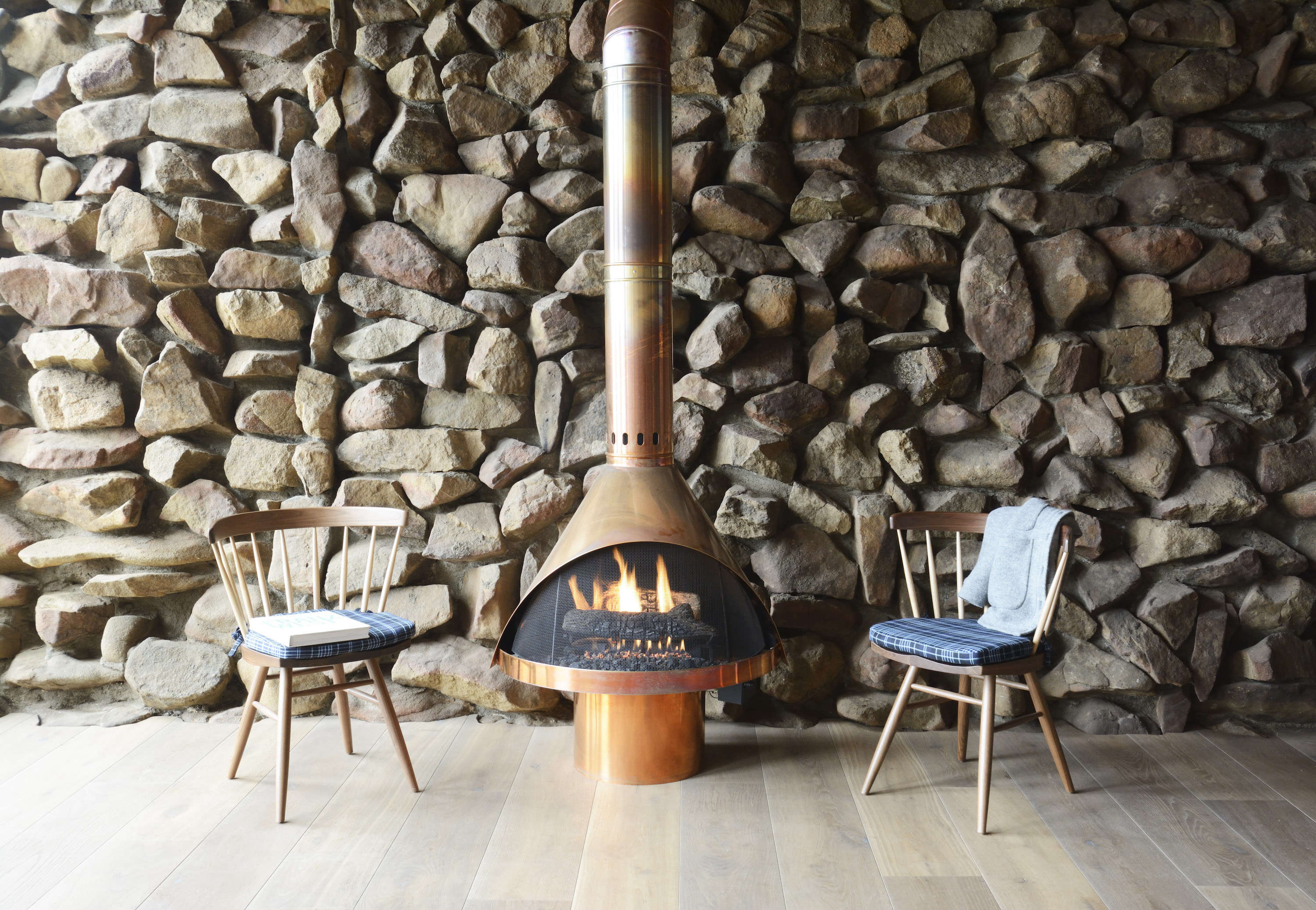
Some places don’t try to “transport you.” They simply remove the noise until your brain remembers how to be a brain.
Timber Cove is one of those places: perched on a rugged bluff along California’s Sonoma Coast, it pairs a distinctly
1960s origin story with a modern refresh that feels less like a makeover and more like a very stylish deep breath.
Think: redwood-and-stone architecture, fog that rolls in like a slow-motion curtain, a Great Room designed for
lingering, and a peace monument so tall it doubles as a “yes, you’re in the right place” landmark. It’s a coastal lodge
that knows its history, respects your desire for comfort, and quietly dares you to put your phone away (partly for
spiritual reasons, partly because reception can be… aspirational).
Why Timber Cove Feels Like a ’60s Ocean Lodge (Without the ’60s Plumbing)
Timber Cove wasn’t born as a generic roadside stop; it began life in 1963 with a purpose: a place of meditation and
tranquility. That “come here to exhale” DNA still shows up in the bones of the building and the way the property sits
in the landscapedramatic, yes, but never flashy. The vibe is less “resort wristband” and more “turn down the volume
on your own life for a minute.”
A-Frame drama, redwood warmth, and the kind of lobby you actually want to hang out in
Architecturally, the lodge leans into midcentury ideas that age well: natural materials, strong structural gestures,
and interiors that frame the outdoors instead of competing with it. Redwood and stone aren’t used as themed décor; they’re
part of the original visual language. The effect is cozy without being cutesy, rustic without feeling like a costume,
and retro without veering into “I found this on a film set.”
The peace monument that turns a cliffside walk into an art pilgrimage
Every good 1960s story needs a symbol, and Timber Cove’s is literally towering: a 93-foot peace obelisk (also known by
names like “The Expanding Universe” and “Madonna of Peace”) that stands on the cliffs near the property. Whether you’re
an art-history person or just someone who appreciates a great “how is that even here?” moment, it’s the kind of landmark
that anchors the whole experience. You can wander out, feel the wind, stare up, and suddenly your inbox seems less
emotionally important.
The 2016 “Redux”: How the Renovation Kept the Bones and Ditched the Dust
A renovation can go two ways: it can either erase a place’s personality or finally reveal it. Timber Cove’s modern
reimagining chose door number two. The guiding idea was simple: keep the iconic structure and the artsy, soulful spirit,
but make it feel lighter, more welcoming, andcruciallymore comfortable for actual humans who enjoy things like clean
lines, good lighting, and not tripping over yesterday’s shag carpet.
Refreshing the lodge without turning it into a sterile museum
The redesign focused on restoring and celebrating what was already there. The original redwood got a second chance to
shine, and spaces were reworked to feel open and social without losing that intimate lodge mood. Outside, landscaping and
gathering areas were treated like real “rooms,” not leftover spacecomplete with multiple fire pits and casual ways to
spend time that don’t involve scheduling anything.
The Great Room + Outdoor Living Room = the unofficial headquarters of “we’re staying another night”
Social spaces matter at a coastal lodge because the weather will inevitably do what it wants. Timber Cove leans into that
reality with an expansive Great Room and an Outdoor Living Room setup that’s built for hanging outbilliards, ping pong,
and the general encouragement to act like you’re at a friend’s cabin, if your friend’s cabin happened to have an ocean
view and better taste.
Rooms and Suites: Rustic-Modern, With a Side of Vinyl
Timber Cove’s rooms aim for “laid-back luxury” without the stiff formality that makes you afraid to set down your bag.
It’s the kind of comfort that whispers, “Go ahead, wear the cozy sweater twice.” The aesthetic lands in that sweet spot
between modern and nostalgicwarm wood, airy light, and small details that nudge you to slow down.
What you’ll notice first: the ceiling, the light, and the absence of frantic energy
Many rooms lean into high, wood-paneled ceilings and big coastal views. Fireplaces add that lodge-level coziness, while
thoughtful toucheslike record players and curated vinylmake the room feel like a place to inhabit, not just a place to
sleep. It’s a subtle invitation: choose a record, pour something local, and pretend you don’t know what day it is.
Picking a room: choose your soundtrackocean, cove, or forest
Timber Cove is the meeting point of land and sea, and the room categories reflect that. If you’re here to watch waves
do their dramatic thing, go for an ocean view. If you prefer a slightly more tucked-in feeling (with water still in the
picture), a cove view can feel like your own private lookout. Forest views bring a quieter, woodsy moodideal if your
version of relaxation includes reading and the occasional “Did I just see a deer?” glance out the window.
Suites for people who pack snacks like they’re going into a survival documentary
The suites add extra space to spread out, plus features that make longer stays feel easy: soaking tubs, separate living
areas, and the kind of layout that supports both romantic weekends and “we brought the kids, but we’d like to remain
friends” family travel.
Coast Kitchen: Where the Menu Is Seasonal and the View Is Permanent
Coastal lodges live or die by two things: the view and the food. Timber Cove takes both personally. Coast Kitchen is the
on-site restaurant, and it’s designed to make “let’s just eat here again” the obvious choiceseasonal fare, a strong
local-wine presence, and ocean views that do half the emotional labor of the meal.
What “coastal wine country” tastes like
Expect a menu that leans into Northern California ingredientslocal produce, regional cheeses, and seafood that makes
sense on this coastline. You’ll see the kind of dishes that pair well with crisp white wine and salty air: oysters,
seasonal fish, hearty mains when the fog rolls in, and brunch that makes you feel like your life is finally on track
(even if you still don’t fold fitted sheets correctly).
Where you can eat: dining room, patio, bar, or fireside
One of Timber Cove’s smartest moves is letting you choose your mood. You can eat in the main restaurant, on the ocean-view
patio, at the Great Room bar, or near the Outdoor Living Room fire pit. It’s the same basic idea as a cabin weekend:
food should adapt to your vibe, not the other way around.
Private dining at Coast Commune: big-table energy, boutique-hotel style
For celebrations, small groups, or anyone who loves the magic of a single long table, Coast Commune is a private dining
space built around a substantial redwood table andbecause this is Timber Coveendless ocean views. It’s intimate without
being precious, and it turns “dinner” into “dinner as an event,” without forcing you into a jacket.
What to Do When the Main Attraction Is… the Coast
Timber Cove is less about “activities programming” and more about giving you a great setting and letting nature handle
the rest. That said, you can absolutely fill your daysin ways that feel restorative, not frantic.
Walks, trails, and the joy of a view that doesn’t require a filter
On-property trails and cliffside paths make it easy to move your body without turning your vacation into a fitness
challenge. You can wander to viewpoints, find picnicking spots, and take the kind of walk where the reward is simply
being outside. The peace monument stroll is a highlightpart short hike, part contemplative art moment.
Fire pits at sunset: the nightly ritual you didn’t know you needed
There’s a specific kind of calm that arrives when you’re sitting by a fire pit watching the Pacific do its thing.
Grab a drink, let the temperature drop a few degrees (it will), and watch people become unusually nice to each other.
It’s almost suspicious how effective it is.
Stargazing, binoculars, and an ocean that doesn’t care about your to-do list
Clear nights here can be spectacular. Timber Cove leans into that with stargazing-friendly touchesbinoculars in suites
for sky-watching (and whale-watching) and a telescope available to borrow when conditions are right. The combination of
big sky, minimal distractions, and the sound of the ocean can make even the most stressed-out mind go quiet for a while.
Picnics, beach time, and low-stakes adventure
A lodge on the coast should make it easy to do simple pleasures well. Timber Cove encourages picnics with baskets and
scenic spots, and there’s nearby shoreline for a change of perspectivesand, sea air, and the satisfying feeling of being
very far away from meetings that could have been emails.
When to Go and What to Pack (A Love Letter to Layers)
The Sonoma Coast doesn’t do predictable weather, and that’s part of the charm. Mornings can be crisp, afternoons can
brighten, and evenings can turn cozy fast. If you pack like you’re visiting three different climates, you’re doing it
right.
Best seasons depend on your personality (and your relationship with fog)
- Spring: Wildflowers, green landscapes, and fewer “summer crowd” vibes.
- Summer: Longer days, but coastal fog can still show up like it owns the place.
- Fall: Often clearer skies and golden light that makes everything look expensive.
- Winter: Moody storms, dramatic waves, and elite-level fire pit weather.
Packing list, coastal-lodge edition
- A warm layer (yes, even in summer).
- Comfortable shoes for trails and viewpoints.
- A beanie or cap for wind (your ears will thank you).
- Binoculars if you’re serious about wildlife watching.
- A sense of humor about cell service.
Who Timber Cove Is Perfect For (And Who Might Prefer a Bigger Resort)
Timber Cove shines for travelers who want nature, design, and quieta place where doing “not much” feels like an
accomplishment. It’s for couples who like romantic without being corny, for friends who want a cozy base for exploring,
and for families who appreciate a lodge that feels relaxed rather than chaotic.
If your dream vacation requires a packed entertainment schedule or the full mega-resort experience, you might find Timber
Cove refreshingly minimalor mildly alarming. This is a place where the ocean, the architecture, and the art do the heavy
lifting. The payoff is a stay that feels grounding, not performative.
Planning Notes: The Practical Stuff That Makes the Trip Smoother
- Location: A secluded Sonoma Coast setting off Highway 1, north of Jenner.
- Setting: Blufftop views, redwoods nearby, and a coastline that looks like it was designed by a moody poet.
- On-site anchors: Great Room hangouts, Coast Kitchen dining, outdoor fire pits, and trail access.
- Mindset: Come ready to unplug, nap unapologetically, and re-learn what boredom feels like (in a good way).
Conclusion: A Midcentury Reset Button on the Edge of the Pacific
Timber Cove’s magic is how naturally it blends eras. The 1960s spirit is still presentin the architecture, the peace
monument, the emphasis on tranquilitybut the experience is updated for modern travelers who enjoy comfort, good design,
and meals that don’t taste like nostalgia.
If you want a Sonoma Coast getaway that feels both iconic and lived-in, a place where the biggest decision is whether to
watch the sunset from the fire pit or your room, Timber Cove delivers. It’s a “redux” that doesn’t try too hardbecause
it doesn’t have to. The coast already did the hard part.
Experience Add-On: A 48-Hour Playbook for Timber Cove (About of “You Had to Be There”)
Day 1, late afternoon: You arrive with the usual modern baggage: tabs open in your brain, a phone that
thinks it’s your boss, and the faint suspicion you forgot something important (you didn’t; you forgot nothing that
matters). The lodge appears on the bluff like a well-dressed secret. You check in, and within minutes the ocean starts
doing what it does best: convincing you to stop talking.
You drop your bag, notice the warm wood tones and the way the room feels calm instead of staged, and then you do the
first truly wise thing of the trip: you sit down. Not “sit down to answer messages.” Just sit. The light slants across
the landscape in that Northern California waygolden, slightly dramatic, like nature is trying to win an award.
Sunset: You head toward the ocean-side fire pit. This is where strangers become temporarily friendly
philosophers. Someone says, “I can’t believe this is real,” which is the official Sonoma Coast greeting. You order a
fireside drink and feel your shoulders drop. The wind picks up, so you put on the sweater you almost didn’t pack. You
silently thank Past You for choosing layers.
Dinner: Coast Kitchen is calling. You sit where the windows frame the ocean like it’s a painting that
changes every three seconds. The meal tastes like the region: fresh, seasonal, confident without being flashy. You tell
yourself you’ll keep it simple. You do not keep it simple. You order dessert because you are an adult and no one can stop
you. Somewhere between the last bite and the last sip, you realize you haven’t checked your phone in an hour. Your nervous
system starts to believe you.
Day 2, morning: Coffee with a view is almost unfair. You take a slow walk on the property, letting the
coastline dictate your pace. Eventually you make your way toward the peace obelisk. Up close, it’s not just “a tall
thing.” It’s a statementpart art, part history, part reminder that humans sometimes build something bigger than
themselves for reasons that aren’t profit.
Afternoon: You assemble a picnic like you’re starring in a low-budget romance movie (the good kind, where
everyone wears cozy clothes and nobody gets stuck in an airport). You eat outside, listening to waves and trying to
identify birds with the confidence of someone who absolutely cannot identify birds. Later, you play a game in the common
areas, laugh more than expected, and feel a tiny spark of who you were before your calendar became a competitive sport.
Night: If the sky is clear, you borrow the telescope. You look up, spot more stars than your city-dwelling
eyes are used to, and have the classic thought: “Wow, I’m small.” Instead of being depressing, it’s relieving. You go to
bed to the sound of the Pacific, and for once your brain doesn’t try to solve problems at midnight. It just… rests.
Departure: You leave feeling reset, not because you did a lot, but because you did the right kind of
nothing. The kind that quietly fixes you.