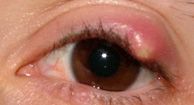
If you wake up, shuffle to the mirror, and find a mysterious bump on your eyelid staring back at you, congratulations: your eye has decided to be dramatic before coffee. The good news is that many eyelid bumps turn out to be either a chalazion or a stye. They can look annoyingly similar, but they are not exactly the same thing. One is usually about a clogged oil gland throwing a tiny tantrum. The other is more likely an infection crashing the party.
Knowing the difference matters because it helps you decide whether a warm compress and patience are enough, or whether it is time to call an eye doctor. In this guide, we will break down chalazion vs. stye, the most common causes, symptoms to watch for, the best treatment options, when to worry, and how to lower the chances of getting another unwelcome eyelid guest in the future.
What Is a Chalazion?
A chalazion is a lump in the eyelid that forms when one of the tiny oil glands becomes blocked. These glands, called meibomian glands, help keep the surface of your eye lubricated. When one gets clogged, oil builds up, irritation follows, and a firm bump can develop.
A chalazion often starts with mild redness or swelling, but as it settles in, it usually becomes a less painful, firmer nodule. It may sit farther back on the eyelid than a stye, and larger ones can press on the eyeball enough to cause blurry vision. That is when your eyelid goes from “slightly annoying” to “I am now oddly aware of every blink.”
What Is a Stye?
A stye, also called a hordeolum, is usually an acute, painful bump caused by an infection involving an eyelash follicle or one of the nearby eyelid glands. Styes often appear near the lash line and can look like a tiny pimple or boil. They may develop on the outside of the lid or on the inner side.
Unlike a chalazion, a stye is more likely to be tender, red, and sore from the start. Some people also notice tearing, crusting, light sensitivity, or the sensation that something is stuck in the eye. In plain English, it can make your eyelid feel like it picked a fight and lost.
Chalazion vs. Stye: What Is the Difference?
Here is the easiest way to tell them apart: a stye is usually painful and tied to infection, while a chalazion is usually less painful and tied to a blocked oil gland. A chalazion may even start after a stye does not fully drain and heal.
| Feature | Chalazion | Stye |
|---|---|---|
| Main problem | Blocked oil gland and inflammation | Usually bacterial infection of a gland or eyelash follicle |
| Pain level | Often mild or painless after the early stage | Usually painful and tender |
| Typical location | Farther back in the eyelid | Often near the lash line |
| Texture | Firm lump or nodule | Red bump, sometimes with a visible pus point |
| Vision effects | Possible if large enough to press on the eye | Usually no vision change unless swelling becomes severe |
Common Symptoms of a Chalazion
Chalazion symptoms can vary depending on size and stage, but common signs include:
- A lump on the upper or lower eyelid
- Mild redness or swelling
- Tenderness early on, followed by little or no pain
- Watering or mild irritation
- Blurred vision if the bump becomes large
- Occasional swelling of the whole eyelid
Some chalazia are small and hardly noticeable. Others behave like they are auditioning for a lead role and become impossible to ignore.
Common Symptoms of a Stye
Stye symptoms are usually easier to notice because they tend to be more dramatic and more uncomfortable. Common symptoms include:
- A red, swollen bump on the lid margin or inside the eyelid
- Pain or tenderness
- A scratchy or gritty feeling in the eye
- Tearing
- Crusting along the eyelid
- Light sensitivity
- A small yellow or white spot of pus in the center
What Causes a Chalazion?
The basic cause of a chalazion is a blocked meibomian gland. When the gland opening gets clogged, oil cannot move normally and starts to build up. The surrounding eyelid tissue then becomes irritated and inflamed, leading to a lump.
Several issues can make that blockage more likely. Common risk factors include blepharitis, rosacea, seborrheic dermatitis, oily skin, and a history of prior chalazia. If you deal with flaky eyelids, chronic lid irritation, or recurring eye bumps, your eyelids may be waving a small flag that says, “Please improve my maintenance schedule.”
What Causes a Stye?
A stye usually happens when bacteria, often the same kinds that normally live on skin, infect a blocked eyelash follicle or eyelid gland. Dirty hands, old makeup, poor contact lens hygiene, rubbing the eyes, and chronic eyelid inflammation can all make a stye more likely.
Blepharitis deserves a special mention because it is one of the most common background problems linked to both styes and chalazia. It causes red, irritated, crusty eyelids and can disrupt the normal function of the glands around the lashes. In other words, it creates the kind of environment where eyelid bumps feel way too welcome.
Can a Stye Turn Into a Chalazion?
Yes, it can. A stye may begin as an infected, painful bump and then leave behind a blocked gland after the active infection calms down. When that happens, the remaining lump may become less painful and more firm, which is more typical of a chalazion.
This transition explains why some people say, “It started like a stye, but now it just feels like a hard bump.” That description is not unusual at all.
How Doctors Diagnose These Eyelid Bumps
Most of the time, an eye doctor or healthcare professional can diagnose a chalazion or stye with a simple eye and eyelid exam. Usually, no fancy testing is needed. The appearance, location, tenderness, and timing tell most of the story.
However, a bump that keeps coming back, does not respond to treatment, bleeds, or causes lash loss may need closer evaluation. Rarely, an eyelid skin cancer can mimic a recurrent chalazion. That is why persistent or repeated lumps in the same spot should not be brushed off forever with a shrug and another washcloth.
Chalazion and Stye Treatment at Home
For both conditions, the first-line home treatment is usually the same: warm compresses. Apply a clean, warm washcloth to the closed eyelid for about 10 to 15 minutes, several times a day. The warmth helps soften oils, encourage drainage, and calm inflammation.
You can also try a gentle eyelid massage after the warm compress, especially for a chalazion, but only if the area is not acutely painful and you are using clean hands. Keep the touch light. Your eyelid is not a tube of toothpaste, and squeezing hard is a bad plan.
Other helpful home care tips include:
- Do not pop, squeeze, or puncture the bump
- Pause eye makeup until it heals
- Avoid contact lenses until irritation improves
- Wash your hands before touching your eyes
- Keep eyelids clean, especially if you have blepharitis
Medical Treatment for a Chalazion
Many chalazia go away on their own within weeks, but some hang around longer than an uninvited guest who keeps saying, “I’ll leave in a minute.” If a chalazion is large, persistent, or affecting vision, a clinician may recommend a steroid injection or a minor office procedure to drain or remove it.
Antibiotics are not usually the main treatment for a simple chalazion because a chalazion is generally an inflammatory blockage rather than an active infection. That is an important distinction. An antibiotic cannot sweet-talk a clogged oil gland into opening.
Medical Treatment for a Stye
Because a stye is more closely tied to infection, treatment sometimes includes antibiotic ointment, drops, or pills, especially if the stye is severe, keeps worsening, or there are signs that the infection may be spreading. Some stubborn styes may also need drainage in a doctor’s office.
Pain relief may be helpful too. Many people use over-the-counter pain relievers if needed, as long as those medicines are safe for them personally. But the real workhorse is still the warm compress. Simple? Yes. Glamorous? No. Effective? Often, yes.
When to See a Doctor
You should contact a healthcare professional if:
- The bump does not start improving after a few days of careful home treatment
- It lasts more than a week or two
- It becomes very large or very painful
- Your vision is blurry or changing
- The whole eyelid becomes very red or swollen
- Redness spreads into the cheek or face
- You have fever, chills, or worsening swelling
- You keep getting bumps in the same place
These symptoms can suggest that the diagnosis is not straightforward, that the infection is spreading, or that you need a more targeted treatment plan.
When It Might Be an Emergency
Seek urgent medical attention if you develop severe eye pain, rapidly worsening swelling, vision loss, difficulty moving the eye, bulging of the eye, or a fever with spreading facial redness. Those symptoms raise concern for a more serious infection around the eye rather than a simple stye or chalazion.
How to Prevent Chalazia and Styes
You cannot prevent every eyelid bump, but you can stack the odds in your favor. Good prevention habits include:
- Wash your hands before touching your eyes
- Remove makeup before bed
- Replace old eye makeup regularly
- Practice careful contact lens hygiene
- Clean eyelids regularly if you have blepharitis
- Treat rosacea, dandruff, or other skin conditions that affect the eyelids
- Avoid rubbing your eyes
If you are prone to recurring problems, daily lid hygiene can make a real difference. A gentle cleanser and warm water may not sound exciting, but your eyelids are surprisingly big fans of boring routines.
Chalazion vs. Stye: The Bottom Line
If the bump is painful, red, and near the lash line, think stye. If it is firmer, farther back in the lid, and less painful over time, think chalazion. In both cases, warm compresses are usually the first step. In both cases, squeezing is a terrible idea. And in both cases, persistent, worsening, or recurring symptoms deserve an actual human expert with an actual eye exam.
The comforting part is that most of these bumps are treatable and not dangerous. The annoying part is that they happen on your eyelid, which is a terrible place for anything annoying. Still, with the right care, most people do very well.
Common Experiences People Have With Chalazia and Styes
The experiences below are realistic composite examples based on common patterns people report with eyelid bumps. They are included to make the topic more practical and relatable.
Experience 1: “I Thought It Was Just a Tiny Pimple”
A lot of people first notice a stye when the eyelid feels sore before the bump is even obvious. One morning, the lid feels tender. By afternoon, there is a small red bump near the lashes. By evening, blinking feels weirdly personal. This is a common early stye experience. People often assume it will vanish overnight, but the bump may swell for a day or two before it starts settling down. Warm compresses usually help, but impatience is common. So is the temptation to poke it. That temptation should be ignored.
Experience 2: “The Pain Went Away, but the Lump Stayed”
This is classic chalazion territory. Someone gets what seems like a stye, uses warm compresses, and the angry pain improves. But then a firm little lump remains in the eyelid for weeks. It is no longer especially painful, just persistent and mildly irritating. People often start wondering whether they are doing something wrong. In many cases, they are not. Chalazia can simply take a while to resolve. The challenge is knowing when “being patient” turns into “it is time to get this checked.” If the lump is not shrinking, starts affecting vision, or keeps returning, an office visit makes sense.
Experience 3: “I Keep Getting These Over and Over”
Recurring styes or chalazia are frustrating, and many people only discover the role of blepharitis after the third or fourth round. They may notice crusty lashes in the morning, flaky skin around the lids, burning eyes, or a history of rosacea and dandruff. Once eyelid hygiene becomes part of the routine, the frequency of bumps often improves. This experience teaches an important lesson: sometimes the eyelid bump is the headline, but the real story is the ongoing eyelid inflammation behind it.
Experience 4: “It Was Small Until It Wasn’t”
Some people ignore a chalazion because it is painless at first. Then it slowly gets larger and starts pressing on the eye enough to blur vision or make the lid look obviously swollen in photos. That is usually the point where casual indifference turns into serious Googling. Large chalazia can be stubborn, and when home care is not enough, a doctor may suggest a steroid injection or a small drainage procedure. Many patients are relieved to learn that these treatments are typically quick and done in an office setting.
Experience 5: “I Was Embarrassed More Than Anything Else”
Not every chalazion or stye is terribly painful, but many people feel self-conscious about how it looks. Because the eyelid is so visible, even a small bump can feel like it is the only thing anyone will notice. That emotional side is real. Eye bumps can interfere with work calls, makeup, contact lens wear, and general confidence. Fortunately, most are temporary. A calm plan, clean compresses, and knowing the red flags can take a lot of the stress out of the situation.
Conclusion
A chalazion and a stye may look similar, but understanding the difference can save time, stress, and unnecessary experimenting in the bathroom mirror. Styes usually hurt more because infection is part of the story. Chalazia usually linger longer because blockage and inflammation are the main problem. Either way, warm compresses, clean hands, and a little restraint go a long way. And if the bump sticks around, gets worse, or affects your vision, let an eye care professional take it from there.