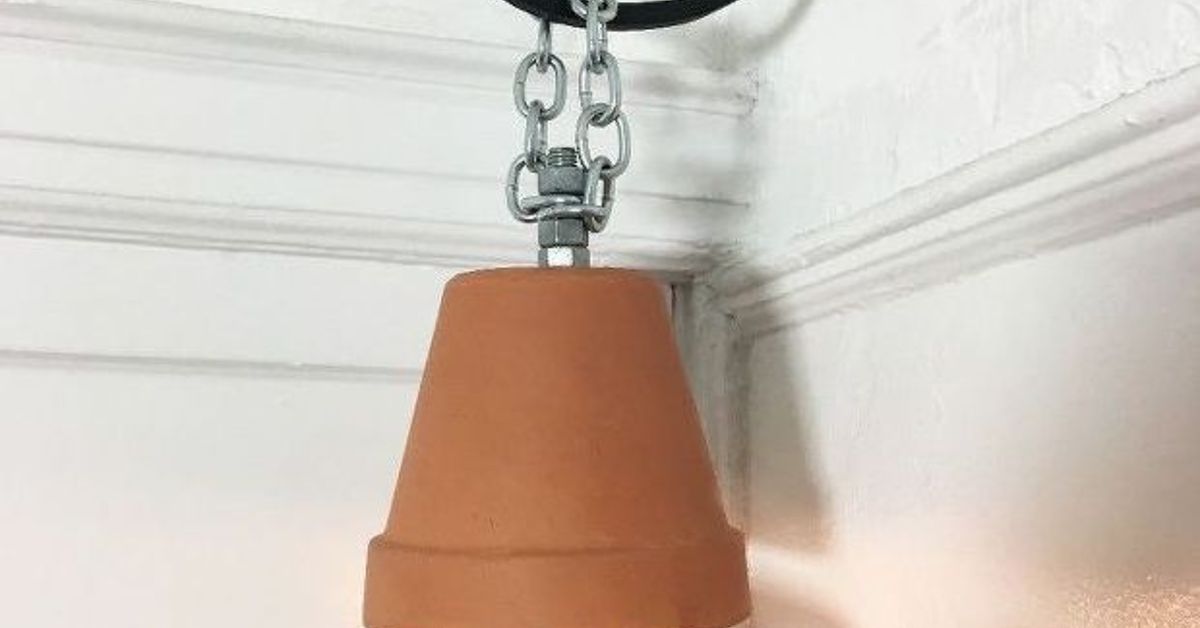
A terra cotta space heater sounds like the kind of cozy little project the internet was born to adore: a flower pot, a candle, a few bricks, and suddenly your living room is supposed to feel like a mountain lodge with cocoa service. Charming? Absolutely. Magical? Not quite. Before we start, let’s be honest: a terra cotta candle heater is not a replacement for a real heater, a furnace, or an emergency heating plan. It is best understood as a decorative, supervised, low-output radiant warmer that can make a small sitting area feel a bit cozier.
The main keyword here is terra cotta space heater, but the real theme is safer coziness. A clay pot can absorb heat from a small candle flame and release some of that warmth slowly through radiant heat. That can feel pleasant when your hands are nearby. What it cannot do is create extra energy, warm an entire room, or rescue a drafty house during a winter outage. Physics is rude like that.
In this guide, you’ll learn how the DIY terra cotta heater works, what materials to use, how to assemble a safer version, what mistakes to avoid, and how to make your home feel warmer without turning your coffee table into a tiny fire experiment. Think of this as a cozy craft with a serious safety section wearing a hard hat.
What Is a Terra Cotta Space Heater?
A terra cotta space heater, sometimes called a clay pot heater, flower pot heater, or terra cotta candle heater, is a homemade setup that places a terra cotta pot above a small candle or tea light. The flame warms the clay, and the clay radiates heat outward. Some versions use two nested pots, bolts, washers, or a saucer base. Some viral versions use multiple tea lights packed together under one pot. That is where the project can go from “cute cottage-core craft” to “why is the smoke alarm composing jazz?”
The safest way to think about this project is simple: it is not a true space heater. A regular electric space heater is designed, tested, labeled, and equipped with safety features such as tip-over shutoff or overheat protection. A homemade candle-and-pot heater has none of those protections. It uses an open flame. It gets hot. It can crack. It can tip. It can set nearby items on fire if treated casually.
So why make one at all? For ambiance, educational curiosity, gentle hand-warming, or a decorative cold-evening centerpiece used under constant adult supervision. If you want reliable heat, choose a properly rated heater, improve insulation, seal drafts, and use safe heating practices.
How a Terra Cotta Candle Heater Actually Works
A candle releases heat as it burns. When you place a terra cotta pot above the flame with enough airflow, the clay absorbs some of that heat. Terra cotta has thermal mass, meaning it can hold warmth and release it gradually. That is why clay pots, brick, tile, and stone often feel warm after sitting in the sun.
However, the pot does not multiply the candle’s heat. It only changes how the heat is distributed. Instead of all the warm air rising quickly, the clay captures part of it and radiates warmth sideways. Sit close enough, and you may feel a soft glow of heat. Walk across the room, and you will mostly feel your usual room temperature, plus perhaps a faint sense of disappointment.
This matters because many online posts make exaggerated claims about DIY clay pot heaters. A few tea lights cannot perform like a 1,500-watt electric heater. The pot can become impressively hot, but that heat is concentrated in a small object, not spread evenly through your home. In other words, it is more hand-warmer than home furnace.
Important Safety Note Before You Begin
Do not use a terra cotta space heater while sleeping, during a power outage as your main heat source, near children or pets, in a bedroom, in a bathroom, in a tent, in a vehicle, or in any small unventilated space. Do not leave it unattended, not even “just for a minute.” Fire rarely waits politely for you to finish checking the laundry.
Use only on a stable, flat, nonflammable surface such as a ceramic tile, stone slab, or metal tray. Keep the setup far away from curtains, paper, bedding, furniture, dried plants, aerosols, cleaning products, and anything else that can burn. Keep long hair, loose sleeves, napkins, and curious cat tails away from the flame. Install and test smoke alarms and carbon monoxide alarms in your home. If the setup smells odd, smokes, cracks, flares, or behaves strangely, extinguish the flame immediately.
Materials You’ll Need
Basic Supplies
- One unglazed terra cotta flower pot, about 4 to 6 inches wide
- One matching terra cotta saucer or a nonflammable ceramic tile
- Two small fire-safe supports, such as bricks, ceramic risers, or kiln-safe blocks
- One small unscented candle in a sturdy metal or glass holder
- A long lighter or matches
- A candle snuffer or metal lid for extinguishing the flame
- Heat-resistant gloves
- A clear, open, ventilated area
What to Avoid
- Do not use plastic containers, wooden blocks, books, cardboard, or stacked random household items as supports.
- Do not use cracked, wet, painted, glazed, or decorated pots that may give off fumes or break under heat.
- Do not pack several tea lights tightly under the pot.
- Do not use galvanized bolts, unknown metals, or hardware that may release fumes when heated.
- Do not place the setup on carpet, fabric, laminate counters, or a wobbly side table.
Step-by-Step: How to Make a Cozy Terra Cotta Space Heater
Step 1: Choose the Right Location
Pick a sturdy, uncluttered, nonflammable surface. A ceramic tile on a stone countertop or a metal tray on a stable table is better than a wooden coffee table. Leave generous clearance on every side. This is not the moment to style a cozy flat lay with wool blankets, paperback novels, pinecones, and one heroic open flame in the middle.
Step 2: Inspect the Terra Cotta Pot
Make sure the pot is completely dry and free of cracks. Moisture trapped in clay can expand when heated, increasing the risk of cracking or popping. If the pot has been outside in rain or used for plants, let it dry indoors for several days before using it in any heat project. New, plain, unglazed terra cotta is best.
Step 3: Set Up the Nonflammable Base
Place your tile, stone slab, or terra cotta saucer on the surface. This base catches wax drips, protects the table, and adds stability. The base should be larger than the pot and wide enough to contain the candle holder. If it rocks, slides, or looks like it is auditioning for a disaster movie, choose a better base.
Step 4: Position the Candle
Place one small unscented candle in a sturdy holder at the center of the base. A single candle is safer than a cluster. Multiple candles can overheat the pot, melt wax unevenly, and create flare-up risks. Scented candles may also produce more soot or fragrance fumes, so keep it plain and simple.
Step 5: Add the Supports
Place two bricks or ceramic risers on opposite sides of the candle. These supports should hold the pot above the flame while allowing plenty of airflow. The candle needs oxygen to burn cleanly. Do not seal the candle inside the pot. Restricted airflow can cause poor combustion, soot, smoke, or unsafe conditions.
Step 6: Place the Terra Cotta Pot Upside Down
Turn the pot upside down and rest its rim on the supports. The drainage hole should be at the top. This opening helps heat escape and supports airflow. The pot should sit securely, with no wobbling. Keep the flame from touching the clay directly; the goal is gentle warming, not pottery stress-testing.
Step 7: Light the Candle and Watch Closely
Light the candle with a long lighter. Stay nearby the entire time. Within several minutes, the clay will begin to warm. After 10 to 20 minutes, the pot may become too hot to touch. That is normal, but it also proves why this project must be treated carefully. Hot clay can burn skin, damage surfaces, and surprise anyone who assumes it is “just a flower pot.”
Step 8: Extinguish Safely
Use a candle snuffer or carefully blow out the flame without splashing wax. Do not move the pot right away. Let everything cool completely before touching it. Hot wax and hot terra cotta hold heat longer than you may expect. Patience is cheaper than burn cream.
How Warm Does It Get?
A small terra cotta heater may make the area immediately around it feel warmer, especially if your hands are close to the pot. It can create a pleasant radiant effect, similar to holding your palms near a warm mug. But it will not heat a normal room in any meaningful way. The amount of heat comes from the candle, and the candle’s energy output is small compared with a real space heater.
The best use case is ambiance plus a tiny bit of local warmth. Picture a reading nook, a covered patio table in mild weather, or a supervised craft demonstration about heat transfer. The worst use case is relying on it to keep a family warm during a severe winter outage. For emergencies, plan ahead with safe heating alternatives, warm clothing, insulated rooms, blankets, charged devices, and guidance from local emergency officials.
Common Mistakes That Make Terra Cotta Heaters Dangerous
Using Too Many Candles
More candles may sound like more heat, but it also means more flame, more melted wax, more oxygen consumption, and more risk. A cluster of tea lights under a confined pot can overheat quickly. If your plan requires a small candle bonfire, the plan has left the cozy zone.
Leaving It Unattended
A terra cotta candle heater should never be left alone. Open flames can shift, wax can flare, pets can jump, children can reach, and supports can move. The safest candle is the one you are actively watching, and the second safest is the one you did not light.
Using It Near Fabric
Curtains, blankets, throw pillows, towels, rugs, and bedding should stay far away from any heat source. “Cozy” decor is often made of things that burn beautifully, which is not the kind of beauty we are going for.
Touching the Pot Too Soon
Terra cotta can stay hot after the flame is out. Use heat-resistant gloves if you must handle it, but ideally, let it cool naturally. Never invite guests to “feel how warm it is.” That sentence has caused enough tiny household tragedies already.
Safer Ways to Make a Room Feel Warmer
If your real goal is comfort, not just a fun DIY project, there are better ways to warm up your space. Seal drafts around windows and doors with weatherstripping. Use thermal curtains at night. Add rugs to cold floors. Close doors to unused rooms. Wear warm layers. Use a heated throw that is UL-listed and in good condition. Choose a modern electric space heater with tip-over protection, overheat shutoff, and the right size rating for the room.
Air sealing and insulation are especially powerful because they help your home keep the heat it already has. A drafty room can swallow warmth faster than a teenager eats pizza. Fixing leaks around windows, doors, baseboards, and attic openings often improves comfort more than any cute tabletop gadget.
When You Should Not Make This Project
Skip the terra cotta heater if you have small children, energetic pets, limited mobility, oxygen use in the home, poor ventilation, unstable furniture, or a habit of forgetting candles. Also skip it if you are tired, sleepy, distracted, or planning to leave the room. A DIY heater is not something to run in the background while you work in another room or binge-watch a show until midnight.
You should also avoid this project during a power outage if it tempts you to use candles as a heating strategy. Use flashlights or battery-powered lanterns for light, keep people bundled in warm clothing, and follow local emergency guidance. If indoor temperatures become unsafe, seek a warming center or another safe heated location.
Best Design Tips for a Cozy Look
If you want the terra cotta heater to look charming while staying sensible, place the entire setup on a wide ceramic tray. Surround the tray with nonflammable decor only, such as smooth stones or ceramic tiles. Keep decorative greenery, dried orange slices, ribbons, paper tags, and fabric napkins far away. A minimalist setup is safer and, frankly, more elegant.
You can also paint the outside of a separate decorative pot for display, but do not heat painted or coated materials unless they are specifically rated for heat. The safest working pot is plain, dry, unglazed terra cotta. Let the warmth come from the clay and the style come from the surrounding room: soft lighting, thick socks, a good book, and a mug of something that tastes like cinnamon had a successful career.
Real-World Experience: What It Feels Like to Use a Terra Cotta Space Heater
The first thing you notice when using a small terra cotta space heater is not a dramatic wave of heat. There is no roaring fireplace moment, no cinematic gust of warmth, no sudden urge to remove your sweater and declare winter defeated. Instead, the effect is subtle. After several minutes, the pot begins to feel warm from a short distance. Sit close, hold your hands nearby, and you may feel a gentle radiant heat. Move a few feet away, and the sensation fades quickly.
That is why expectations matter. If you build this project hoping to heat a chilly bedroom, you will be disappointed and possibly tempted to add more candles, which is exactly the wrong direction. If you build it as a supervised cozy centerpiece for a short period, it makes more sense. The charm is in the glow, the warm clay, and the old-fashioned simplicitynot in raw heating power.
In practice, the setup also teaches you how quickly “small” heat can become serious. A single candle looks harmless, but clay can become very hot. The first time someone reaches toward the pot, you will understand why it needs a no-touch rule. A terra cotta heater should be treated like a tiny stove: interesting, useful in a limited way, and absolutely not something to poke casually.
Another experience worth noting is the importance of airflow. When the pot sits too low or the candle is crowded, the flame may flicker, smoke, or behave unevenly. Raising the pot slightly with stable, fire-safe supports helps air move around the flame. A clean burn is safer and less sooty. If the candle smokes, smells strange, or burns too high, extinguish it and adjust the setup only after everything cools.
The best results come from using the heater in a calm, uncluttered place for a short, supervised session. It pairs nicely with quiet activities: reading a chapter, journaling, sipping tea, or enjoying a slow evening at the table. It does not pair well with chaos: pets racing through the room, kids playing nearby, guests reaching over it for snacks, or anyone saying, “I’ll just leave it going while I take a quick shower.” No. The heater is not a roommate. It does not get unsupervised privileges.
From a comfort perspective, the project works best when combined with common-sense warmth strategies. Put on thicker socks. Close the door to the room you are using. Block a draft at the bottom of the door. Add a throw blanket. Once your body is already warm, the clay pot’s gentle radiant heat feels pleasant. If you are already cold in a large drafty space, the heater feels like asking a birthday candle to negotiate with January.
The biggest lesson is that cozy design and safety must travel together. A terra cotta candle heater can be attractive, calming, and fun to understand. It can also be risky if treated as a viral hack instead of an open-flame project. Respect the limits, keep the setup simple, use one candle, stay nearby, and let it cool fully before moving it. Done that way, it becomes a small seasonal ritual rather than a household hazard with a Pinterest account.
Conclusion
A cozy terra cotta space heater is a simple DIY project, but it deserves a realistic name: a supervised terra cotta candle warmer. It can create a gentle radiant glow, warm a tiny area near the pot, and add rustic charm to a cold evening. It cannot safely or effectively replace a real heating system. The smartest approach is to build it carefully, use it briefly, watch it constantly, and focus on safer home-warming habits such as draft sealing, insulation, warm layers, and properly rated heaters.
If you treat the project as a decorative experiment, it can be enjoyable. If you treat it like emergency heat, it becomes dangerous. Cozy is wonderful. Cozy with smoke alarms, clear space, and common sense is even better.