Investing has a funny way of turning adults into restless children in the back seat of a minivan. The market moves down for three weeks and suddenly everyone asks, “Are we there yet?” Growth stocks outperform value stocks for a few years and the headlines declare value investing dead. Interest rates rise, cash starts paying something again, and investors begin wondering whether the whole long-term plan needs to be rebuilt with a hammer, duct tape, and maybe a stress ball.
The title “When the Short-Term Impacts the Long-Term: Are We There Yet?” captures one of the most frustrating truths in finance: short-term performance can dramatically affect how we interpret long-term results. A few unusual years can rewrite a decade-long chart. A market panic can scare investors out of a plan that was perfectly reasonable yesterday. A hot trend can make a disciplined strategy look outdated, even when the real problem is impatience wearing a fancy suit.
This article explores how short-term market moves, investor behavior, interest rates, valuation cycles, and style rotations can influence long-term investing outcomes. More importantly, it looks at how investors can tell the difference between temporary noise and a true long-term signal. Spoiler alert: it is not easy. If it were easy, financial television would be three minutes long.
Why Short-Term Market Moves Feel So Important
Short-term market movements feel powerful because they are loud, visible, and emotionally annoying. A portfolio that drops 8% in a month feels more real than a 30-year retirement projection. Human brains are wired to pay attention to immediate threats. In prehistoric times, that helped us avoid saber-toothed cats. In modern markets, it helps us panic-sell index funds after reading one dramatic headline before breakfast.
Financial markets constantly process new information: inflation data, earnings reports, Federal Reserve policy, unemployment numbers, oil prices, geopolitical risks, elections, technological disruption, and investor sentiment. Any one of these can cause short-term volatility. But volatility is not the same as permanent damage. Prices move faster than fundamentals. Feelings move even faster than prices.
The danger comes when investors treat every short-term move as a long-term message. A market correction does not automatically mean the economy is broken. A strong year for growth stocks does not mean value investing has gone extinct. A weak stretch for bonds does not mean bonds have lost their role forever. Short-term evidence can be useful, but it can also be a very convincing liar.
The “Are We There Yet?” Problem in Investing
The phrase “Are we there yet?” is funny because it reveals a mismatch between time horizons. A child thinks five minutes is an eternity. A parent knows the trip takes six hours. Investors often behave the same way. They claim to have a long-term plan, then judge it every quarter as if retirement depends on what happened last Tuesday.
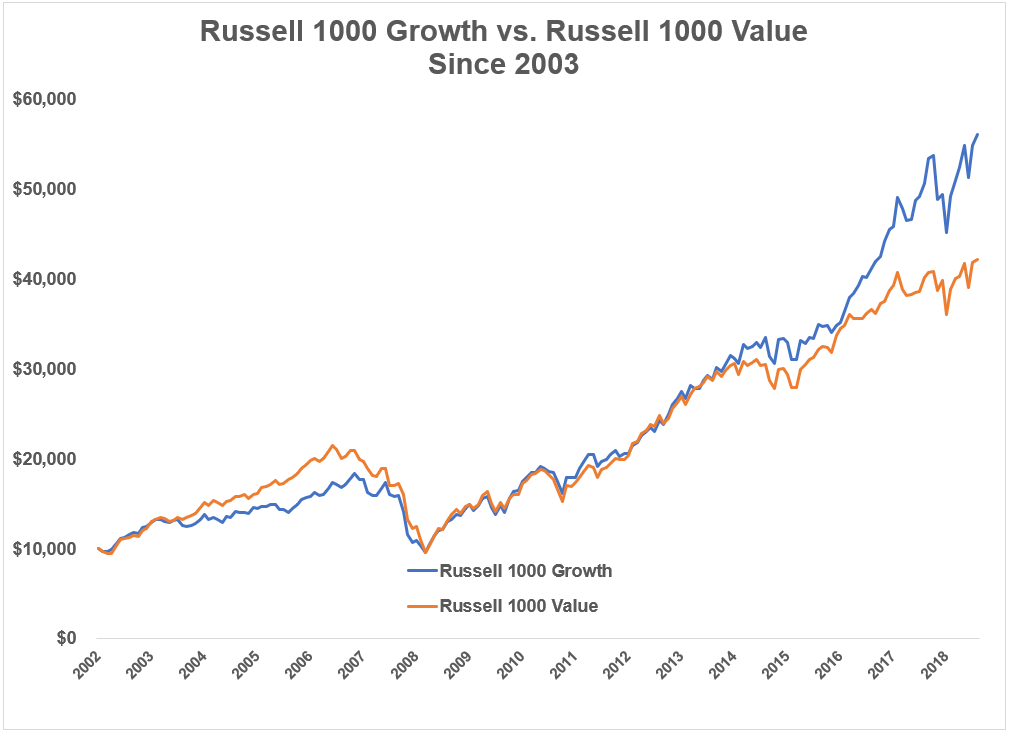
This is especially obvious in debates about value investing versus growth investing. Value investing focuses on buying companies that appear inexpensive relative to earnings, assets, cash flow, or other fundamentals. Growth investing focuses on companies expected to expand faster than the market. Both styles have had long periods of success, and both have had painful stretches when they looked like they had been sent to the financial basement.
When growth stocks dominate for years, investors begin asking whether value is dead. When value rebounds, the same people rediscover valuation discipline as if it were a lost family recipe. The real lesson is not that one style always wins. The lesson is that market leadership changes, and the timing of those changes can make short-term results look like long-term truth.
How a Few Years Can Rewrite a Long-Term Chart
One of the strangest features of investing is that long-term returns can be heavily shaped by short bursts of extreme performance. A decade may look balanced until the final two years explode in one direction. A strategy may appear average for most of a cycle, then suddenly leap ahead or fall behind because of a concentrated market move.
Consider the late 1990s technology boom. Growth stocks surged dramatically as investors fell in love with internet companies, many of which had more dreams than profits. For a while, valuation seemed irrelevant. Investors who cared about earnings looked old-fashioned, like someone bringing a fax machine to a smartphone launch. Then the dot-com bubble burst, and valuation mattered again very quickly.
The same pattern appears in many market cycles. Short-term enthusiasm can stretch into several years, long enough to feel permanent. By the time investors decide a trend is unstoppable, the easy money may already be gone. This is why looking at performance alone can be dangerous. A winning strategy may be genuinely strong, or it may simply be enjoying the temporary kindness of market weather.
Value vs. Growth: A Classic Case of Short-Term Pressure
The value-versus-growth debate is one of the best examples of how the short term can distort long-term thinking. Academic research has long documented a value premium: historically, cheaper stocks have often produced higher average returns than more expensive growth stocks over long periods. But “over long periods” is doing a heroic amount of work in that sentence.
There can be long stretches when value underperforms growth. These stretches are not just inconvenient; they are emotionally exhausting. Investors do not experience market history as a clean chart. They experience it as monthly statements, dinner conversations, client meetings, and the quiet pain of watching a neighbor brag about a tech stock they bought after watching a two-minute video.
Growth stocks tend to shine when investors reward future potential, low interest rates support higher valuations, and technology-driven earnings stories capture imagination. Value stocks often do better when valuations matter again, economic growth broadens, interest rates change the math, or investors become less willing to pay premium prices for distant profits. Neither style has a permanent monopoly on good ideas.
Why Value Can Look Broken Even When It Is Not
Value investing can look broken because underperformance tests patience. A strategy can be logically sound and still lose to a trend for years. This creates a painful question: is the strategy temporarily out of favor, or has the world changed?
Sometimes the world really does change. Certain industries decline. Accounting measures become less useful for asset-light companies. Technology can create winner-take-most markets. A cheap stock may be cheap for a very good reason, such as weak management, shrinking demand, or a balance sheet that looks like it lost a bar fight.
But sometimes the problem is simply that investors hate waiting. Value investing is not magic. It does not promise that cheap stocks become fairly priced on your preferred schedule. Markets can stay enthusiastic, skeptical, or deeply weird longer than a spreadsheet can stay emotionally supportive.
Interest Rates: The Short-Term Lever With Long-Term Consequences
Interest rates are another way short-term conditions can influence long-term results. When rates are low, investors may be more willing to pay higher prices for growth because future earnings are discounted at a lower rate. When rates rise, the present value of distant cash flows can fall, and investors may suddenly care more about current profits, dividends, and balance sheet strength.
Higher rates also give cash and bonds a stronger role in portfolios. When money market funds, Treasury bills, and high-quality bonds offer meaningful income, investors no longer feel forced to chase risk just to earn something above zero. That can change asset allocation decisions, stock valuations, and investor behavior.
However, investors should be careful not to overreact. Today’s attractive short-term yield may not solve a long-term retirement need. Cash can feel safe, but it may not grow enough after inflation and taxes. Bonds can provide income and stability, but they also carry interest rate risk. Stocks can be volatile, but they have historically offered long-term growth potential. The right mix depends on goals, time horizon, and risk tolerancenot just the latest yield quote.
Market Timing: The Temptation That Never Retires
Market timing is the belief that an investor can move in and out of the market at the right moments. It sounds reasonable. Why sit through a downturn if you can avoid it? Why hold boring assets when something exciting is going up? Why not be brilliant twiceonce when selling and once when buying back in?
The problem is that timing requires two correct decisions, not one. You must know when to get out and when to get back in. Many investors manage the first decision during panic and fail the second during recovery. They wait for certainty, but markets usually recover before certainty arrives. By the time the news feels safe, prices may already reflect the improvement.
Research from major financial institutions has repeatedly shown that missing just a handful of the market’s strongest days can meaningfully reduce long-term returns. This does not mean investors should ignore risk. It means emotional exits can be costly. The market’s best days often cluster near its worst days, which is extremely rude behavior from a customer-service perspective, but historically true.
Short-Termism in Business and Portfolios
Short-term thinking is not limited to individual investors. Companies can also become trapped by quarterly expectations. Management teams may cut research, delay investment, reduce employee development, or prioritize buybacks over innovation to satisfy near-term earnings targets. Sometimes these decisions improve efficiency. Other times, they quietly weaken the business.
Investors face a similar challenge. A portfolio built only to look good this year may fail to serve a 20-year goal. Chasing the strongest recent performer can create concentration risk. Abandoning diversification after one weak period can leave investors exposed when leadership rotates. Constantly changing strategy can turn a portfolio into a financial junk drawer: a little crypto here, some dividend stocks there, three funds bought after a podcast, and one mysterious ETF nobody remembers choosing.
Long-term investing requires accepting that not every part of a portfolio will work at the same time. In fact, if everything is rising together, the portfolio may not be as diversified as it appears. Good diversification often means always owning something that makes you mildly annoyed.
How to Tell Noise From a Real Signal
The hardest question is whether short-term change reflects temporary noise or a lasting shift. There is no perfect answer, but investors can use a few practical filters.
1. Ask Whether Fundamentals Have Changed
Price changes alone are not enough. A stock falling does not automatically mean the business is worse. A stock rising does not automatically mean the business is better. Investors should examine earnings power, debt levels, competitive advantage, cash flow, margins, management quality, and industry structure.
2. Separate Valuation From Storytelling
A great company can be a poor investment if the price is too high. A boring company can be a strong investment if the price is attractive and the fundamentals are stable. Short-term excitement often pushes stories ahead of numbers. Long-term results eventually require cash flows, not just charisma.
3. Consider the Time Horizon
A retiree withdrawing money next year has a different risk profile than a 30-year-old investing for retirement. Short-term volatility matters more when money is needed soon. For long-term goals, volatility may be uncomfortable but manageable. The same market event can be a crisis for one investor and a buying opportunity for another.
4. Watch Behavior, Not Just Returns
The best plan is useless if an investor cannot stick with it. A portfolio that is theoretically optimal but emotionally unbearable is not optimal in real life. Investors should choose a strategy they can hold during ugly markets, boring markets, and markets where someone on the internet appears to be getting rich faster.
The Role of Diversification When the Future Is Foggy
Diversification is often misunderstood as a way to maximize returns. It is better understood as a way to avoid needing a perfect forecast. A diversified portfolio spreads exposure across asset classes, sectors, styles, and sometimes geographies. It admits the truth: nobody knows exactly which investment will lead next.
During growth-led markets, diversification can feel unnecessary. During value rebounds, it can feel wise. During bond sell-offs, it can feel broken. During recessions, it can feel like a life jacket. The emotional experience changes, but the purpose remains the same: reduce dependence on a single outcome.
Diversification does not eliminate losses. It does not guarantee smooth returns. It does, however, help investors avoid putting their entire future on one market narrative. That matters because market narratives age quickly. Today’s unstoppable trend can become tomorrow’s cautionary tale with impressive speed.
Are We There Yet? Maybe, But “There” Keeps Moving
Investors often want a finish line. They want to know when value will return, when rates will fall, when inflation will settle, when growth stocks will cool, when small caps will recover, or when the market will finally behave like the elegant chart in a financial planning brochure.
But investing rarely offers clean arrival moments. A cycle does not ring a bell when it changes. The market does not send a polite email saying, “Dear investor, leadership rotation begins Monday.” Turning points are usually visible only in hindsight. By the time everyone agrees the trend has changed, the opportunity may already be partly priced in.
This is why disciplined investing matters. The goal is not to predict every turn. The goal is to build a plan resilient enough to survive wrong guesses, delayed outcomes, and uncomfortable stretches of underperformance.
Practical Lessons for Long-Term Investors
The first lesson is to define the job of each investment. Cash is for liquidity and near-term needs. Bonds may provide income and stability. Stocks provide growth potential. Value stocks, growth stocks, international stocks, small caps, and real assets can each play different roles. Confusion begins when investors expect every asset to do every job at once.
The second lesson is to rebalance rather than react. Rebalancing forces investors to trim what has grown large and add to what has lagged, keeping risk aligned with the plan. It is not glamorous. Nobody makes a movie called “The Rebalancer.” But it can help investors maintain discipline when emotions are trying to hijack the steering wheel.
The third lesson is to measure performance over relevant periods. A three-month return may matter for a trader, but it should not dominate a retirement plan. A five-year lag may be painful, but it does not automatically invalidate a strategy. The correct evaluation period depends on the strategy’s purpose and expected cycle length.
The fourth lesson is to control costs. Costs are one of the few variables investors can actually manage. Lower expenses do not guarantee success, but high expenses create a hurdle that must be overcome every year. Over long periods, even small cost differences can compound into meaningful gaps.
The fifth lesson is to avoid building a portfolio around regret. Regret is a terrible portfolio manager. It buys what already went up, sells what already hurt, and changes strategy at exactly the wrong moment. A strong investment plan should be built around goals, risk capacity, evidence, and disciplinenot the emotional desire to undo last year.
of Experience: What This Topic Feels Like in Real Life
The most useful investing lessons often arrive disguised as frustration. Anyone who has invested for more than one market cycle knows the feeling: you choose a thoughtful strategy, diversify properly, keep costs low, and then some narrow corner of the market races ahead while your portfolio behaves like it stopped for coffee. Suddenly, the disciplined plan feels slow. Not wrong, exactlybut slow enough to make you suspicious.
This is where short-term performance begins to influence long-term behavior. Imagine an investor who builds a balanced portfolio with U.S. stocks, international stocks, value exposure, bonds, and cash for emergencies. The plan is sensible. Then mega-cap growth stocks dominate the headlines. Friends talk about artificial intelligence winners, technology platforms, and funds that seem to go up every time someone says “innovation.” The diversified investor looks at their own return and thinks, “Why am I carrying all these other pieces?”
That question is understandable. It is also dangerous. The investor may sell the lagging parts and buy what recently worked. For a while, the decision may feel brilliant. Then leadership shifts. Interest rates change. Valuations compress. A once-comfortable portfolio becomes heavily concentrated in the same companies and themes. The investor did not simply update a strategy; they replaced a long-term plan with short-term envy.
The same pattern happens during downturns. A market decline turns theoretical risk into real discomfort. Investors who once said they had a 20-year horizon begin checking prices every hour. They read recession headlines, watch red numbers, and decide that getting out “temporarily” is prudent. But temporary decisions have a way of becoming permanent mistakes. The market recovers before confidence does. The investor waits for clarity, but clarity is expensive.
In real life, successful investing is less about having nerves of steel and more about designing systems that protect you from your own worst impulses. Automatic contributions help because they remove the need to decide every month. Rebalancing rules help because they turn discomfort into action. Written investment policies help because they remind you what you believed before the market started shouting.
Another real-world lesson is humility. The market does not care how convincing a forecast sounds. Many intelligent investors have been early, late, or loudly wrong. That does not mean analysis is useless. It means analysis should be paired with risk management. A good investor says, “Here is what I think may happen, and here is how I survive if I am wrong.”
Finally, the emotional side matters more than most people admit. The best portfolio is not the one that looks smartest in a spreadsheet. It is the one that gives an investor a reasonable chance of reaching their goals while still sleeping at night. If a strategy requires heroic patience, perfect timing, and the emotional stability of a marble statue, it may not survive contact with real life.
So, are we there yet? In investing, probably not. There will always be another cycle, another headline, another hot trend, another scary chart, and another reason to doubt the plan. The better question is not whether we have arrived. The better question is whether the vehicle is built for the whole journey.
Conclusion: The Short Term Matters, But It Should Not Be the Boss
Short-term market moves can absolutely affect long-term results. A few powerful years can reshape a decade of performance. A panic-driven decision can permanently damage a portfolio. A hot trend can lure investors away from discipline. Rising rates, changing valuations, and shifting market leadership can all alter the investing landscape.
But the short term should inform long-term decisions, not dominate them. Investors need to stay flexible without becoming frantic. They should respect new information without worshiping recent performance. They should understand that long-term investing is not a straight road; it is a road trip with detours, traffic, snacks, arguments, and at least one person asking, “Are we there yet?” every fifteen minutes.
The answer is simple: not yet. But with a durable plan, diversified portfolio, controlled costs, realistic expectations, and enough patience to survive uncomfortable stretches, investors can keep moving in the right direction.
Note: This article is original editorial content based on synthesized information from reputable U.S. financial education, regulatory, market research, and investment management sources. It is intended for general educational purposes and should not be treated as personalized financial advice.